When most travelers think of Kerala’s historic coast, their minds naturally wander to the charming, bustling streets of Fort Kochi. They recall the lively aromas of cardamom and cloves, the ancient Chinese fishing nets silhouetted against the sunset, and the vibrant clatter of rickshaws and busy spice markets. But if you travel further north along the Malabar Coast, the scenery changes. The bustling crowds thin out, the pace slows to a meditative crawl, and you are greeted by a dramatic, rugged coastline guarded by majestic stone sentinels.
This is Northern Kerala—a land where history is carved in deep red laterite stone and the Arabian Sea sings a song of quiet timelessness. Here, historic forts stand as silent guardians over pristine beaches, offering travelers a beautiful opportunity for slow, contemplative travel.
An Evening of Quiet Arrival: Payyambalam Beach
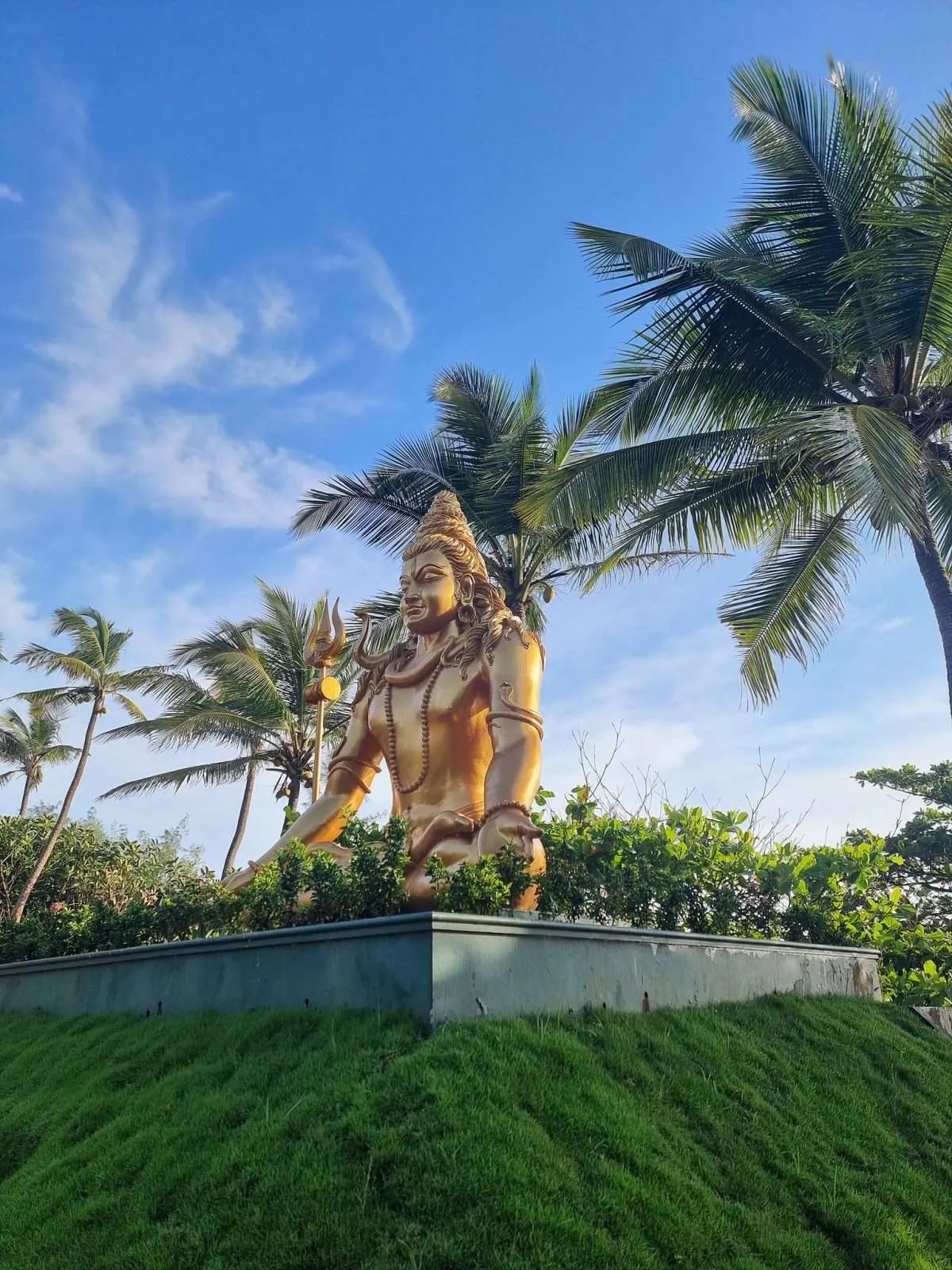
Our journey into the north didn’t begin with the clatter of climbing ancient battlements, but with a quiet, grounding evening the night before. We checked into the Krishna Beach Resort in Kannur, a tranquil sanctuary nestled along the coast. Standing on our spacious balcony, we were greeted by the majestic sight of the sea, the resort’s lush gardens, and the towering, serene golden Lord Siva Statue that makes its home right on the resort’s grounds.
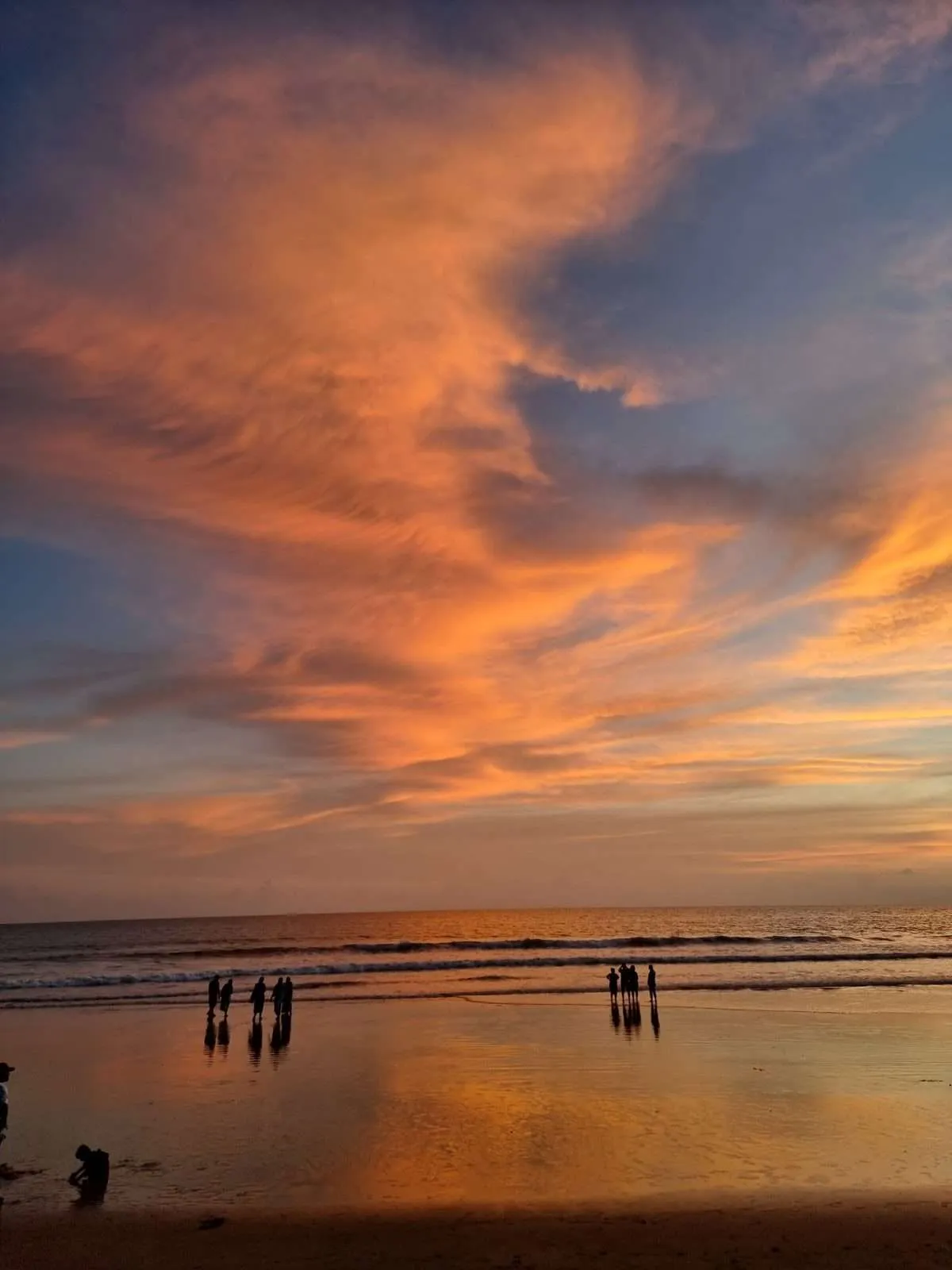
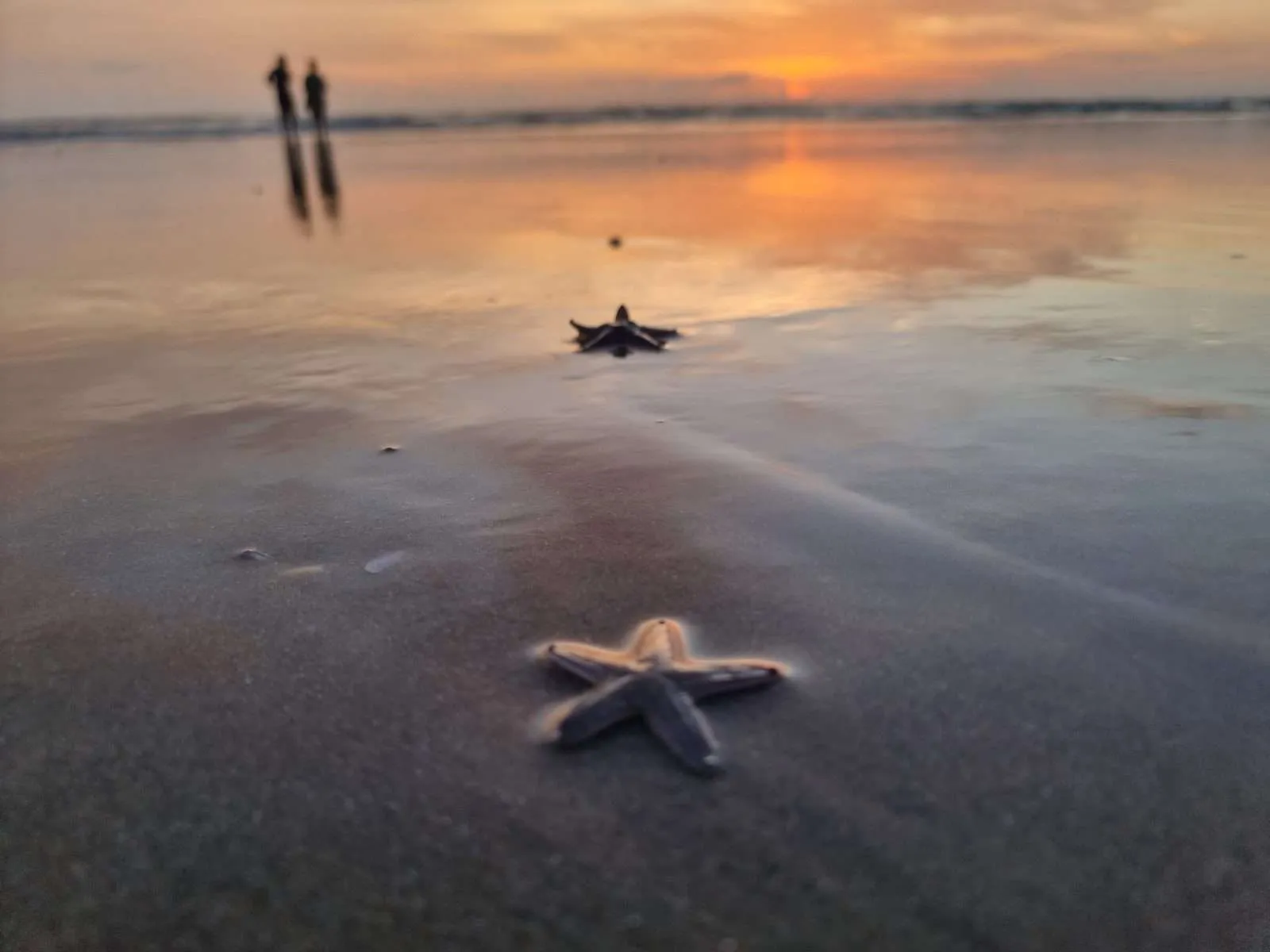
Just across the street from the resort lies the magnificent Payyambalam Beach, stretching for nearly four kilometers. As the sun began to set, casting a warm golden glow over the Arabian Sea, we walked along the quiet shoreline. The wet sand was cool beneath our feet, the tide was dotted with colorful starfish left behind by the receding water, and the gentle sea breeze carried a sense of deep spiritual peace. Watching the Lord Siva Statue catch the final rays of light, we felt the deep, restorative magic of slow travel. This meditative beach walk was the perfect prelude to the historical exploration that awaited us the next morning.
St. Angelo Fort: History and Happy Reunions
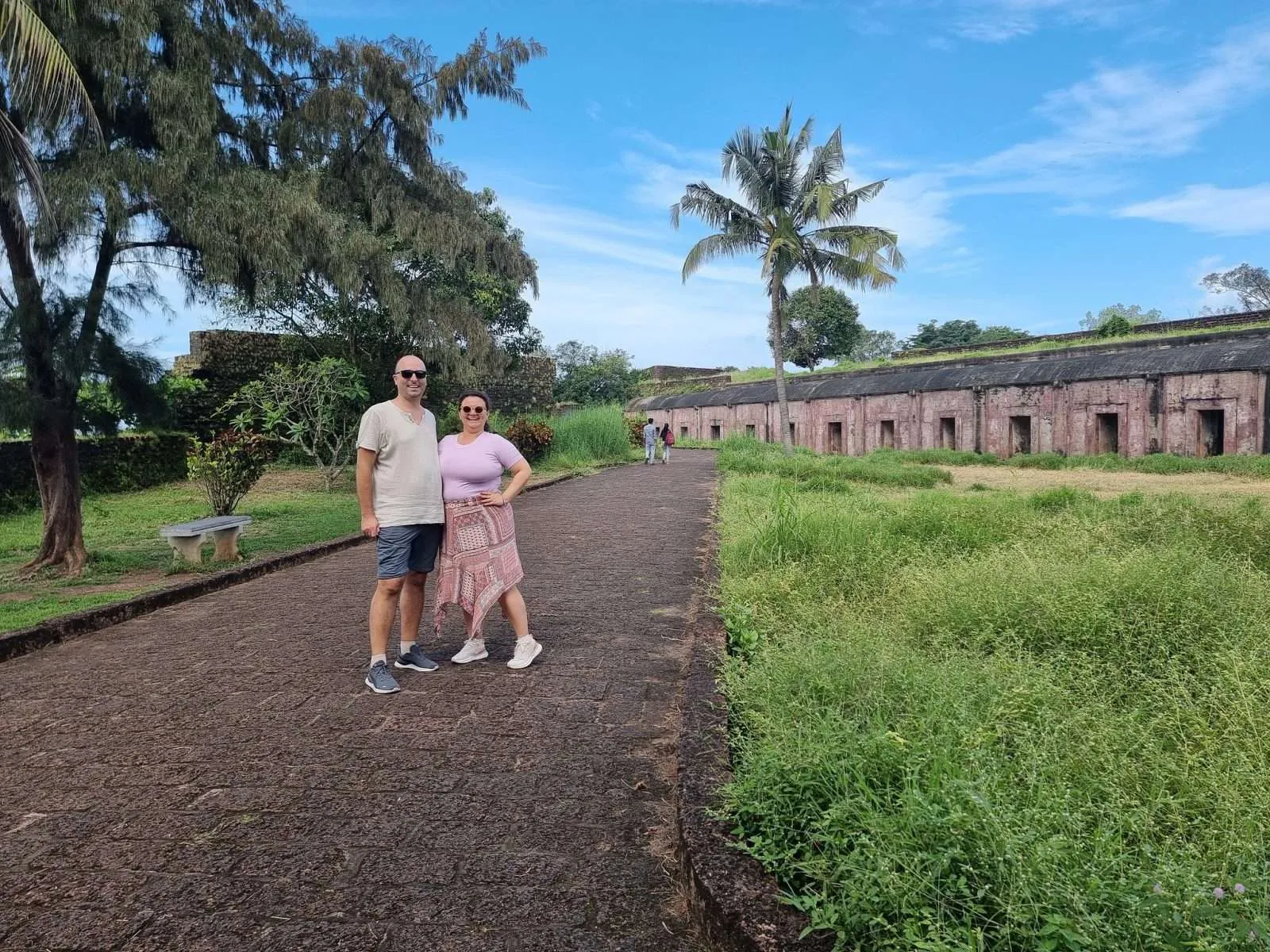
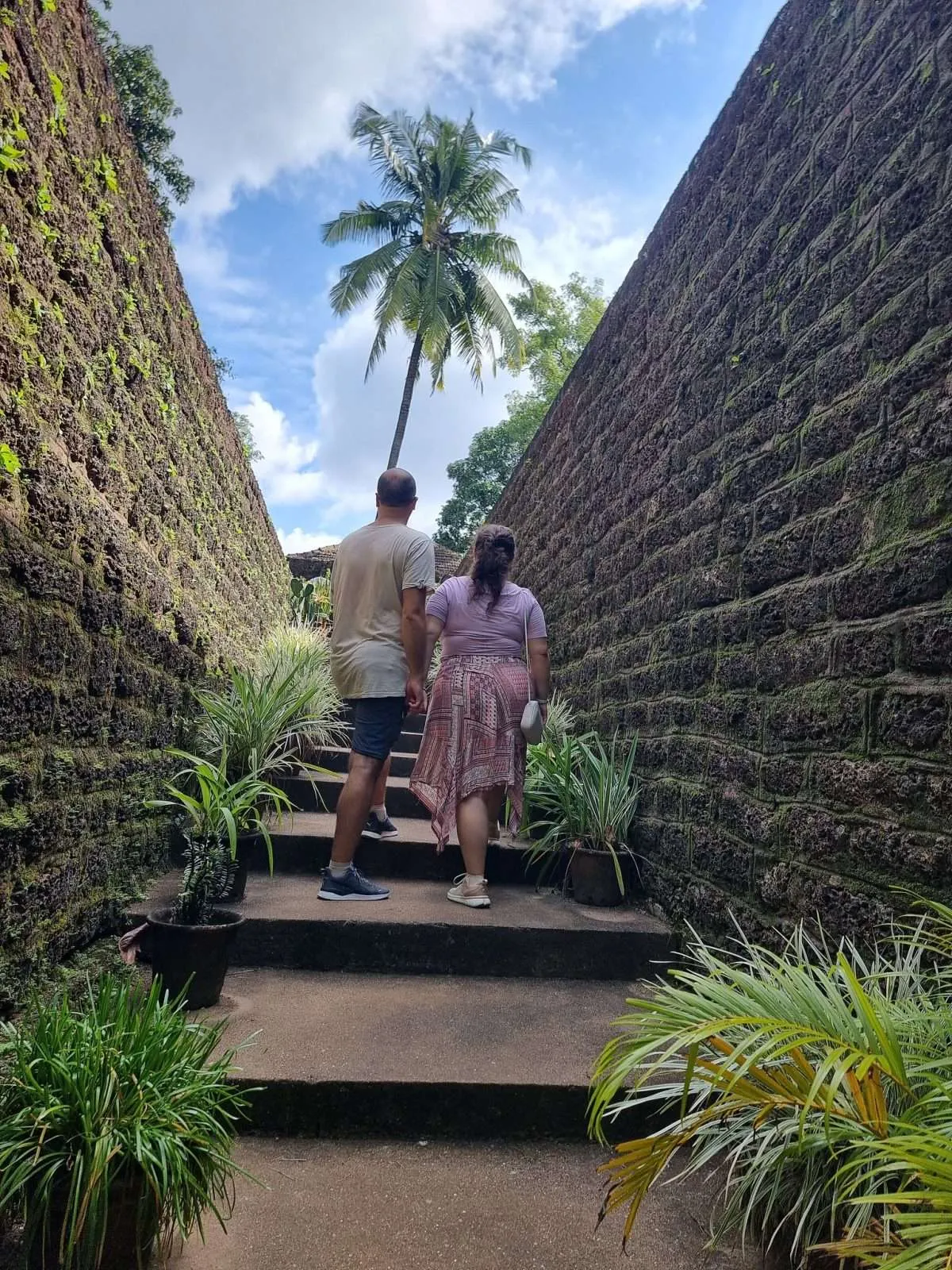
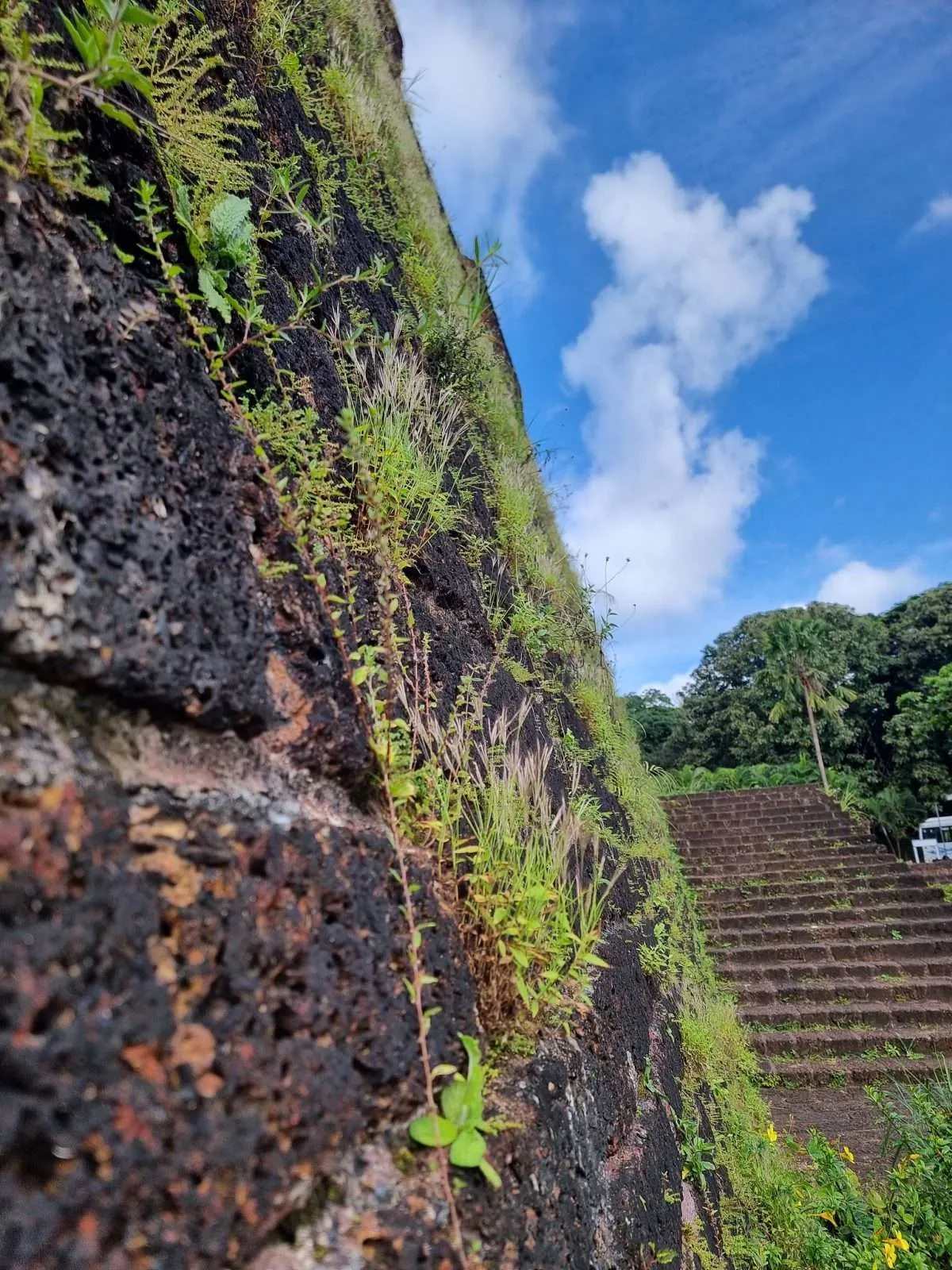
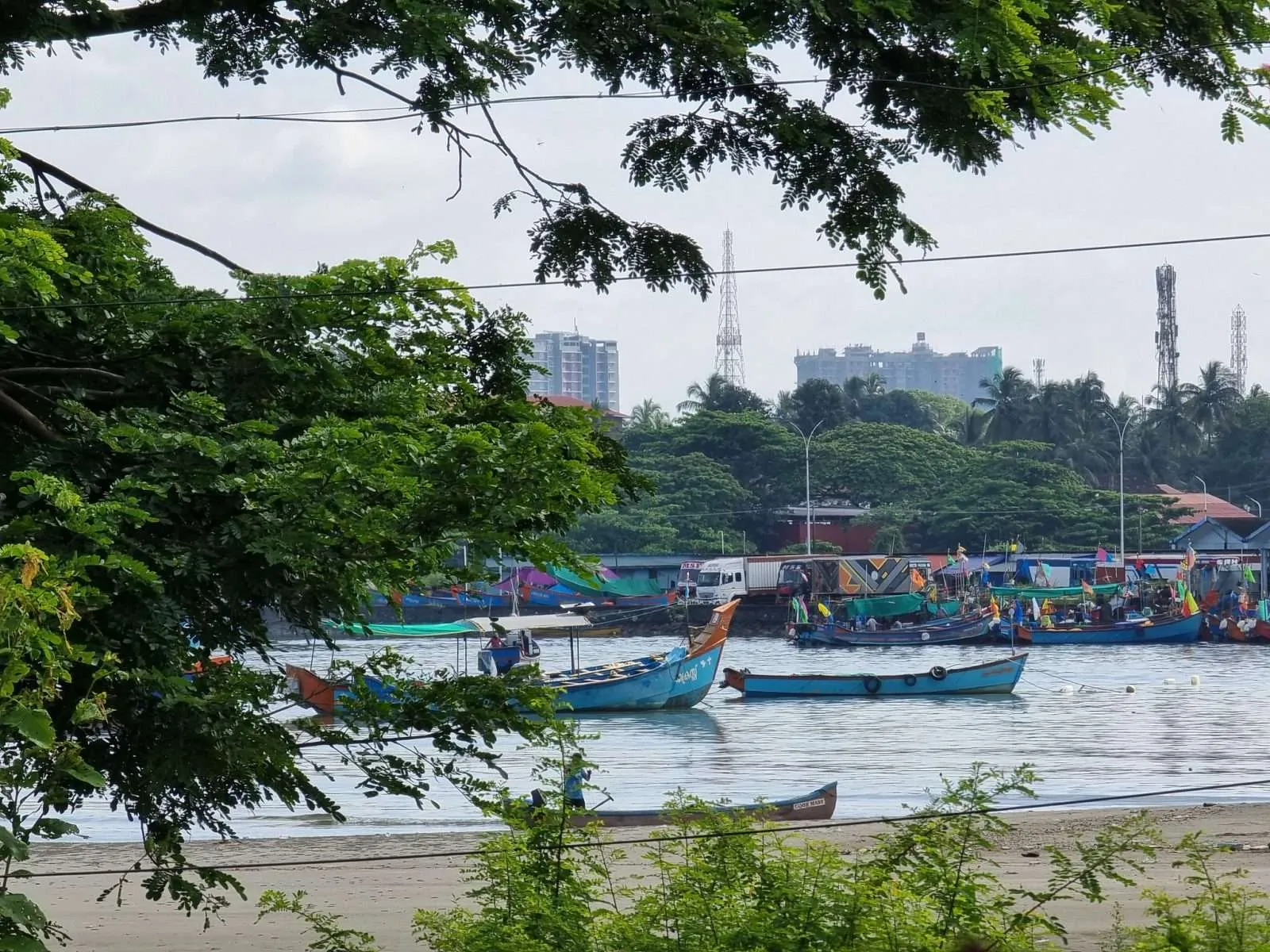
The next day, we set out to explore the historic St. Angelo Fort in Kannur. Built in the 16th century by the Portuguese, this massive triangular fortress is a striking masterpiece of military architecture. Constructed from local red laterite stone, its thick walls have stood firm against centuries of tides and changing empires—passing from the Portuguese to the Dutch, and eventually to the British.
But for us, the ancient stone walls of St. Angelo became the backdrop of a beautiful personal story. We had actually reunited with our dear blogger friend, Ketki, even before this, as she was part of our travel group for this very trip. We first met Ketki two years prior at the Kerala Travel Mart (KTM), and finding ourselves on the same journey again was wonderful. However, it was here, amidst the breezy pathways of St. Angelo, that we finally managed to truly talk more, share old memories, catch up, and, of course, take plenty of selfies. Together, we wandered along the sea-facing ramparts, laughing and swapping travel stories. Gazing out from the high bastions where the wind sweeps across the turquoise sea, the fort felt less like a monument to war and more like a bridge connecting old friends and shared memories.
Bekal Fort: Finding Tranquility in the Crowd
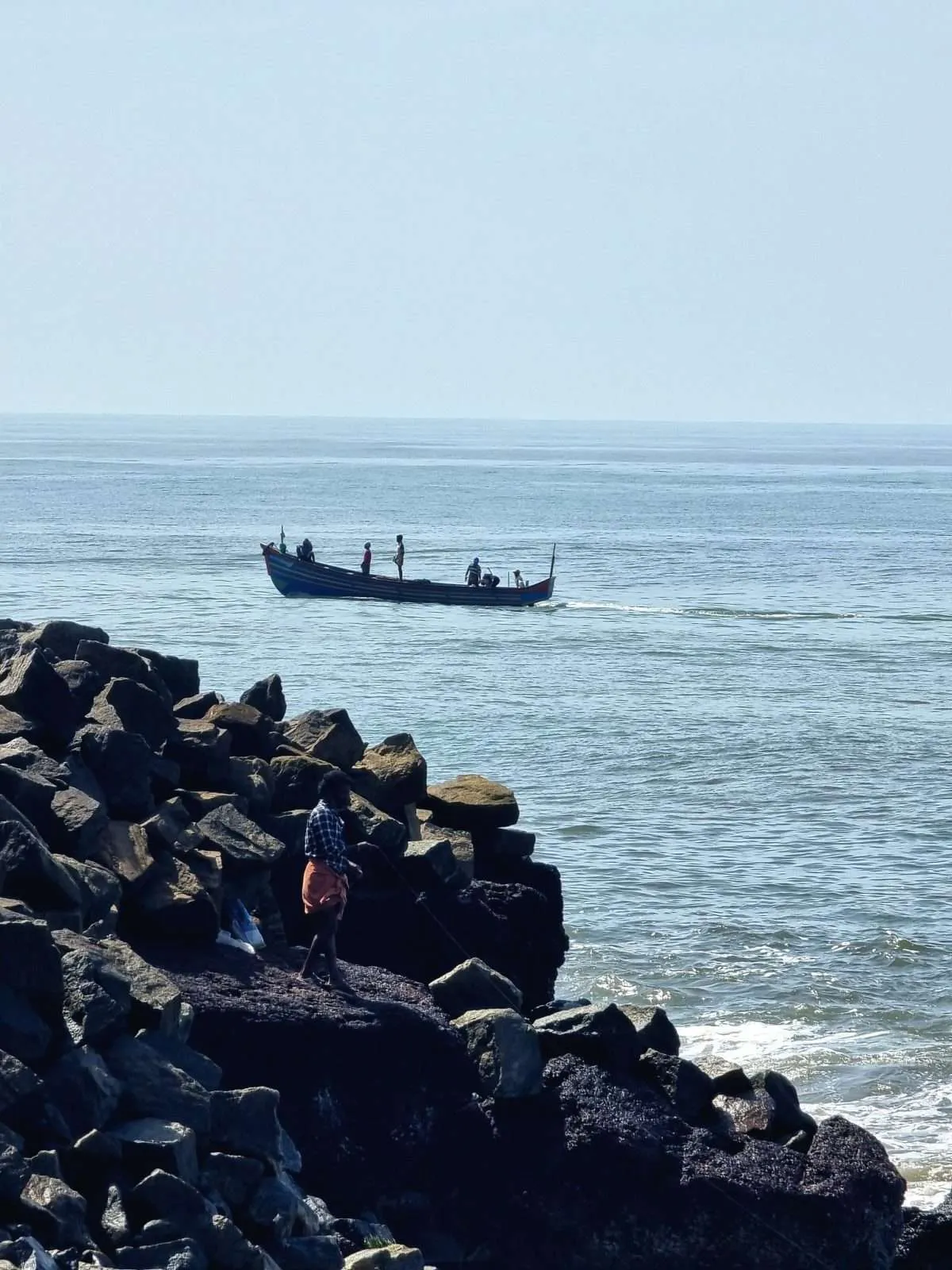
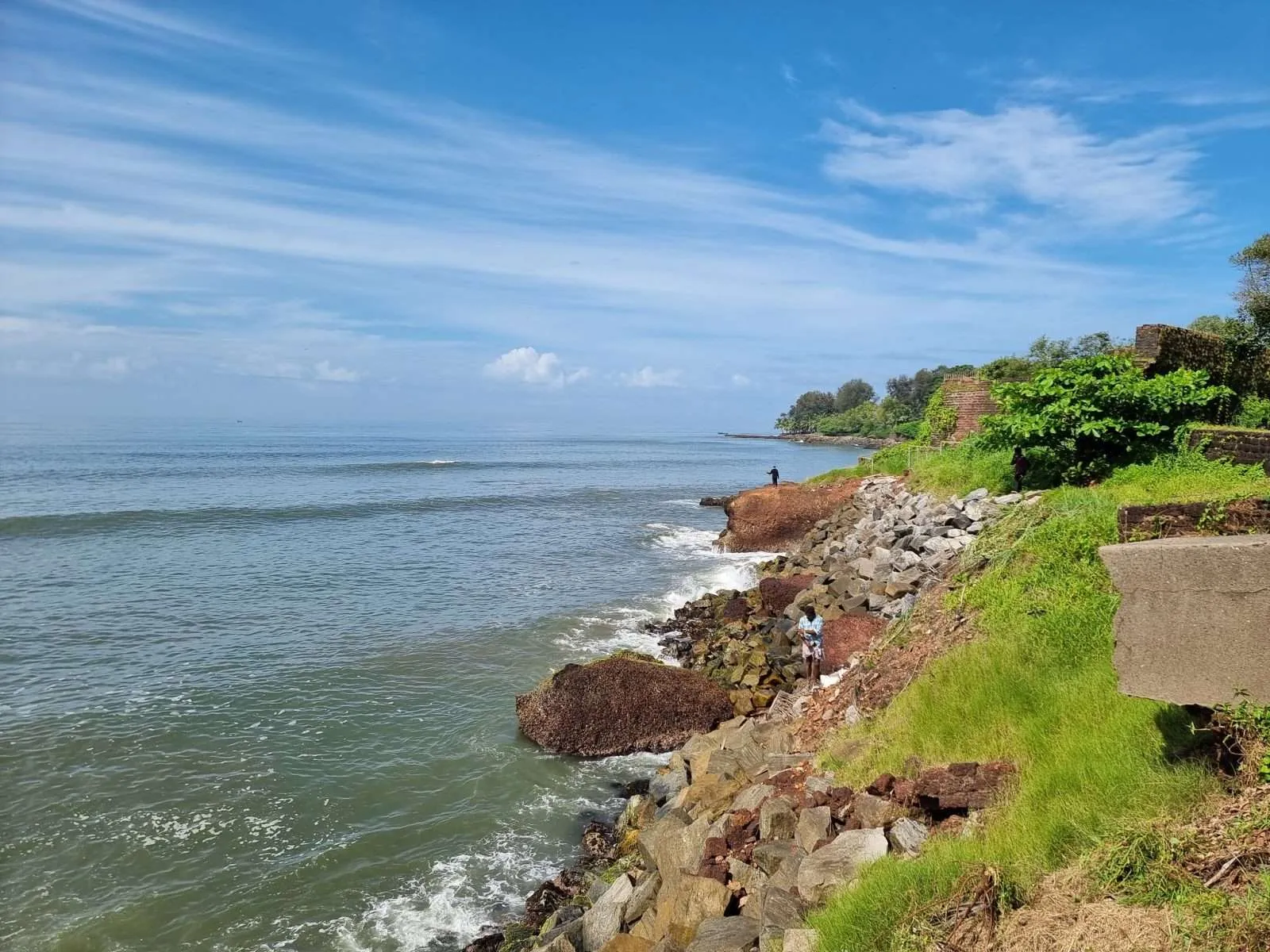
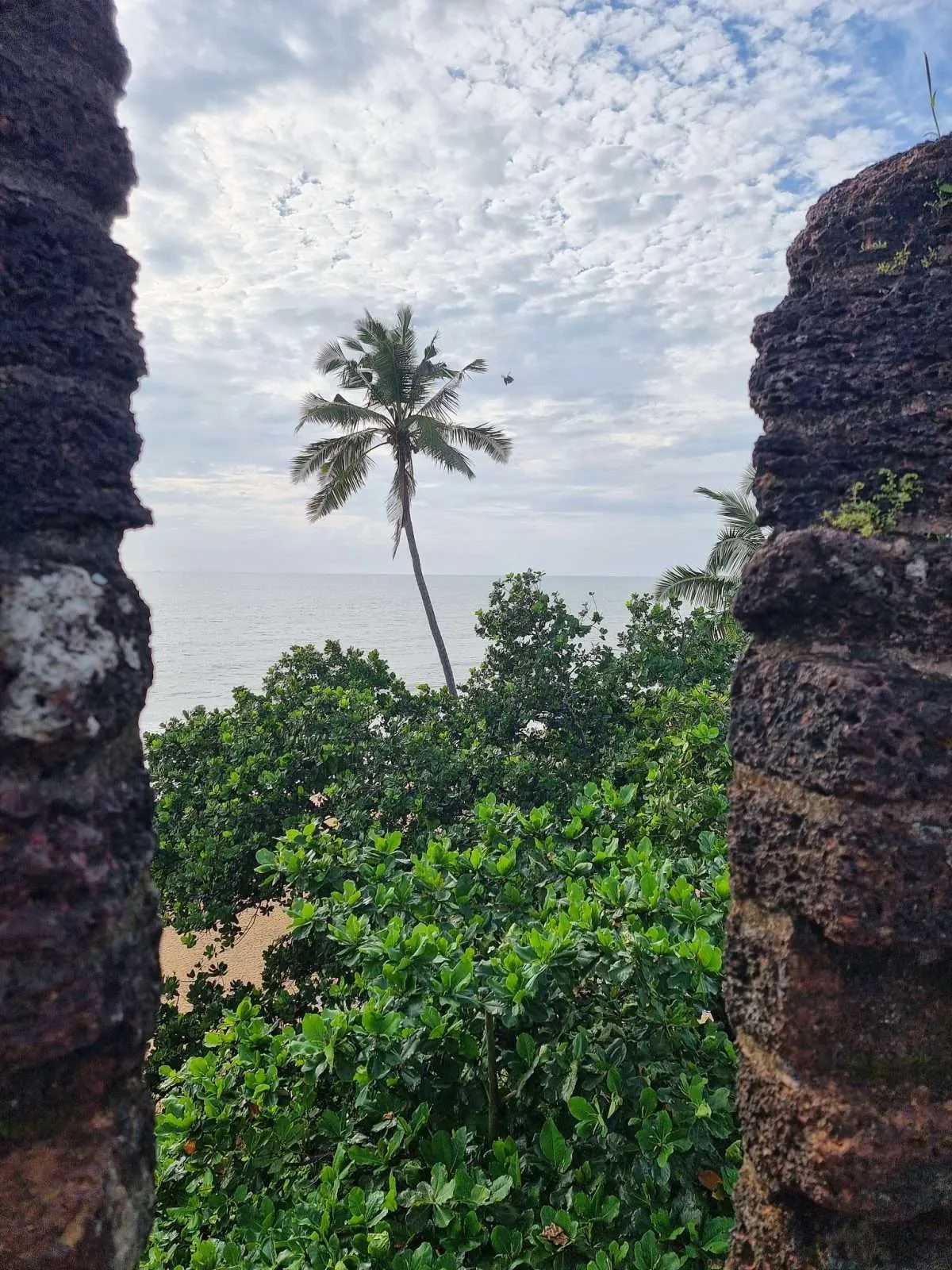
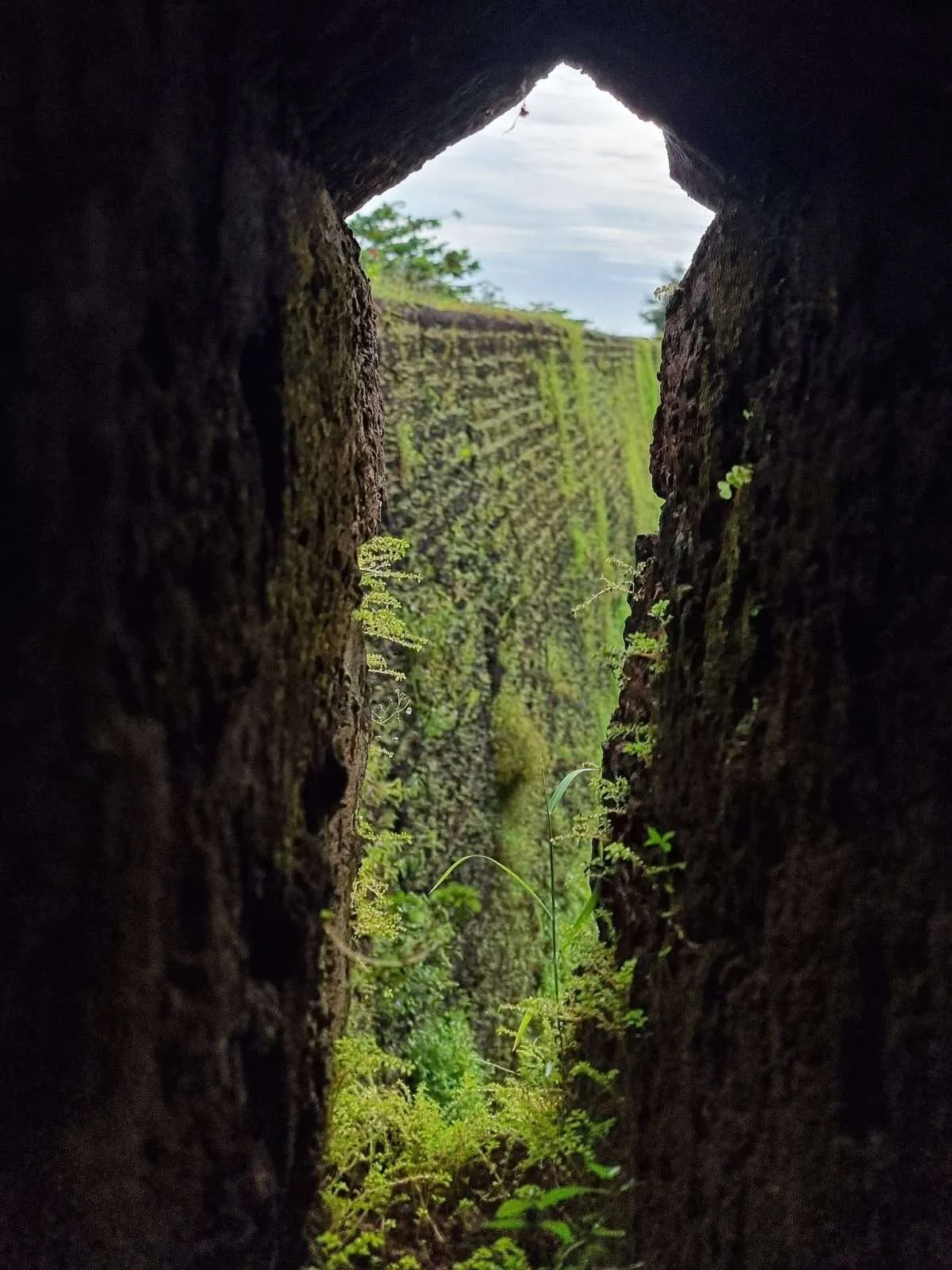
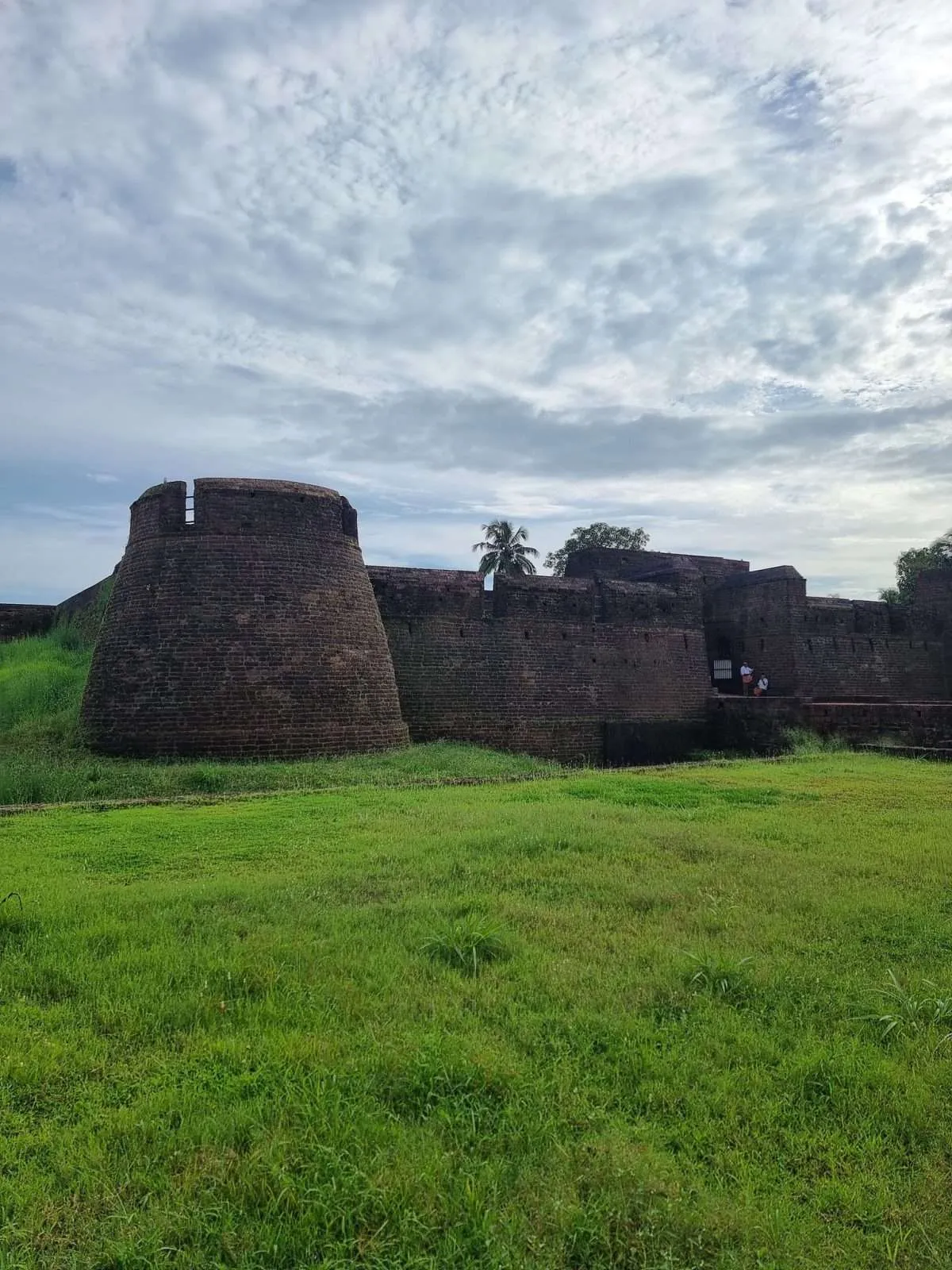
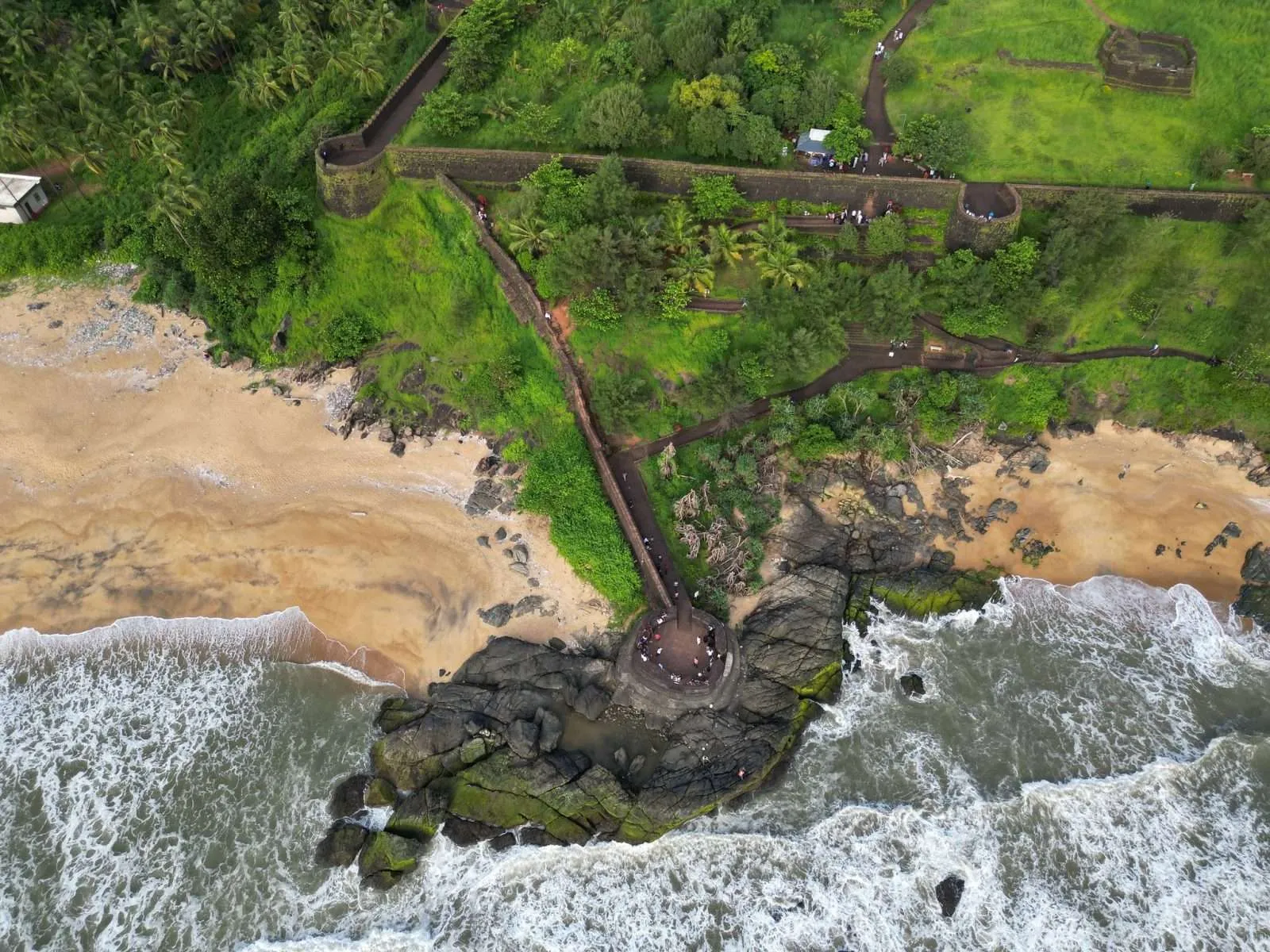
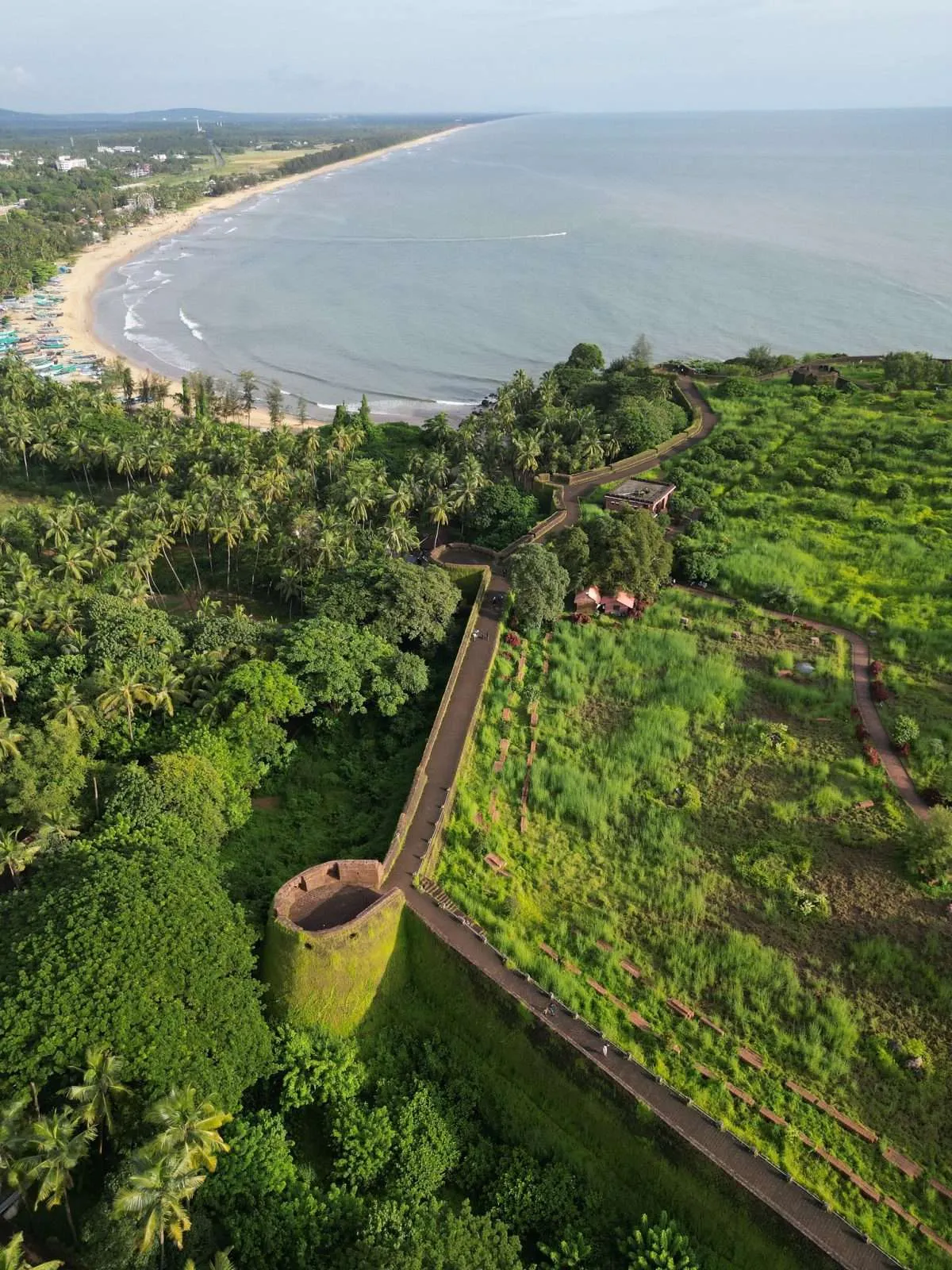
Traveling further north into the Kasaragod district, we reached the crown jewel of Kerala’s coastal fortresses: the legendary Bekal Fort. Spanning across a vast headland, Bekal is the largest and best-preserved fort in Kerala. Its massive circular bastions rise grandly from the water, seeming to grow directly out of the rocky shoreline and the crashing surf.
When we arrived, there were many visitors exploring the grounds. However, instead of stick-to-the-schedule sightseeing, our traveling group naturally dispersed to explore the massive site at our own individual paces. Walking alone along the zig-zag entryways, climbing the central observation tower, and looking down at the beautiful crescent-shaped beach below, something remarkable happened. Despite the presence of other travelers, a profound sense of tranquility and peace hung in the air. The sheer scale of the fort, coupled with the rhythmic, eternal sound of the waves crashing against the laterite cliffs, swallowed the ambient noise. It is a sanctuary where you can easily find a quiet corner to sit, contemplate, and watch the tide roll in.
Sunset, Sea, and Tea: Ending at Malabar Ocean Resort
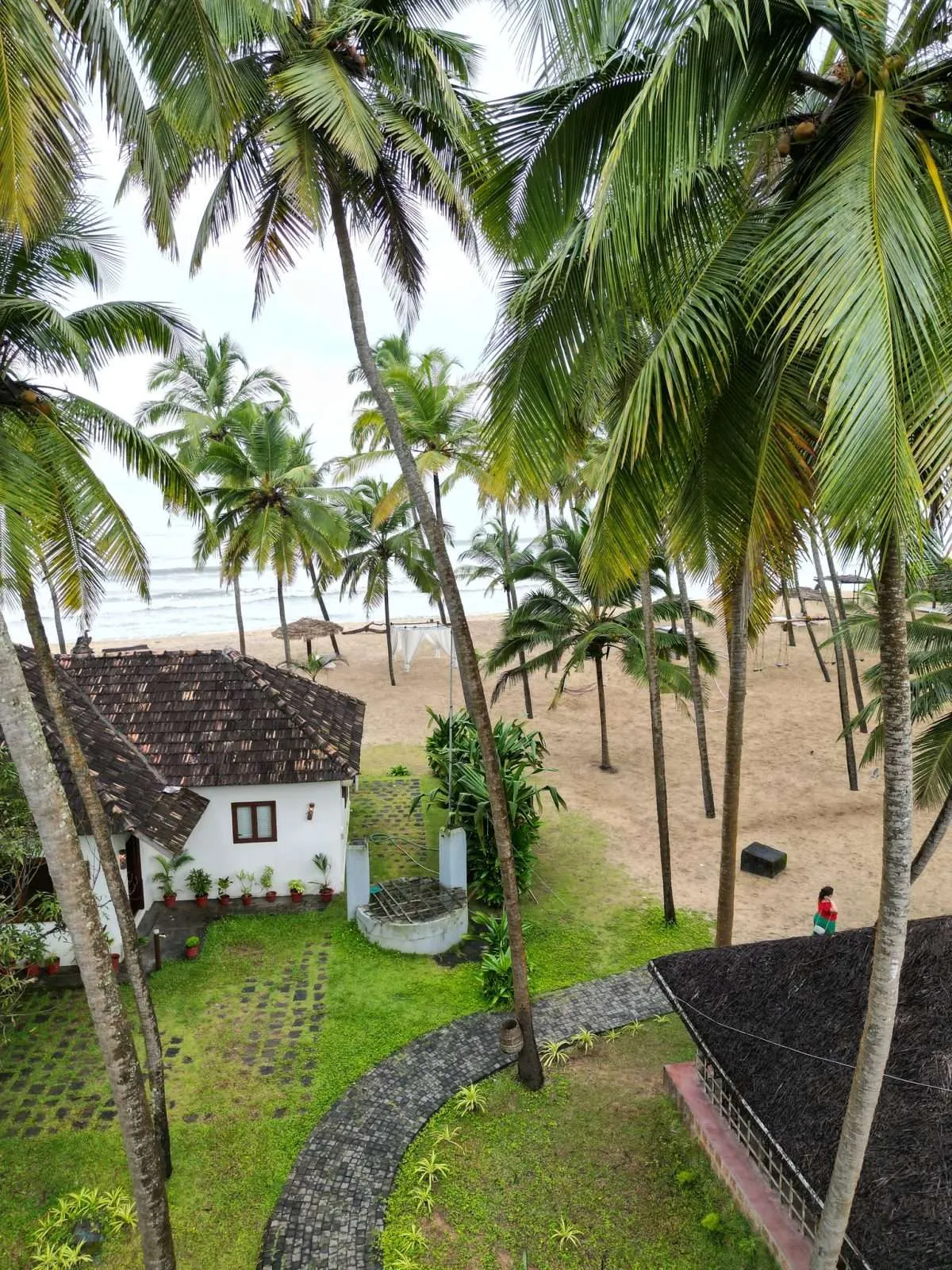
After a day of exploring ancient forts and witnessing sacred crafts, there is no better way to bring your contemplative journey to a close than by retreating to a peaceful beachside sanctuary. For us, that perfect haven was the Malabar Ocean Resort, nestled right along the tranquil Malabar sands.
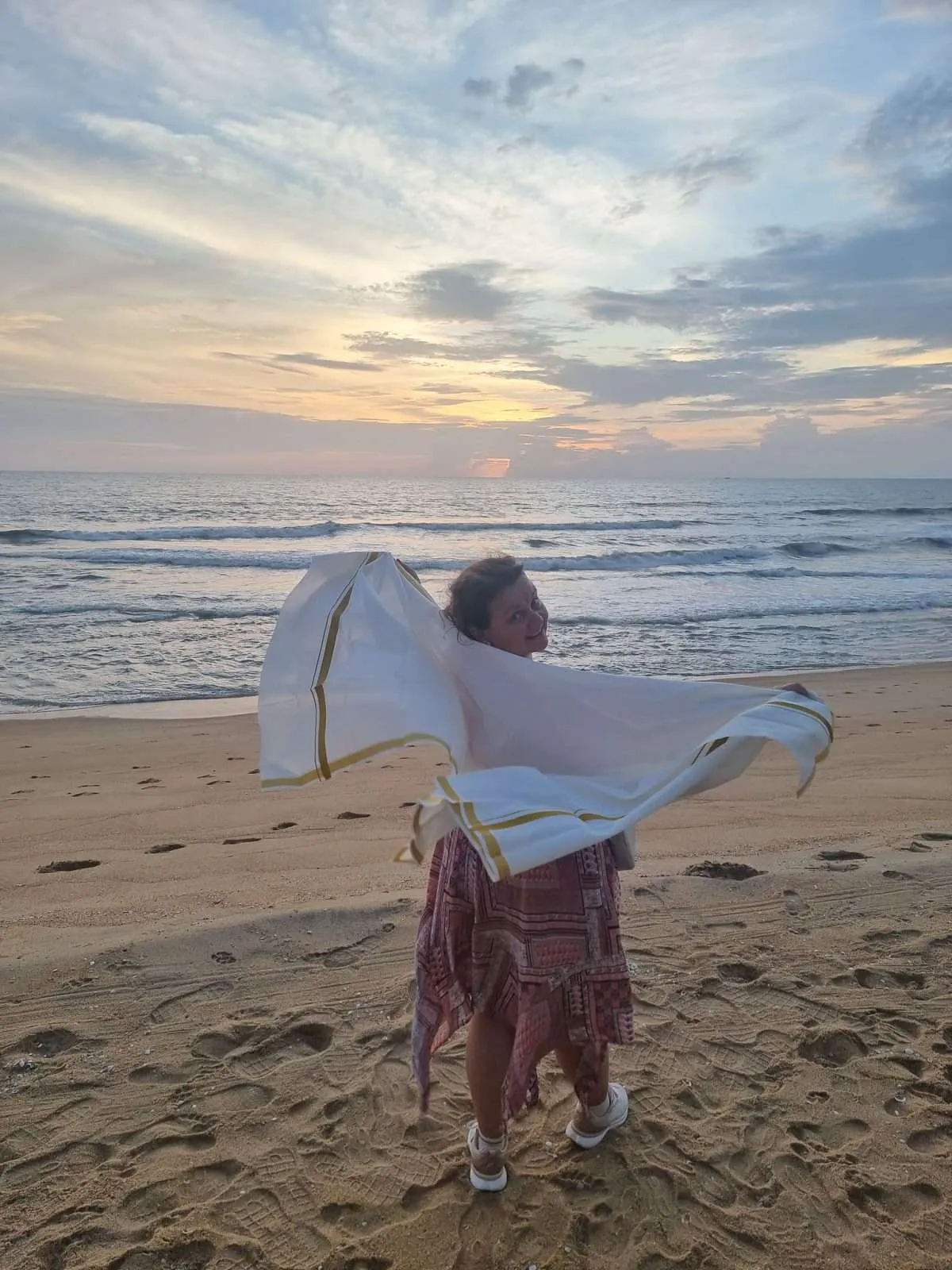
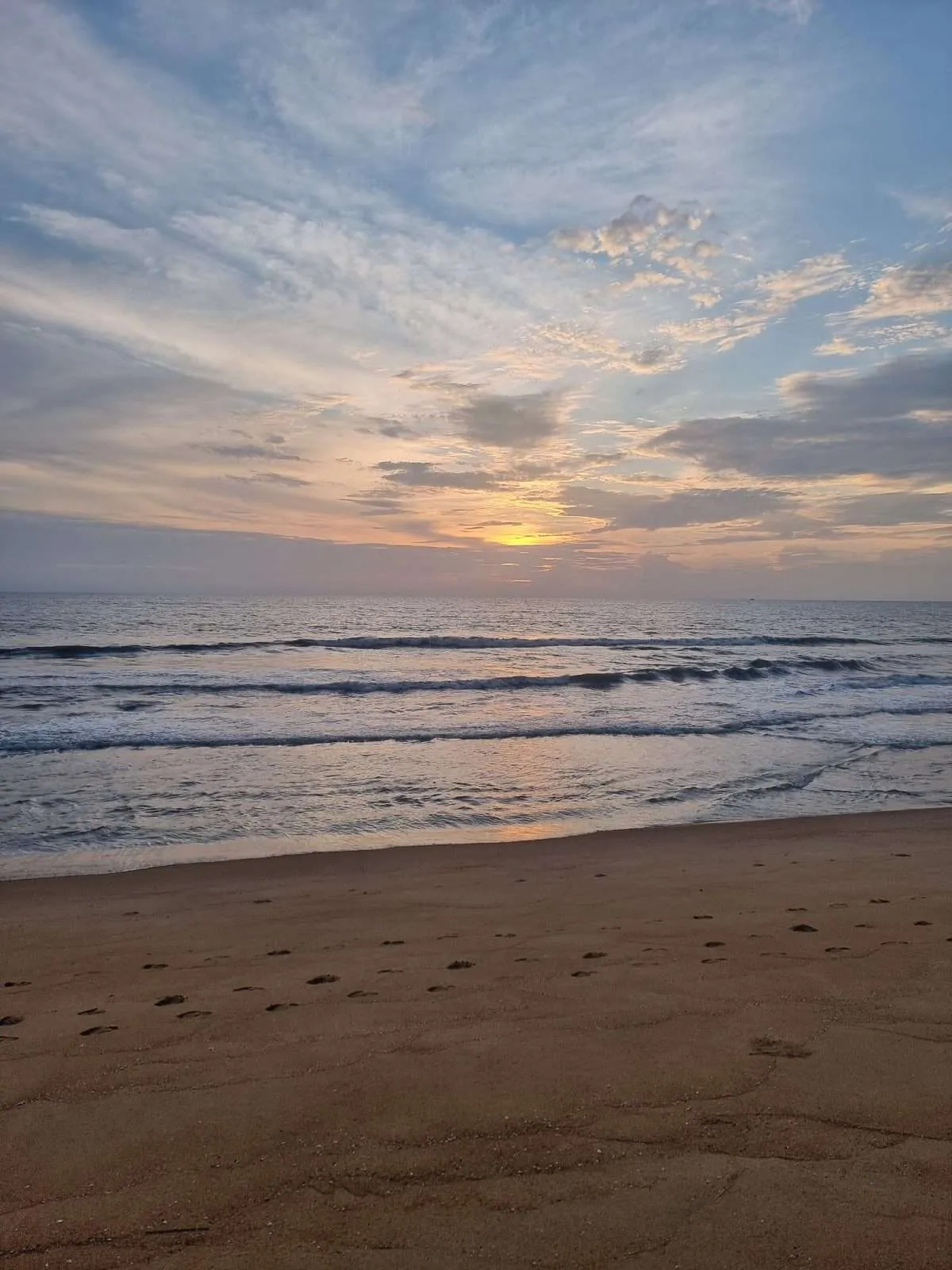
As the afternoon heat mellowed into a gentle coastal evening, we sat by the shore with a warm, aromatic cup of traditional tea in hand. There, with the rhythm of the waves as our soundtrack, we watched the sky soften as the clouds gathered and the sun quietly disappeared into a thick ocean fog. Even without a dramatic golden sunset, drinking that warm, delicious tea and saying a quiet goodbye to the hidden sun felt like a beautiful, meditative ritual—a moment of pure gratitude for the moody, authentic magic of Northern Kerala. It is the ultimate slow-travel finale, where the mind finally rests, and the beauty of the coast settles deep within your soul.
The Malabar Slow Travel Guide
To experience the authentic spirit of Northern Kerala, you must embrace the spaces between the destinations. Here is a slow-travel itinerary designed to help you connect with the heritage, crafts, and flavors of the region:
- Stay & Meditate at Krishna Beach Resort (Kannur): Make this peaceful beachfront resort your home base. Spend time in the lush gardens, enjoy a meal at the Golden Peacock restaurant celebrating local flavors, and take in the spiritual view of the Lord Siva Statue from your balcony.
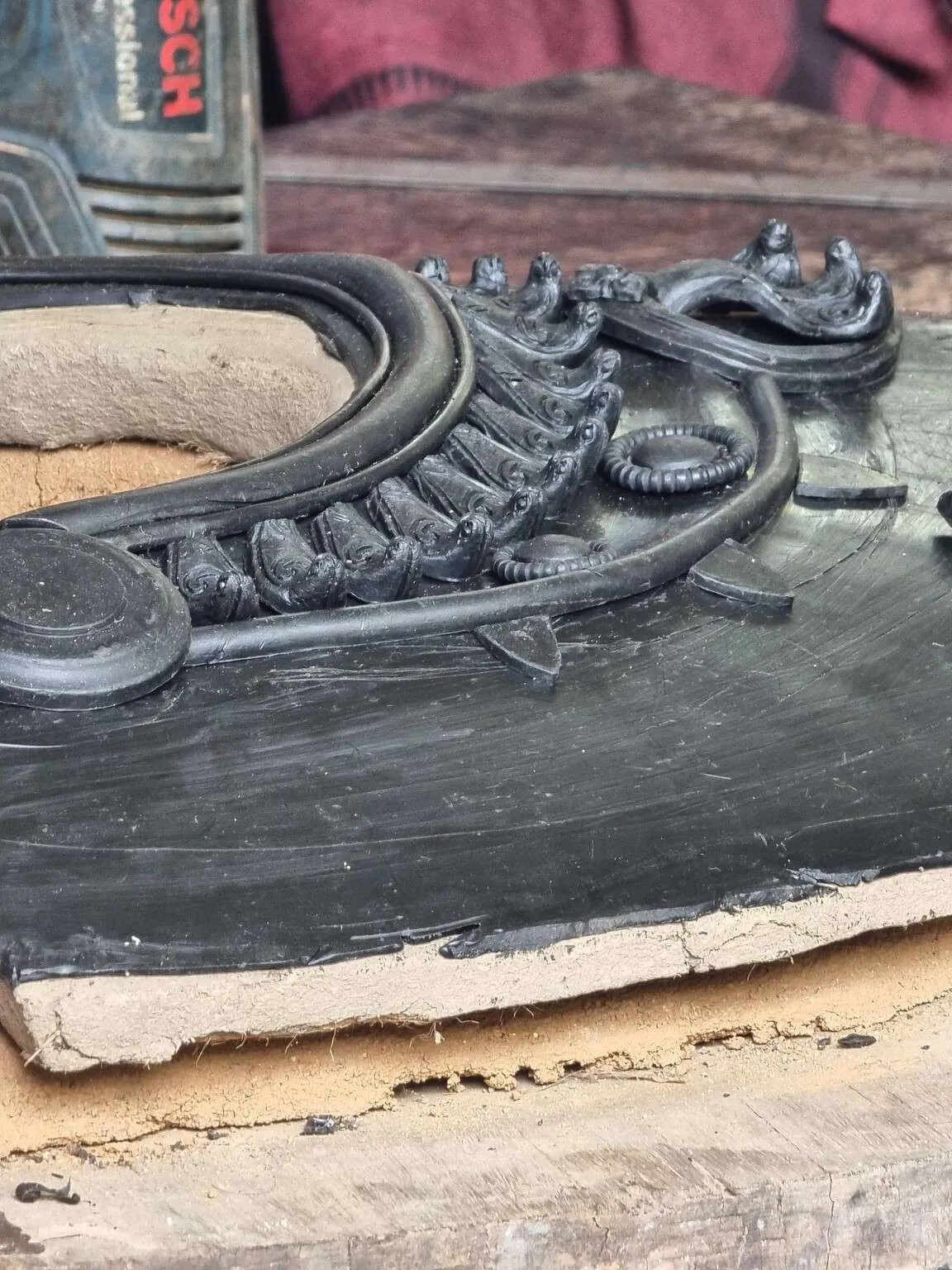
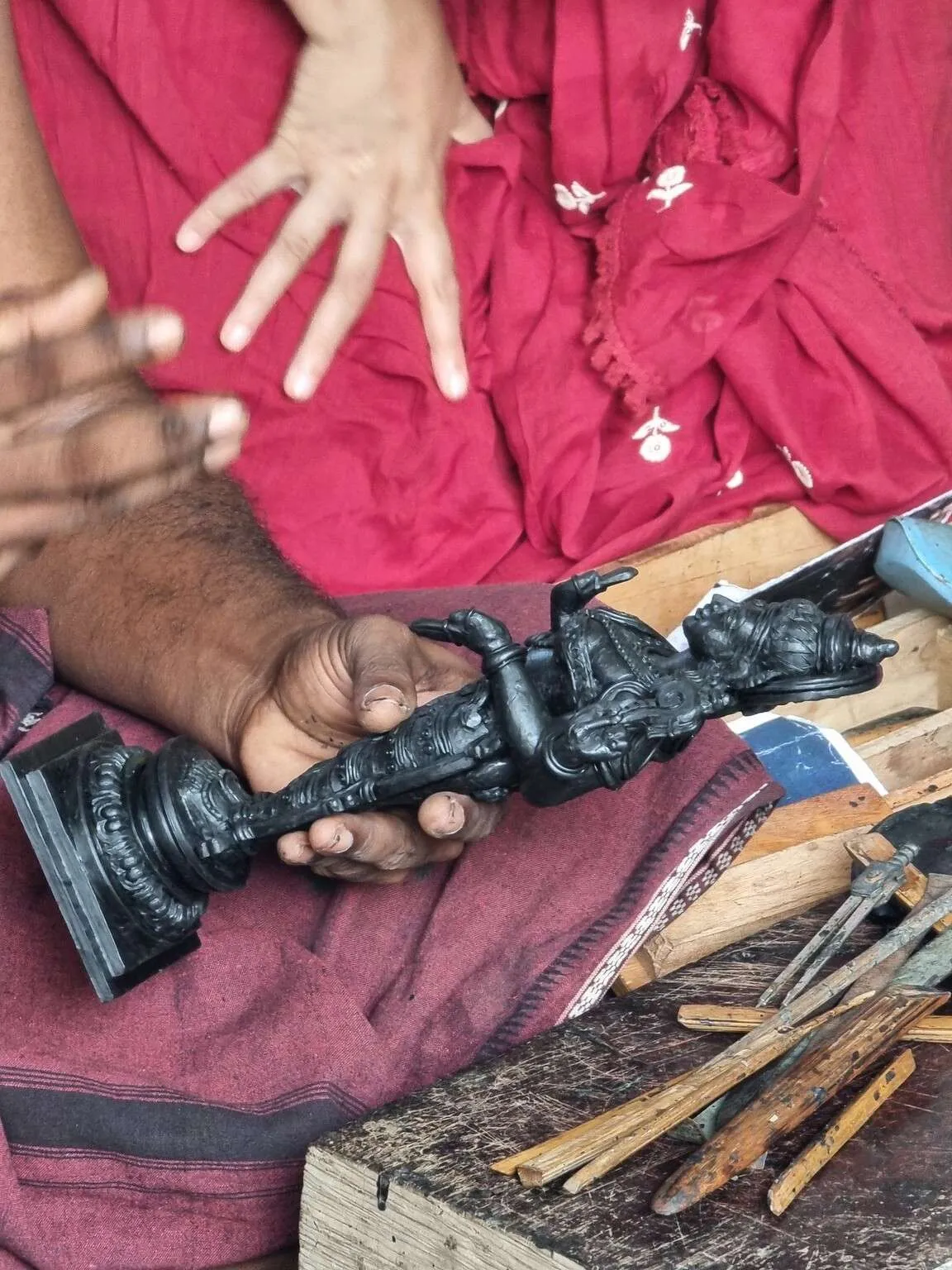
- Witness Bronze Handcrafting in Kunhimangalam: On your way north toward Kasaragod, make a stop at the heritage village of Kunhimangalam near Payyanur. This historically rich village is famous for its centuries-old bronze-crafting tradition. If you plan ahead, you can visit a local workshop and watch master craftsmen barefoot, meticulously shaping traditional oil lamps, sculptures of deities, and curios by adding fine layers of mud to the molds. It is a mesmerising, sacred craft that breathes life into metal.
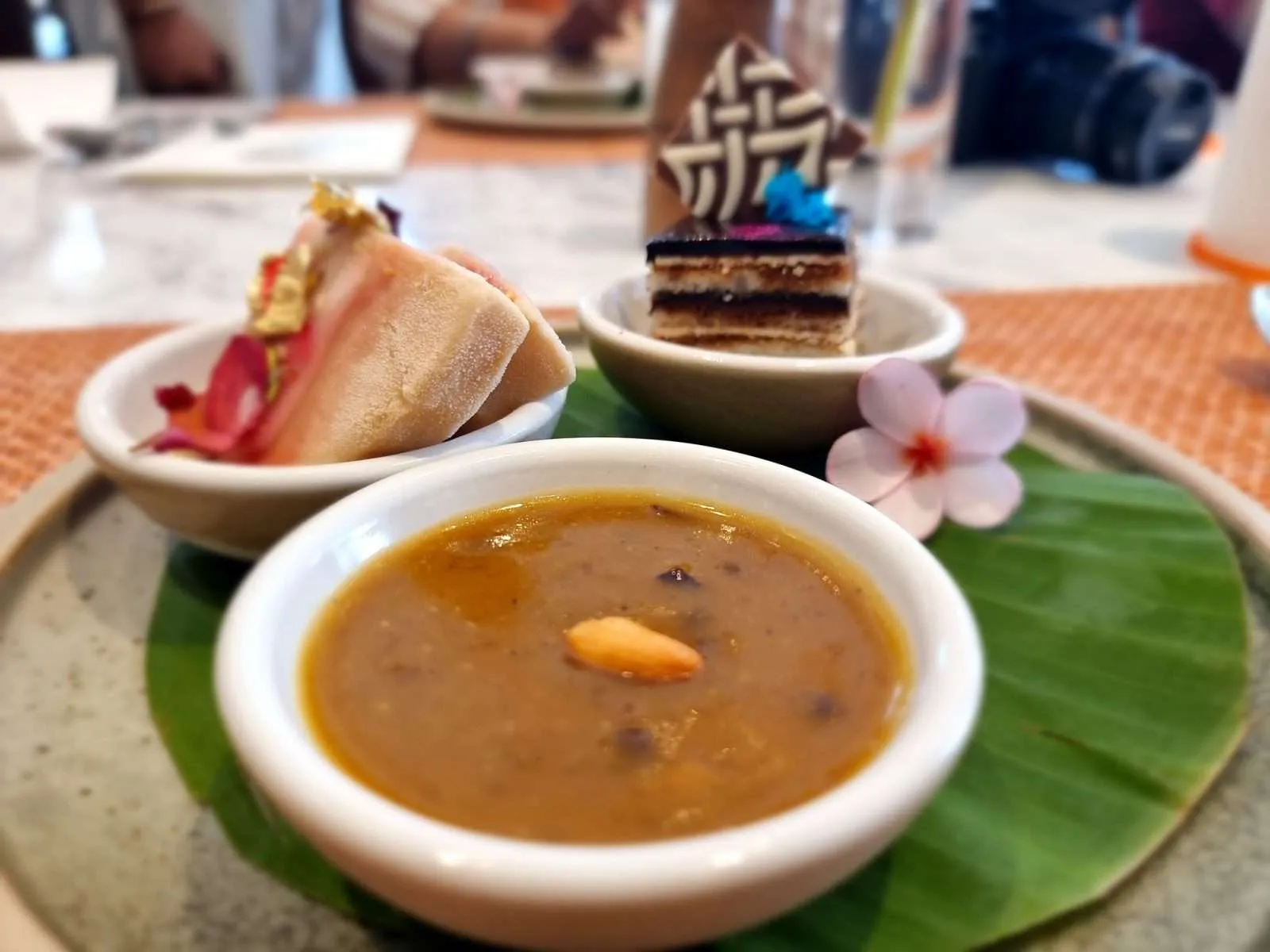
- Indulge in a Gourmet Lunch at Gateway Bekal: Located near Bekal Fort, the Gateway Bekal is an absolute culinary must-stop. We stopped here for what turned out to be one of the tastiest gourmet lunches we have ever experienced in India. The incredible flavors and warm hospitality make it a perfect spot to recharge—or even better, to book a stay and fully unwind in luxury.
- Unwind at Malabar Ocean Resort: Complete your journey by checking into this gorgeous seaside escape. Find a quiet spot on the sand, order a fresh pot of local tea, and let the quiet rhythm of the tides help you absorb the incredible experiences of Northern Kerala.
By slowing down, stepping off the beaten path to meet the artisans, and allowing yourself to get lost in the quiet coastal breeze, you will discover that Northern Kerala is not just a place to see, but a sanctuary to be felt.
*This experience and our trip to Northern Kerala were courtesy of Kerala Travel Mart and Kerala Tourism. As always, all opinions, thoughts, and views of the magical places and people we meet are our own!
Do you like this post?
Travel with us and share our journey on Instagram! Do you want to support us – learn how here!


