The Pamir Highway, also known as M41, is one of the world’s highest and most isolated roads, stretching through the heart of the Pamir Mountains. This legendary highway takes you from the capital of Tajikistan, Dushanbe, through high-altitude passes, remote villages, and along the border with Afghanistan, eventually leading into Kyrgyzstan. It’s a road trip of extremes: rugged terrain, mind-blowing landscapes, high-altitude headaches, and immense satisfaction. If you’re an adventure seeker or someone with a passion for untamed landscapes, the Pamir Highway promises an unforgettable journey.

Ways to do the Pamir Highway
There are several ways you can embark on the Pamir Highway adventure, each offering a unique experience:
1. Self-Drive: If you’re confident in off-road driving and have experience navigating harsh terrains, you can rent a 4×4 and go at your own pace. However, it’s important to remember that the road conditions can be extreme, with landslides, unpaved paths, and altitudes over 4,000 meters. Make sure to plan for fuel stops as they are few and far between.
2. Hire a Guide and Driver: This is the most recommended option. Local guides know the roads and can handle the paperwork for various permits and checkpoints. They also act as a translator, which can be invaluable in this remote region where English isn’t widely spoken. A good driver ensures that you can relax and focus on the views without worrying about the dangerous parts of the road.
3. Cycling or Motorbike: For the truly adventurous and physically fit, cycling or riding a motorbike along the Pamir Highway offers a slow and intimate way to experience the region. Be prepared for extreme altitude, rapidly changing weather, and grueling physical demands, but the reward is an unparalleled connection with the landscape.

When and how to ride the Pamir Highway
The best time to travel the Pamir Highway is from June to September, during the summer months when the passes are clear of snow. Even during these months, the weather can change quickly, and snow is possible at the higher altitudes.
To drive the Pamir Highway, you will need a GBAO permit (Gorno-Badakhshan Autonomous Oblast), which grants access to the Tajik Pamirs. This can usually be arranged in advance through your tour operator, guide, or even at embassies. Besides a good 4×4 vehicle, you’ll need supplies like water, extra fuel, and food for stretches of the highway where facilities are scarce.
Why you need a tour guide (or at least a driver)
Having a local guide or driver makes the Pamir Highway not just easier but safer. The road is full of unpredictable challenges: rockslides, washed-out sections, and high-altitude sickness. A guide will help you navigate dangerous road conditions and communicate with locals at checkpoints, where passports are often checked.
Many sections of the Pamir Highway are under construction, with frequent closures for repairs. A guide who knows the best routes and timings for road openings is invaluable. Additionally, locals are very hospitable, and your guide can act as an ambassador, enhancing your experience by introducing you to local cultures and making sure you don’t miss hidden gems.
If you’re looking for a tour company, connection to drivers that serve this journey, or people to share the jeep with (as we were), the Caravanistan website and forum are a great starting point.
Practical details: money, food, accommodation, and preparation
This blog post contains some affiliate links to services and products we like. If you book through those links, we’ll get a small commission at no extra cost for you. Thank you for helping us keep The Magic of Traveling going!
– Money: ATMs are rare once you leave Dushanbe. Make sure you carry enough cash (in Tajik somoni or Kyrgyzstani som) for the entire trip. Some places accept USD, but it’s better to exchange money in larger cities. Credit cards are generally not accepted.
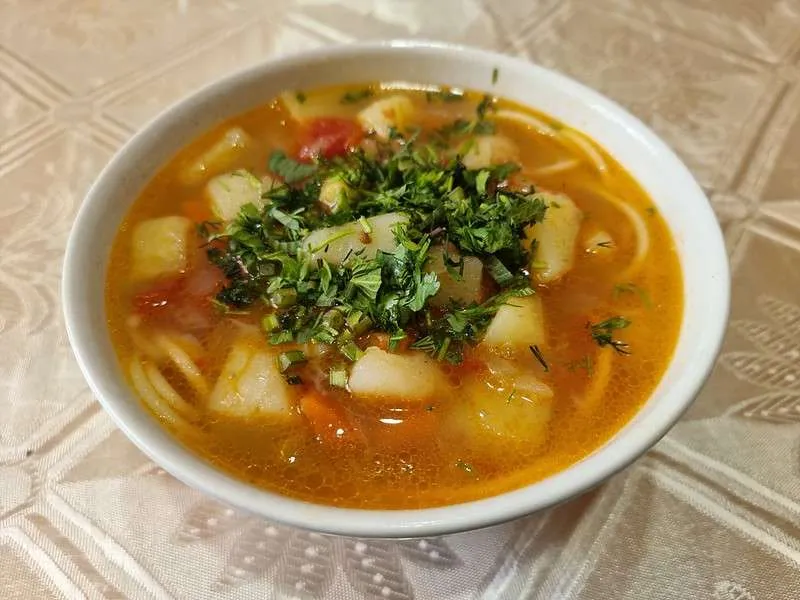
– Food: Expect simple meals along the way—plov (rice with vegetables or meat), lagman (noodle soup), and fresh bread. If you have dietary restrictions, especially as a vegetarian or vegan, stock up on snacks and extra food. Most guesthouses will provide basic breakfast and dinner.
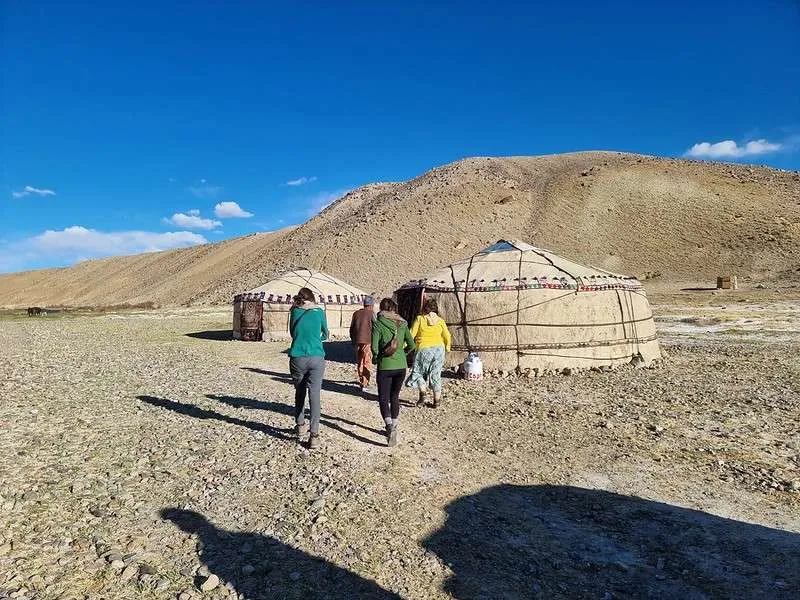
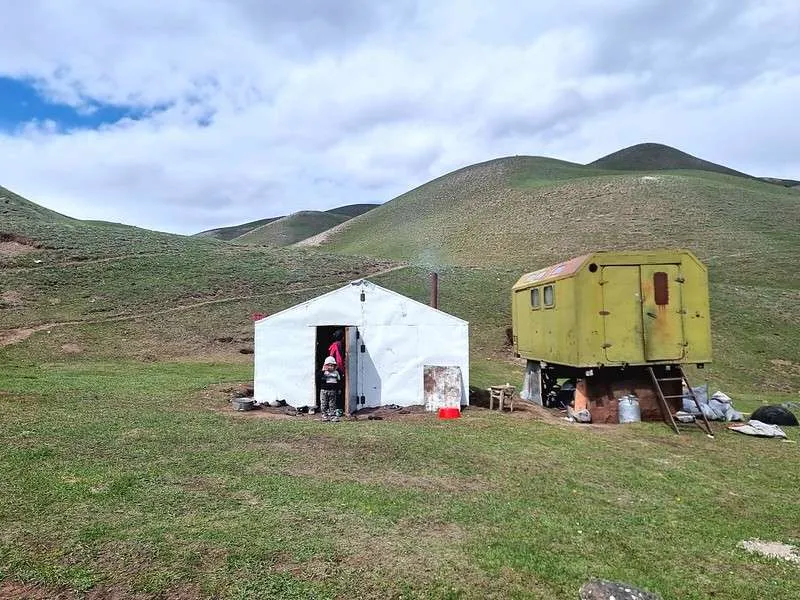
– Accommodation: You’ll mostly stay in guesthouses or homestays with basic facilities. Be prepared for shared bathrooms, and don’t expect much in the way of hot water. Some nights, especially in Kyrgyzstan, you may stay in yurts. Bring a warm sleeping bag and be ready for cold nights.
– Clothes: Pack layers! The weather in the Pamirs changes quickly, and you’ll experience a wide range of temperatures—from sweltering heat during the day to freezing cold at night, especially at higher altitudes. A down jacket, waterproof gear, gloves, and a hat are essential.
– Language: Russian is the main language spoken, although you might also hear Pamiri, Tajik or Kyrgyz in the mountains. Knowing a few basic Russian phrases will help a lot, and your guide will handle most of the communication.
– Things to prepare: Bring plenty of sunscreen, a power bank, and a first aid kit. The altitude is no joke, so consult a doctor about altitude sickness medication before your trip. Water filtration systems, purification tablets, and bringing water in the trunk can also be a lifesaver since access to clean water is limited in some areas.
Pamir Highway diary: Our epic 7-day journey
Day 1: From the hustle of Dushanbe to the mystical mountains of Kala-i-Khum
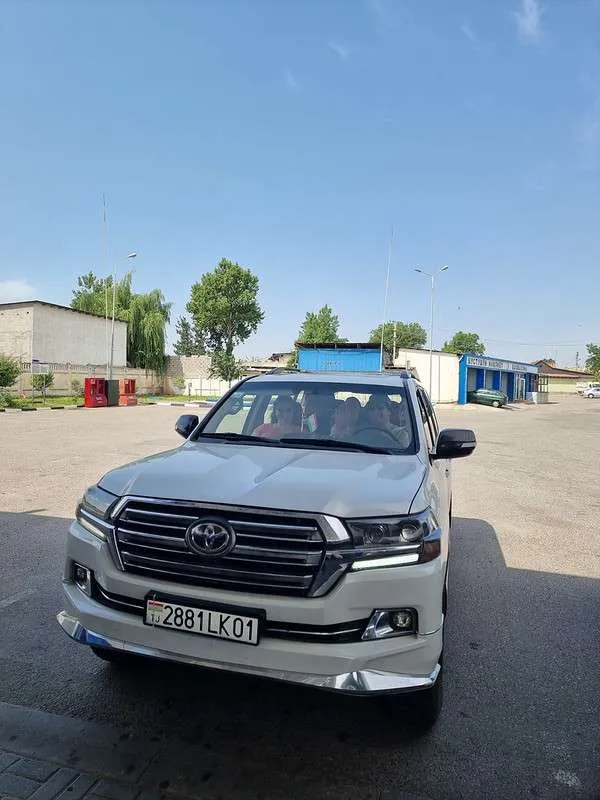
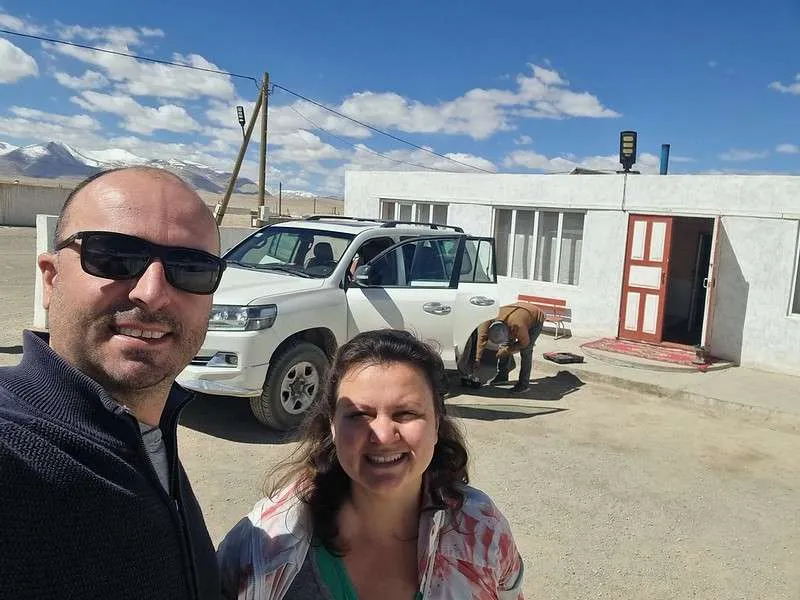
Our journey began at 8:30 AM in Dushanbe, the bustling capital of Tajikistan. We met our group of fellow travelers, a mix of curious souls all ready for this extraordinary adventure. Nur-Bek, our trusted guide and driver, greeted us with a massive smile and a sturdy Land Cruiser packed with supplies. First stop – a supermarket for essentials, mainly water. We had been warned: on the Pamir Highway, water can be scarce, so five liters each was a must.
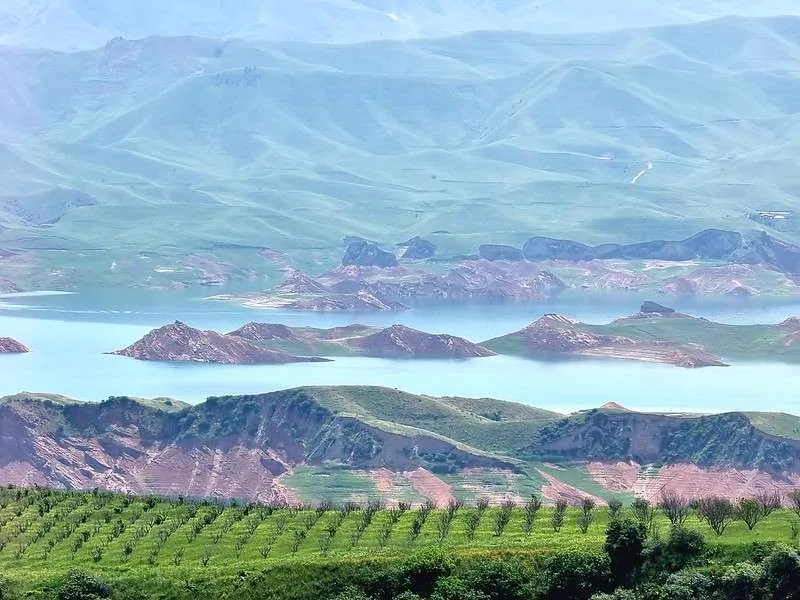
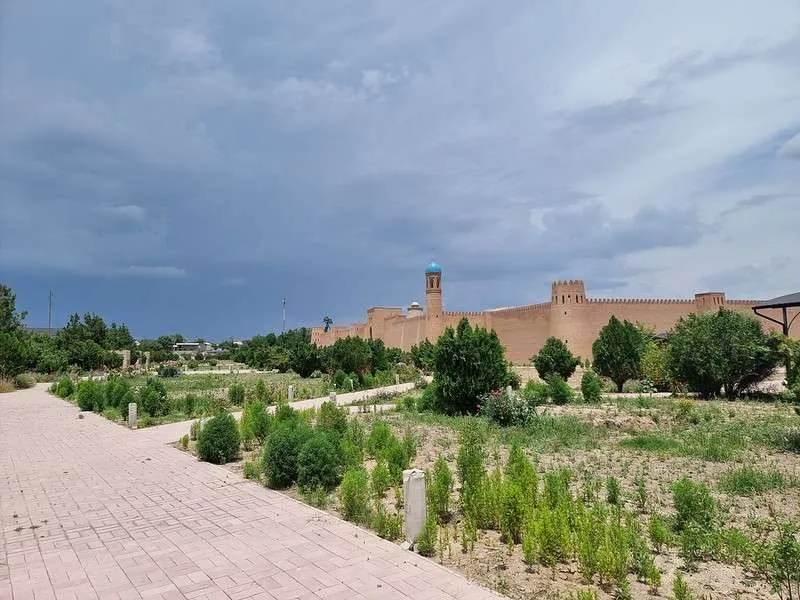
As we left the city, the urban chaos slowly gave way to towering mountains and open skies. The first historical stop was at the 11th-century Hulbuk Palace. Although it was closed for restoration, we peeked into the ancient courtyard, feeling the whispers of history echo through its walls. This palace was just the appetizer; the main course was the scenery ahead.
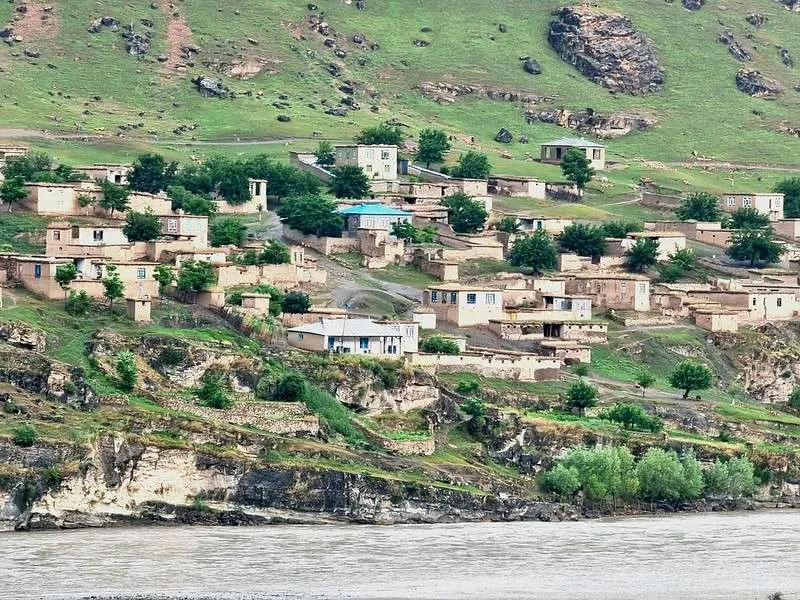
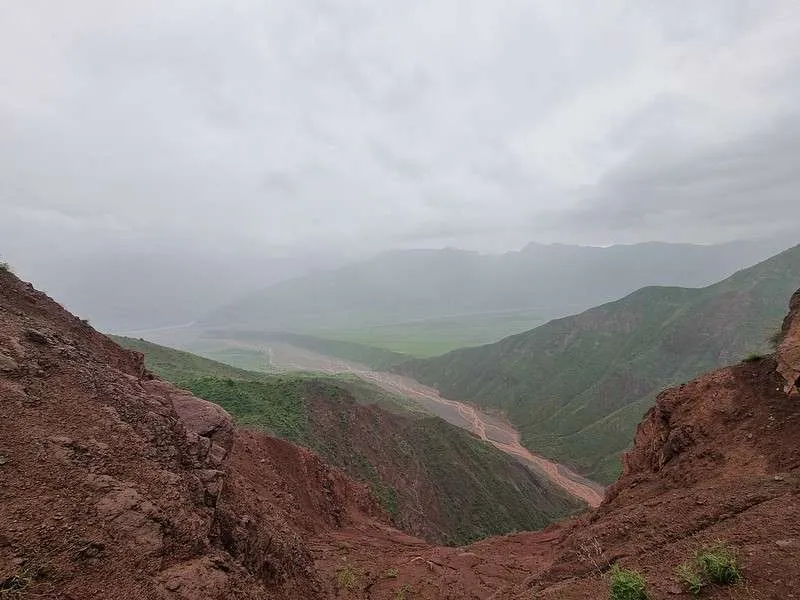
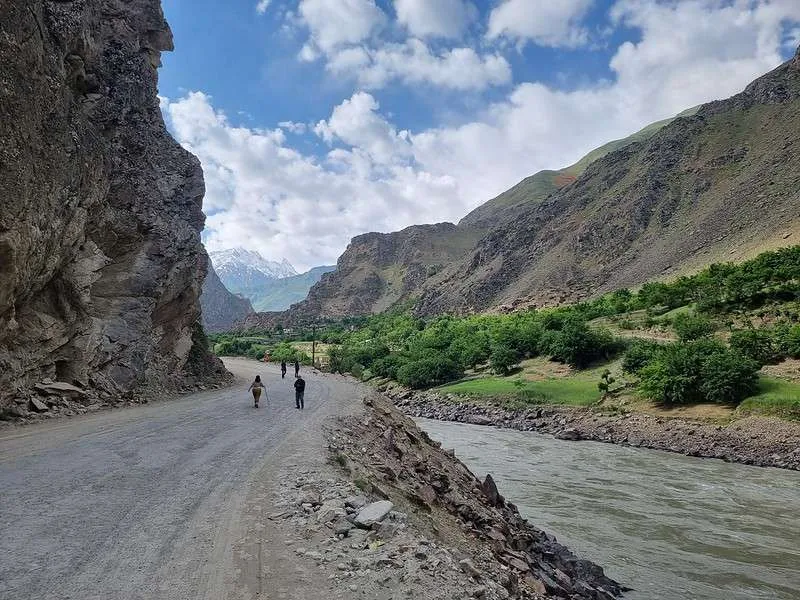
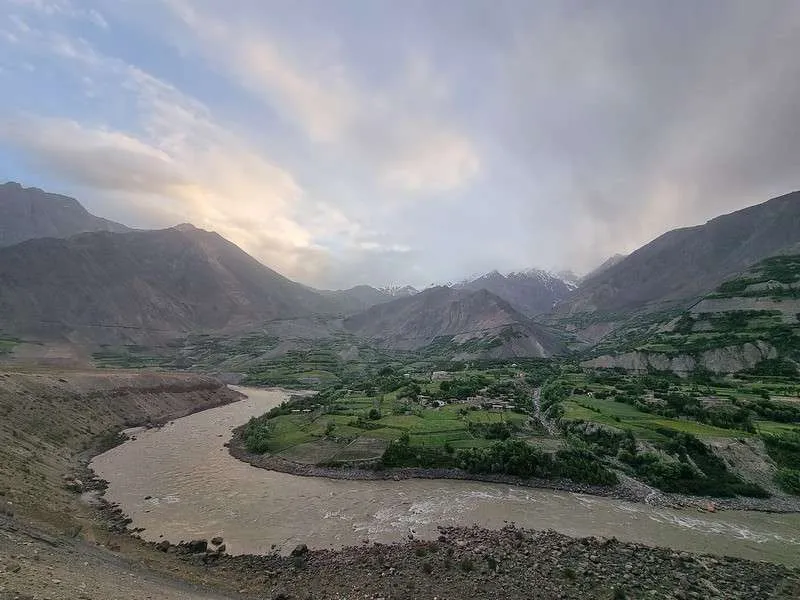
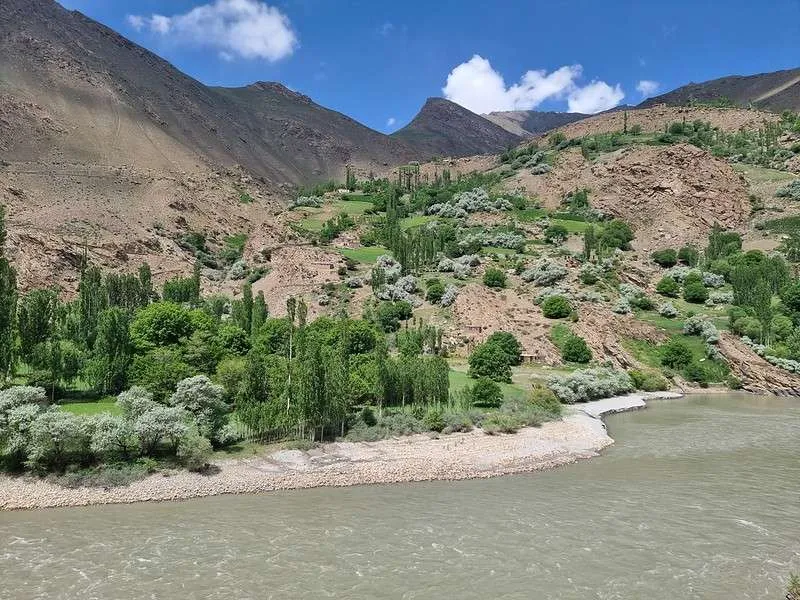
The heat was relentless, signaling the oncoming rain. After a quick roadside lunch in a small town, we set off toward the mountains, where the Pamir truly begins. We could feel the atmosphere changing – the air grew fresher, the surroundings more wild, and soon, we were driving along roads that hugged the mountainside. To our left, towering cliffs; to our right, the Panj River, marking the border with Afghanistan. We could already see small Afghan villages clinging to the hillsides across the river, people going about their day as if unaware of the vast, rugged mountains that dwarfed them.
Our first military checkpoint was a reality check – no longer were we tourists, we were travelers in a land with its own rules. We handed over our passports, packed into a tiny room with other travelers and soldiers, waiting for the green light to continue.
By the time we arrived in Kala-i-Khum, it was late afternoon, and the rain had caught up with us. Nestled by the river, the town had a peaceful, remote charm, with the sound of rushing water creating the perfect backdrop. The hospitality of the local people was immediate; they smiled, waved, and even stopped to chat, despite the language barriers. We ended our first day with a hearty meal, the sound of the river lulling us into a well-deserved sleep.
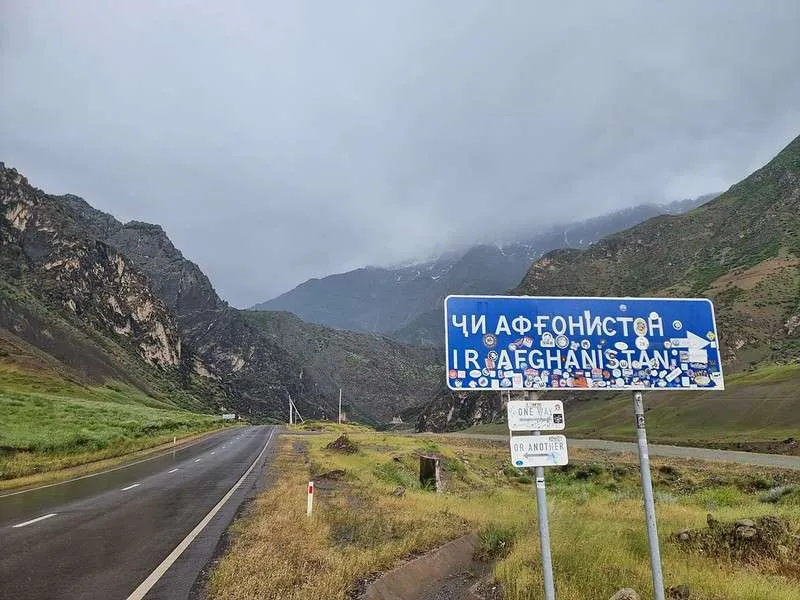
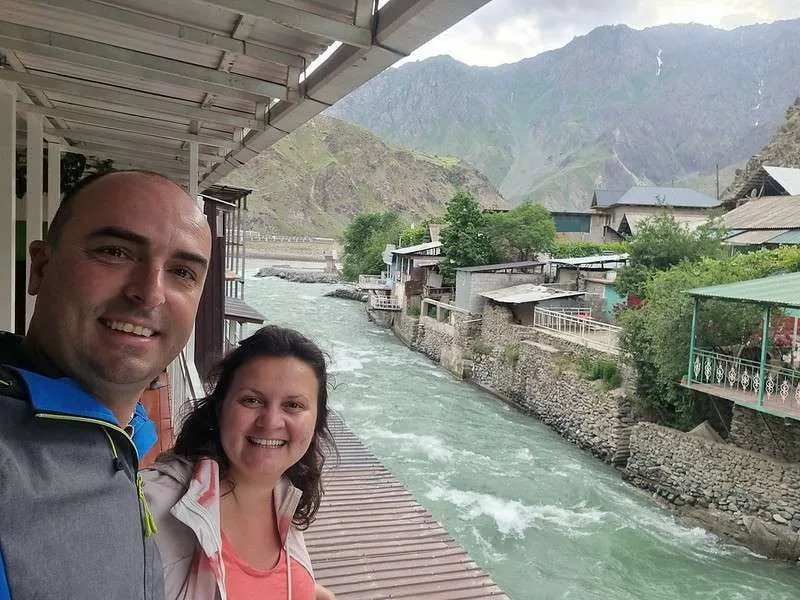
Day 2: A day of detours, delays, and discovering Pamir’s rugged beauty
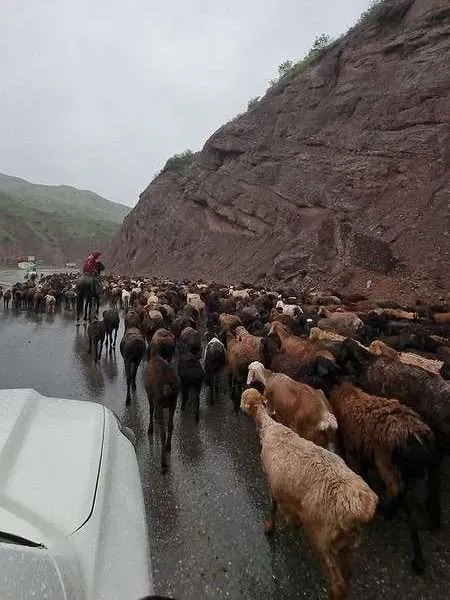
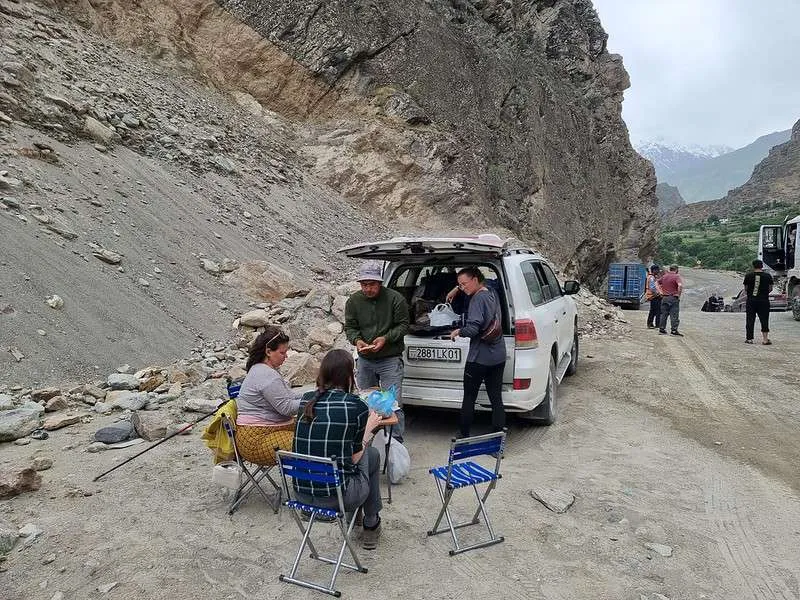
The second day began with the aim of an early start, as we had a long stretch to cover between Kala-i-Khum and Khorog. The plan was to leave by 6:30 AM to avoid road closures due to ongoing repairs. However, as with all great adventures, things didn’t quite go according to plan. After barely an hour on the road, we hit our first closure – dynamite blasting to clear parts of the road blocked by rocks. The Chinese construction teams were hard at work, making this remote section of the world more accessible.
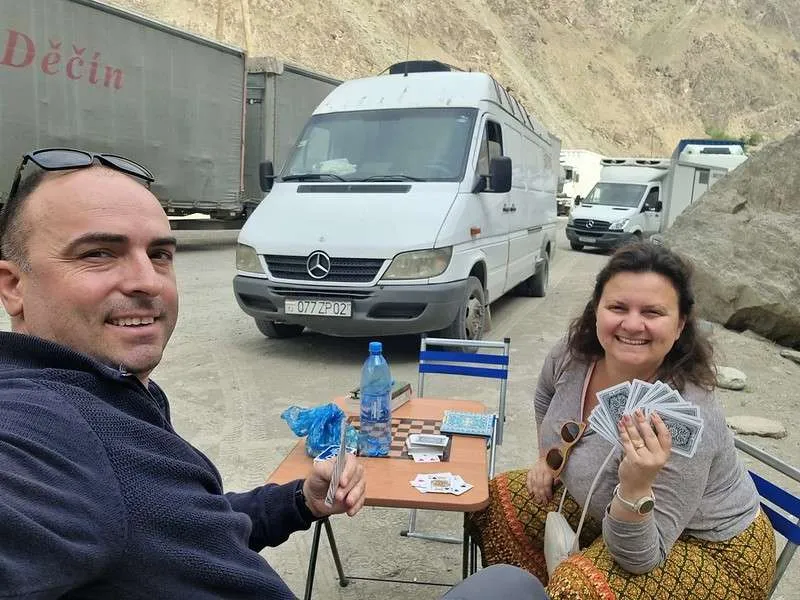
We spent ten hours that day waiting at various roadblocks. But instead of getting frustrated, we made the best of it. Our group quickly adapted to the slow pace of travel. We set up little picnics, played cards, and read books. The camaraderie was infectious – by midday, we had befriended other travelers stuck on the road, turning the delay into a festival of sorts. Locals, truck drivers, cyclists, and motorbikers all joined in. It was Pamir at its finest – a random collection of people, all brought together by the unpredictable nature of the road.
By the time we reached Khorog, it was well into the night. Our hosts had prepared a lovely meal, but we were too exhausted to fully enjoy it. All we wanted was sleep. And we knew we needed it, for the next day was bound to bring more challenges.
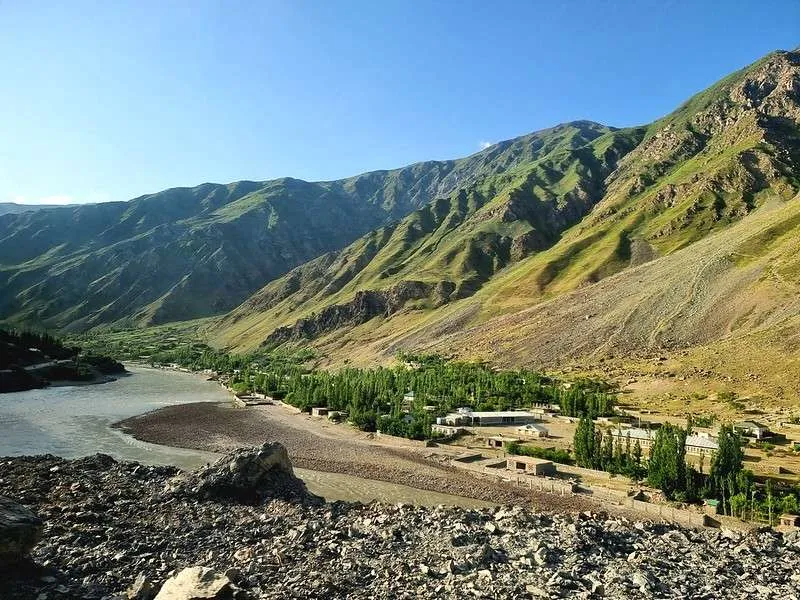
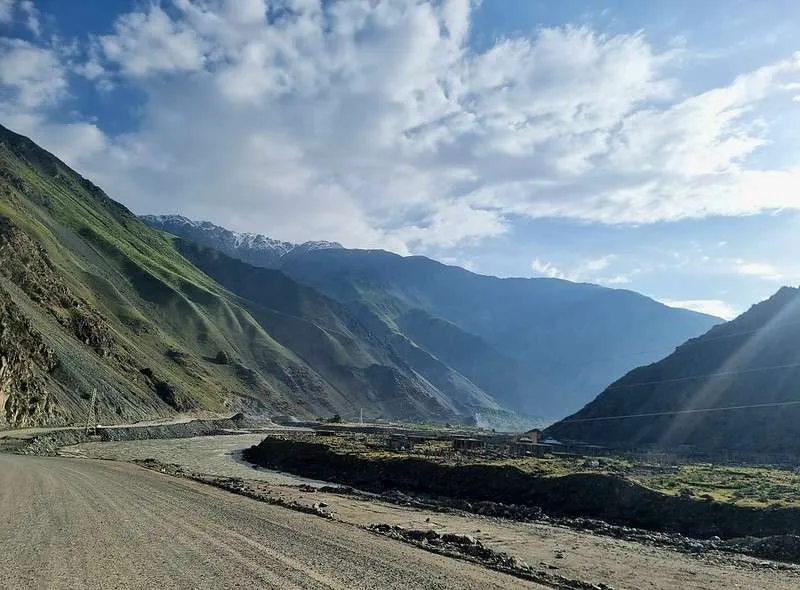
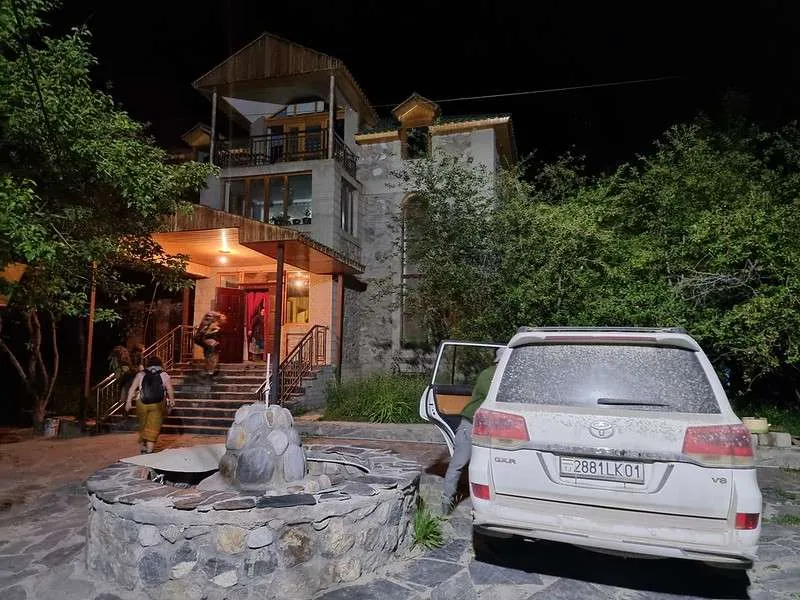
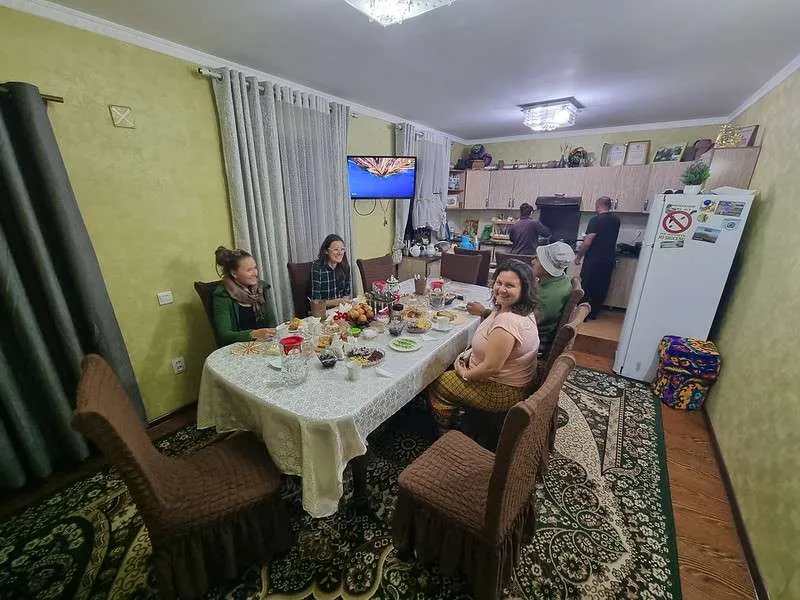
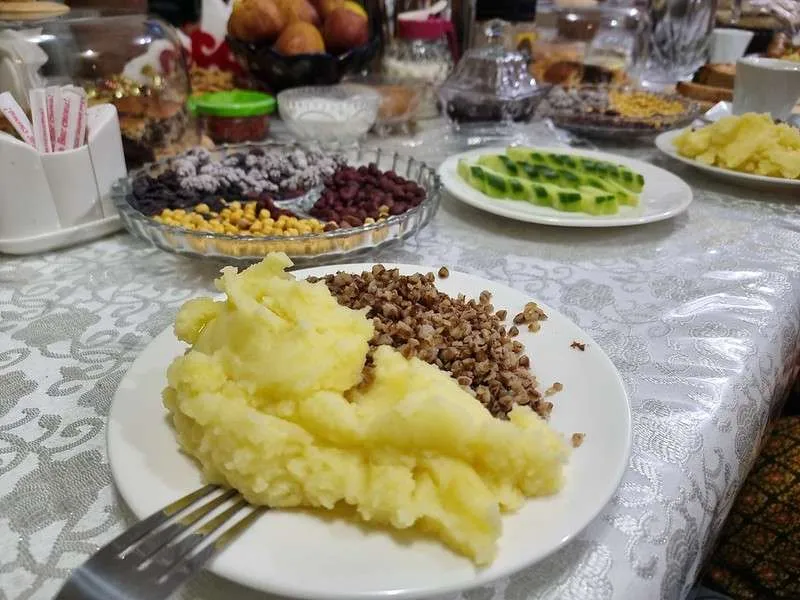
Day 3: Into the heart of the Pamirs – from Khorog to Langar
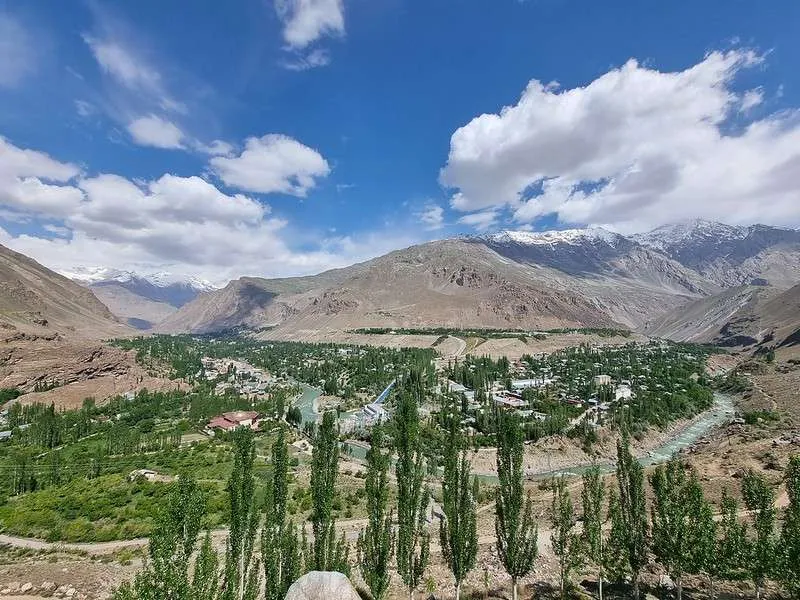
Day 3 began with a visit to the Khorog Botanical Garden, a lush oasis perched high above the city with breathtaking views of the rivers and surrounding mountains. The garden was a welcome respite from the dust and chaos of the road. As we wandered through the shaded paths, we marveled at how the beauty of the Pamirs was as much about contrast as it was about the sheer grandeur. One moment, we were surrounded by vibrant flowers and trees, and the next, we were back on the rugged highway, with nothing but rocks and sand as far as the eye could see.
Today, we veered off the main highway, taking a more scenic route along the river. Our guide pointed out small Afghan villages across the riverbank, and we even spotted nomads herding yaks and camels. The landscape became more dramatic with every kilometer – the peaks grew taller, and the valleys deeper.
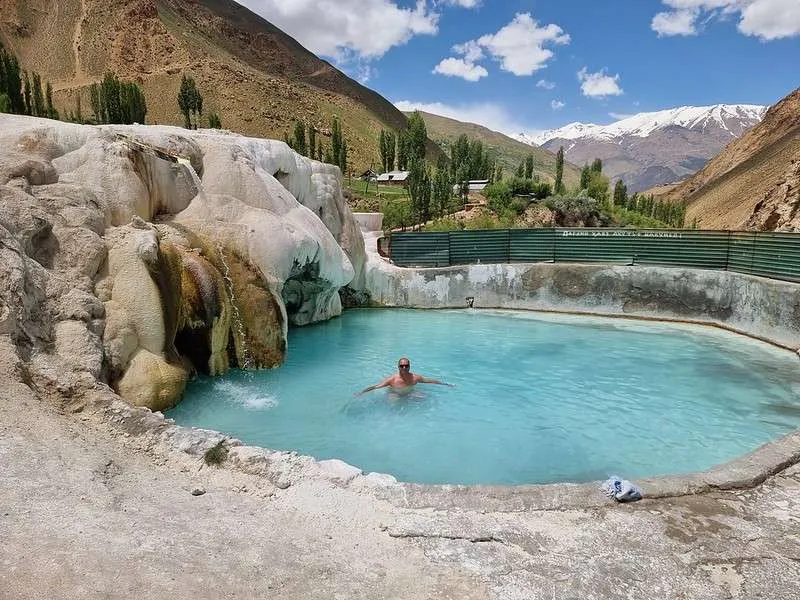
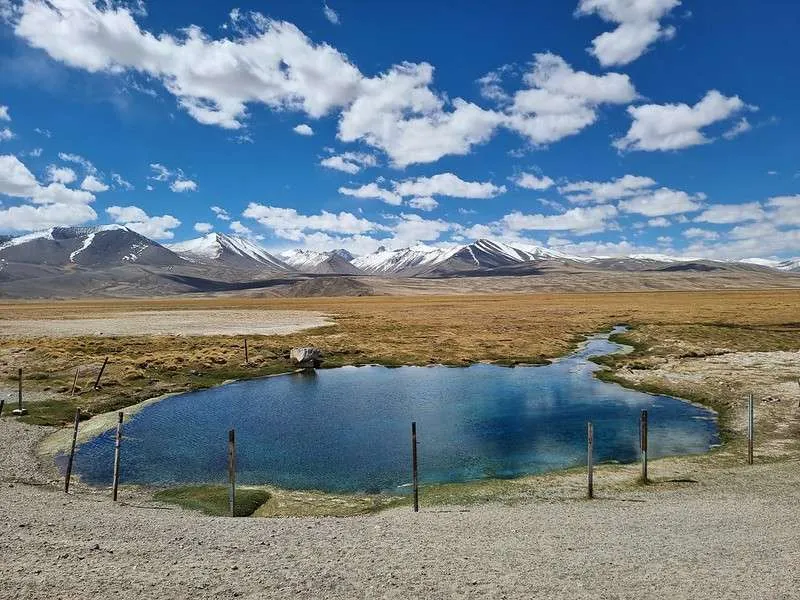
We stopped at a small hot spring for a much-needed break. These mineral-rich waters were divided into men’s and women’s sections, allowing for a brief moment of relaxation. The warm water soothed our tired muscles, and the views – jagged peaks and fast-flowing rivers – reminded us of how far we had come.
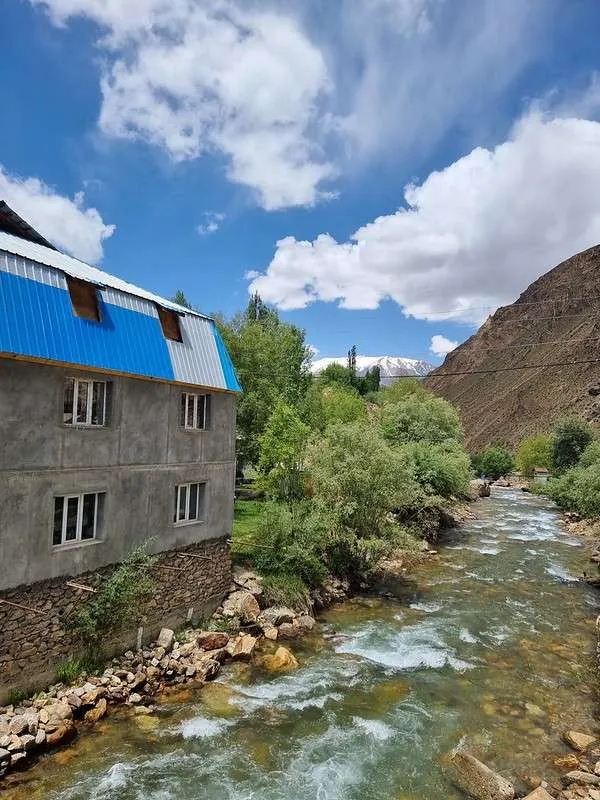
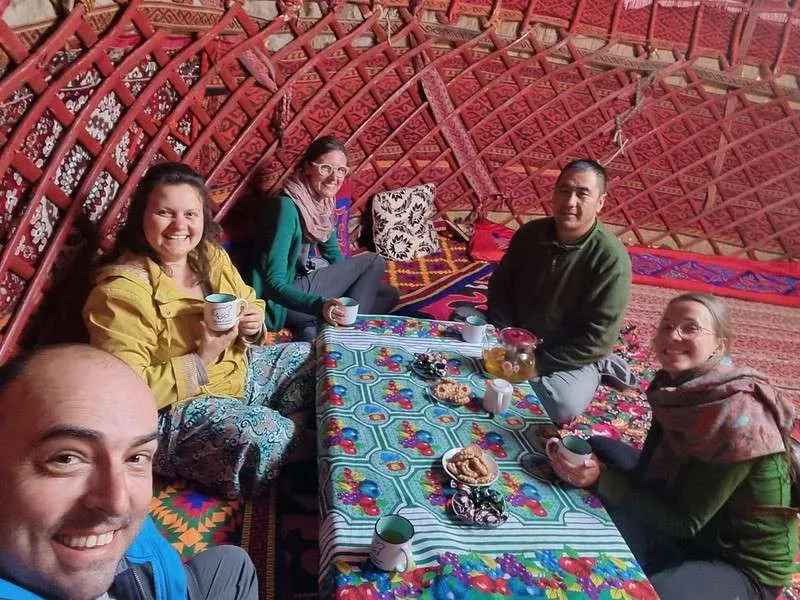
We ended the day in the village of Langar, nestled at the base of towering mountains. After another delicious meal and stories around the table with fellow travelers, we retired to bed, ready for whatever the next day would bring.
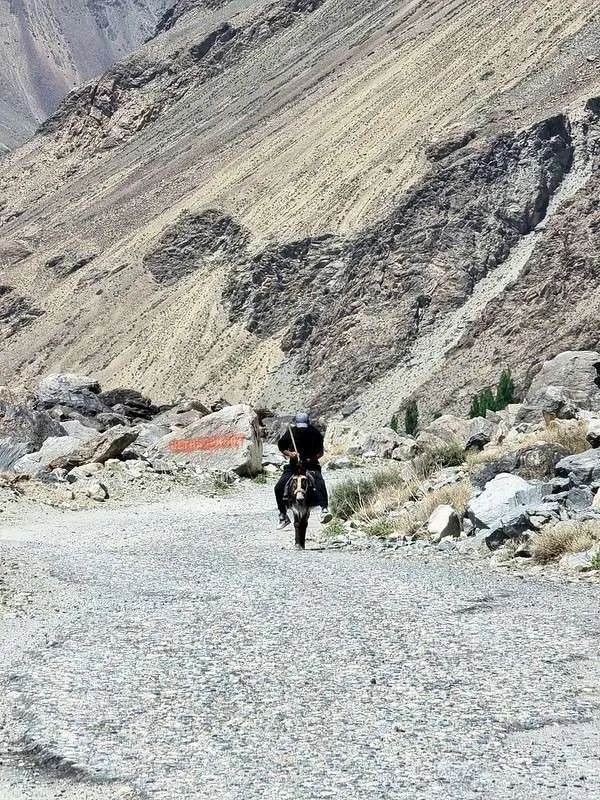
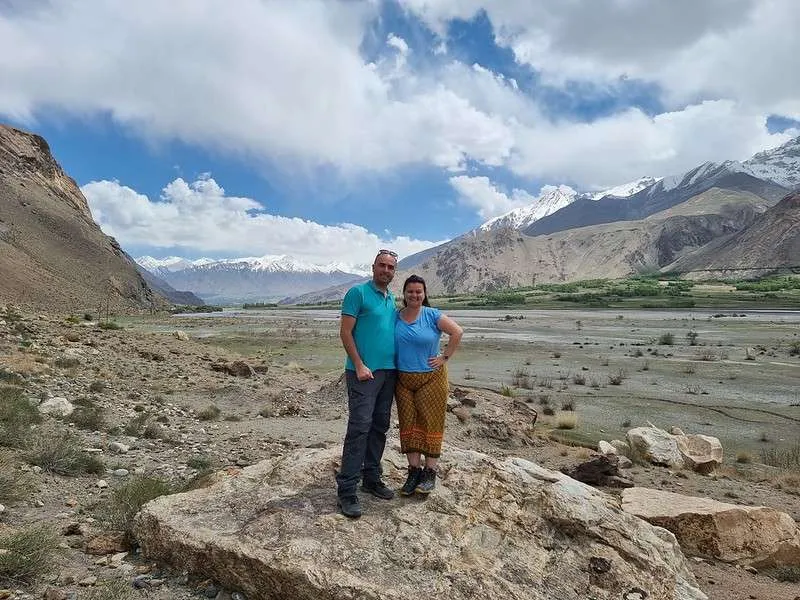
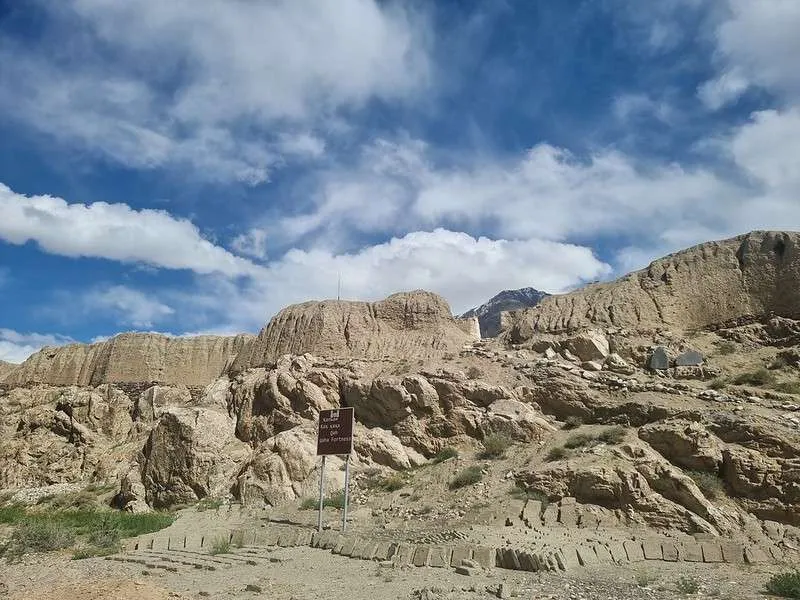
Day 4: Reaching new heights in the Wakhan Valley
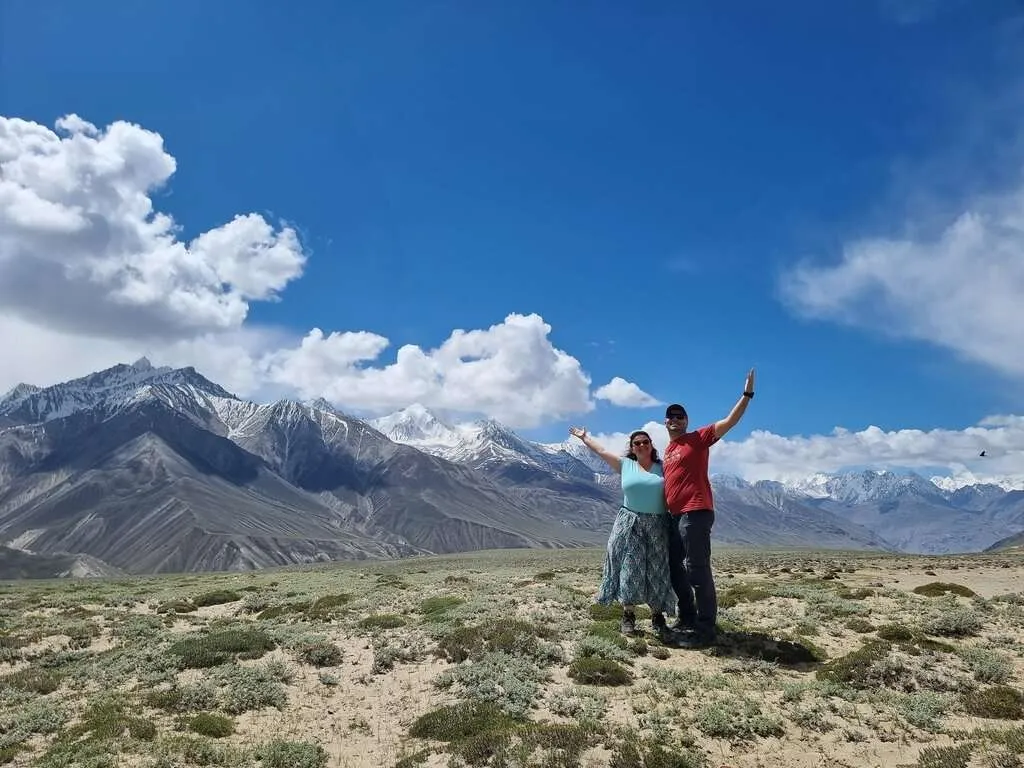
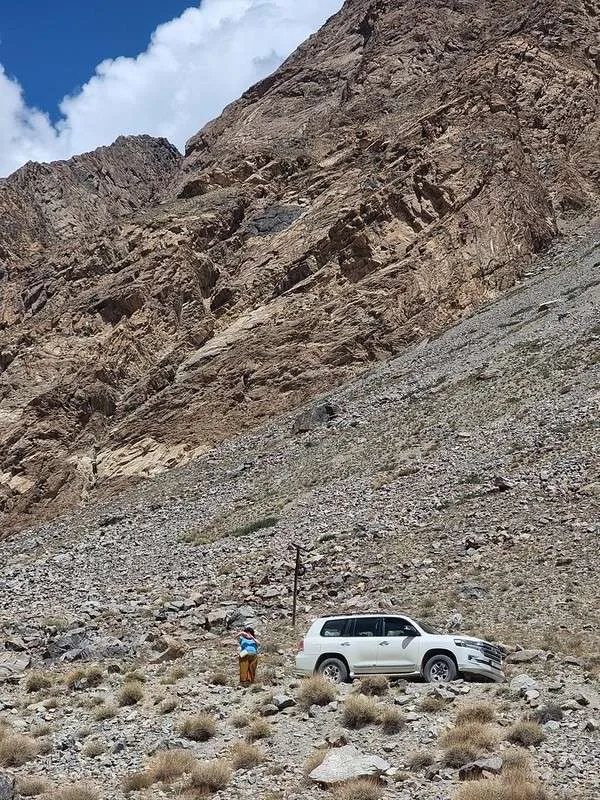
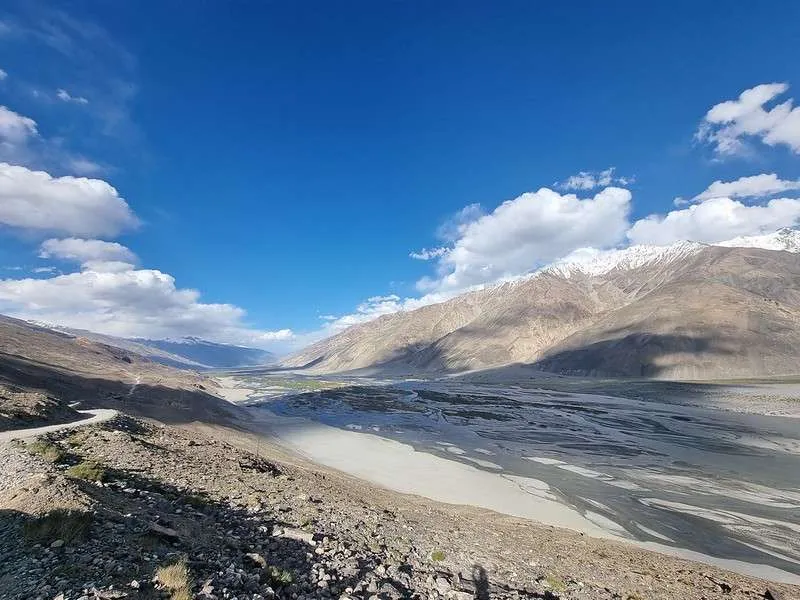
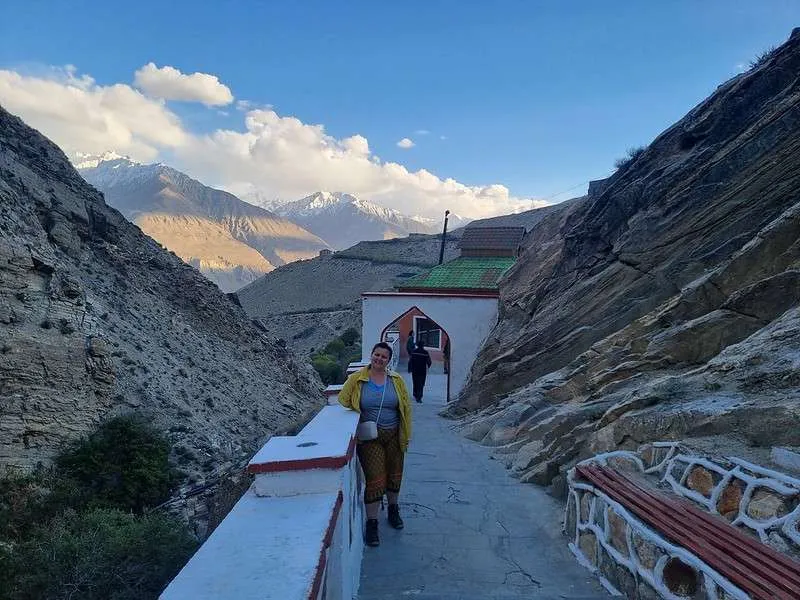
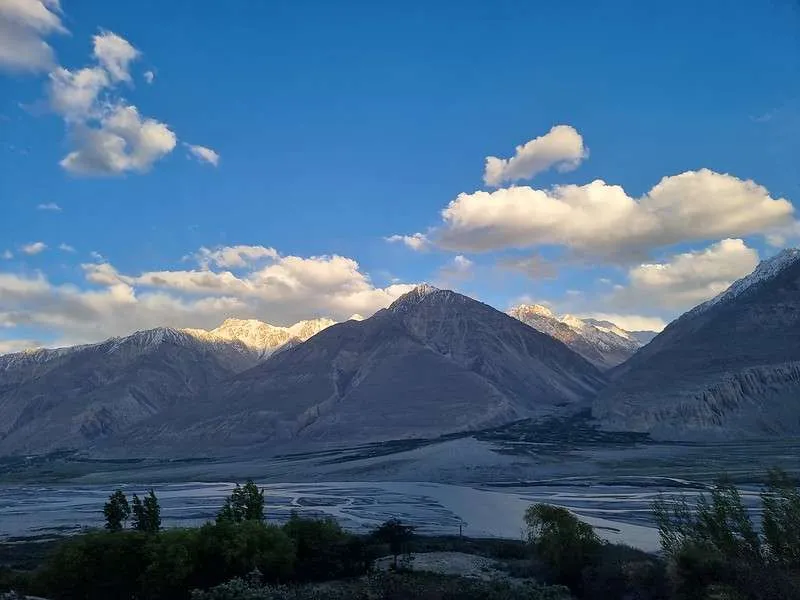
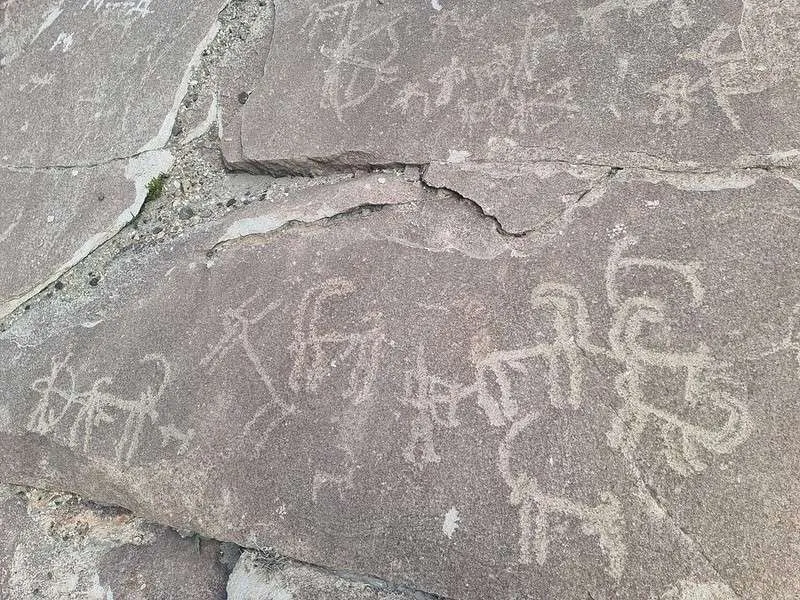
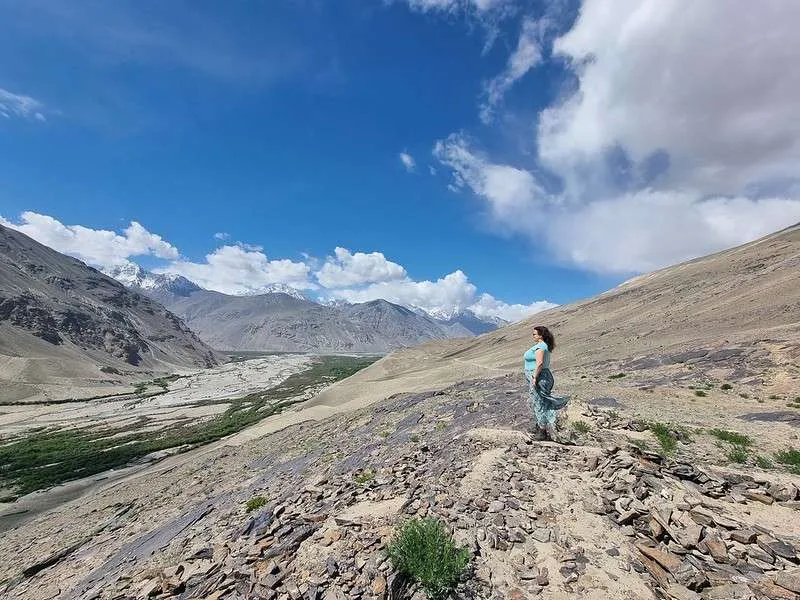
Day 4 was when we truly felt like we were on top of the world. The snow-capped peaks in the distance were no longer distant – they were right in front of us. As we continued deeper into the Pamirs, we visited ancient petroglyphs, climbed sand dunes, and witnessed the incredible beauty of the Wakhan Valley.
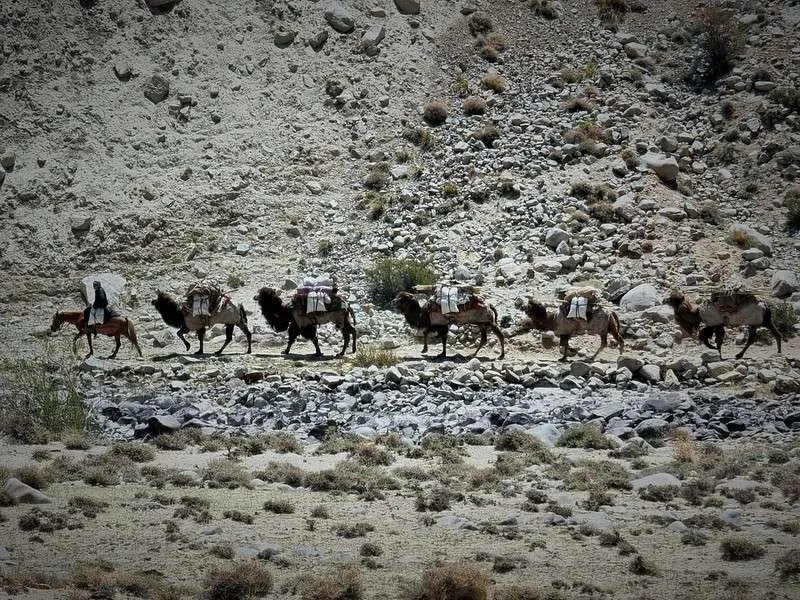
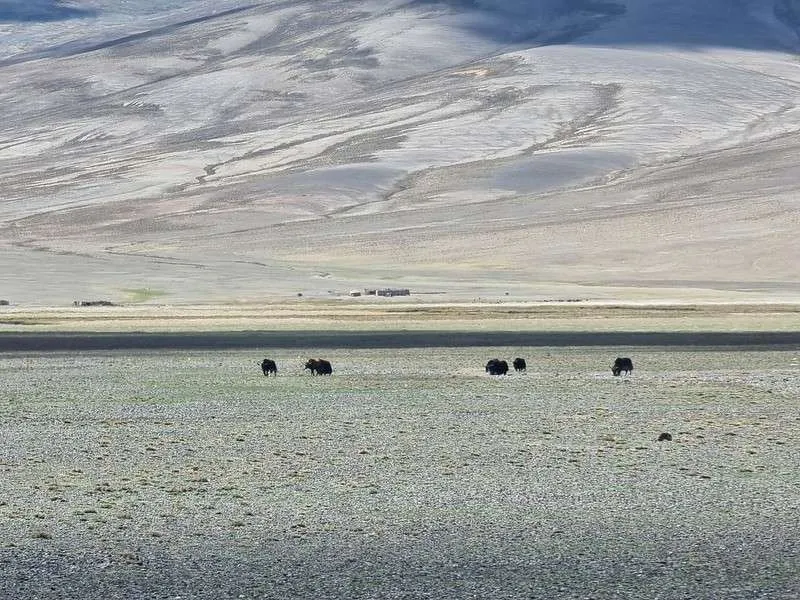
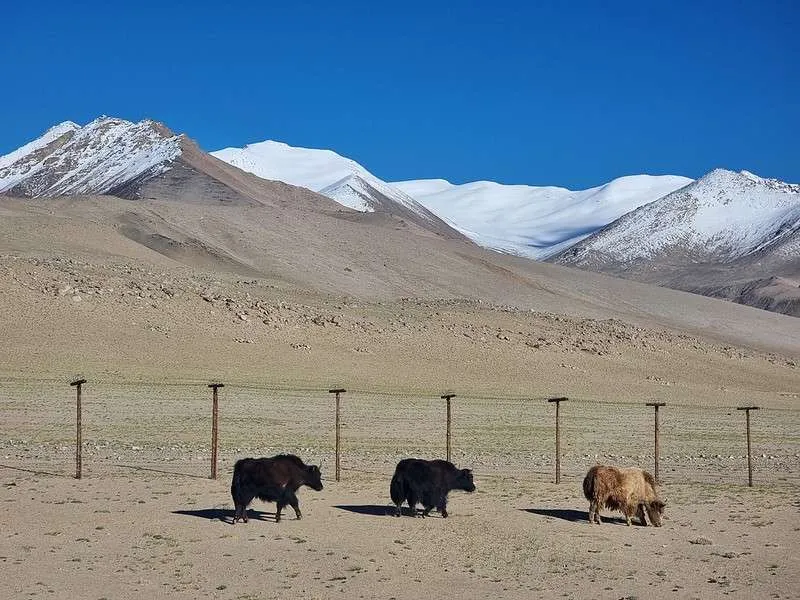
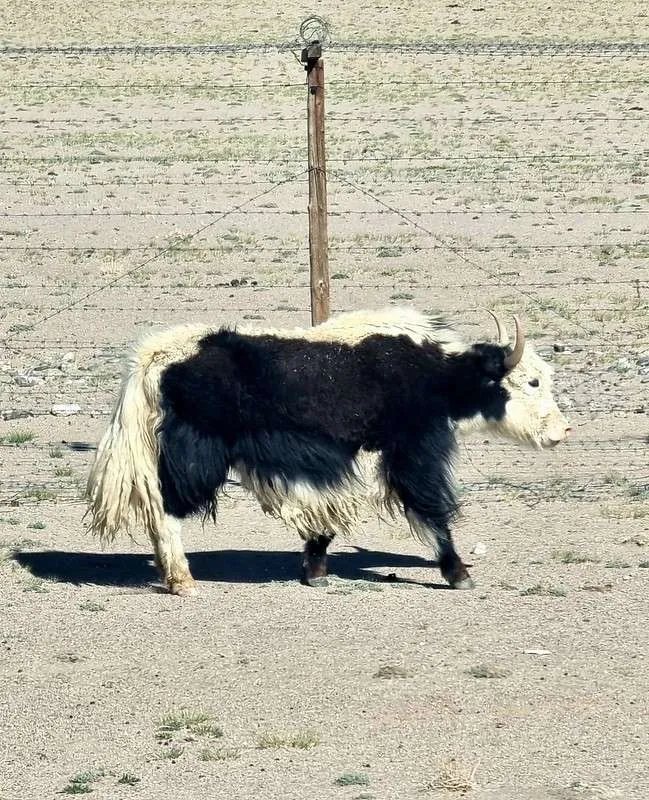
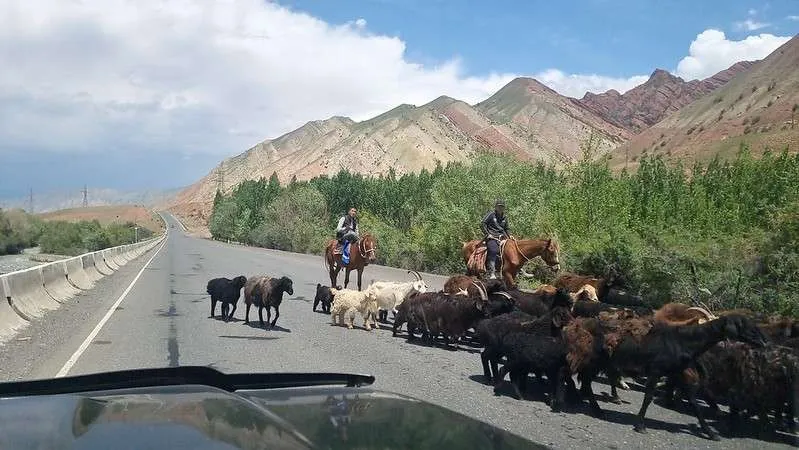
At times, the wind was so strong we wondered if we’d be blown off the mountain, but that didn’t stop us from stopping for photos and admiring the scenery. We followed meandering rivers and saw yak herds roaming freely in the vast landscape. The Pamirs felt both like a desert and a mountain paradise all at once. We even spotted a real caravan with more than 10 camels. Seeing that this is still a lifestyle and a way to exist in places like this, it made us appreciate the hard life nomads have in these lands. We even waved to the leader of the caravan in the distance; he waved us back!
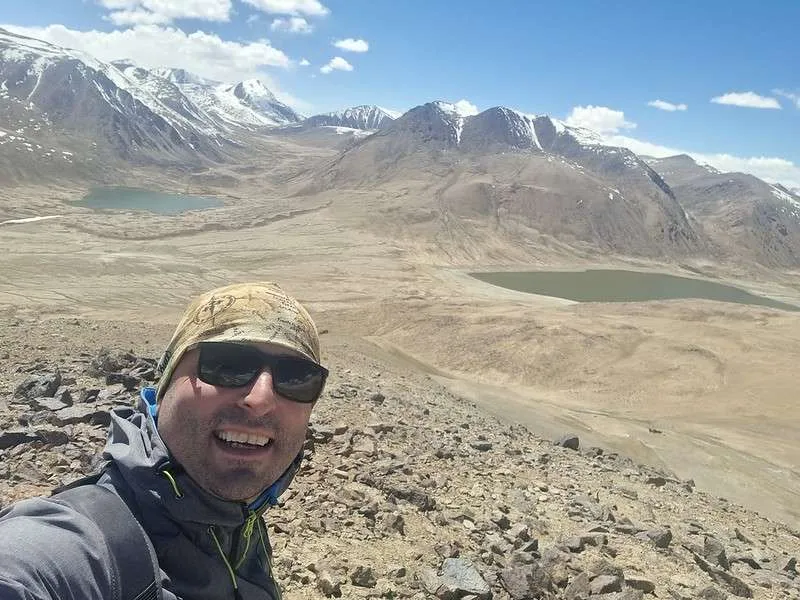
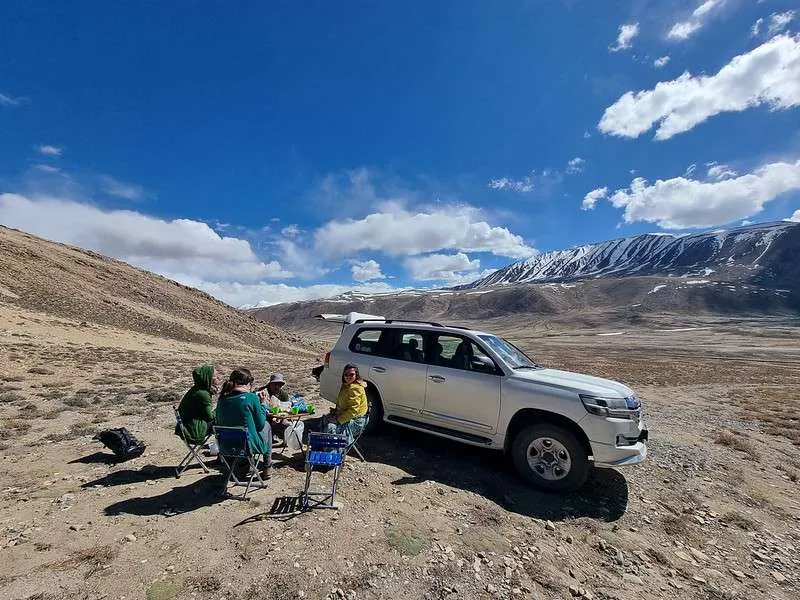
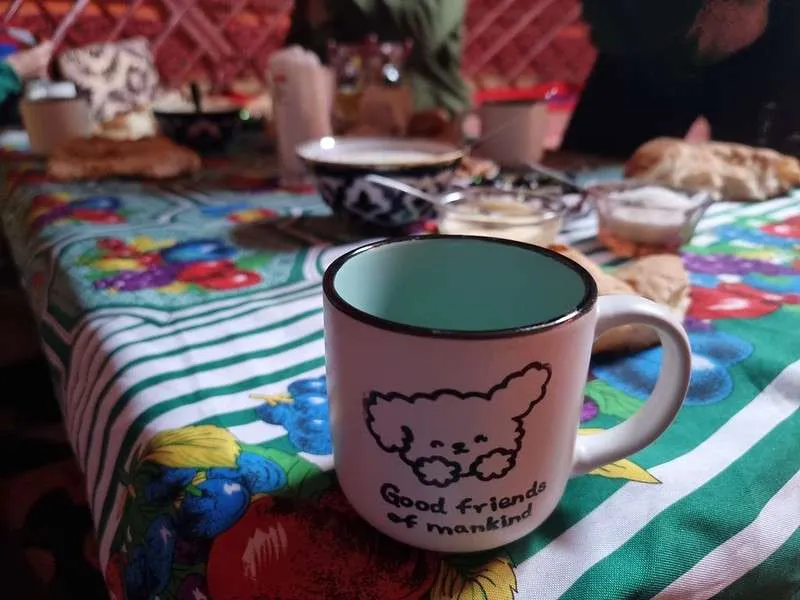
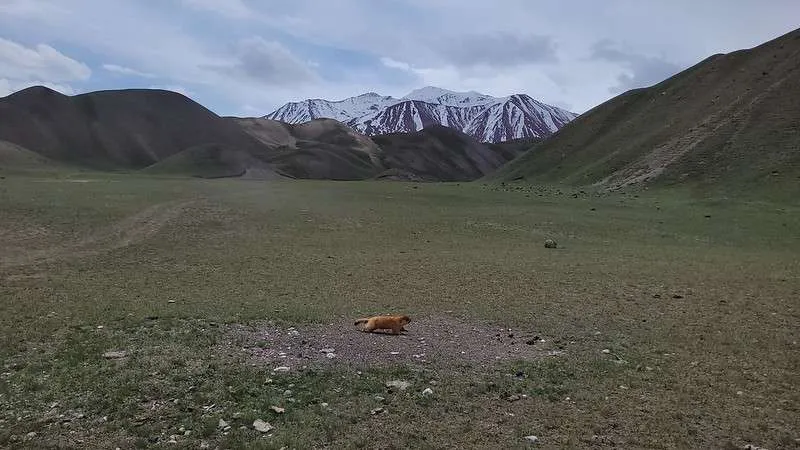
We reached the Khargush Pass, standing at over 4,200 meters, where the thin air made even walking a challenge. While some of the group set off on a short trek to a nearby peak (4,700 meters high) overlooking the nearby glacial lakes, the rest of us stayed behind, sipping on green tea and watching marmots dart in and out of their burrows.
By the time we arrived at our guesthouse in Alichur for the night, we were at nearly 3,900 meters. The altitude was starting to take its toll, but the warmth of the guesthouse and the kindness of our hosts helped us settle in. It was a hard day, but one filled with moments we’ll never forget.
Day 5: The highs and lows of altitude – Murgab and beyond
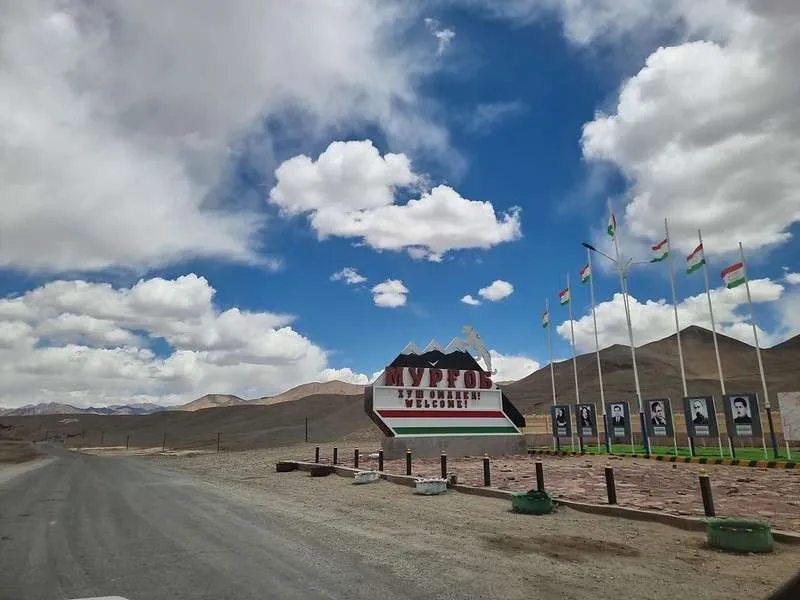
Waking up in Alichur was not easy. After a night at such high altitude, none of us felt particularly refreshed. The original plan was to climb even higher, but we decided to take a break in Murgab, the highest town in Tajikistan, to let our bodies adjust.
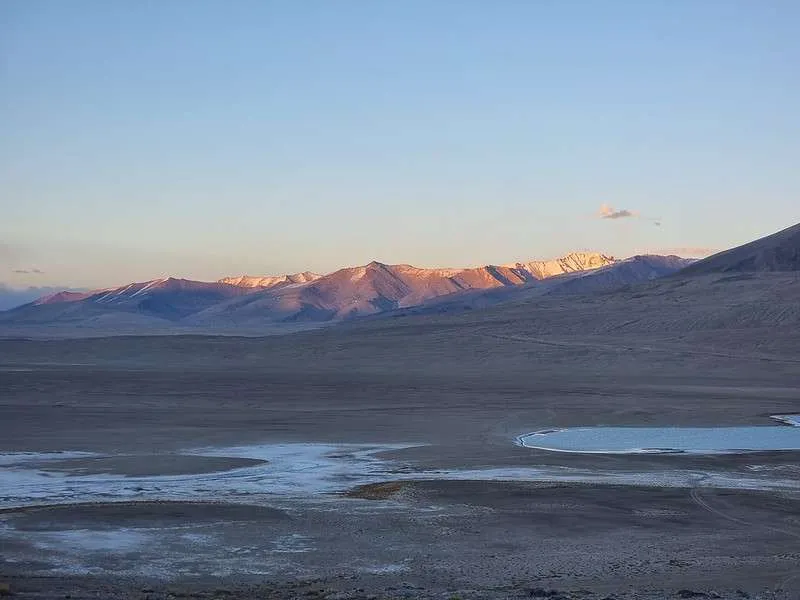
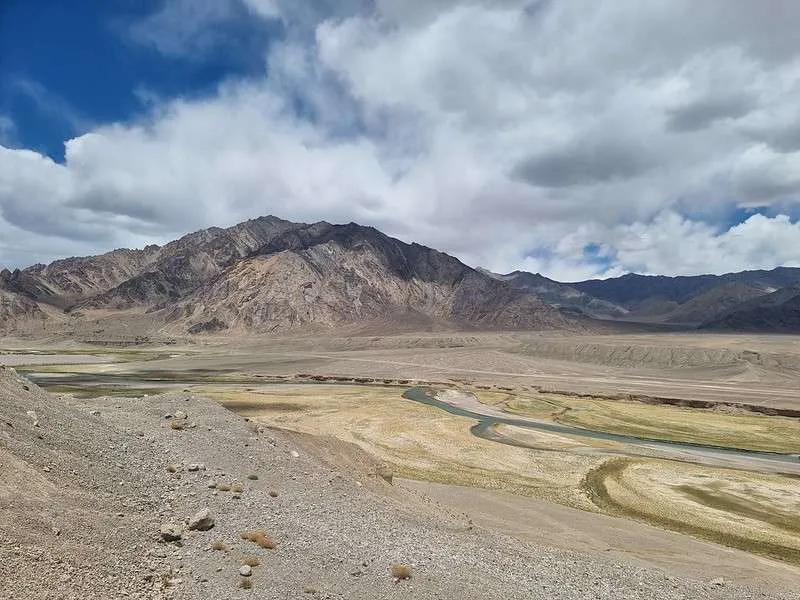
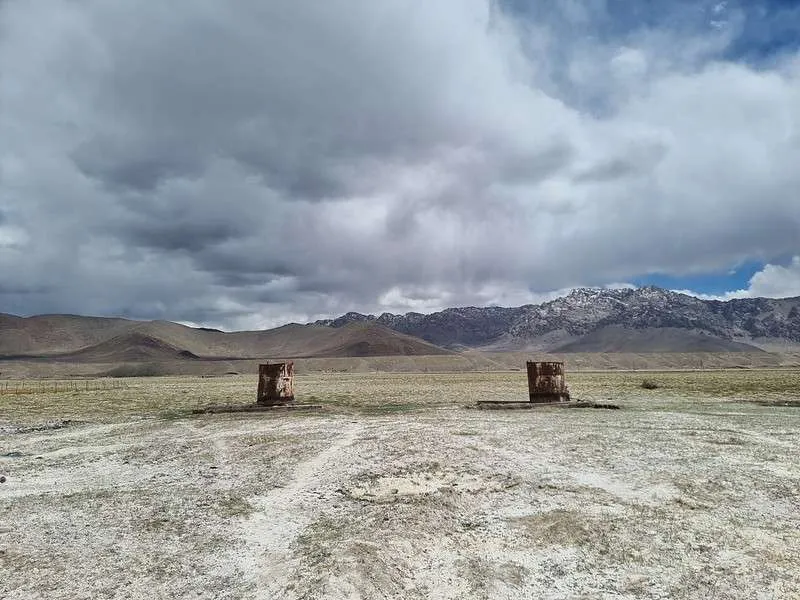
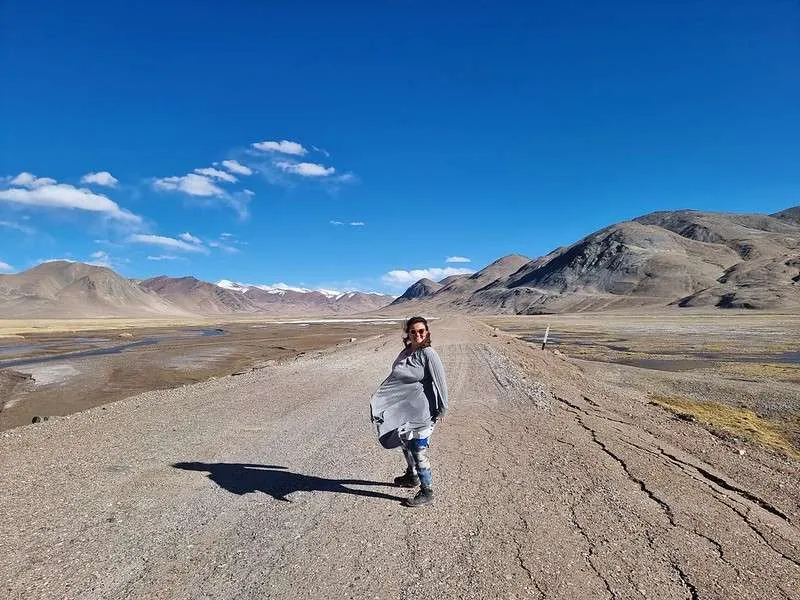
The journey to Murgab was surreal. Jagged mountain peaks stretched as far as we could see, with patches of snow still clinging to their summits. Every bend in the road revealed something new – from emerald green rivers to desert-like plains. Along the way, we saw marmots playing in the rocks and passed a crystal-clear lake that Nur-Bek described as a “sanatorium for fish.”
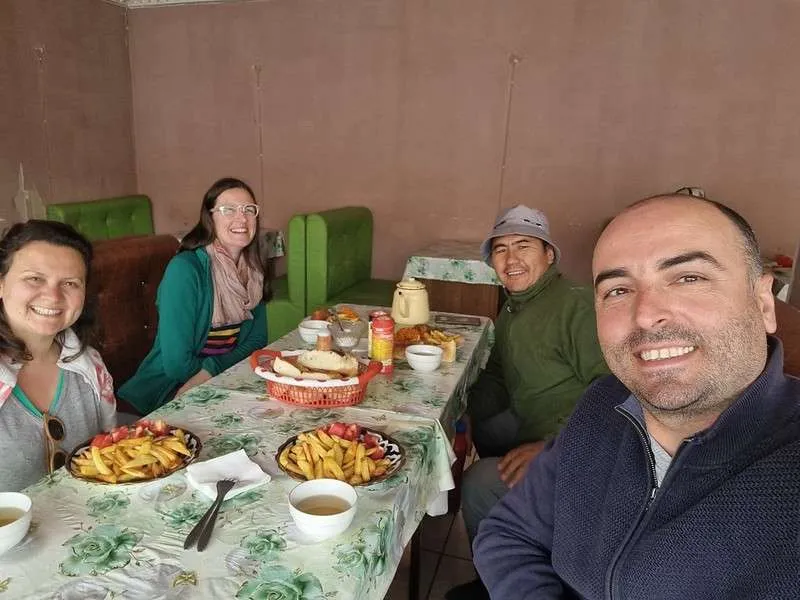
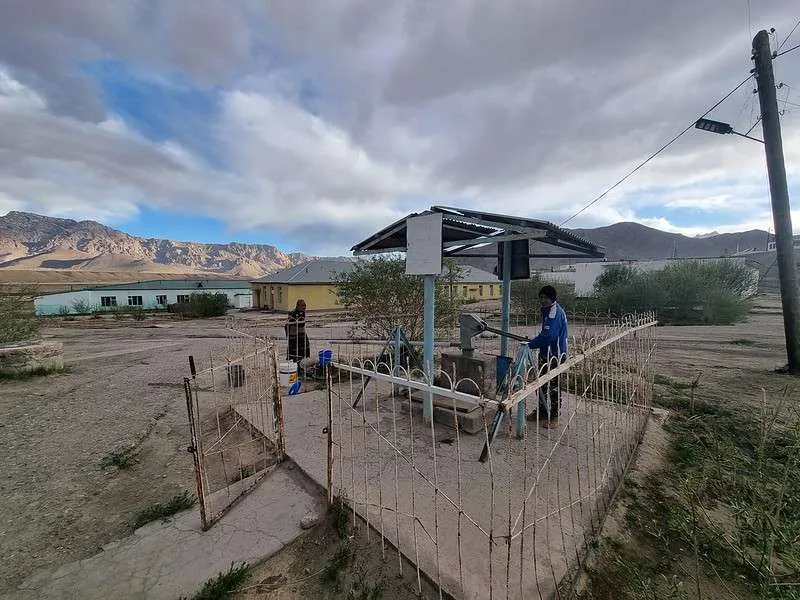
In Murgab, we stopped for a medical check-up for one of our fellow travelers, who was struggling with altitude sickness. The local doctors were incredibly kind, providing oxygen and reassuring us that things would improve as we descended the next day.
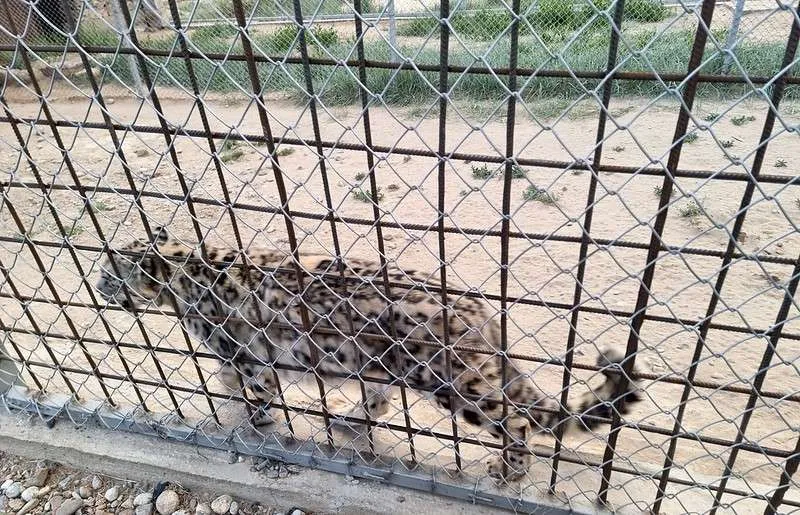
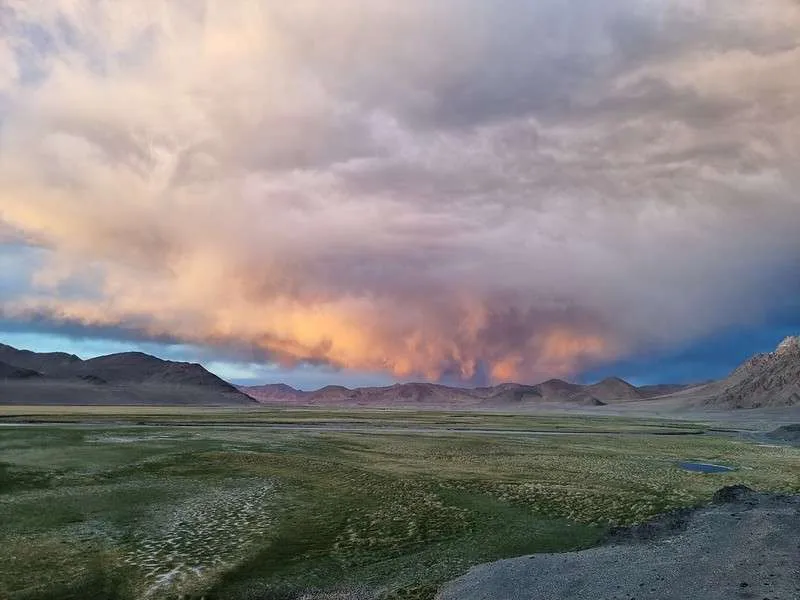
That afternoon, we visited the Snow Leopard Sanctuary, where we met Gesha, a four-year-old snow leopard who had been rescued and raised there. Watching this majestic animal pace back and forth in its enclosure was a sobering reminder of the fragility of life in the Pamirs. As the sun set, painting the mountains in shades of purple and pink, we knew that tomorrow’s journey would bring even more breathtaking moments.

Day 6: The highest point on the Pamir Highway and crossing into Kyrgyzstan
Day 6 was supposed to start early, but the day had other plans. One of our travel companions was still feeling unwell, and we spent several hours trying to stabilize her condition. Eventually, by mid-afternoon, she was well enough for us to hit the road again.
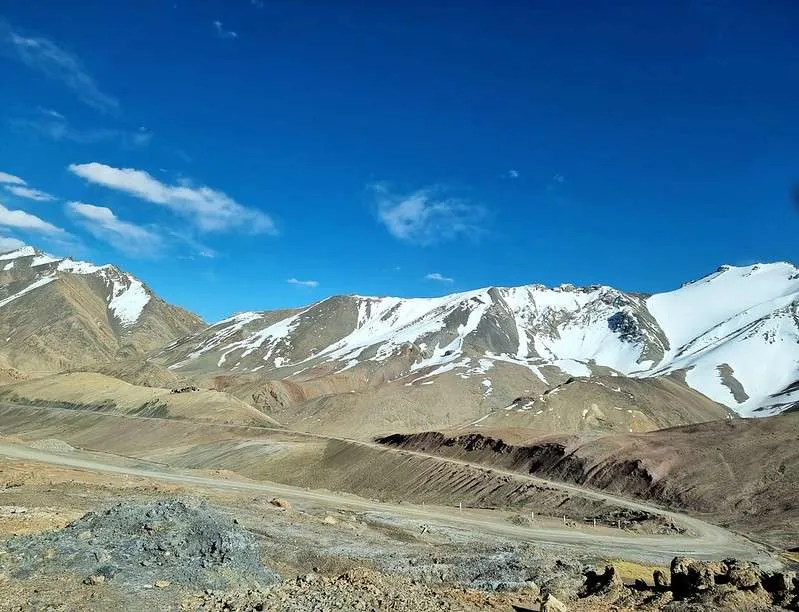
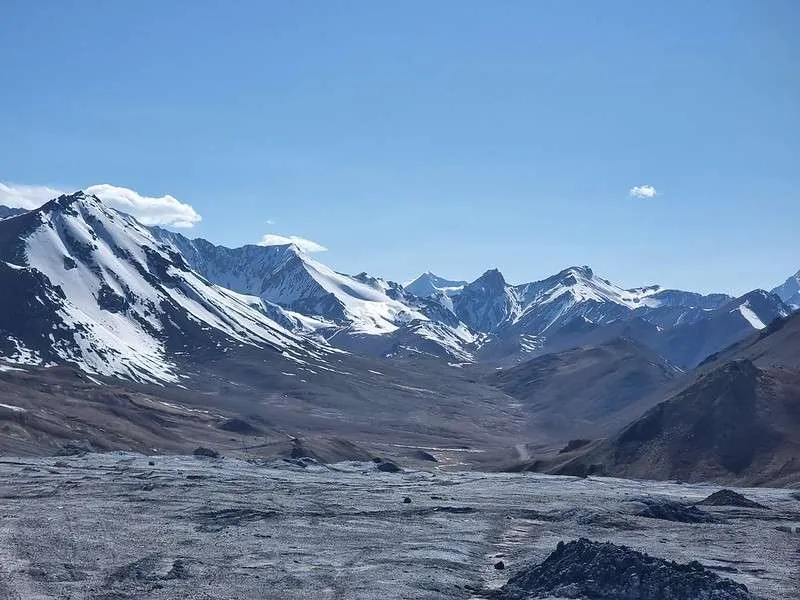
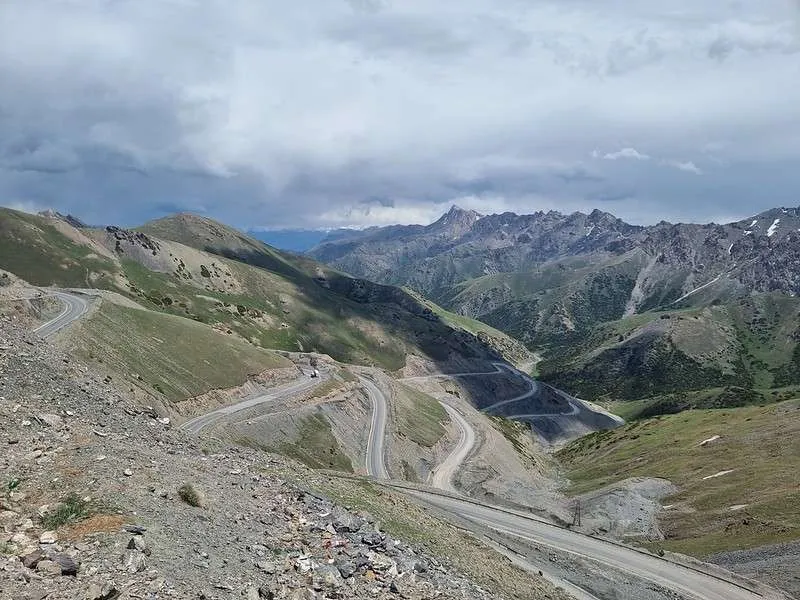
As we ascended towards the Ak-Baital (renamed to Hushang) Pass, the highest point on the Pamir Highway at 4,655 meters, the views were nothing short of otherworldly. Snow-covered peaks, frozen lakes, and wide-open plains made us feel like we had left Earth behind and stepped onto a different planet. The thin air made every step a challenge, but the sheer beauty of the landscape kept us getting off the car and going for at least a few steps.
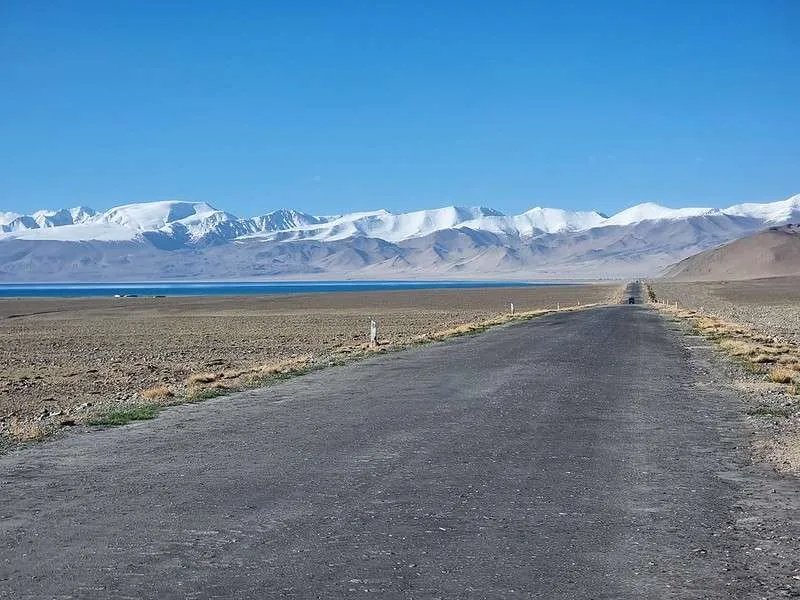
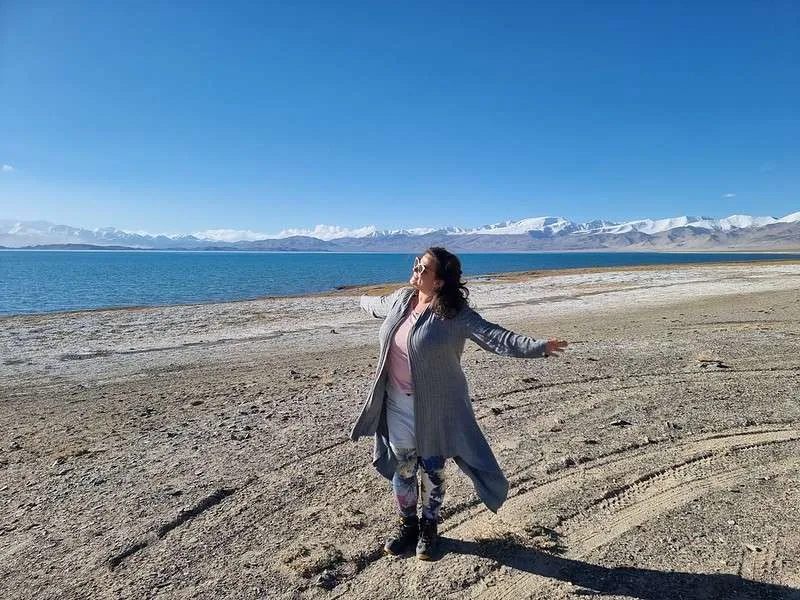
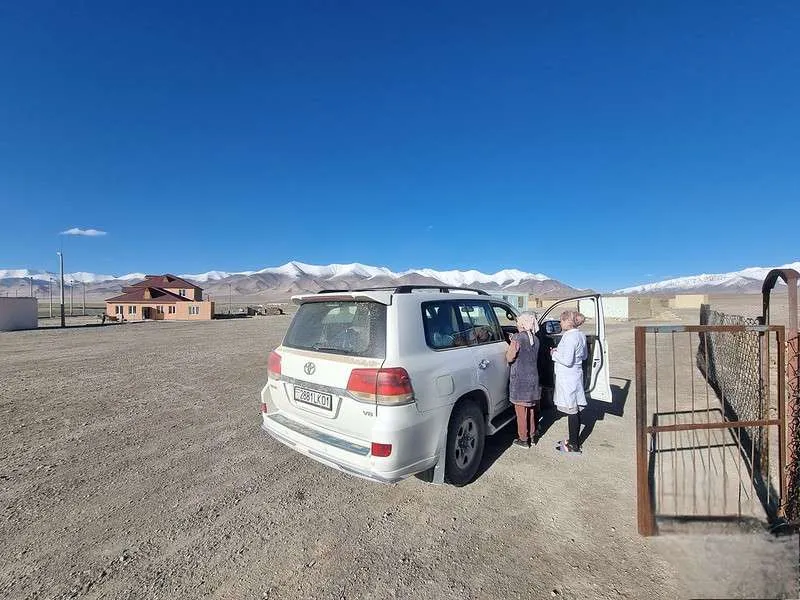
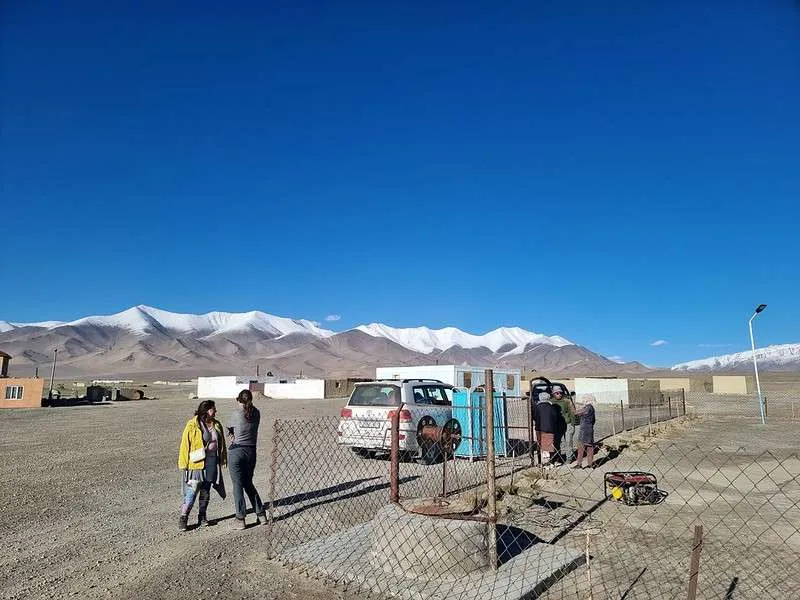
Our last stop was near Lake Karakul, at 4,000 meters, where the harsh but bright sun, sparkling waters, and kind women at the medical post sent us off to continue our descent towards Kyrgyzstan.
By the time we reached the Tajik-Kyrgyz border, the sun was starting to set. We were exhausted but exhilarated. A soldier accompanied us to the end of the Tajik part, then we changed jeeps, said goodbye to Nur-Bek, met our Kyrgyz guide, another soldier came to accompany us a few kilometers of non-existent road to the border crossing. A hundred checks, waiting (and we were the only car crossing so late), fatigue and cold. And all these complications because of a conflict between Tajikistan and Kyrgyzstan, which started due to a dispute over water. The crossing into Kyrgyzstan ended in triumph, and when we descended into the valley, the last colors of the sunset and the numerous stars made the rugged landscape glow with an ethereal light.
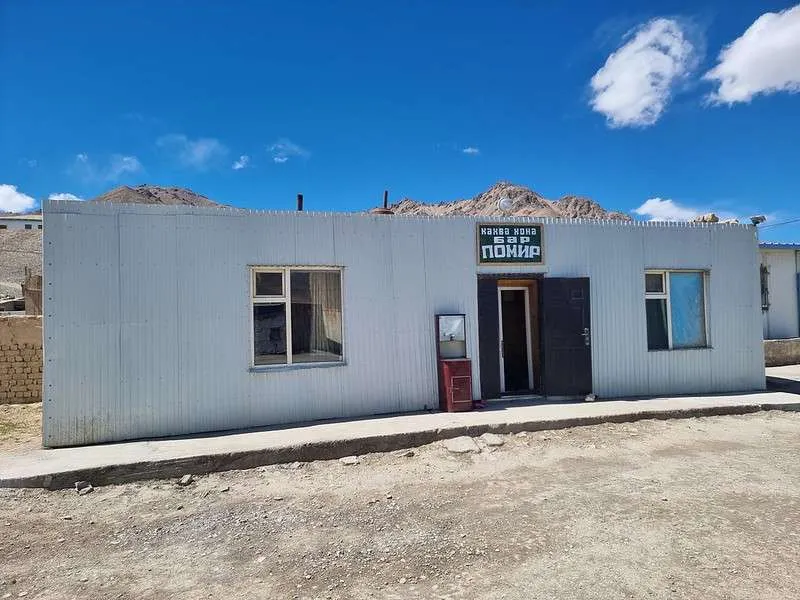
We arrived late in the village of Sary-Tash, we jumped to the medical post, then we left for Sary Mogul, where we were greeted with warm tea and a cozy place to rest after one of the most physically challenging days of the trip.

Day 7: The final stretch – from Sary Mogul to Osh
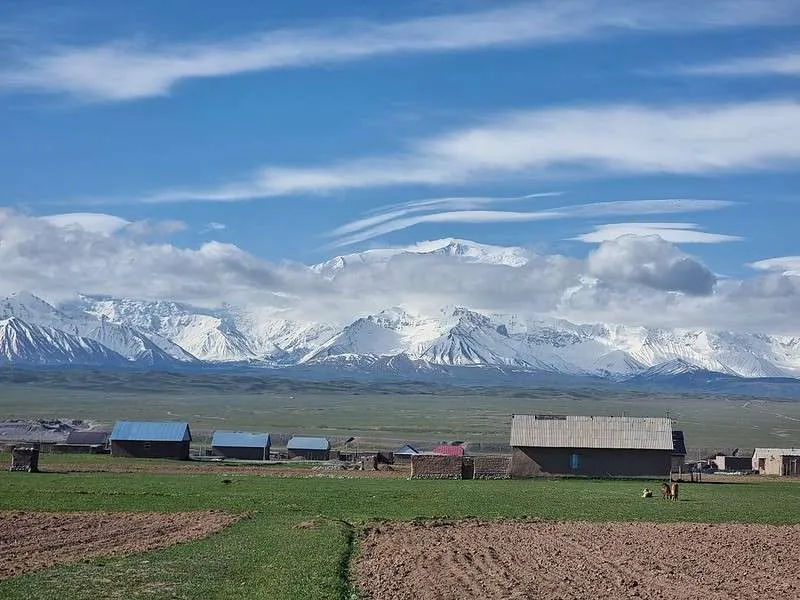
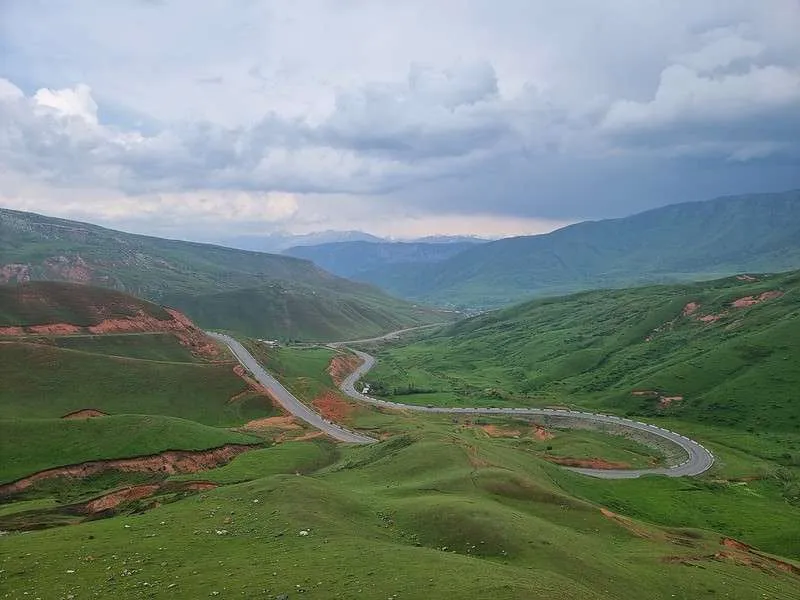
Our final day on the Pamir Highway began with an early breakfast, overlooking the jagged, snow-covered peaks of Kyrgyzstan. The scenery here was dramatically different from what we had experienced in Tajikistan – greener, more pastoral, but still wild and untamed.
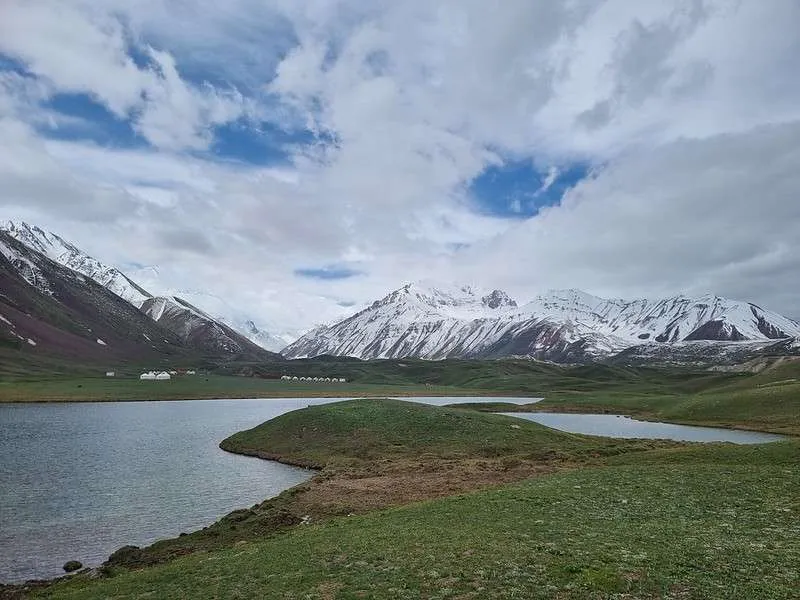
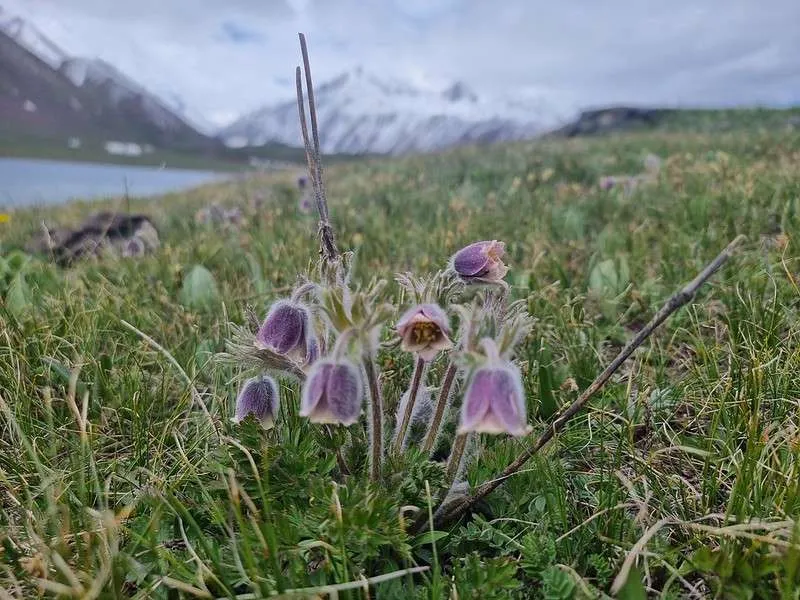
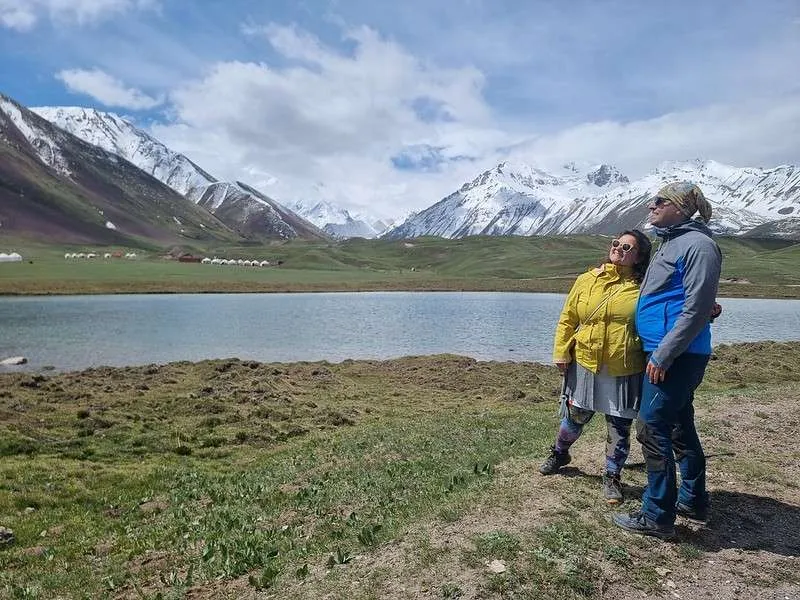
We stopped at Lake Tulpar-Kol, a stunning high-altitude lake, from where many hiking trails start, even the one to the base camp of Lenin Peak, which was occasionally visible through the clouds. We only had the strength for a leisurely walk in the area. The crystal clear waters of the lake reflected the high mountains around, creating a scene straight out of a painting. We spent some time walking along the shore, watching yaks and cows grazing and greeting the local nomads who had set up their yurts for the summer.
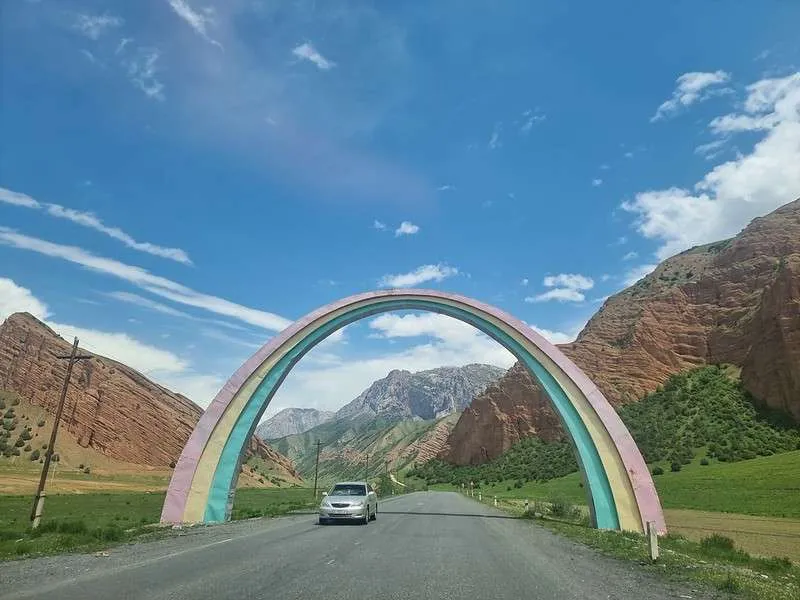
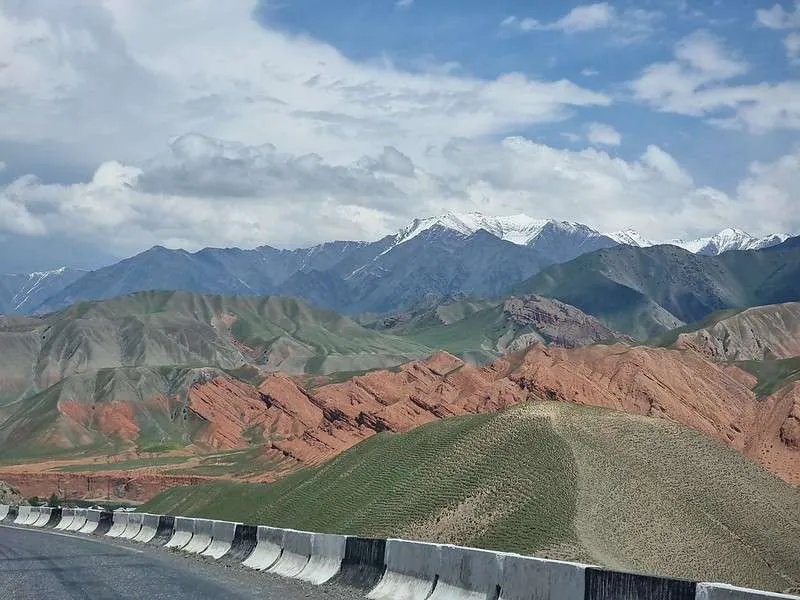
As we descended towards Osh, the landscape continued to change – the jagged peaks softened into rolling hills, and the barren plains gave way to fertile farmland. It was hard to believe that just a few hours earlier, we had been in the high-altitude wilderness of the Pamirs. Everything around us turned green, and at one point red, because we were entering the so-called Red Mountains.
Arriving in Osh was our returning to civilization. The bustling streets, the sound of car horns, and the sight of busy markets were a stark contrast to the peaceful isolation we had experienced for the past week. We checked into our guesthouse, tired but deeply satisfied. The Pamir Highway had challenged us in ways we hadn’t expected, but it had also given us memories that would last a lifetime.
Frequently asked questions about the Pamir Highway
How difficult is the Pamir Highway?
The Pamir Highway is not for the faint of heart. The roads are rough, the altitudes are high, and the weather can change unexpectedly. However, with proper preparation and a good guide, the journey is manageable for most adventure-seekers.
Do I need special permits for the Pamir Highway?
Yes, you’ll need a GBAO permit to travel in the Pamir region. This can usually be arranged through a tour operator or guide and is necessary for crossing certain checkpoints.
Is altitude sickness a problem on the Pamir Highway?
Altitude sickness is a very real concern. The Pamir Highway reaches altitudes of over 4,500 meters, and many travelers experience symptoms. It’s important to take it slow, stay hydrated, and consult a doctor before the trip about medication for altitude.
How much does it cost to travel the Pamir Highway?
The cost varies depending on whether you hire a guide, rent a car, or cycle. A guided trip with a driver can cost between $1,200–2,000 per car for a week-long journey, including fuel. It cost the two of us $852 with 4 companions in the car. For food, accommodation, and entrance fees to several attractions, we spent $387 for the two of us.
The Pamir Highway is not just a road trip; it’s an adventure that takes you through some of the most remote, rugged, and awe-inspiring landscapes in the world. From high-altitude passes and isolated villages to breathtaking views and warm hospitality, every day on the Pamir Highway is an experience you’ll never forget. Whether you’re an adrenaline junkie or a nature lover, this journey will leave a lasting impression on your heart and soul.
Do you like this post?
Travel with us and share our journey on Instagram! Do you want to support us – learn how here!


