During our recent trip to Northern Kerala, organized by the Kerala Travel Mart, we had the extraordinary opportunity to immerse ourselves in the region’s most treasured and authentic crafts. Each visit revealed not only the skill and artistry of the craftsmen but also their passion for preserving the ancient traditions passed down through generations. Here are the three unique crafts we encountered, and how they left a lasting impression on us.
Handcrafting bronze in Kunhimangalam heritage village, Kannur
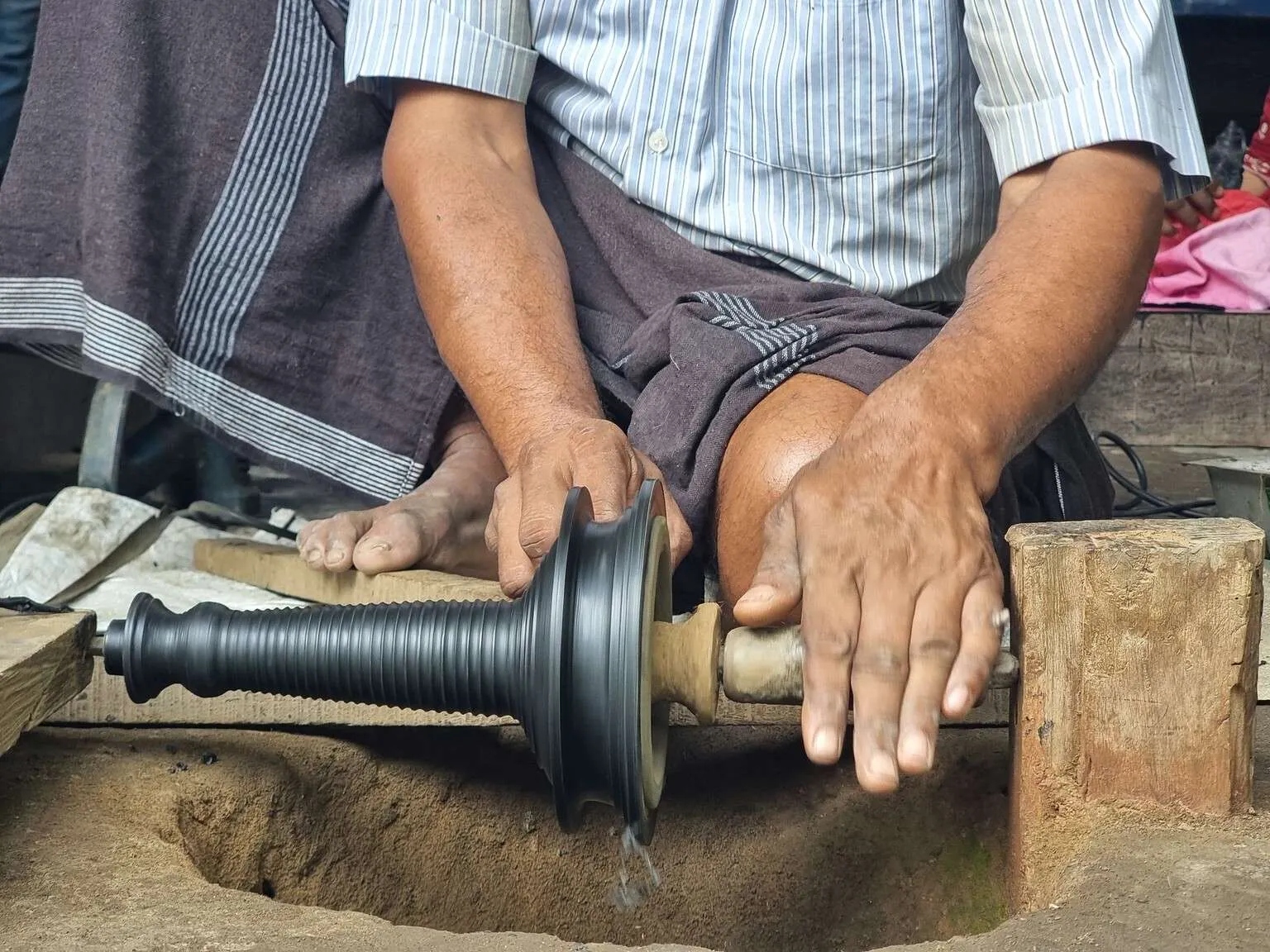
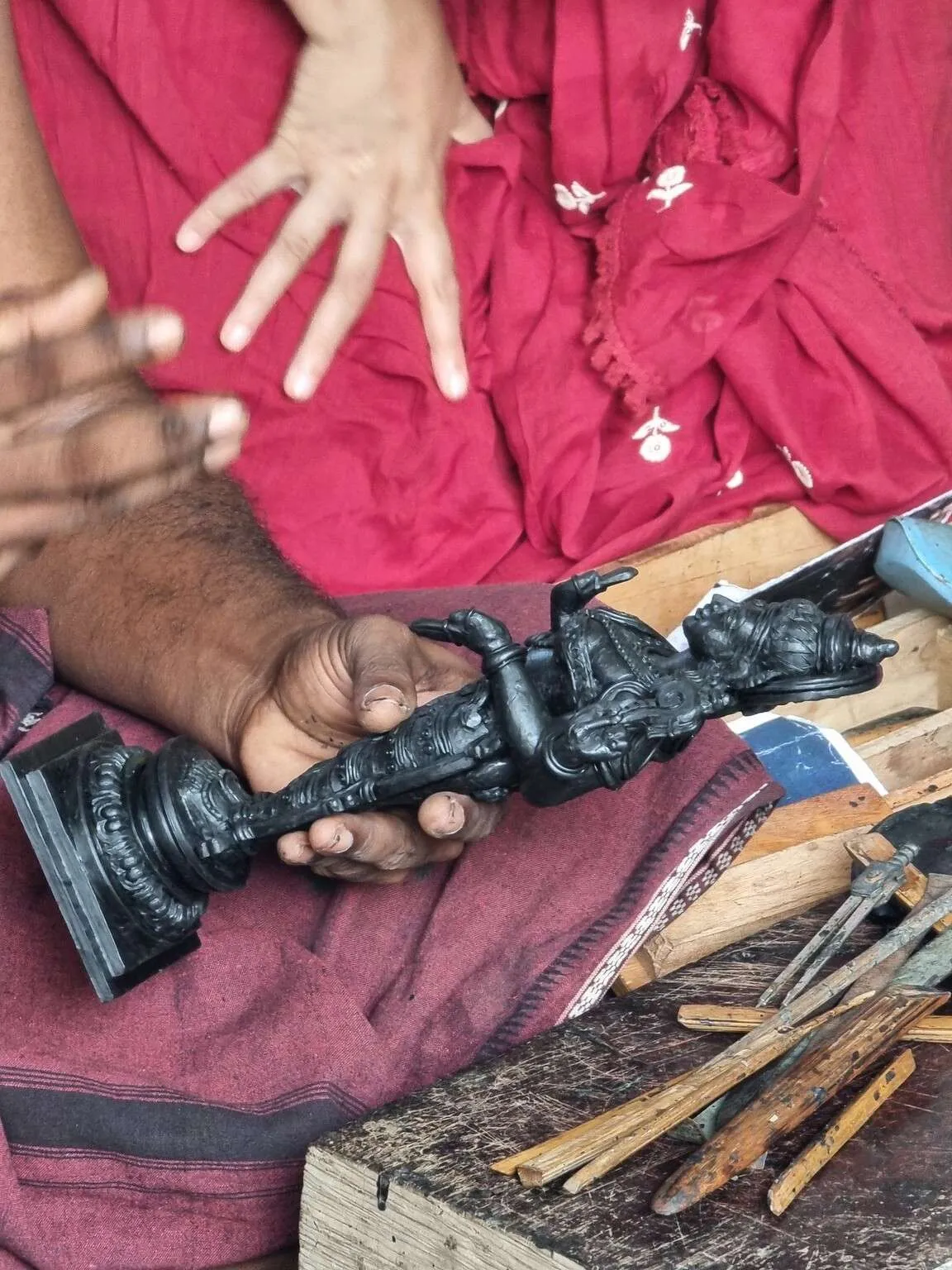
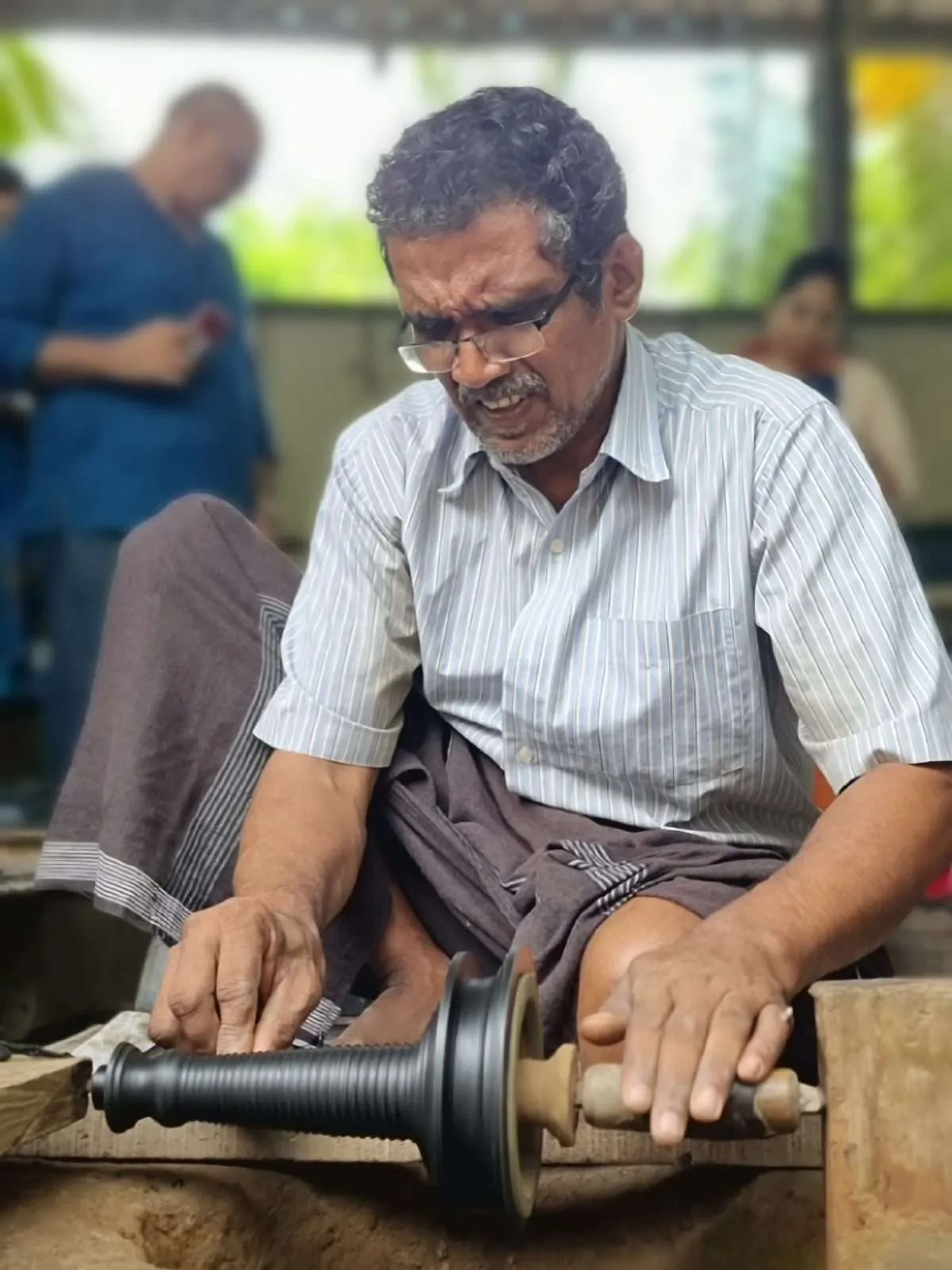
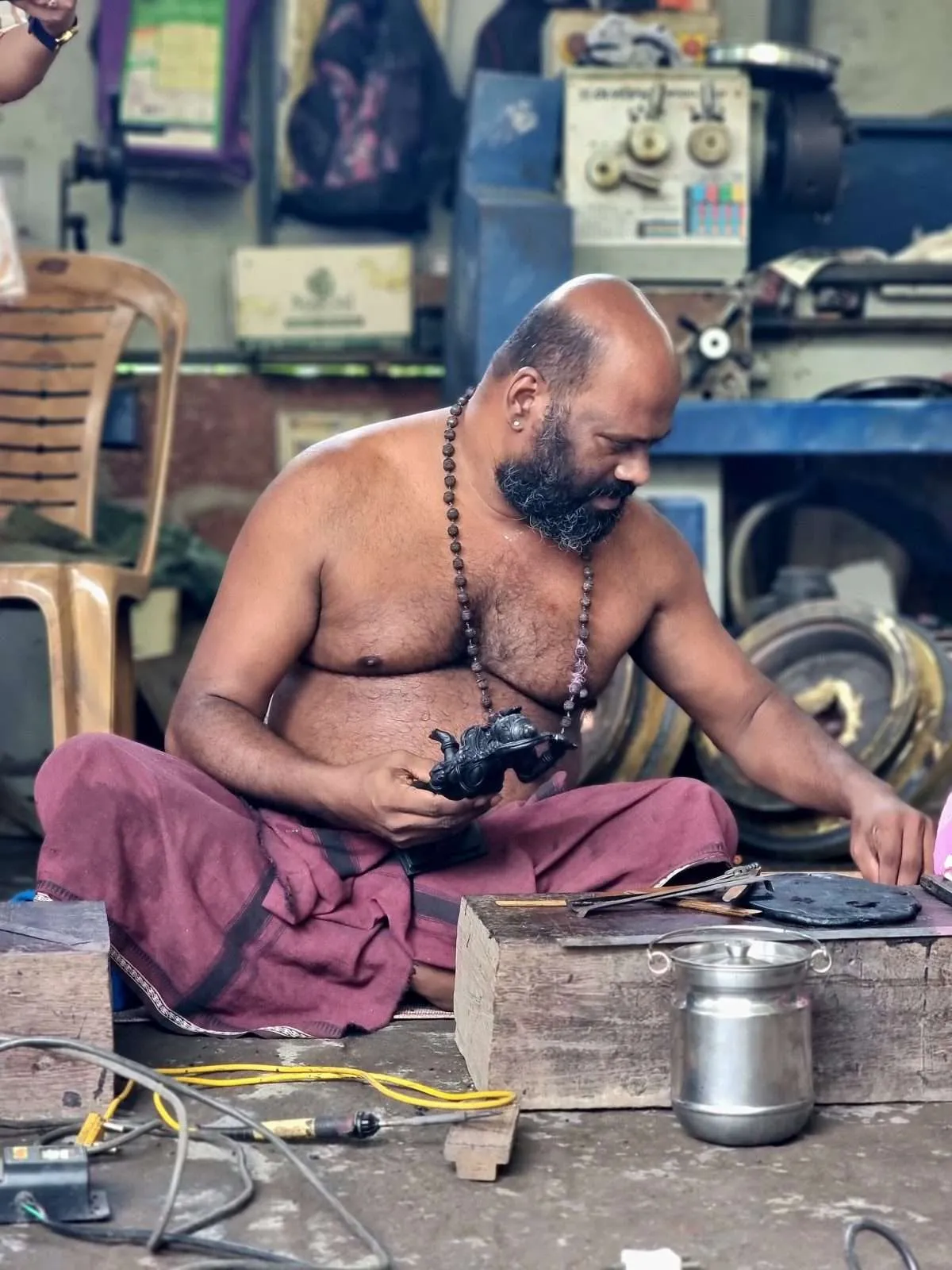
Kunhimangalam, a small but historically rich village near Payyanur in Kannur, is known for its mastery of bronze crafting. The artisans here specialize in creating traditional oil lamps, sculptures of deities, and intricately designed curios – each one a testament to the village’s deep spiritual and cultural heritage.
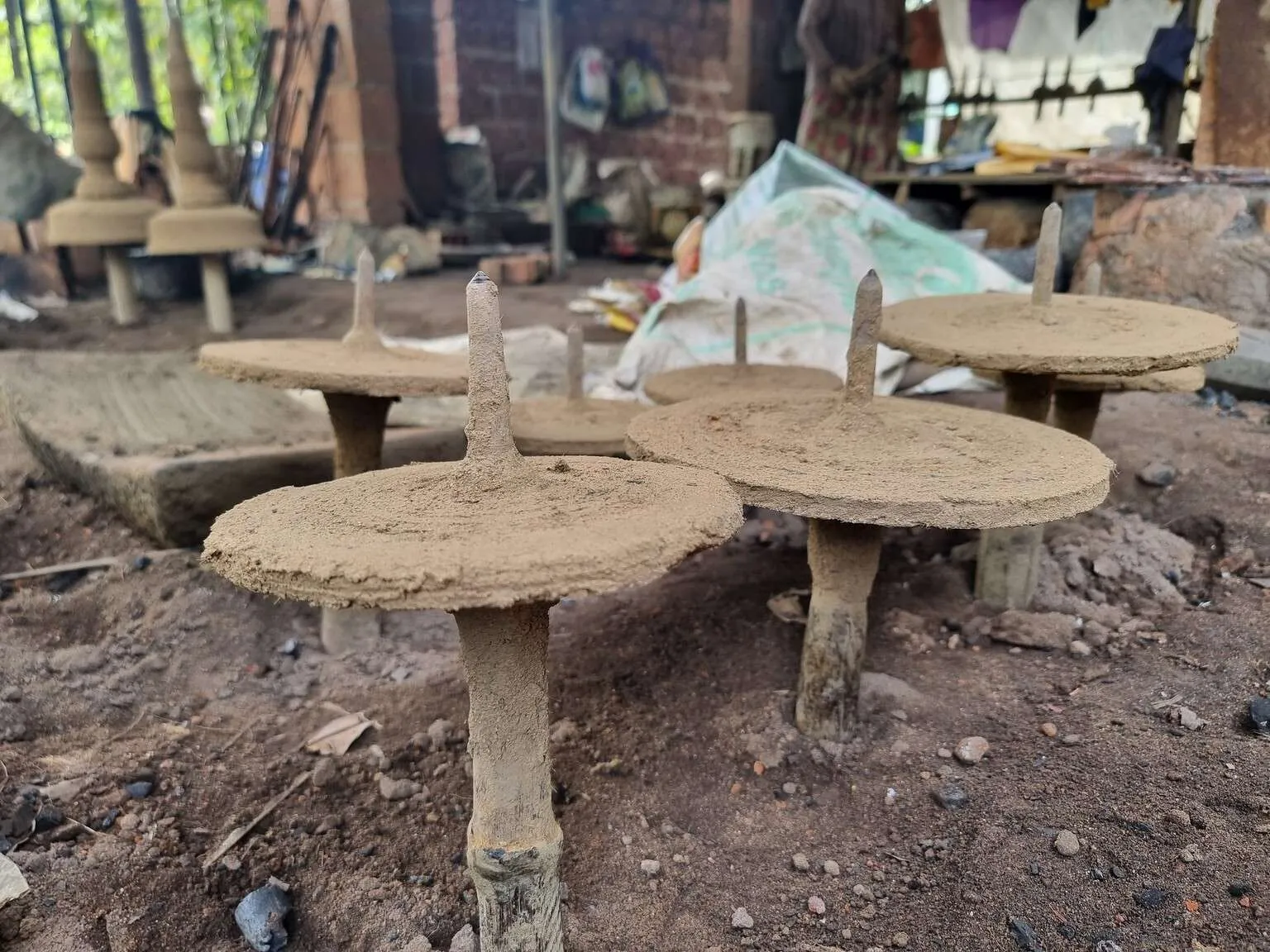
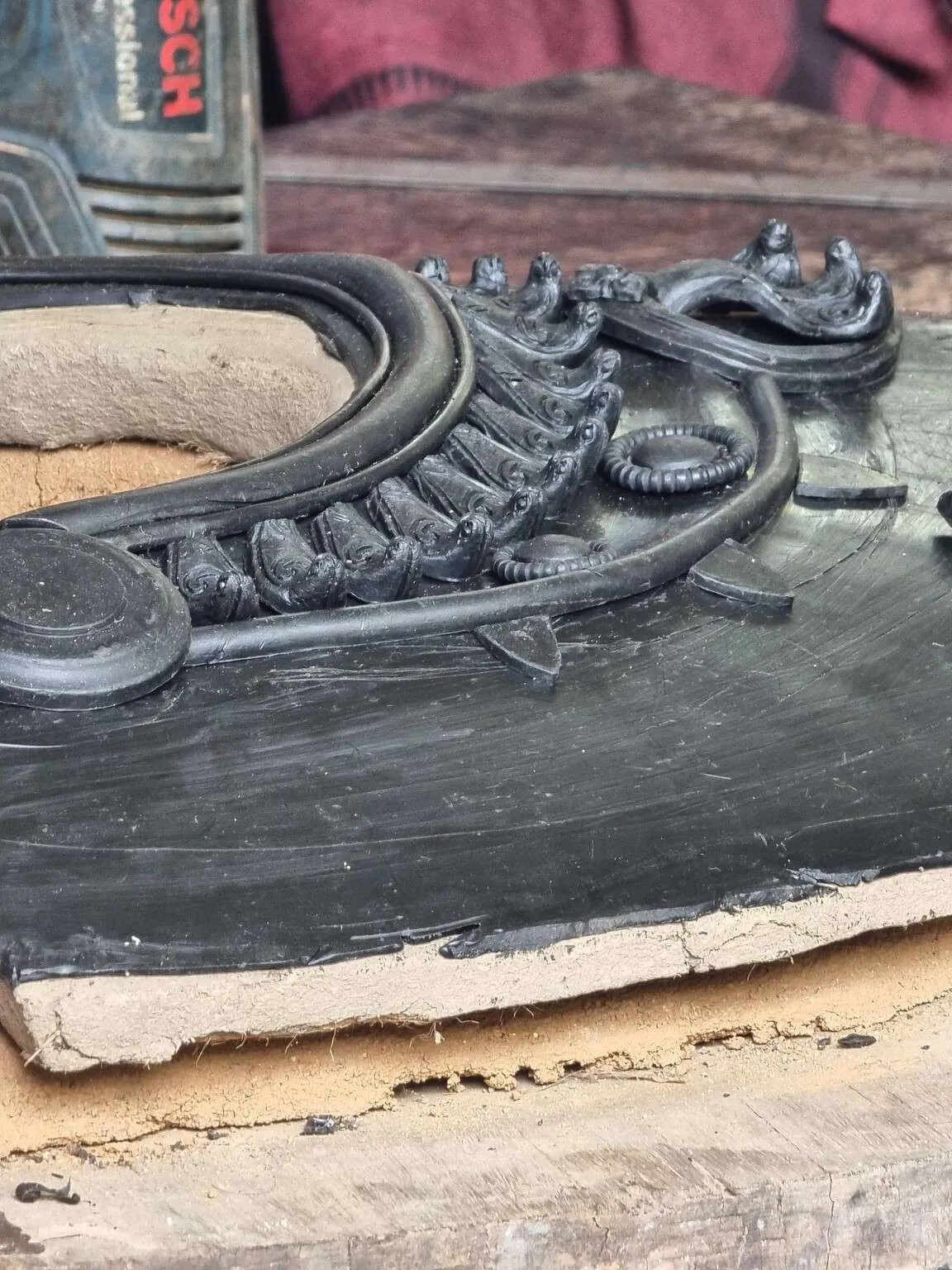
Our visit to the bronze workshop was particularly special because the artisans came in on a Sunday just to showcase their fine crafting techniques. It was a true demonstration of their dedication to the craft. As we entered the workshop, we were greeted by the sight of master craftsmen barefoot, walking gently to keep the workspace clean while they worked on both a sculpture and a mask. The delicate process involved adding fine layers of mud to the molds, breathing life into the bronze figures.
The stories they shared about the statues – how each one slowly came to life as they worked – were as enchanting as the pieces themselves. The artisans spoke reverently of crafting figures of gods and goddesses, a process filled with spirituality and tradition. We could feel the reverence they had for their work as they meticulously shaped every detail with their hands. The craftsmanship was so precise that each lamp and sculpture seemed to glow with its own spirit, a symbol of Kerala’s ancient artistry. This hands-on, immersive experience gave us a deep appreciation for the patience, care, and skill involved in this ancient craft.
Ancient archery in Wayanad
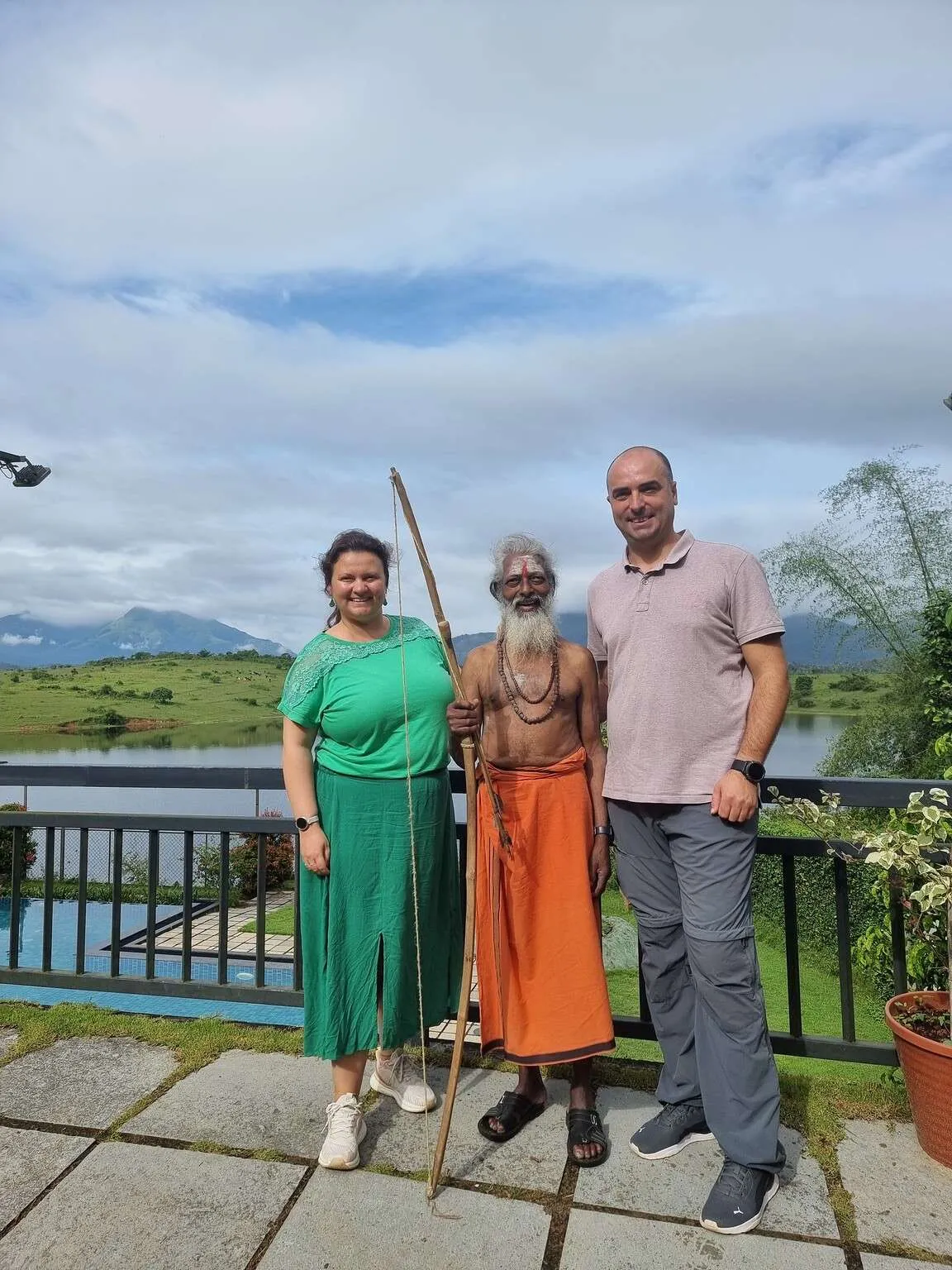
Coming from the remote community of Mullur Kurma, we met Govindan, a man deeply rooted in the ancient martial traditions of Kerala, particularly archery. His expertise in crafting traditional bows and arrows, as well as his knowledge of their historical significance, was fascinating. Govindan had spent much of his life as a hunter, following in the footsteps of his ancestors. However, he made a life-altering decision: he became a vegetarian to atone for the many animals hunted by him and his predecessors. This personal shift in philosophy made our time with him even more meaningful.
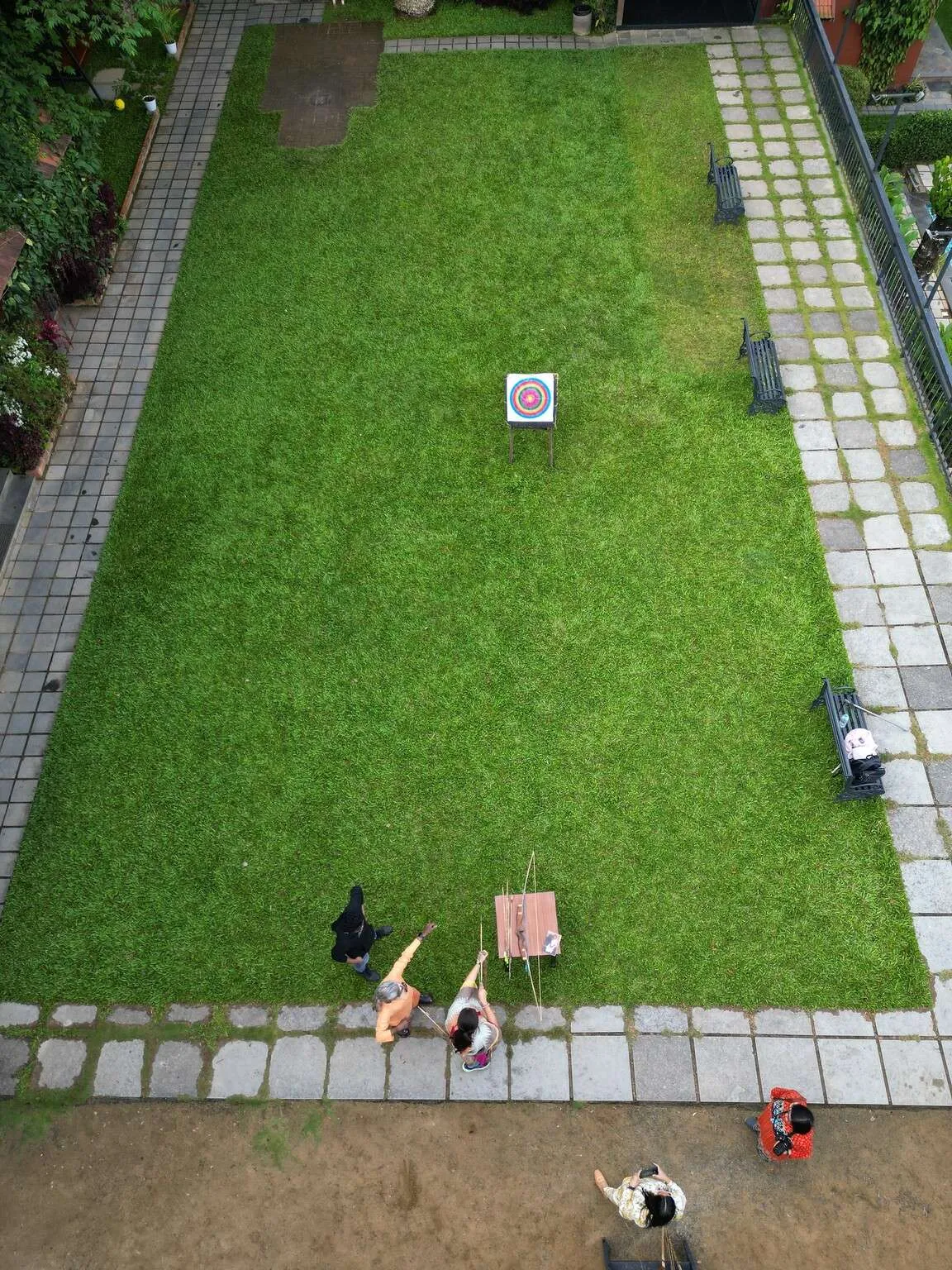
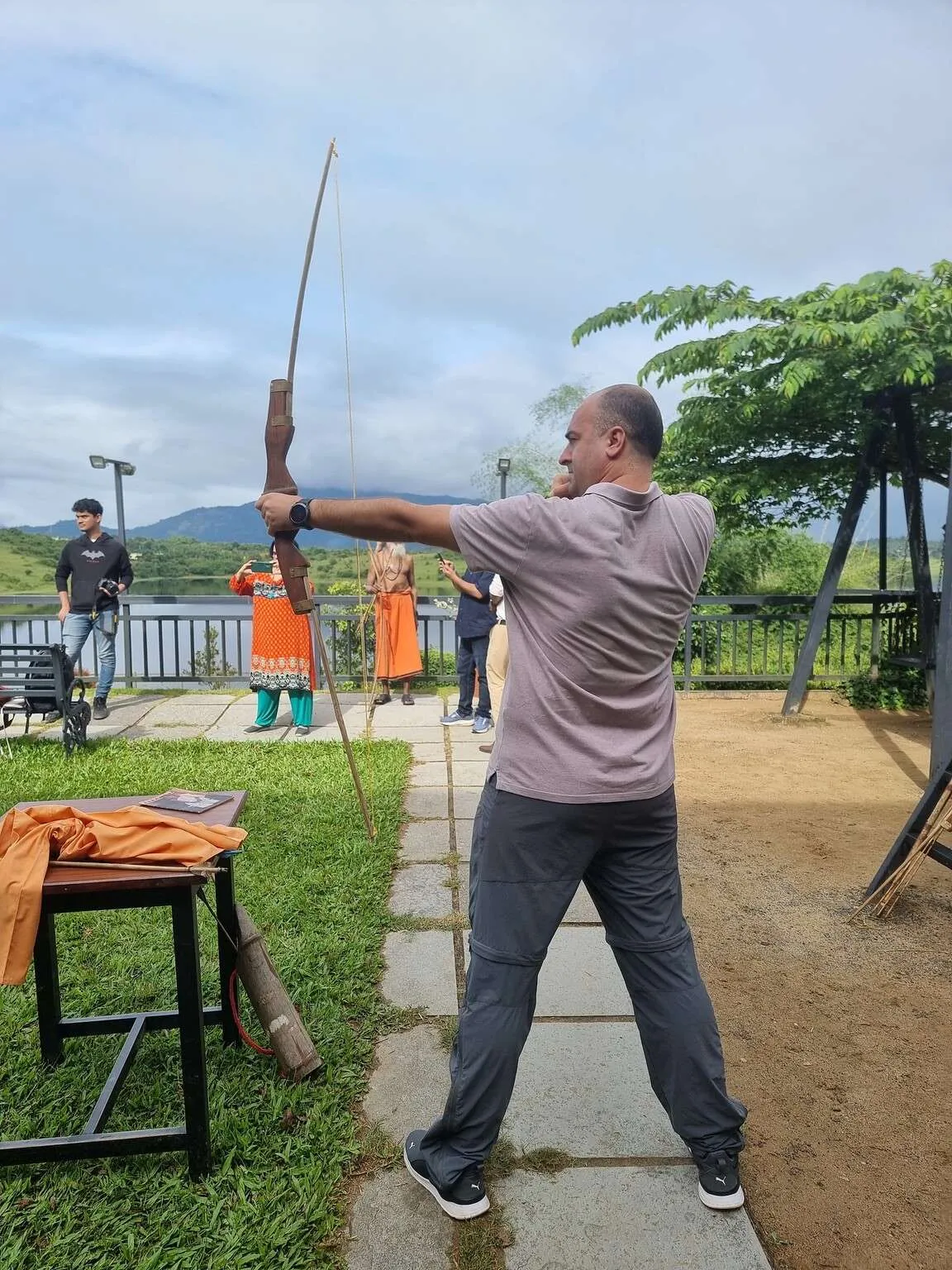
Govindan was kind enough to try and teach us how to shoot with both an old-school traditional bow and a more modern version, which, although updated, still retained an authentic charm. We gave it our best shot (pun intended), but this time the vegetarian in us were challenged to fully embrace the art of archery and hit the target. Despite our lack of skill, Govindan’s patience and smile made our morning lovely. The history and importance of archery in Kerala’s tribal culture is massive, and we had the chance to witness impeccable precision required to master the craft.
His students, who come from all over India and even other parts of the world, are fortunate to learn from a man so passionate about preserving this ancient tradition. Watching Govindan teach and practice his craft, we could see that archery was not merely a skill but a way of life—a legacy he is determined to pass on to future generations. It was humbling to witness his dedication and the way he balanced his respect for both tradition and personal conviction.
“Uru” ship building yard in Beypore, Calicut
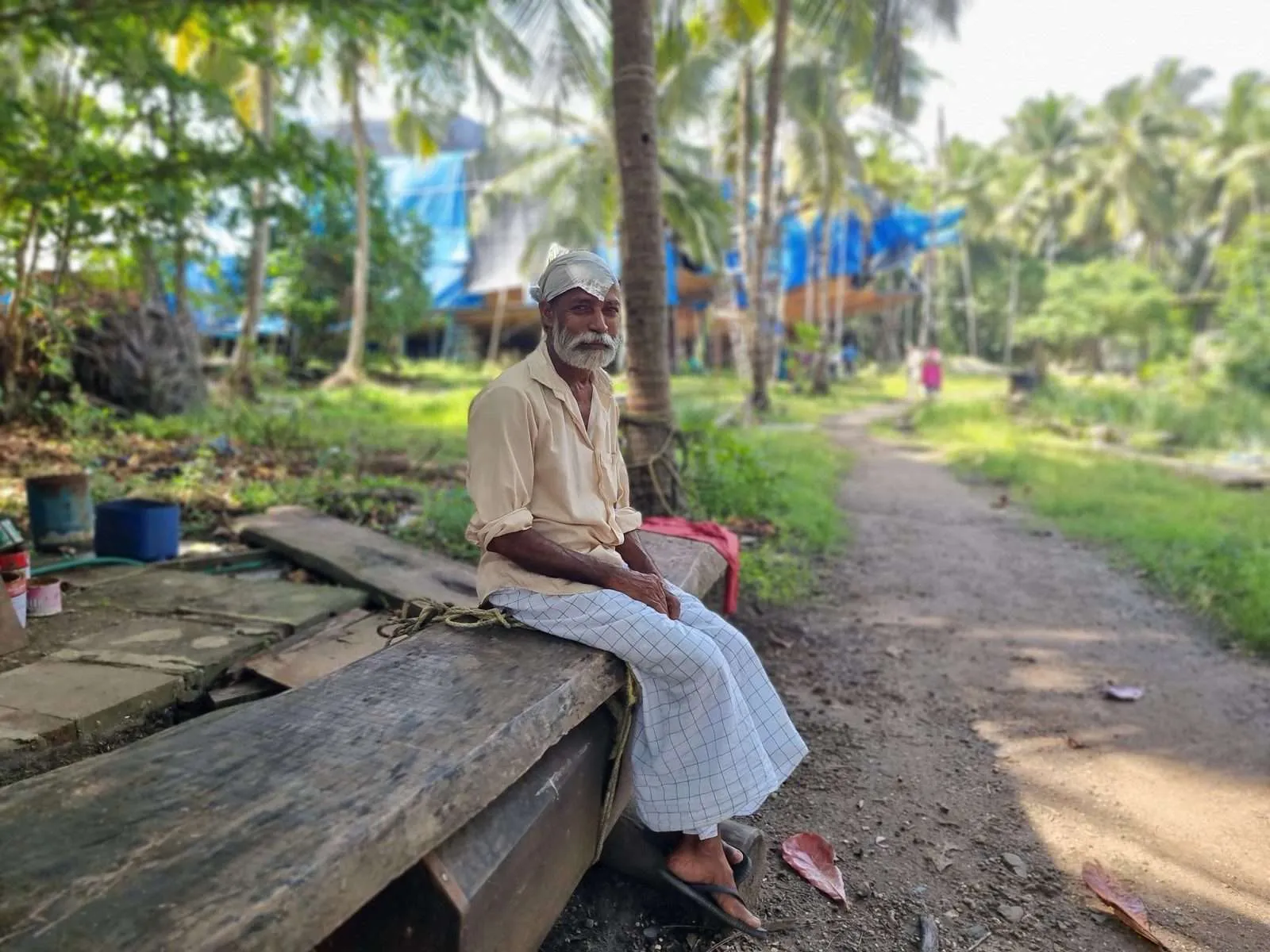
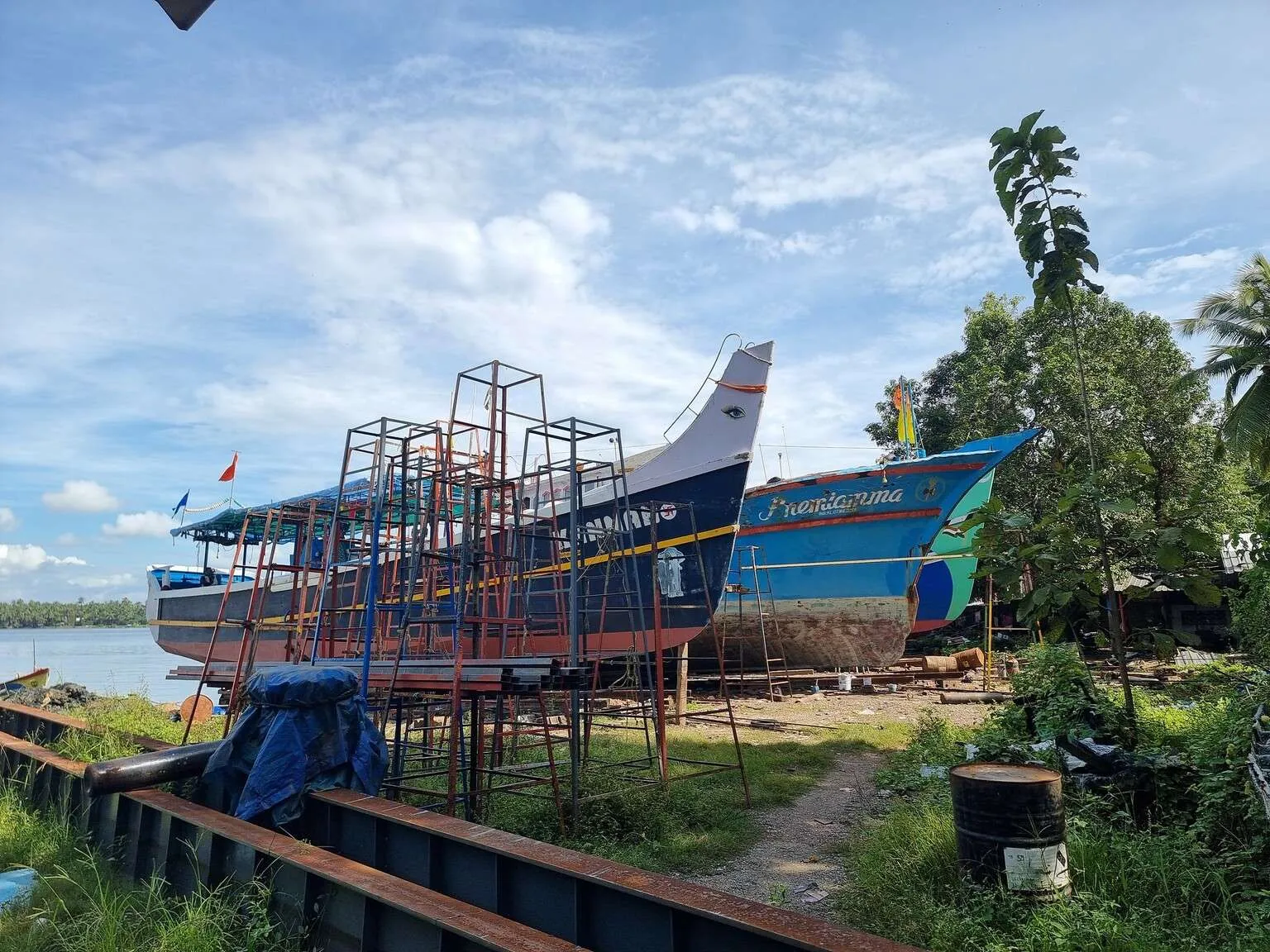
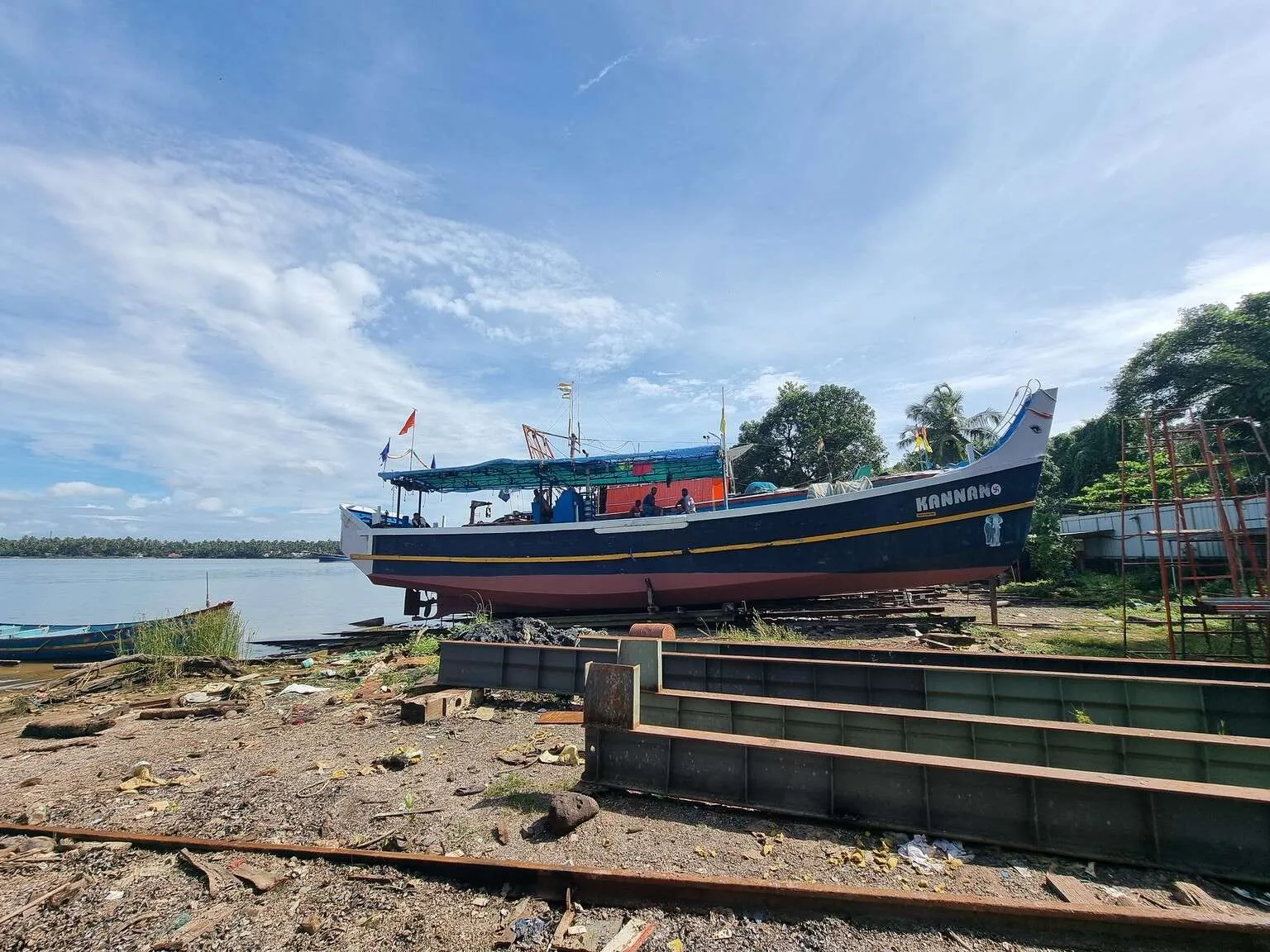
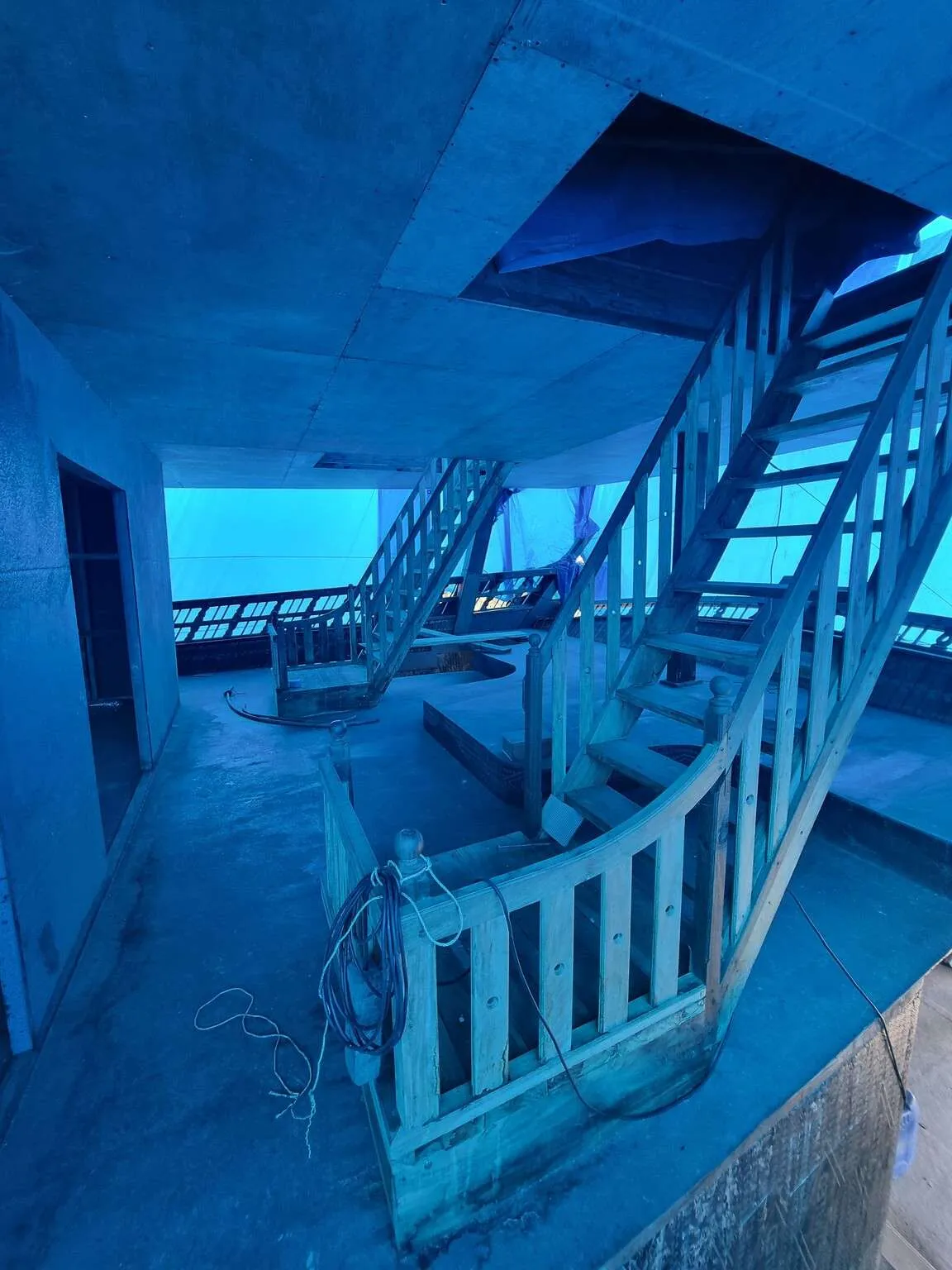
Our last stop was Beypore, a place known for its centuries-old tradition of shipbuilding – specifically the construction of the grand wooden vessels known as “Uru”. These majestic ships have long been a symbol of Kerala’s maritime heritage, and the shipyard we visited was one of the few remaining places in the world where these vessels are still built by hand.
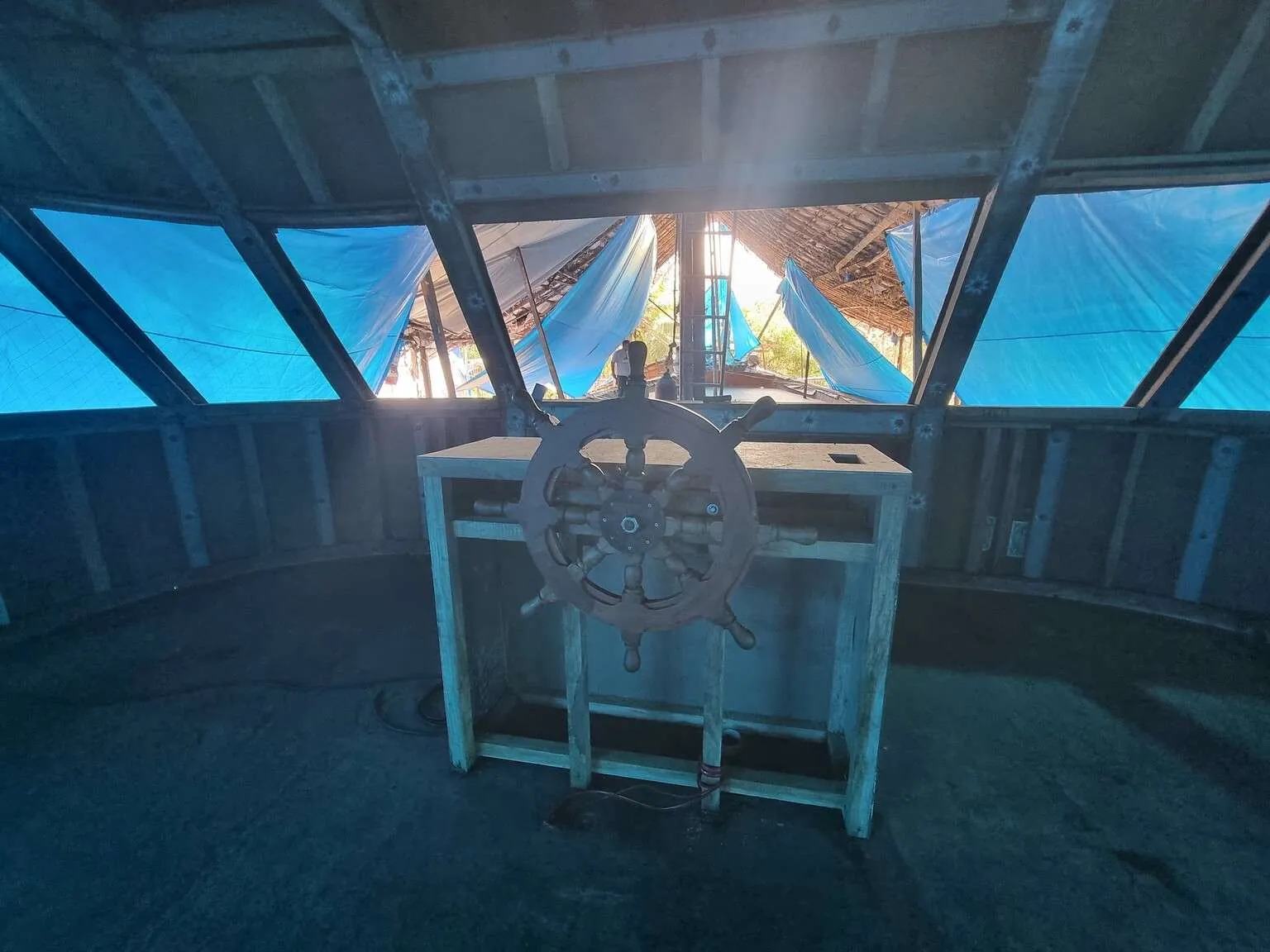
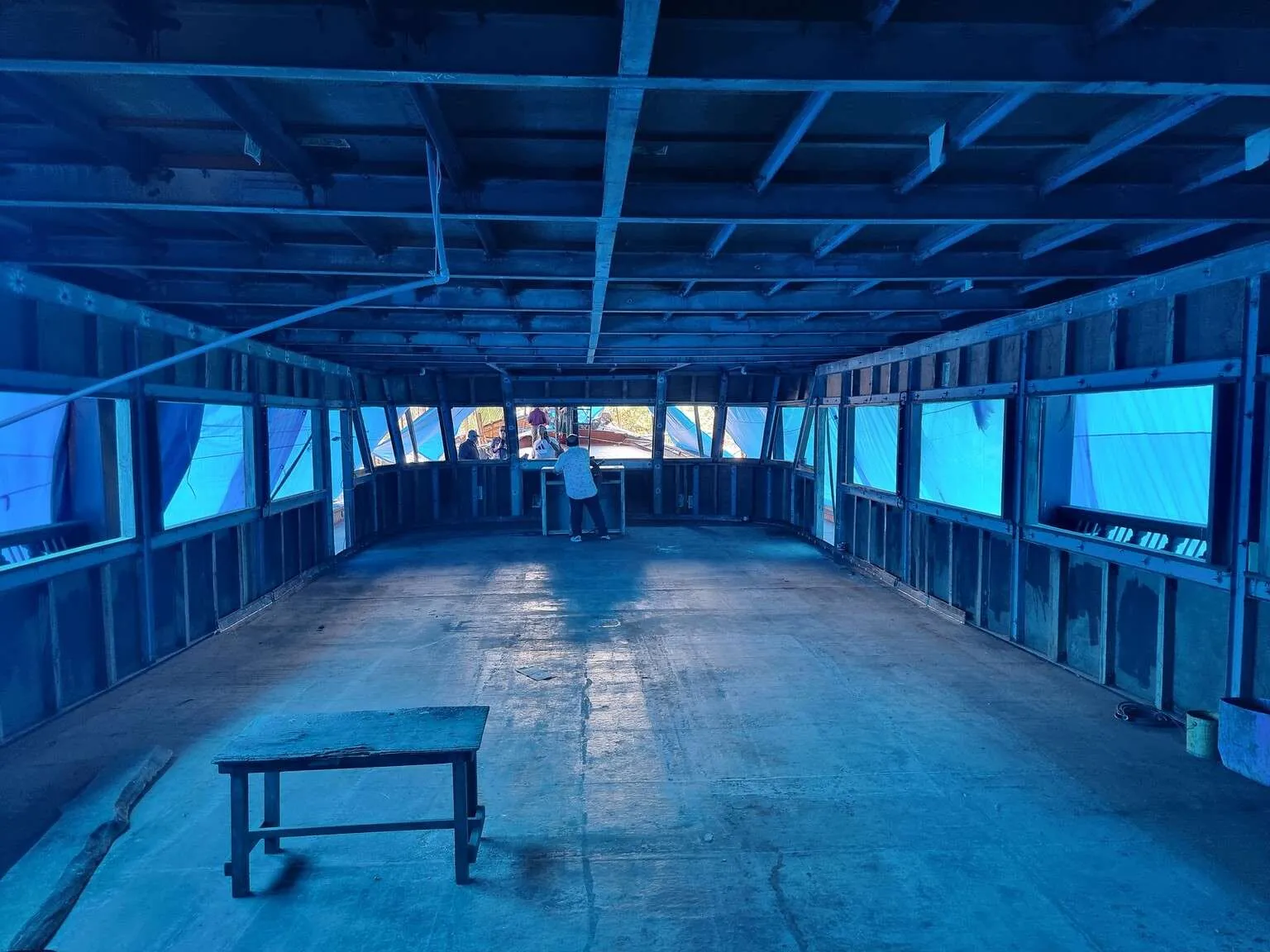
The sheer size and scale of the ship under construction were awe-inspiring. The ship, made almost entirely of teakwood, was a labor of love, requiring around 2.5 years to complete. We were told that the ship being built would cost around 3 million USD by the time it was ready to sail. Construction is often done in phases, with the craftsmen working intensively whenever a payment arrives from the client – often royal families from Qatar and Oman.
As we walked through the yard, we learned more about the intricate process involved in building these ships. Once the ship is complete, a temporary smaller engine is installed to sail it to its destination, where a larger engine will be fitted to complete the vessel. The attention to detail, from the carving of the wood to the seamless fitting of each plank, was mesmerizing. It’s incredible to think that these ships, so rooted in tradition, still play a vital role in today’s world economy, connecting Kerala to the global stage through royal commissions.
The shipyard, filled with the distant sounds of chiseling and hammering, felt like a portal to the past. It was here that Kerala’s maritime legacy, stretching back centuries, came alive before our eyes. The craftsmanship and patience required to build such a ship are staggering, and seeing the ship slowly take shape was an unforgettable experience.

The authentic crafts of Northern Kerala
Our journey through Northern Kerala introduced us to crafts that are more than just objects—they are living traditions. From the fine bronze sculptures of Kunhimangalam to Govindan’s mastery of archery and the majestic shipbuilding in Beypore, we witnessed the dedication, skill, and cultural heritage that have been preserved over centuries. These artisans are the custodians of Kerala’s rich past, and their work is a reminder of the beauty that lies in tradition, patience, and craftsmanship.
These experiences left us with a deeper appreciation for Kerala’s cultural identity and the timeless art forms that continue to shape it. Each craft we witnessed is a story of history, community, and the pursuit of excellence—a connection to the land, the people, and the spirit of Kerala.
If you’re interested in other crafts of Kerala, read our article on Kerala’s handloom capital.
*This experience and our trip to Northern Kerala were courtesy of Kerala Travel Mart and Kerala Tourism. As always, all opinions, thoughts, and views of the magical places and people we meet are our own!
Do you like this post?
Travel with us and share our journey on Instagram! Do you want to support us – learn how here!


