Traveling while being responsible for nature, as well as responsible tourism shouldn’t be impossible combinations. It’s hard to imagine that just one person traveling mindfully and taking care of the environment would change the game. But if there is just a handful of examples of how to be more nature-responsible while traveling could be enough for a good start. Let’s help our planet and be aware of how we can at least not be harmful to it and its creations. We asked some avid travelers for example, but this article will be (hopefully) ever-growing.
Ethical whale watching
Brittany Wittig | The Rolling Pack
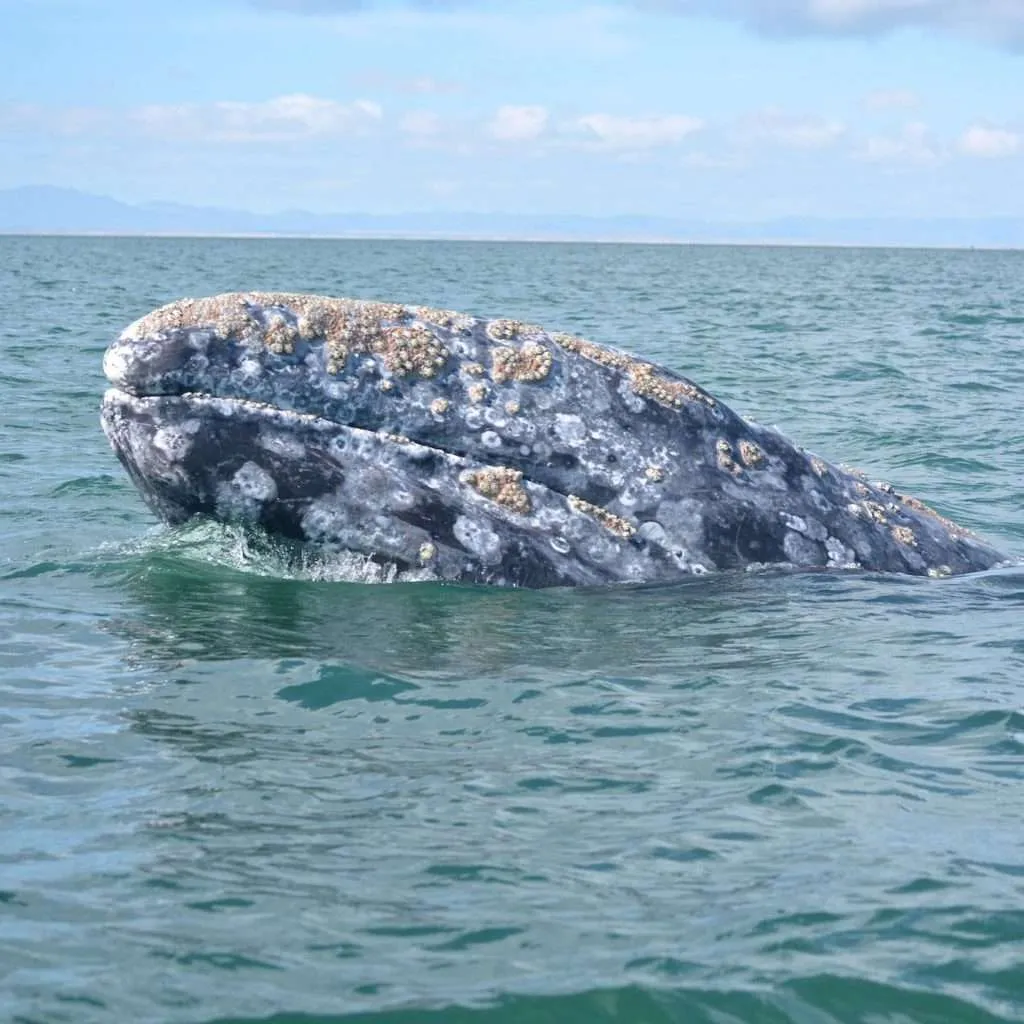
Marine mammal shows and “interaction experiences” may seem appealing when you see pictures of smiling dolphins hugging tourists. However, the reality of these tourist attractions is a dark one. Marine mammals are extremely intelligent animals, and a life of captivity with very little stimulation is a horrible fate for these amazing creatures.
How to see whale sharks
Yana Peskin | Beard and Curly
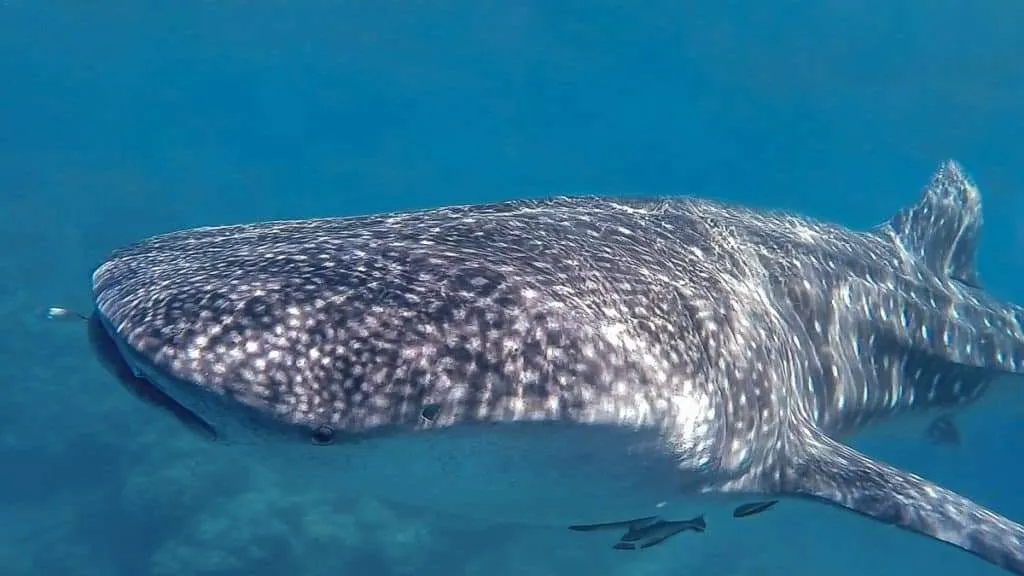
Seeing whale sharks is an incredible experience, however, it needs to be done ethically. When researching a place to visit in the Philippines we had seen some incredible photos of people swimming with whale sharks in Oslob. The drone photos were out of this world. But when we did research on the area we were troubled with the unsustainable and unethical practices in Oslob, Philippines.
The whale sharks are feed and bait in a small area the size of a football field. Hundreds of people visit the tourist site daily and rules are not enforced. Instead of promoting this type of not so responsible tourism we found alternatives to see whale sharks in the Philippines. In Sogod Bay, South Leyte whale sharks congregate during the months of November and May. Although not guaranteed sightings are very promising. Regulations are upheld and the sharks are never baited or disturbed. The whole experience was astounding and we are so glad we took the time to do our research and promote eco-friendly tourism in the Philippines.
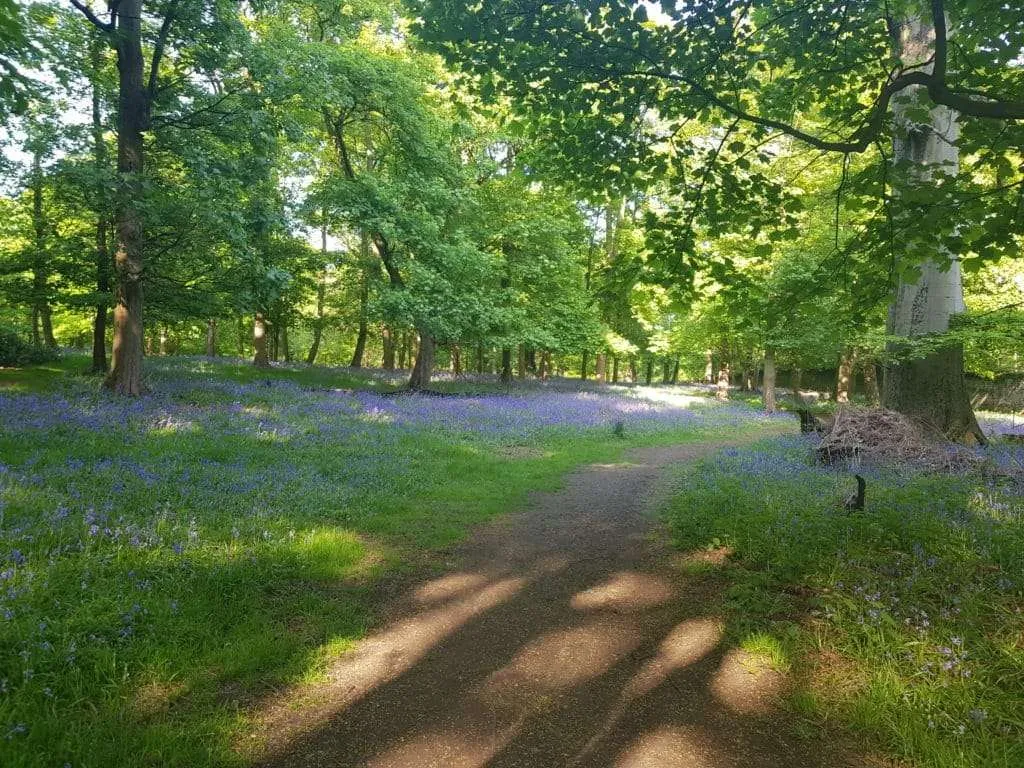
Staying off the rainforest, sand dunes and wildflower meadows
Amy | The Travel Fairies
Be educated about poaching & endangered species
Emma Walmsley | Small footprints, big adventures
Taking a little time to learn about the current environmental situation in locations you are visiting can make a big difference. Most countries have endangered species of plants and animals, and through conservation efforts do their best to help those species, having some knowledge yourself is also helpful to avoid accidentally making the situation worse. It can also guide you in choosing ethical tour operators rather than those who put further pressure on endangered animals for their own profit.
Poaching is also an issue in many places, and it can lead to a species becoming endangered. While tourists don’t usually do the poaching, they often unwittingly purchase souvenirs that have been created from poaching. Many travelers also like to try exotic meats or local delicacies when in new places, and without some knowledge of how they are obtained and which creatures are threatened, they can easily fuel the poaching industry.
Elephant sanctuaries
Cazzy Magennis | Dream Big, Travel Far
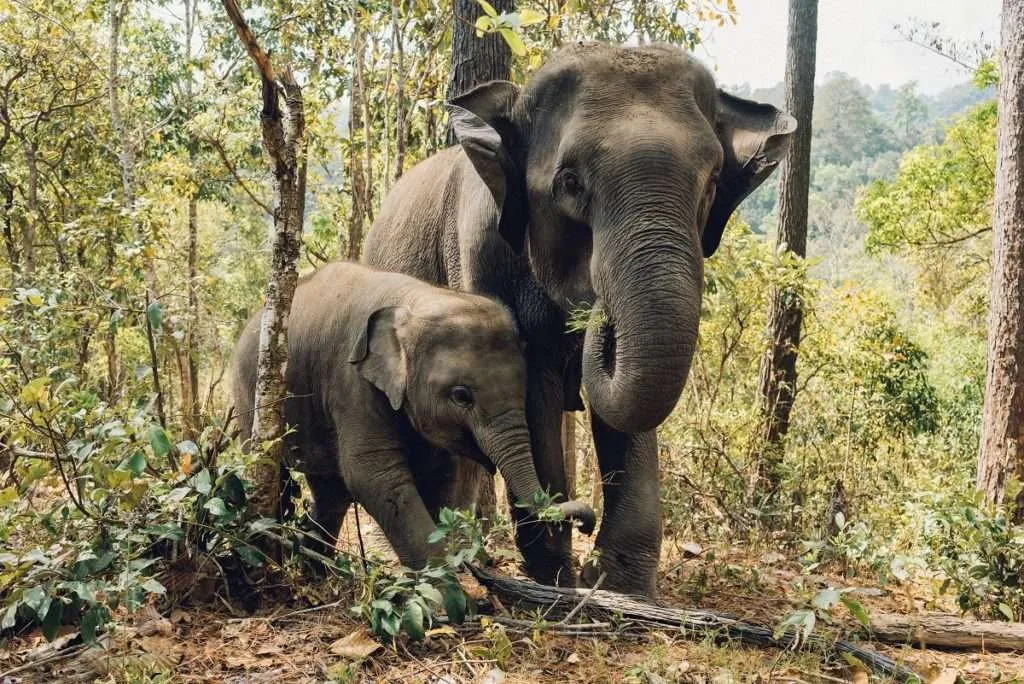
It’s true, elephants were not made for humans to be sat on their backs. Simply put, wild elephants wouldn’t let a human ride on them. So, in order to ride the elephants found in tourist spots such as Thailand or Sri Lanka, the baby elephants are tortured to ‘break their spirit’ in order to allow this riding to be possible. Elephants are gentle giants, and they deserve love from humans, and thankfully you can still interact with elephants, without hurting them!
Thailand has a variety of elephant rescue sanctuaries that take in hurt or tortured elephants and look after them. You won’t be riding them, but you’ll get the chance to walk alongside them, feed them bananas, and even wash them. I did this at the Elephant sanctuary in Hua Hin in Thailand and it was an amazing experience. I also got to meet lots of different elephants and hear their rescue stories.
Elephants, especially Asian elephants, are declining rapidly in population size and many are forced into the tourism industry where they have to perform circus tricks and spend their days walking around with humans on their backs. If you avoid riding elephants and instead interact with these amazing creatures in a humane way, you will be doing something good for nature and making elephants happy.
Wildlife rescue and rehabilitation sanctuaries
Ella | Ella in Wanderlust
One of the most positive experiences that I’ve had whilst traveling has been to volunteer at a wildlife rescue and rehabilitation center. I was fortunate enough to volunteer at one of these sanctuaries in Namibia called Naankuse.
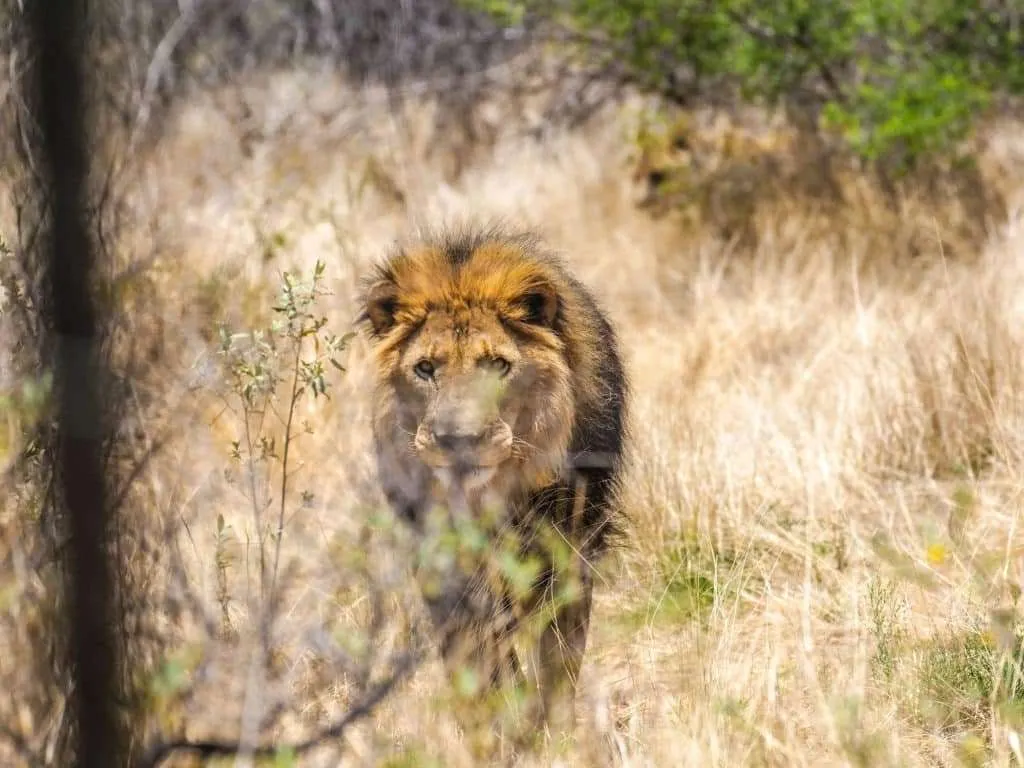
The sanctuary prided itself in rescuing injured or orphaned animals that have unfortunately had a conflict with humans. If the animal has a quick recovery, the sanctuary rehabilitates them as far away from humans as possible. If the animal, however, is too injured or is too young, the sanctuary will take them under its wing and provide a safe forever-home for them, trying to maintain their natural behaviors as much as possible.
Whilst volunteering here I witnessed the love and care that everyone there has for their animals. I helped to prepare and feed many of the sanctuaries big cats as well as even being a surrogate mother to a baby baboon for a night, providing it with warmth, food and even changing its nappy throughout the night.
However, nothing can compare to witnessing a release. I was fortunate enough to watch a pangolin (the most trafficked animal in the world) being released back into the wild.
All money paid to volunteer or visit the sanctuary goes into conservation and care of Namibia’s wildlife, making it an incredibly worthwhile place to visit.
Clean up not only after you but also after others
Bistra and Nace | The Magic of Traveling
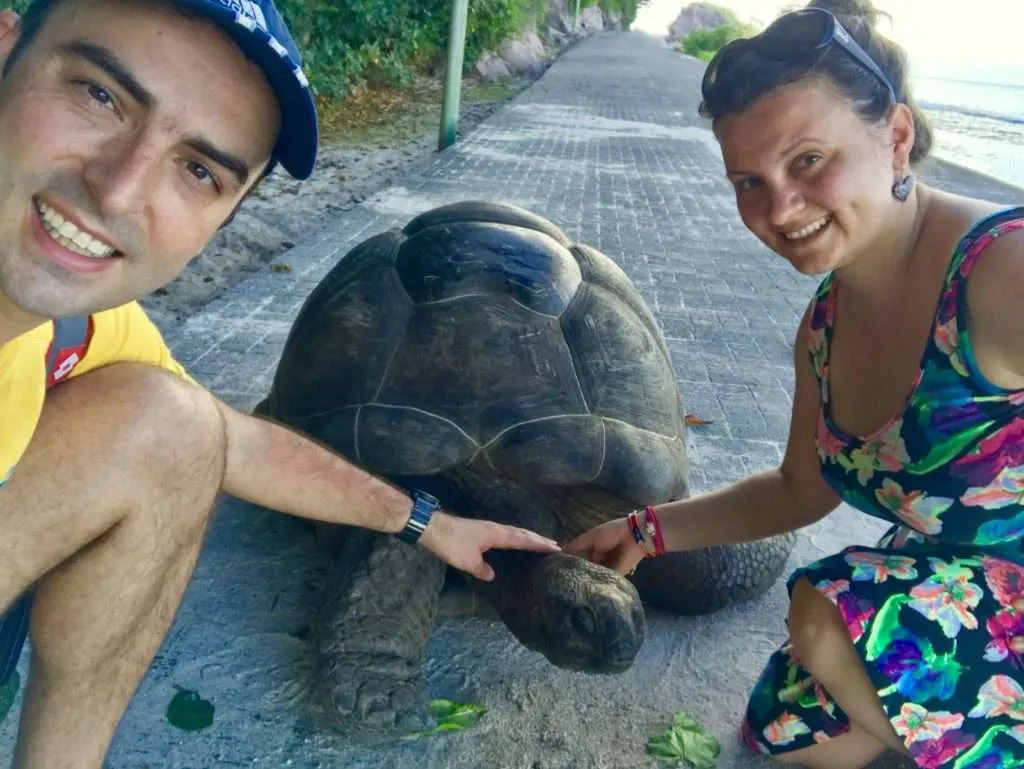
We have a very touching example of how amazing people can be. We were on beach hopping on Seychelles when we stumbled a giant tortoise on the road. That’s not a rare view on the islands but this one was on a paved road on La Digue island. We decided to give our bikes a break and spend some time with it. The tortoise was not hungry, didn’t even reach for the leaves we found to feed it. It really enjoyed our attention and us caressing its head and neck.
It was so sweet that we almost missed the good deed nearby. There was a middle-aged woman with her daughter, apparently very angry with the pile of plastic trash nearby. The started picking pieces of trash from what seemed to be an abandoned backyard of a house. In no time they collected a huge bag of rubbish. It was so admirable – two tourists that had nothing to do with producing all that trash, cleaning it up. They put the huge bag on the back of their bikes and took off before we managed to get there to show them our appreciation.
What makes our hearts sing is that there are so many people like those two – ready to help and clean up the mess. And the lonely giant tortoise will be sure that it’s not going to eat some plastic piece of trash and will continue with its long life!