Our last walk on the beaches and the last dinner in Mawimbi Lodge Hotel were followed by the last morning in Watamu. On that day we had to head to Mombasa and explore the city. So here are some of our experiences and things to do in Mombasa.
We threw the rest of our rags in the suitcases and went to enjoy the huge breakfast, where we met a young family, a German man, and a Kenyan lady, and we chatted about “who, what, why”.
It was somehow pleasant and we didn’t want to leave but we had to – it was 9:00 and our driver John (a typical Kenyan name) was waiting for us.
No longer than two hours later the calm and the peace forgot about us, they just threw us out and slammed the door in our faces. I’m not trying to be poetic, this is just the feeling of entering Mombasa, ungodly chaos. A complex mix of sounds and smells hits you in the face. The filth is everywhere. Is this how our wonderful Kenyan story is going to end?
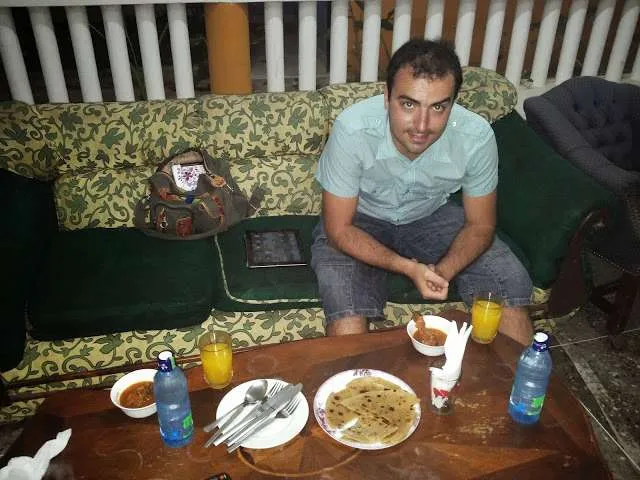
| Something nice: the staff of the hotel shared their food with us so we won’t be hungry this evening. |
Well, the experience depends on your choices. We didn’t stay for more than 20 min. in the hotel, which didn’t look at all like the pictures, but let’s not be petty.
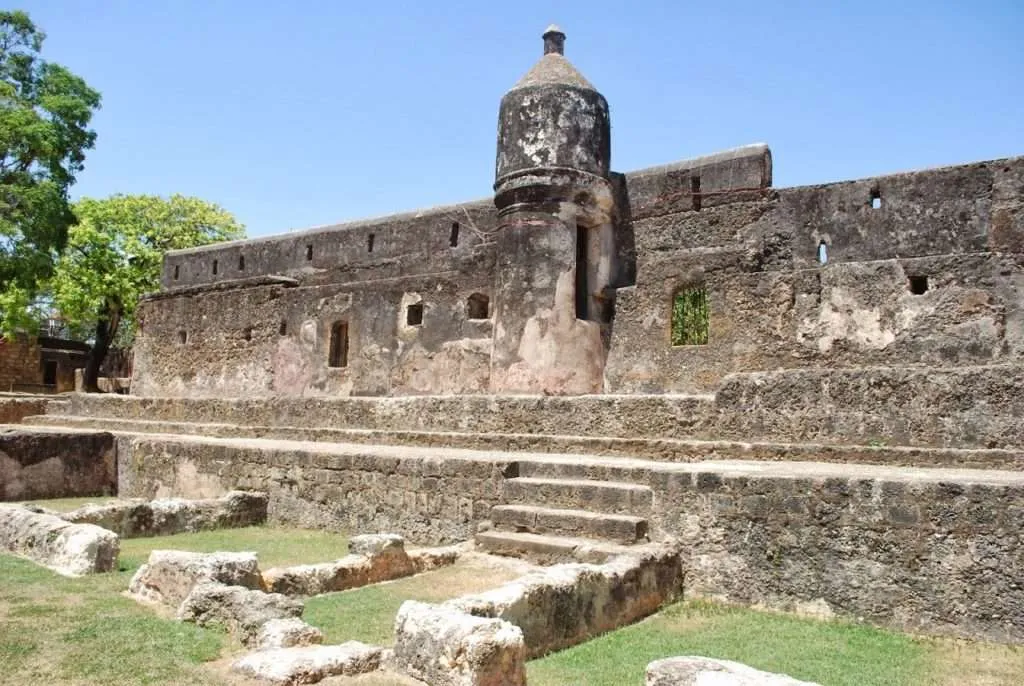
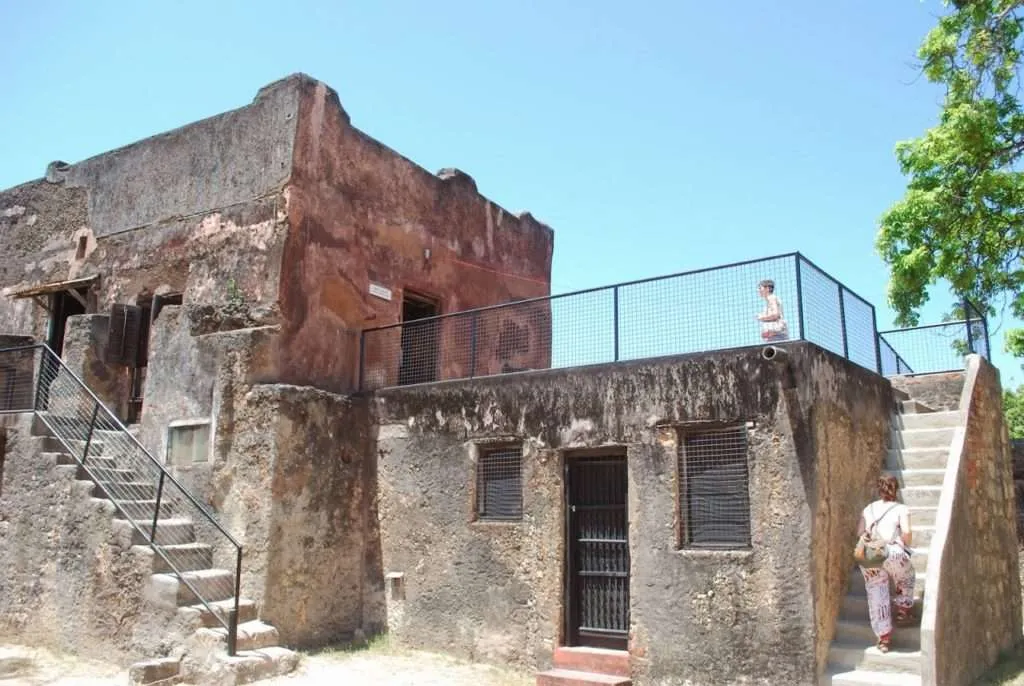
We caught a tuk-tuk to the Mombasa Old Town and visited Jesus Fort. It is a fortress built even before the Portuguese reached these parts via the Indian Ocean. It was a major trading center and a communication link with the counties from the Middle East. Naturally, we had to ward off several pushy guides, who wanted to get several hundred shillings off any tourist. We are not common tourists and prefer to deal with things on our own.
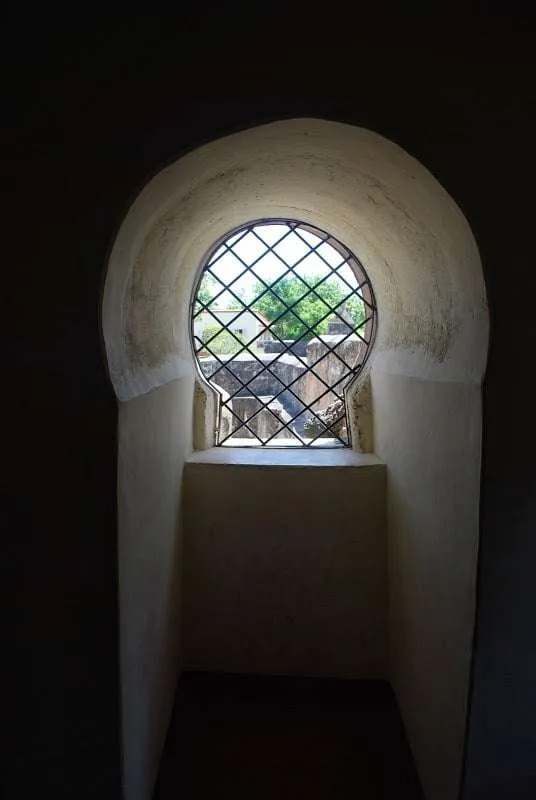
So, we explored the architecture of the fortress, which is inspired by the human form. Many canons face all sides, there are embrasures and tall observation towers. Parts which have been merciless long ago are now only a witness and monuments of the old stories (around 500 years ago). There was a museum of underwater finds from the sunken ships.
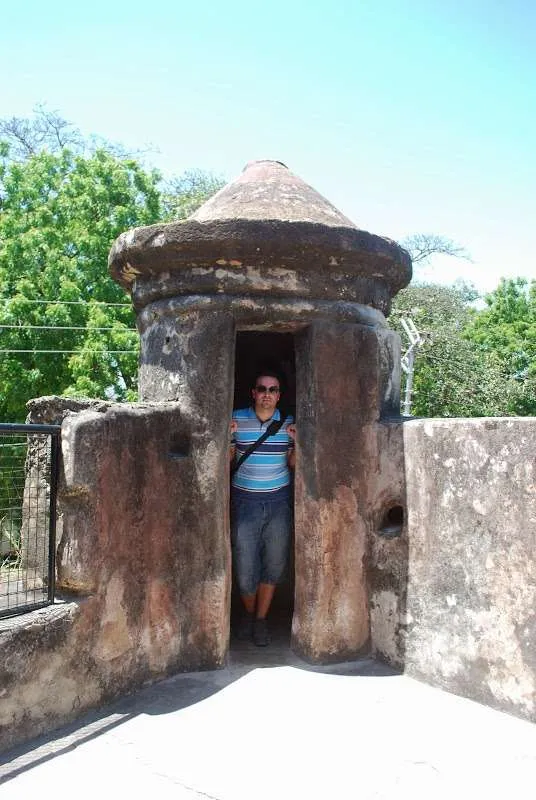
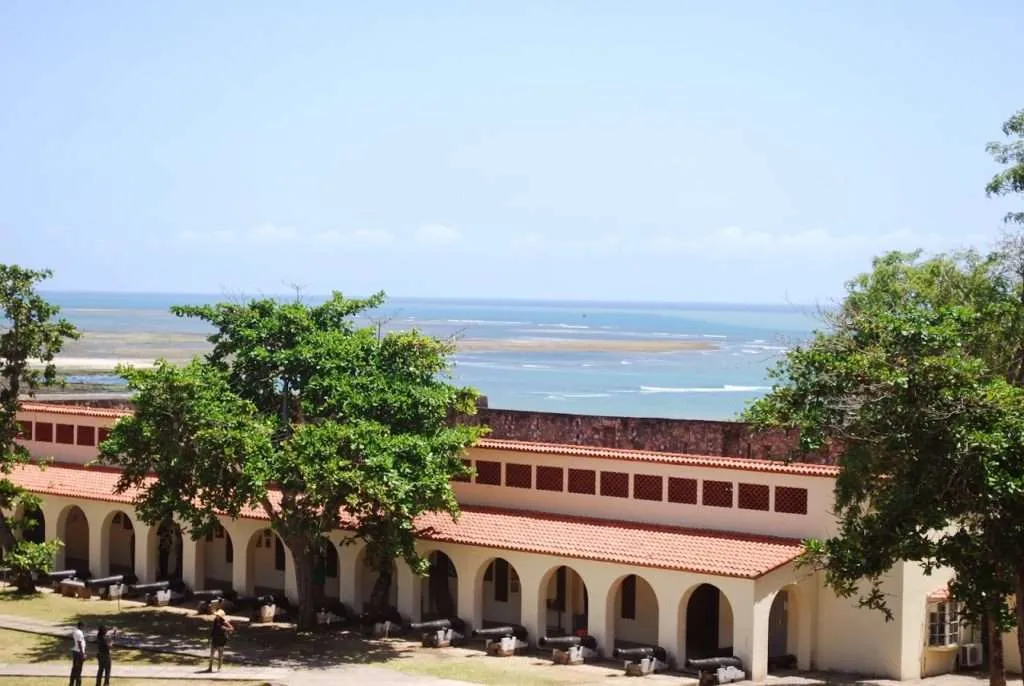
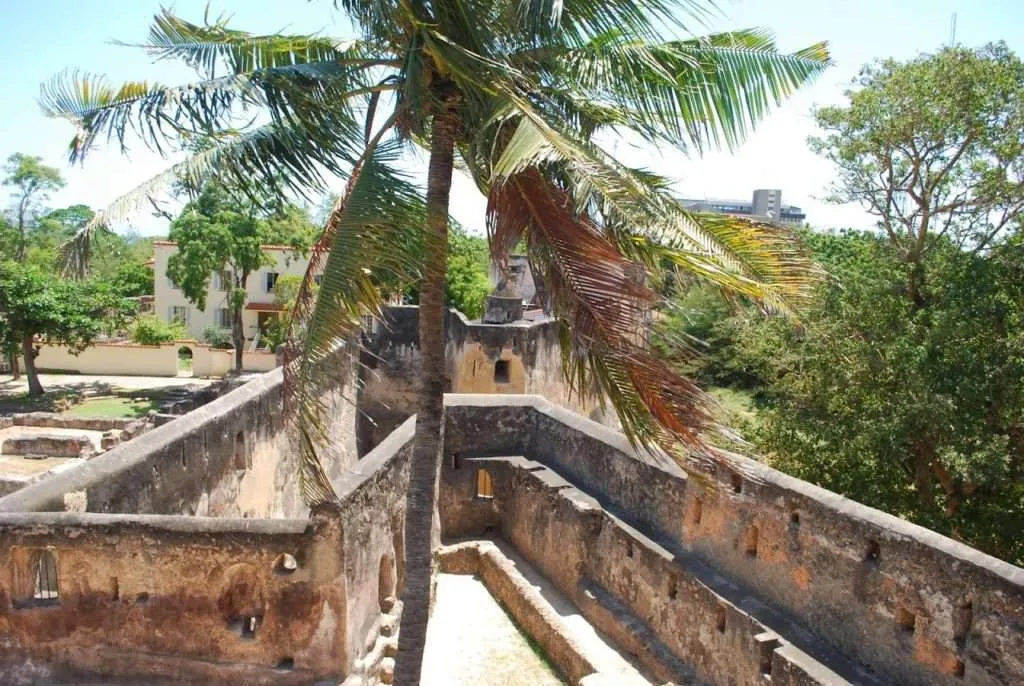
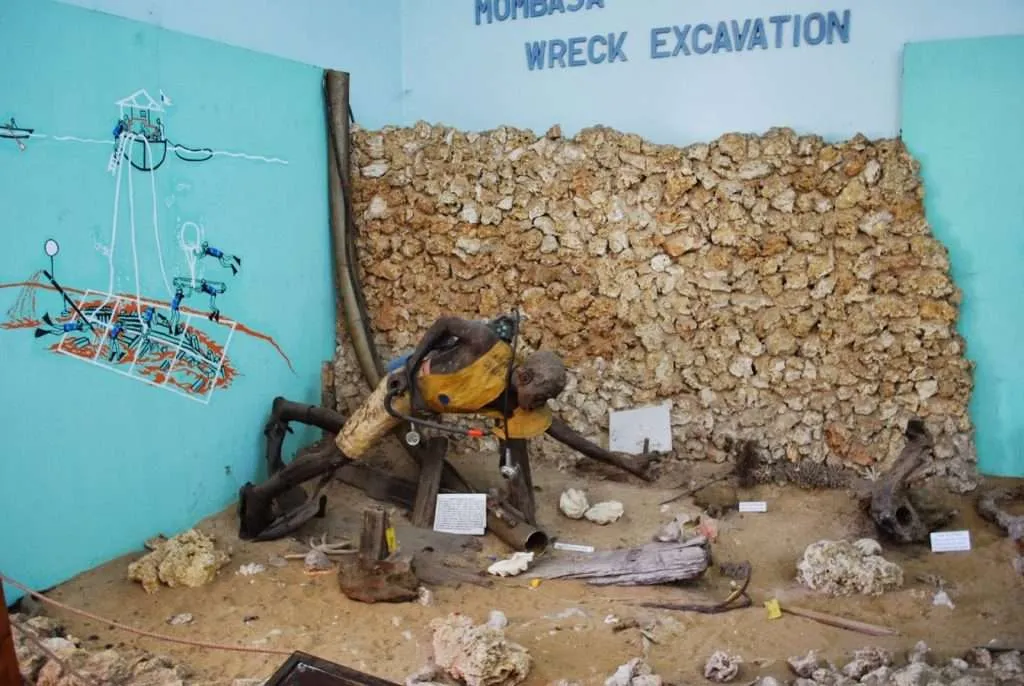
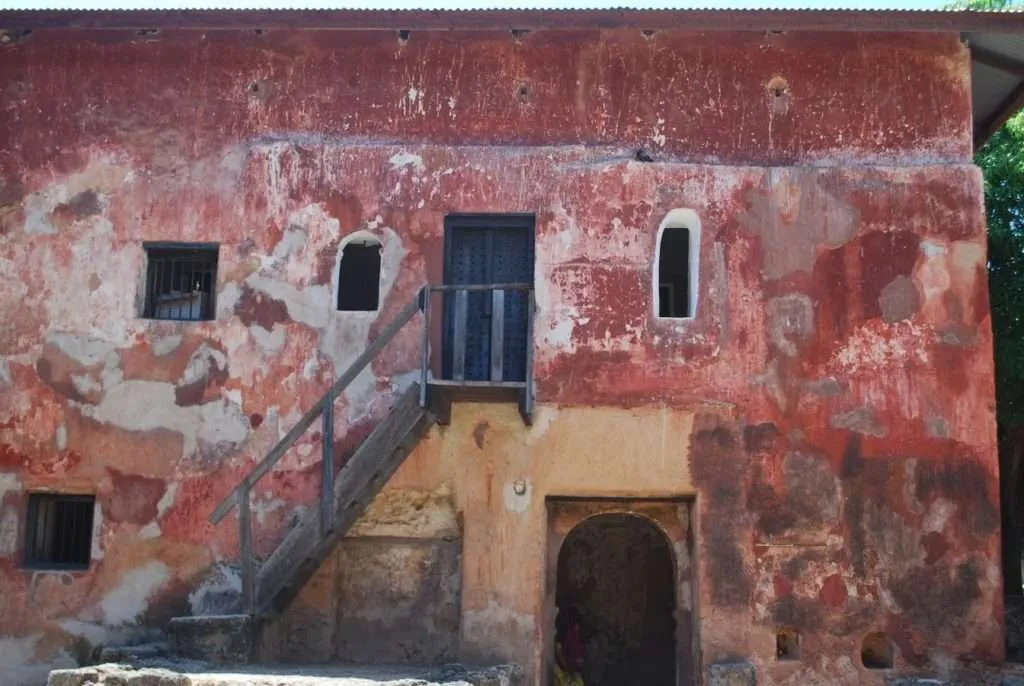
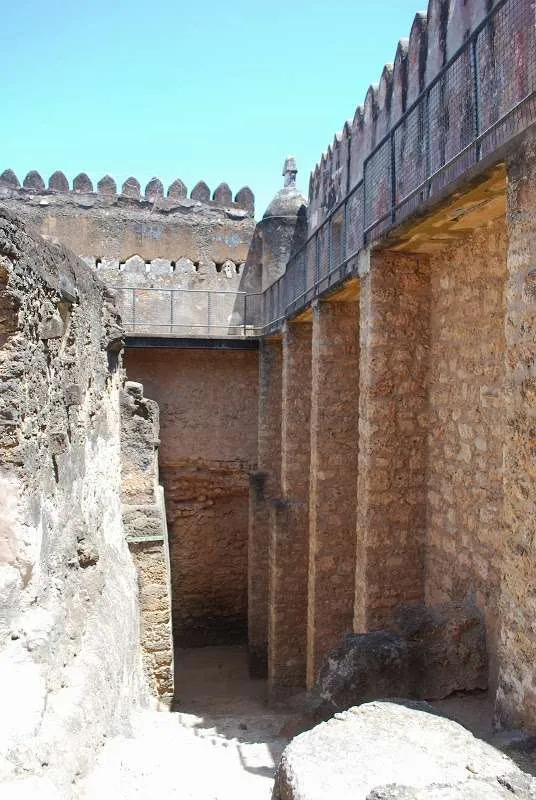
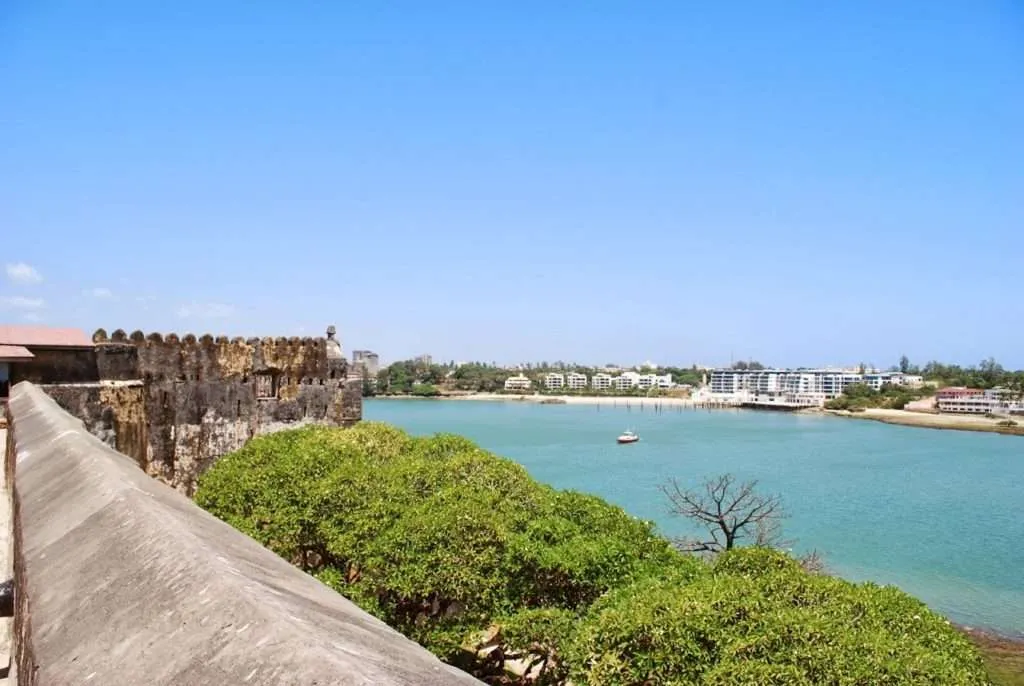
Things were getting better. We strolled through the streets of the Old Town during prayer (everybody was at the mosque). Then we sat down to cool down in the 33°C heat and tasted some delicious dishes. We made tasty contact with the Swahili cuisine.
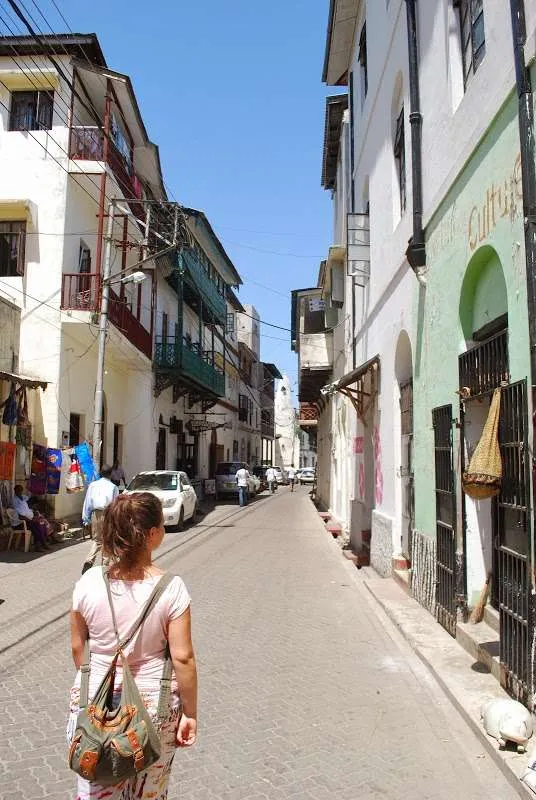
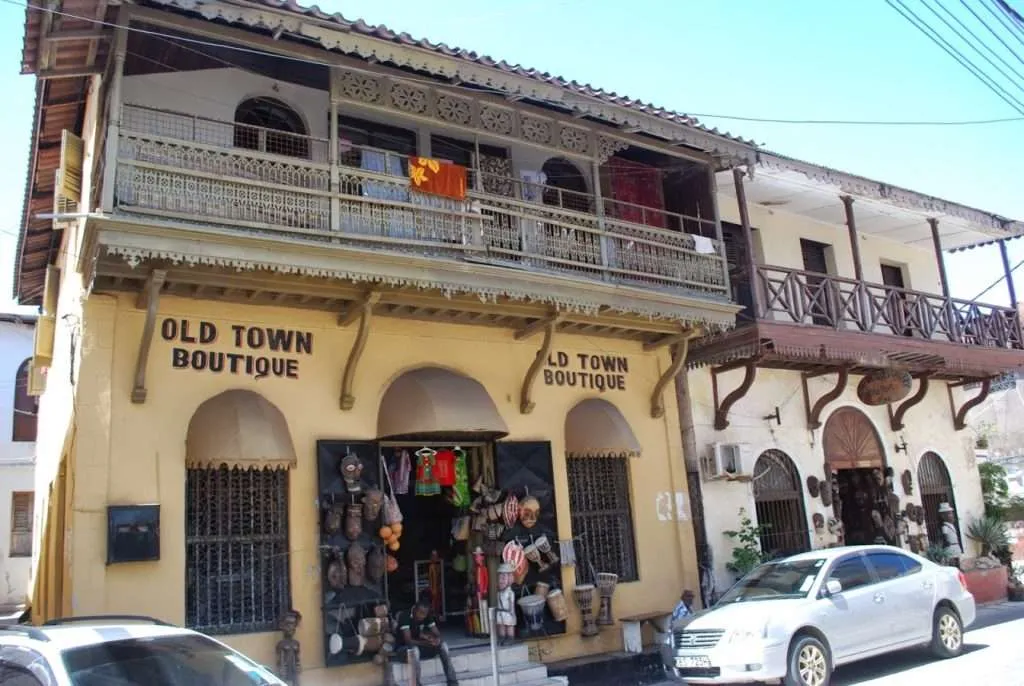
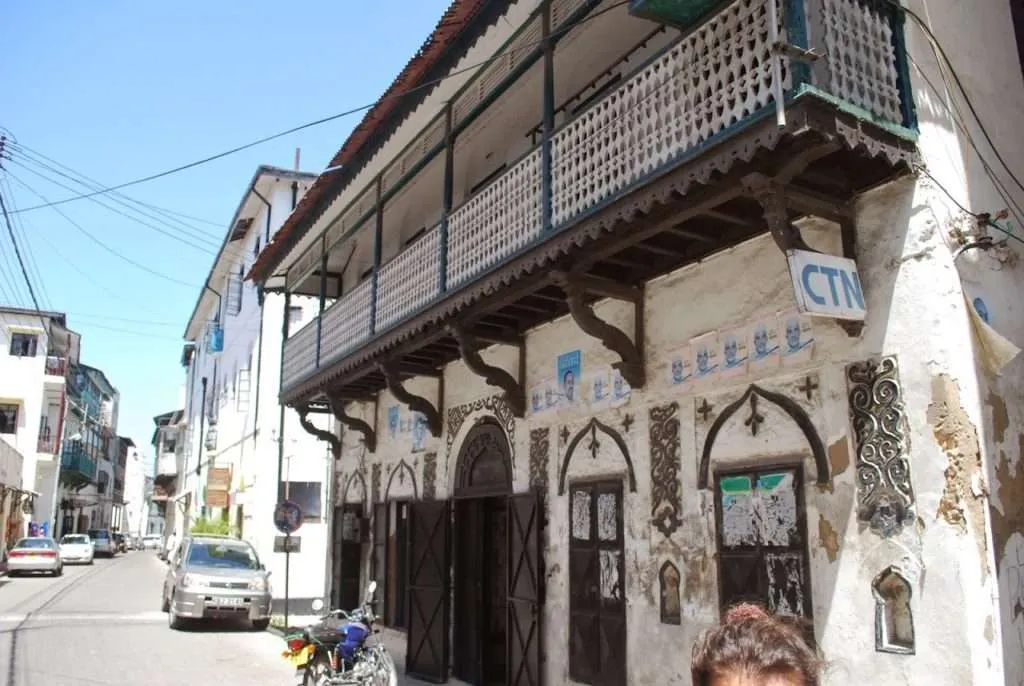
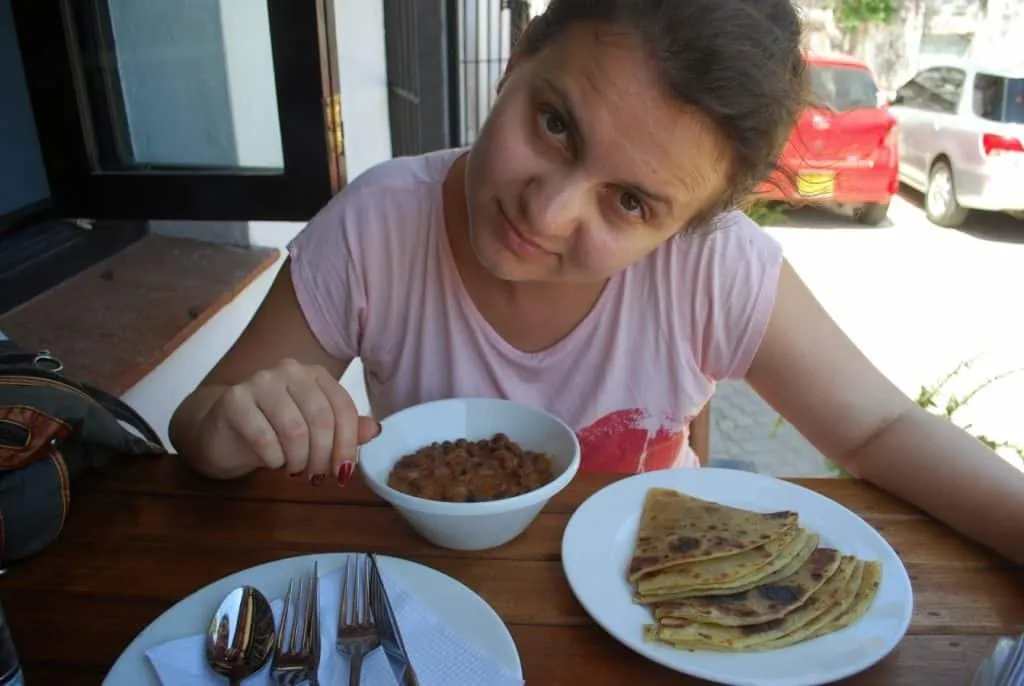
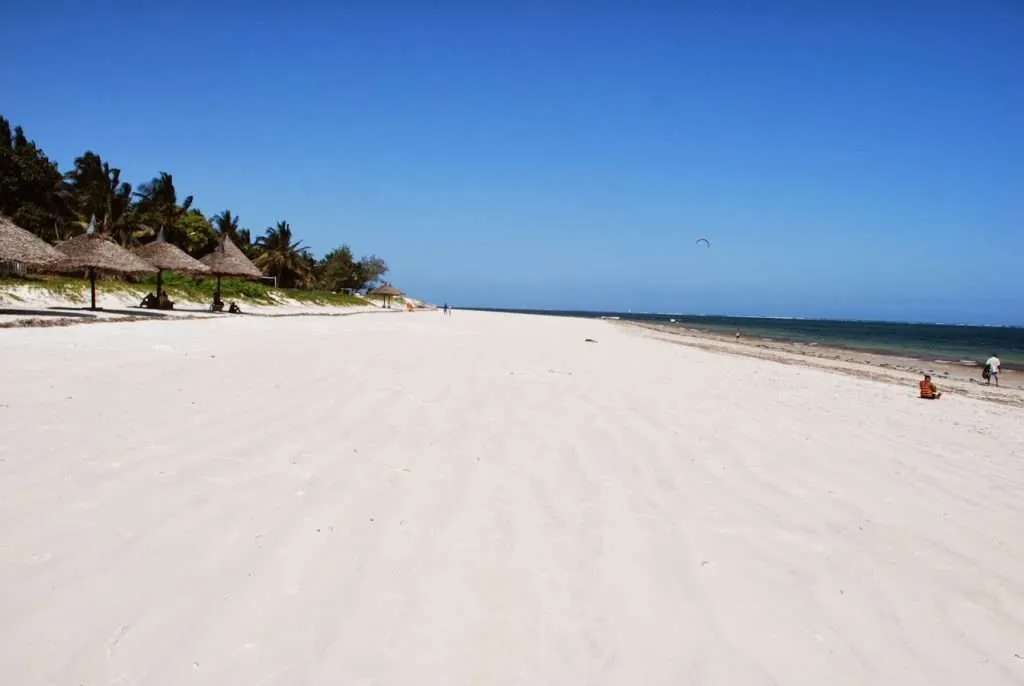
To preserve our good mood, we decided to jump to the fish and spices market. Then we took a tuk-tuk to the famous Nyali Beach. We enjoyed some relaxation time and fresh drinks. Later we headed for the hotel to prepare and rest before the long journey back to Sofia, or more precisely Mombasa-Nairobi-Sharjah-Istanbul-Sofia.
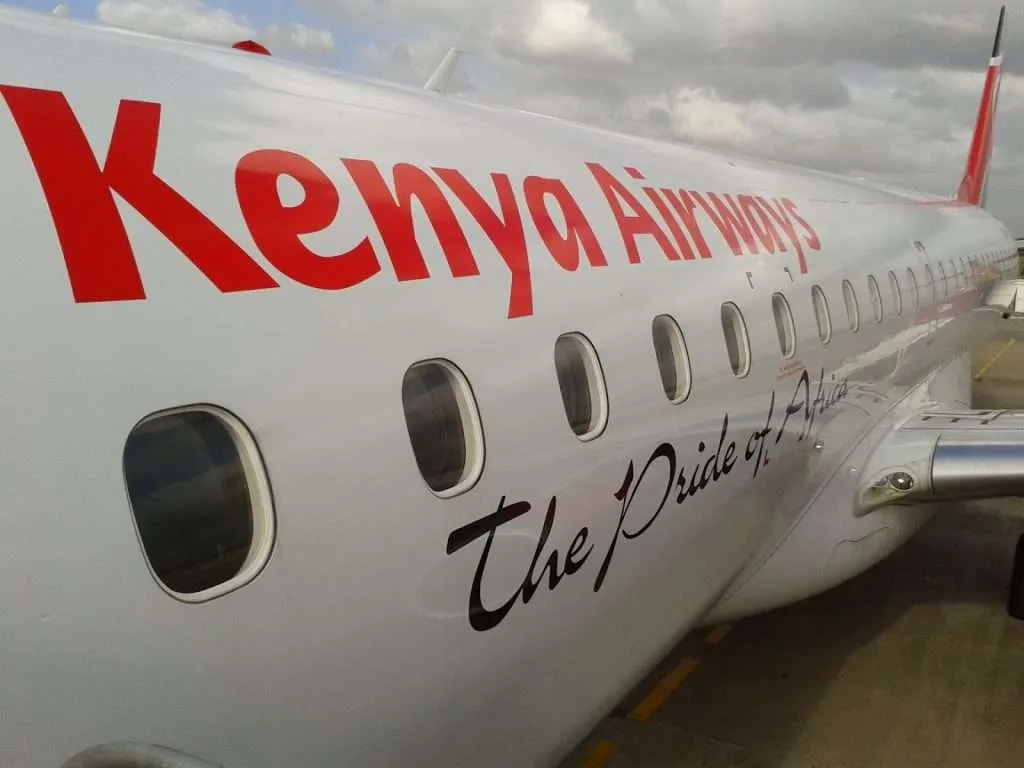
Conclusion: Mombasa can be turned into a good experience, but it’s hard.
The city is a famous harbor and it attracts all kinds of people and the streets are not pleasant. Be careful when walking through crowded areas or the bridges between the islands because the vendors of fruits and water become thieves in traffic jams. It’s best to travel by car with the windows up, because rarely, but it is possible that someone would throw something in. The quieter streets in the Old Town are more suitable for walking if you aren’t bothered by people, who claim to be tourist guides constantly mumbling and trying to get your attention. The seashore neighborhoods look calmer and pleasant and many people find peace in the huge hotel complexes.
The reality of the markets is pathetic. An advantage of Mombasa is the airport which allows you to go South or North, where the shore of the Indian Ocean offers something for anybody without brutal experiences. We would highly recommend going outside the city and finding an authentic Kenyan lifestyle in one of the many villages on the coastline.
Discover places and adventures through the eyes of the locals!
The book “The Magic of Traveling: Follow the Locals” will introduce you to impressive people from 14 different countries.
Do you like this post?
Travel together with us and get instant updates on our Facebook page.