A new journey was coming. We wanted to spend at least two months exploring a different region of our beloved planet Earth. The idea of traveling and doing a Central America backpacking itinerary started to crawl into our minds, uncertain and vague. We left for CA with many questions unanswered, and many things unclear, but with the idea that the journey will take us to the right places, the right people, and the right experiences.
Now that we’re back from this incredible two-month journey in Central America, we want to help anyone who’s still wondering if or how they should visit the region. Below you’ll find information on anything we were asking ourselves and the Internet before we took off.

Is Central America easy to travel independently and backpacking?
Central America is, in general, very easy to travel independently. Most of the places on our route welcomed from few to many travelers and tourists. Some more remote areas could be hard to reach and be explored on your own, so always search for more info on the current situation and if it’s suitable for travelers at all.
Most of the travelers we met in Central America were independent travelers which made our hearts smile. We like this trend of growing independent travel around the world!
The importance of your Spanish
Speaking some Spanish is important but not an essential part. Most of the popular places to visit are quite international and all the staff around can manage some English. Some more off-the-beaten-path areas would require at least basic Spanish to get along. You should know that conversations with locals are always the best way to learn realistic viewpoints, about the lifestyle and the situation in a country. If you want to make a conversation, you’ll need some decent Spanish.
We find really helpful to learn the numbers, the food, and the names of dishes – this way you can bargain and will never be hungry – two very important things in Central America, and almost anywhere on the planet!
Another comforting thought is that the official language of Belize is English – so you can spend more time there and communicate with locals (most of them speak English) and ask them about the other countries around – they may share some interesting stories!
Plan your day in advance
Even if your Spanish is not so good, knowing where you want to go, what you want to see, what you might want to eat – all this will be helpful. So at least knowing your direction and the approximate price could save your ass from getting ripped off or ending at the wrong place.
Ignorance is a bliss
We had cases meeting travelers who struggled too much to speak other languages than their native English. It was funny because they didn’t even get to understand the situation at all, be it complex and not looking good or positive. The funnier thing was that every time those people managed to get what they want, get the best rate, find the best option – just like that. A part of their success hides in probably being with the right people to translate (read us) at the right moment, or just because it’s a bliss not to know what’s going on.
We still want to warn everybody that being ignorant doesn’t always end with a happy end so doing this will test your luck.
Being brave
Some say you need to be super brave to go travel on your own outside the “modern western world”. We don’t agree with this statement. It takes just a tiny step to go from your independent travels in Europe to your independent exploration of Central America. It’s a tiny step but you need to be brave and open-minded to make it.
We generally believe that goodness and kindness are universally spread and if you are a good person and make good, you’ll receive the same wherever you go. The hope for the universal value of “good” is what drives us to travel everywhere!
Traveling solo in Central America
We received a lot of questions from people who want to travel solo through Central America. We can actually recommend traveling the region solo as much as we recommend doing it in a couple or a bigger company.
Solo travelers are rarely alone, it’s very easy for them to find friends, also travel companions to places they’ll feel better with someone else. We spent a lot of social time with solo travelers and all of them were so happy they did this journey solo. We almost got jealous – being able to be with people when you want and being alone when you want is a cool mix!
Is solo female travel in Central America safe? Well, the only difference we noticed is that ladies were more careful about walking alone after dark or going to more distant places alone. But it’s a precaution we, as a couple, also took. Some towns are known for their doggy after-dark reputation, and sometimes traveling to distant places is always better done in a group. So a solo trip to Central America – yes, please!
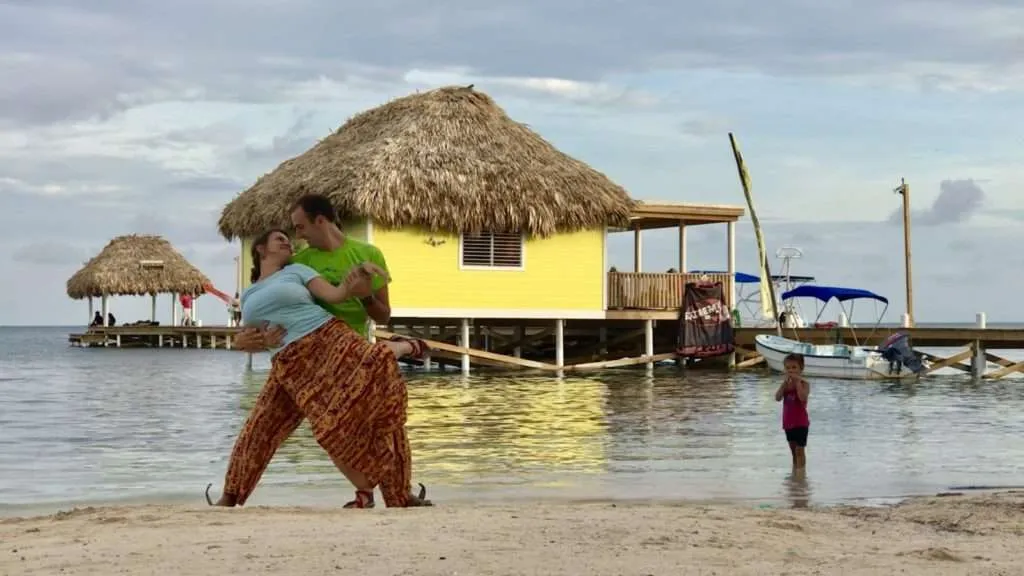
When to go to Central America?
Having in mind we wanted to travel in October and November, there was this one question that bothered us the most: Is it going to be okay during the rainy/hurricane season?
In reality, it was absolutely fine. Yes, it was the end of the hurricane season in some places and the end of the rainy season in others. We had some plans changed because of the weather. The biggest loss was not visiting Isla Mujeres in Mexico because of expecting tropical storm Nate to hit the ground near Cancun. It didn’t hit but all the marinas were closed for a day or two.
Another change of plans occurred when a totally unexpected during this time of the year and region rain poured for a day in El Tunco, El Salvador. What we did was chill and relax one day more, until the weather got better for moving on. Other tropical rains were just a nice shower for us in the heat or just urged us to take it slow and enjoy doing nothing for a while.
The heat was close to unbearable in places. The humidity didn’t help too. But we’ve experienced worse and we’ve felt worse so this was okay for us. Staying hydrated (with water, not beer), staying under the shadow, and not overeating are our advice if you have to survive tropical heat and humidity.
There were few places where we had to put on jackets though. And this is not related to the freezing temperatures in all the air-conditioned buses. It’s about being a little bit higher – higher altitudes, nights in the mountain, windy cloud forests, too rainy rain forests – those were pretty much all the occasions we had to pull out the jackets.
We’re very happy with the time of the year we spend in Central America. It was mostly low to mid-season, which meant no crowds and better opportunities to improvise and not book too much ahead of time anything.
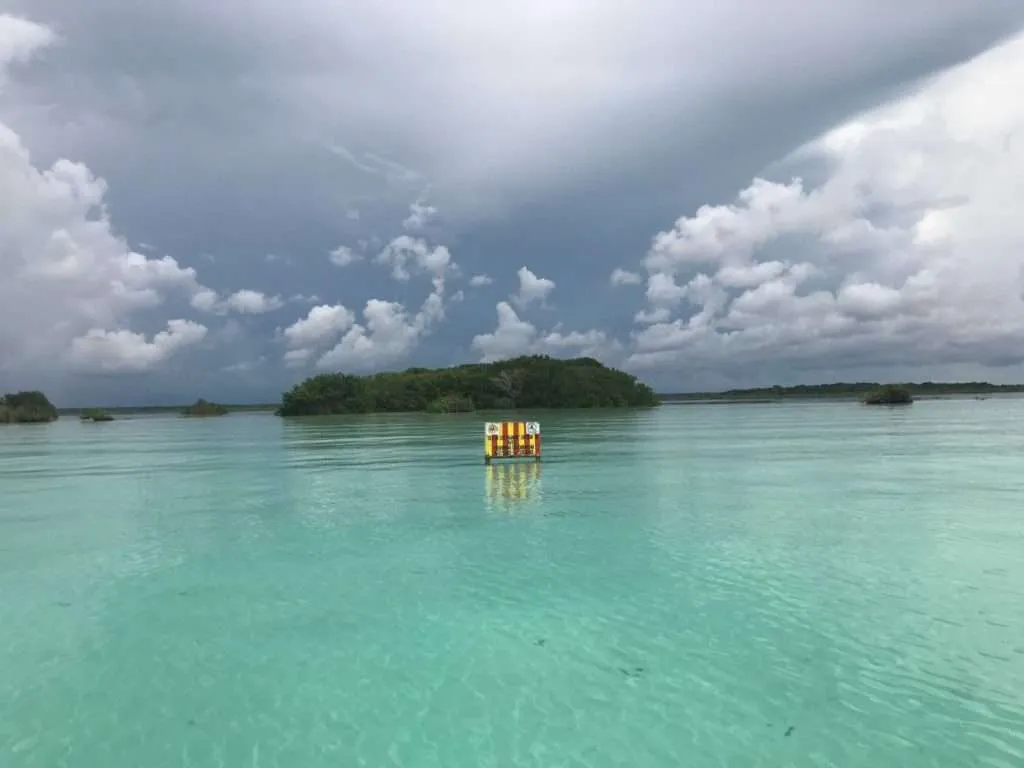
What places to put on our Central America itinerary for 2 months?
No matter how much time you can spend in a place, it will never be enough. We gave up trying to see/experience/do/cover everything a while ago. Traveling is not about ticking checklists created by public opinion, trends, or even yourself.
This blog post contains some affiliate links to services and products we like. If you book through those links, we’ll get a small commission at no extra cost for you. Thank you for helping us keep The Magic of Traveling going!
We decided to let the journey take us wherever it decides. We left a lot of room for improvisation, new plans, anything. We arrived in Central America with nothing but a return ticket to Europe and an Airbnb reservation in Cancun for the first couple of days.
Thanks to being open and flexible, we managed to define our Central America itinerary on the go, following advice from blogs, travel books, and people we met on the road. We were booking places to sleep 2-3 days in advance at most. That was the best decision and now that we fully experienced the benefits of it, we’ll strive to travel like that mostly. Whenever and wherever applicable, of course.
We had a proper guidebook in hand – Lonely Planet’s Central America on a shoestring guidebook. We used it as a source of help and inspiration whenever we needed to. All the rest was just the magic of traveling leading us.
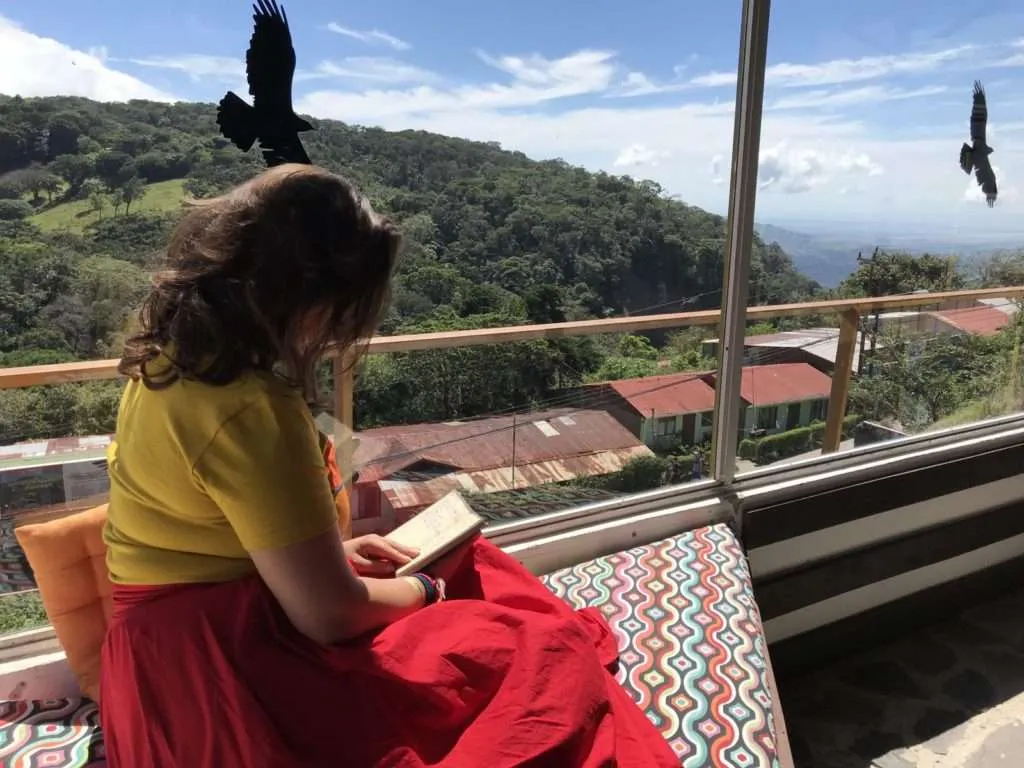
Currency
The embedded converter never stops working.
When you travel between countries with different currencies, it could be confusing. Our embedded currency converters didn’t stop converting all the time. In Mexico, the pesos we divided by 10 to BGN and by 20 to EUR. In Belize it was easy – 1 USD = 2 Belize dollars. So from Belize to BGN – multiply by 0.9 – easy. In Guatemala we struggled for the first days to find the perfect formula to convert from Quetzals- but then we just divided by 4 to BGN (by 8 to EUR). El Salvador was no fuss at all – they use US dollars. Honduran Lempiras, we divided by 15 to get the value in Bulgarian levs. Nicaraguan cordobas we divided by 20 to BGN (40 to EUR). In Costa Rica, the exchange was between 500 to 600 colones for a US dollar, but to leave the complex math out, they accepted dollars everywhere with the change back in colones many times. In Panama we finished with an easy deal – their balboas are equal in value to US dollars, and we only saw balboas in coins.
Changing money
Never ever change money at the border if you have other options! That thing is true probably everywhere but in Central America is the first law. We got literally ripped off with some exchange rates and the only comforting thought was we didn’t change a lot of money.
We never used “official” change bureaus but we feel it was better this way. To start a trip to Central America, we advise you to bring in some US dollars – they are accepted in many countries and easy to convert in others. Euros are not converted at a decent rate, especially in Guatemala where they even gave fewer quetzales per euro than per dollar.
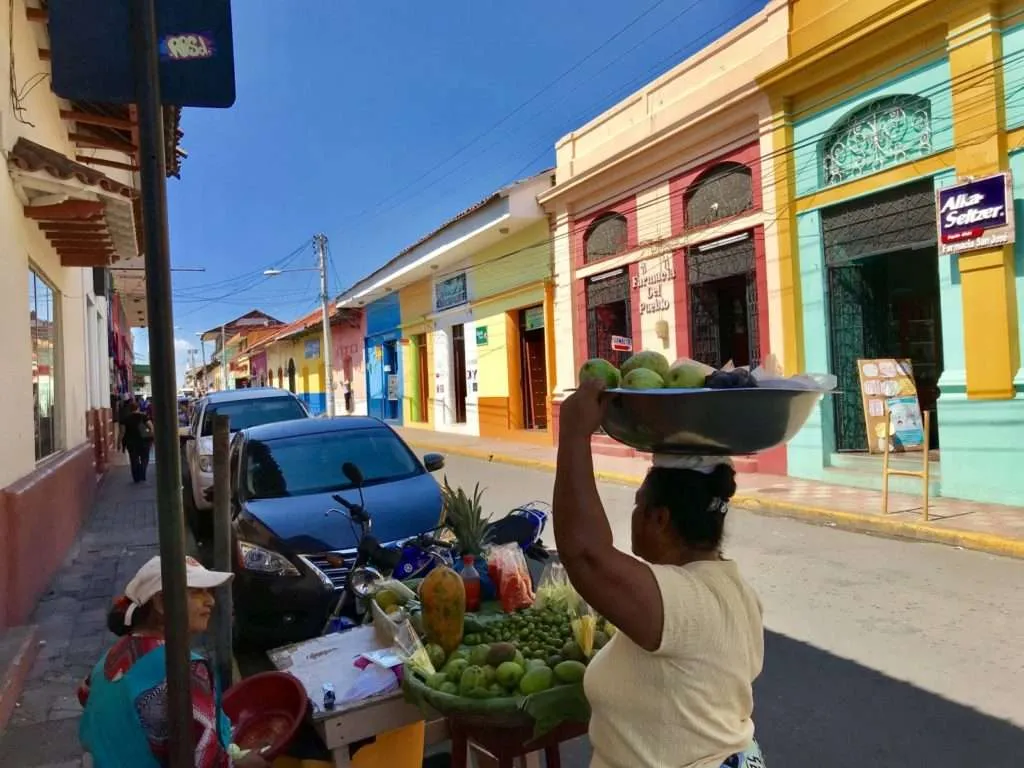
ATMs
There are many ATMs that would offer you the option to withdraw dollars or local currency. Speaking of ATMs, we were very happy with those of Credomatic and the red ones of BAC. We found them in a few countries in Central America and they always gave us money. Unlike many others that were so annoying!
General security precautions on drawing money from ATMs – always go for guarded or at least closed ATMs. We’ve heard bad stories about lonely open ATMs somewhere on the street or in places with no police/security around. Some towns don’t have ATMs so you need to plan ahead of time when you’ll need cash.
Card payments
Belize, Panama, Costa Rica – cards were widely accepted. In some cases they charged us extra for paying by card or paying online – annoying, but could happen and paying cash is the cheapest way always. In the other countries of Central America, cards were mostly not accepted. Speaking of small to medium businesses – if they accepted cards, that would be a reason for a serious celebration on our side.
Budget for a Central America backpacking trip
We met people avoiding countries like Belize just because they were more expensive. We stumbled upon many misconceptions and stereotypes of “expensive” countries and places. The truth is somewhere there – some of the Central American countries are more affordable, whereas others are quite polished for tourists and expensive. The most expensive country in Central America, IMHO, is Costa Rica. Followed by Panama and Belize, and then maybe Mexico. Honduras, El Salvador, Nicaragua, and Guatemala we found conveniently affordable.
Some important pillars of our budget would be the airfare from Brussels to Cancun – we found a deal of 300 euros one-way. If we were more flexible with dates and booked earlier, prices could go down to 150-200 euros for a one-way ticket between Europe and Central America. All the expenses as accommodation, food, activities, and transport inside Central America, are worth up to 1500-2000 euros per person per month. We slept in mostly private rooms (with shared bathrooms), ate street food, cooked at hostels, or ate out very rarely. We mixed local transportation with tourist shuttles and we probably spend the biggest chunk of money on activities and experiences. By the way, you might want to consider renting a car for sections of the journey or the whole journey – find great deals on DiscoverCars.com.
Safety
And here we go, we reached our favorite topic. First, we advise you to follow any generic security measures and precautions. Like, always keep your room locked, or lockers locked, and don’t stroll around with too many valuable shiny things (especially after dark). We tried to carry lesser amounts of cash and cards with us. This is general stuff and we usually do it everywhere we go, even at home.
Some Central American countries suffer the prejudice of some people and are being called extremely dangerous on very blurry grounds. We traveled to every country of Central America and suffered no street crime, theft, or whatever. Some cities, though, have this bad reputation of being the playground for drug trafficking, street gangs, or other dangerous illegal activities. We avoided those places as much as possible and always talked to locals if we had the plan to do something outside the beaten protocol.
For example, we hiked the Indian Nose near Lake Atitlan in Guatemala with a guide with a machete, as we heard they rob independent hikers quite often. We skipped walking around Santa Ana city center at night as all the locals advised us (they don’t do this either). On the other hand, we had to hitchhike a bit in Mexico and left all of our belongings in the open tropical forest in Costa Rica or on the tiny island full of strangers in Panama, so we’d done some dangerous stuff too! But if we can’t give the benefit of the doubt to people every once in a while, how are we going to enjoy life at all?
Advice on accommodation
We aimed to stay more with locals, in guesthouses and hostels with cool vibes, instead of at big soulless hotels. We opted for double rooms rather than dorms wherever it made sense financially. Choosing places that attracted us to something special, be it the view, the nice host, or more experiential stays, was our strategy.
We enjoyed some accommodations a lot, some were so-so, and very few turned out to be a poor choice and a waste of nerves.
Recommendations on how to choose the right place for you in each of the Central-American countries we visited will be put together in a separate post. Coming soon, of course!
Borders and immigration
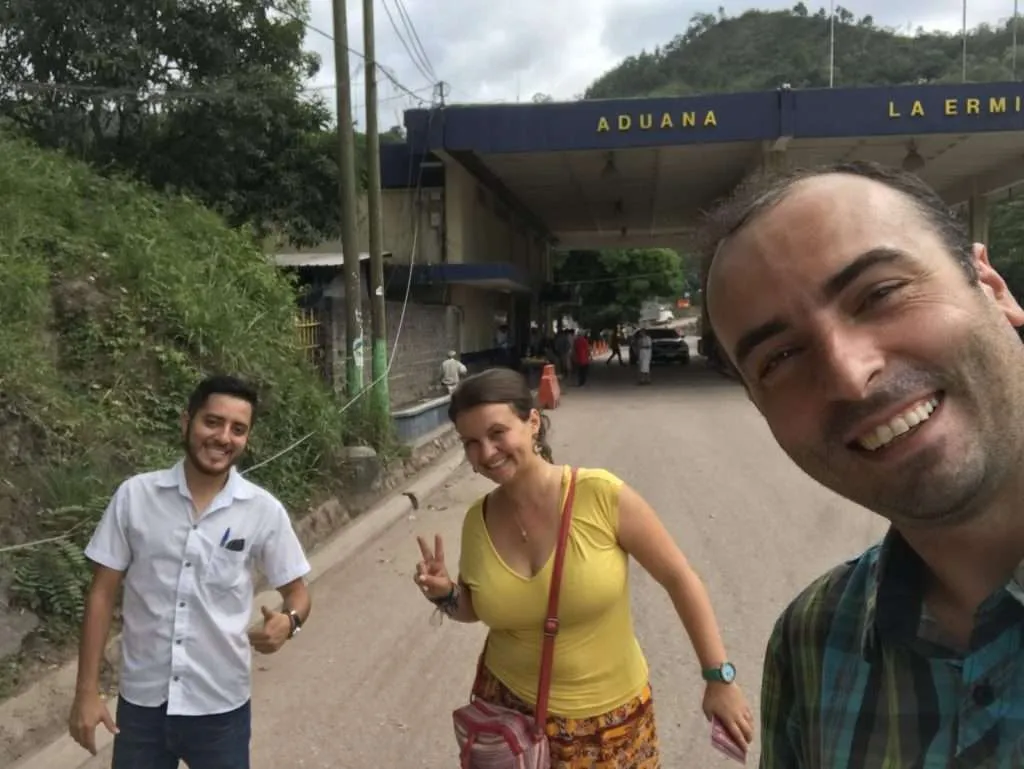
Crossing borders, dealing with immigration – below you’ll find some tricks and remarks on our border experience through Central America. As Bulgarian citizens, we didn’t need visas and were allowed to stay up to 90 days in each of the countries. Here are some of the land borders specials, as we were crossing from Mexico all the way down to Panama by land.
Mexican exit fees can vary between different borders. If you fly in and out of Mexico, it’s probably included in your airfare, but you have to show a document that says the Mexico border fee is included, otherwise you will pay, just as we had to do when crossing to Belize. At the Chetumal sea border, there was a dog sniffing all the bags. That was actually the only luggage check.
When we arrived in Belize (and paid all the taxes which are fixed and mentioned in advance), the border staff even wanted to help us find a place to stay as we weren’t getting picked by the boat terminal. We expected we’ll have to pay a small “tip” when crossing from Belize to Guatemala, but we didn’t have to. That happened on the way from Guatemala to El Salvador, where the currency conversion rate imposed a small “tip” of about 50 cents per person.
ES to Guatemala to Honduras – nobody noticed our car passing, but we returned to get stamps and prevent problems at following borders. Entering Nicaragua is the most time-consuming border-crossing experience ever! We had announced our crossing with all data necessary in advance, and still, it took more than 2 hours of ridiculous “procedures” to let us in. They measured our temperature, asked super weird questions and didn’t write down answers, washed and sanitized the van, and probably conducted their famous “background checks”.
Leaving Nicaragua was a piece of cake. As soon as we paid the “municipality fee”, we put our bags in a scanning machine nobody paid attention to and we entered Costa Rica with our proofs of exit (could be a plane or bus ticket). When we were leaving Costa Rica, they really got on our nerves as we had to pay a ridiculous dealer fee for dealing with the exit fee because the automatic machine wasn’t working. I strongly believe it had never been working, anyway. The border of Panama was like a huge open-air casino. Not our cup of tea, so we hurried to get our stamps before we sank into shining glittering duty-free shops and indecent entertainment.
Helpful stuff
Here is some helpful stuff. The WhatsApp messenger app is widely used in Central America so any independent traveler is advised to install it (it’s free) and use it to arrange things and chat.
Tap water was drinkable and quite delicious in places, especially in the mountains, and not good for drinking in most of the bigger cities. Always ask first if you want to drink tap water.
Central America itinerary by country
We did our best to draw our itinerary through Central America. You can go to the map and explore where we went.
Mexico, Yucatan itinerary
Cancun – Chichen Itza, Valladolid, Ik Kil cenote – Playa del Carmen – Cozumel – Akumal beach – Tulum – Coba ruins – Laguna Bacalar – Isla Mujeres (on the way back)
Belize itinerary
San Pedro – Caye Caulker – San Ignacio – ATM cave – Xunantunich ruins
Guatemala itinerary
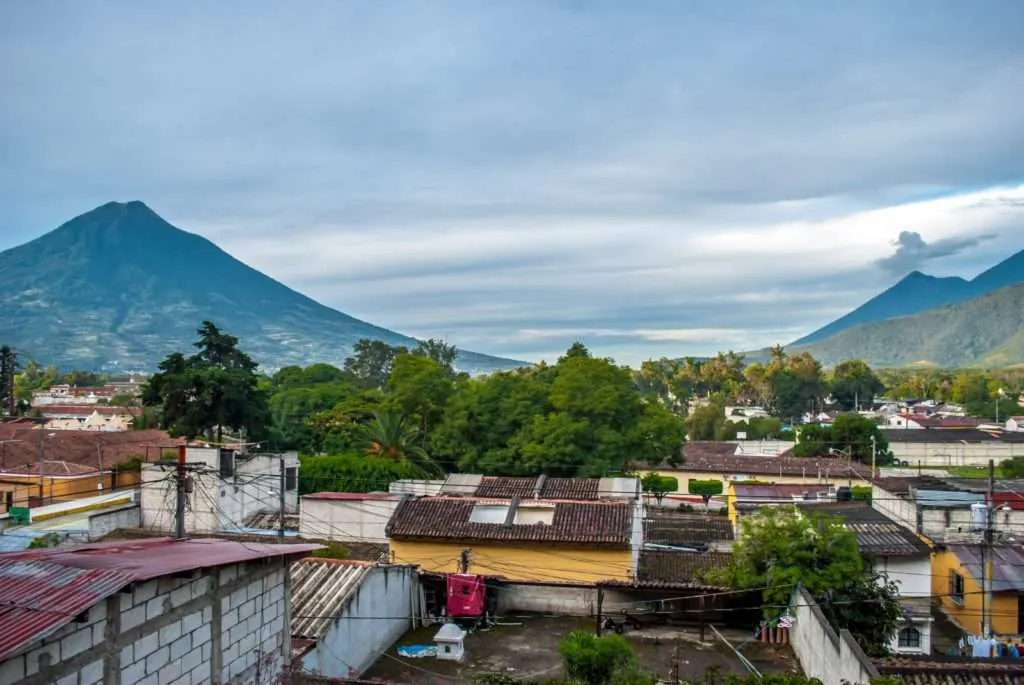
Tikal ruins and park – Flores – Antigua – Lake Atitlan (many different villages) – Antigua
El Salvador itinerary
El Tunco – Ruta de las Flores – Santa Ana – Santa Ana volcano
Honduras itinerary
Copan ruins and town – Utila island – a day in the countryside
Nicaragua itinerary
Leon – Telica volcano – Granada with island hopping – Masaya volcano – Ometepe island – San Juan del Sur
Costa Rica itinerary
Monteverde – Manuel Antonio national park – Corcovado national park
Panama itinerary
Boquete – Bocas del Toro – Panama City – Panama Canal – San Blas islands
Unbelievable experiences
This section will be an ever-growing part of this article. We’ll help you become part of our unbelievable breathtaking experiences in Central America.
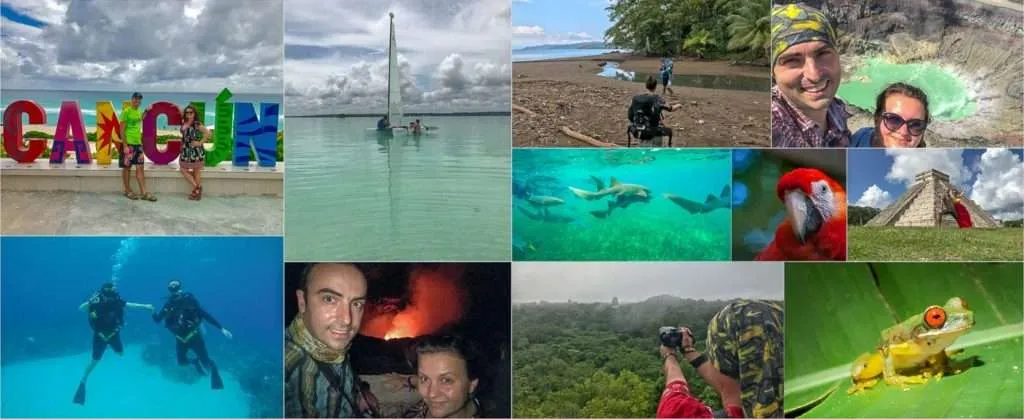
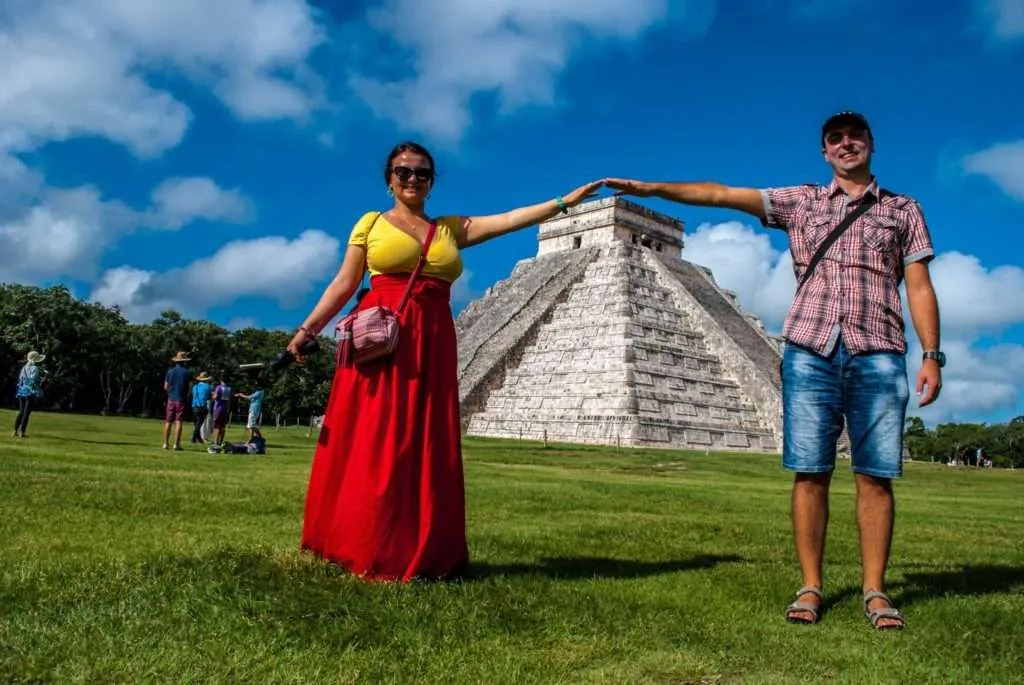
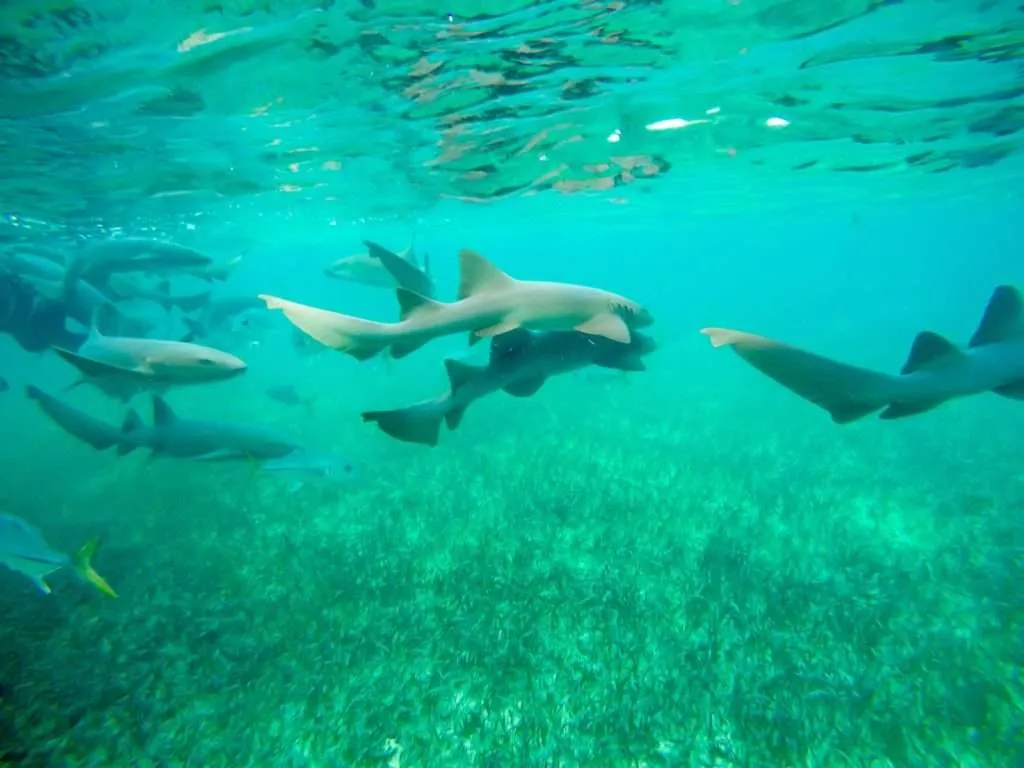
Like the time we set foot in Chichen Itza, one of the New 7 Wonders of the World. Or when we first encountered sharks while snorkeling in Belize. Or when we greeted the sunrise in Guatemala like true rebels from Star Wars. And when we climbed a volcano in some of the “most dangerous countries in the world” – El Salvador.
When you hike the countries in the middle of nowhere and realize locals are so friendly and you’ve been missing when you listened to second-hand advice on Honduras. When you go diving in Utila and survive your husband’s attempt to drown you. If you managed to conquer another volcano in Nicaragua. Or if you survive the heavy rain in the rainforest of Costa Rica. Or when you become friends with locals who live on their own paradise islands in Panama.
The guide to Central America for the independent traveler
We hope you enjoyed this guide to Central America and found it useful. Do let us know what you think and give us your suggestions on how to expand it. Especially if you’ve already discovered this amazing land, those friendly people, and that mesmerizing atmosphere in the center of the American continent!
Do you like this post?
Travel with us and share our journey on Instagram! Do you want to support us – learn how here!


13 Responses
joesaw
Looks like you had a great time! I would love to go one day, although probably need to work on my Spanish first! Thanks for the helpful tips.
Bistra Yakimova
You’re welcome! Fluent Spanish might not be necessary, but at least cover the basics – numbers, food, very small talks – it will be helpful!
Anna
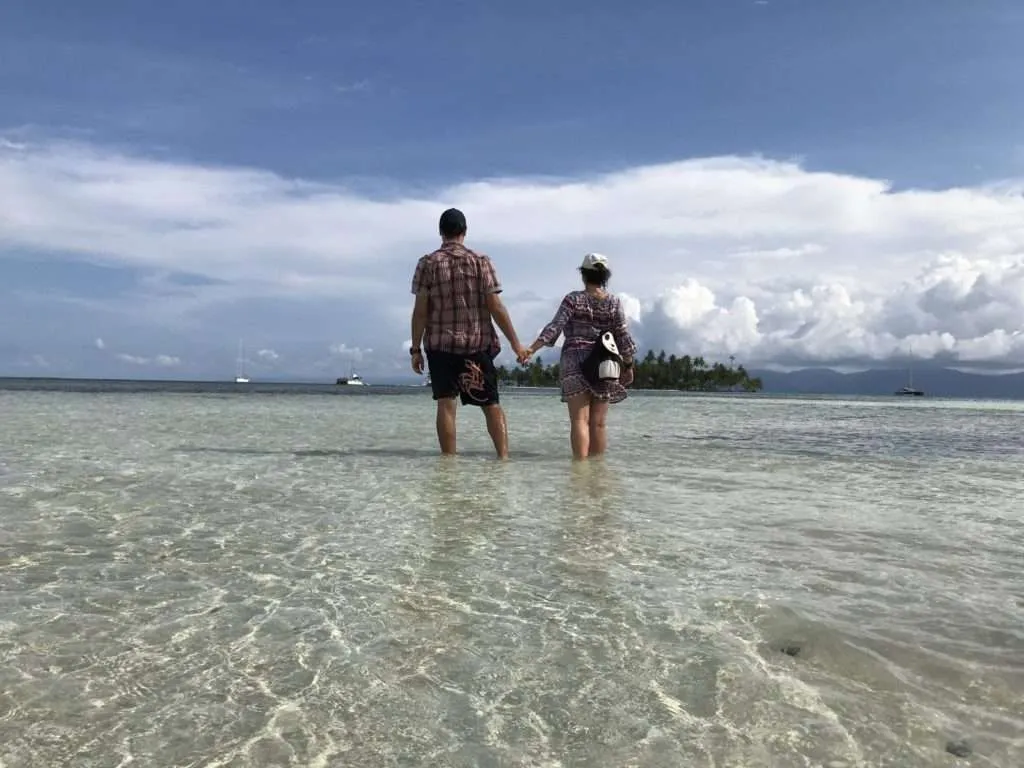
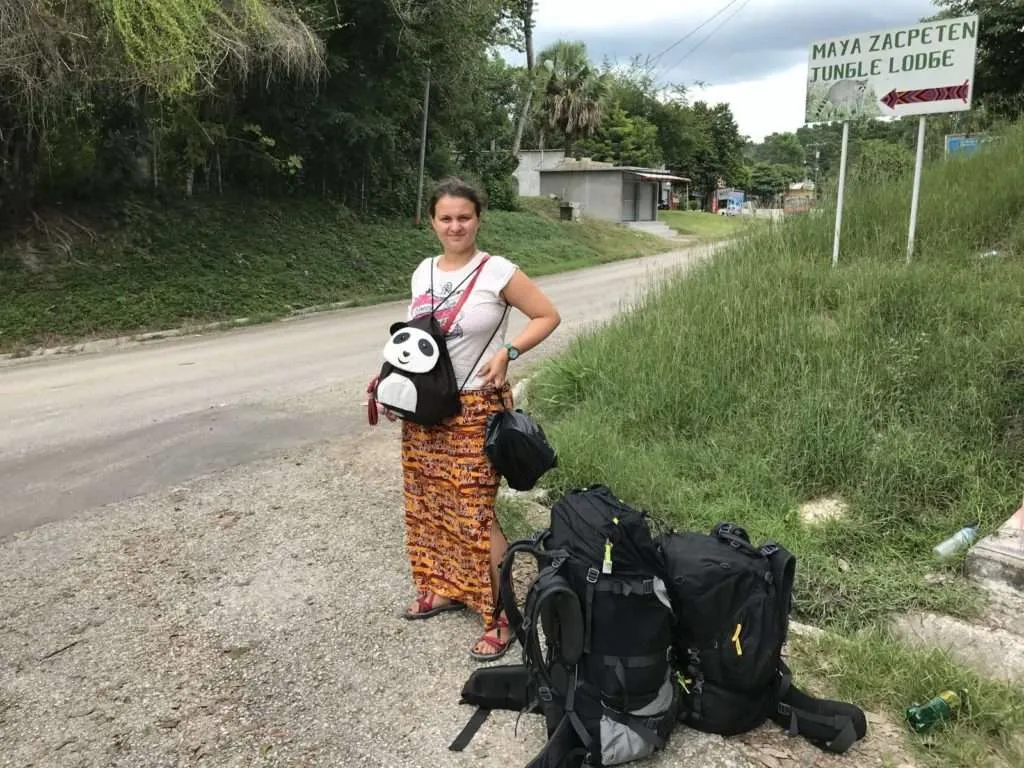
Great comprehensive guide! Also I love your panda bag!!!
Bistra Yakimova
Thank you! Panda goes with us on every faraway journey – she’s a real globetrotter! 🙂
Kevin Wagar
Awesome post, and so detailed! I’ve seen quite a bit of Central America, but not nearly as much as you guys! Love all the inspiration, tips and suggestions. I’ll be using these when I go back to hit the rest of the region.
Bistra Yakimova
Thank you, Kevin! The region is so full of… everything so it inspired us to put plenty of articles. Hope you return for further exploration!
Antonina
What a comprehensive guide! At the moment I can only dream about these destinations, but when/if I make my way to Central America, I’ll definitely make use of your tips. And yes, you’re right, sometimes it’s a bliss not to know what’s going on 🙂 Luckily, I do speak some Spanish, and I try to keep it alive by watching lots of Almadovar’s movies 🙂
Bistra Yakimova
Hey, Tonya! We hope one day you’ll get to that part of the world and you’ll enjoy it! Watching movies is one of the best ways to keep the language alive! One of the main reasons we travel to Spanish-speaking countries so much is that we want to keep it alive in us, too. 🙂
Jon Bailey
Crossing all of the borders sounds like a hassle, we will keep it in mind for our travels! Sorry you didn’t get to visit Isla Mujeres because of the hurricane, but it seems like you still had a great time.
Bistra Yakimova
Yes, crossing borders can be a frustration…
We actually managed to visit Isla Muheres on our very last day, on our way back – we loved it! Although there was a tiny storm coming…
Top 5 Things to Do in San Juan Del Sur, Nicaragua
[…] If you’re planning on spending more time in Central America, check out this guide to Central America […]
15 Best Things To Do in Guatemala | Beyond my Border
[…] Needless to say, this experience comes for free. Well. you better wear sandals or flip-flops so you don’t have to dry your shoes later. And be prepared for the awkward looks of the passers-by. Some of them will eventually join you in puddle hopping. This was our experience spinning the negativity of the overflowing Peten Itza lake to a very memorable fun time in Flores and a highlight of our stay in Guatemala and Central America! […]
13 Things to Do in Granada, Nicaragua's Colonial Gem - Eternal Arrival
[…] a great place for independent travelers to Central America, so be sure to add it to your itinerary if you’re planning a trip to […]