13 Days of Sand, Blisters & Beautiful Views
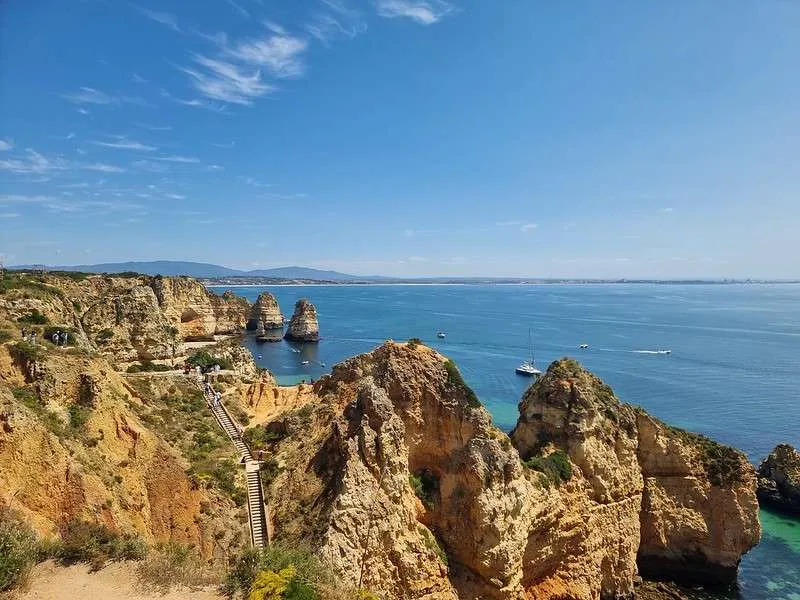
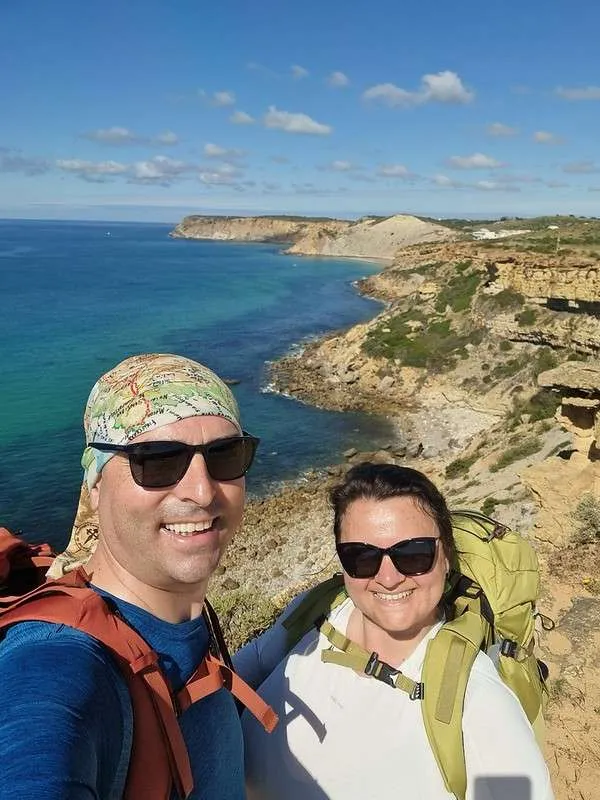
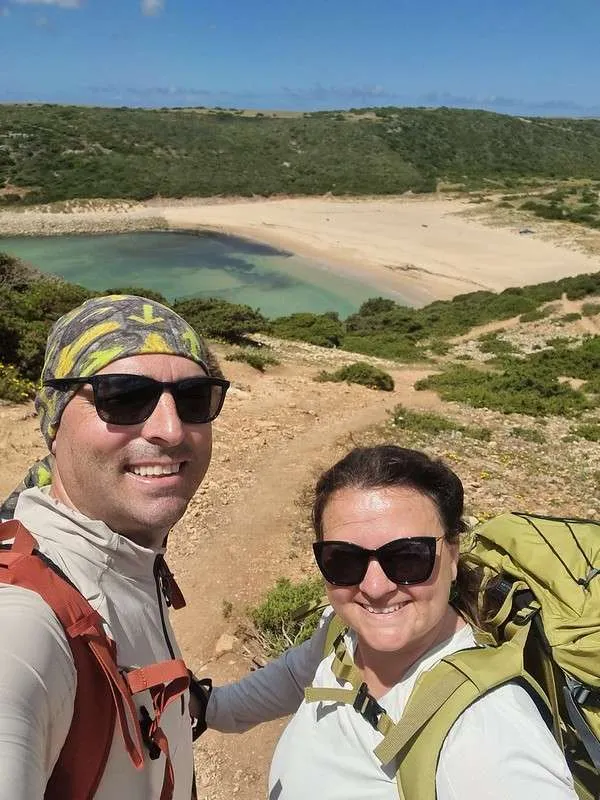
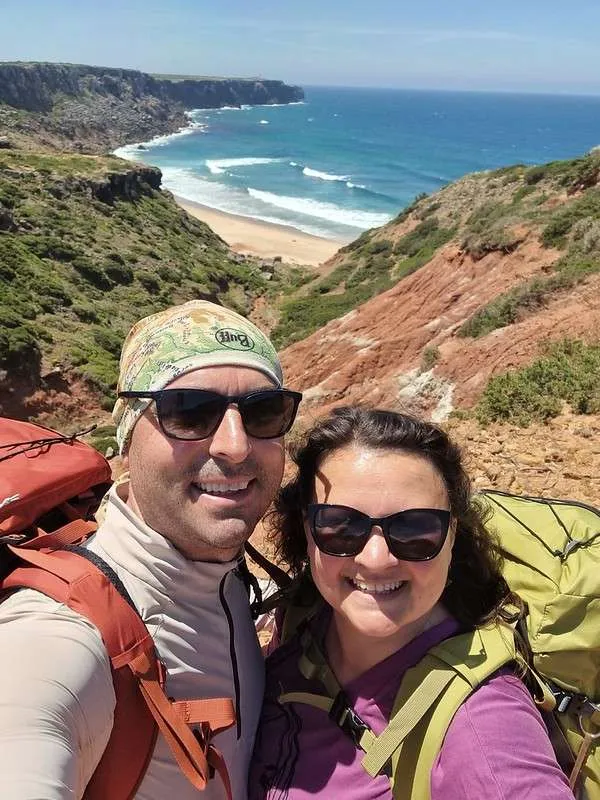
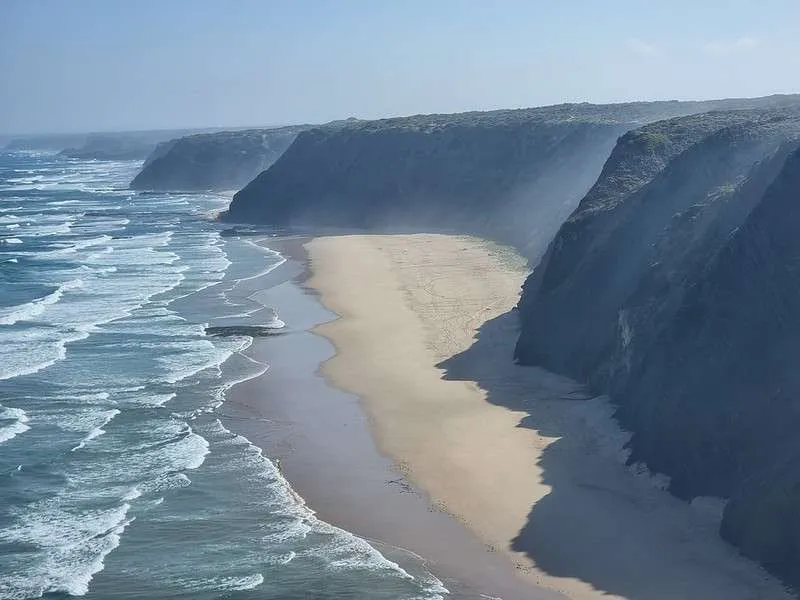
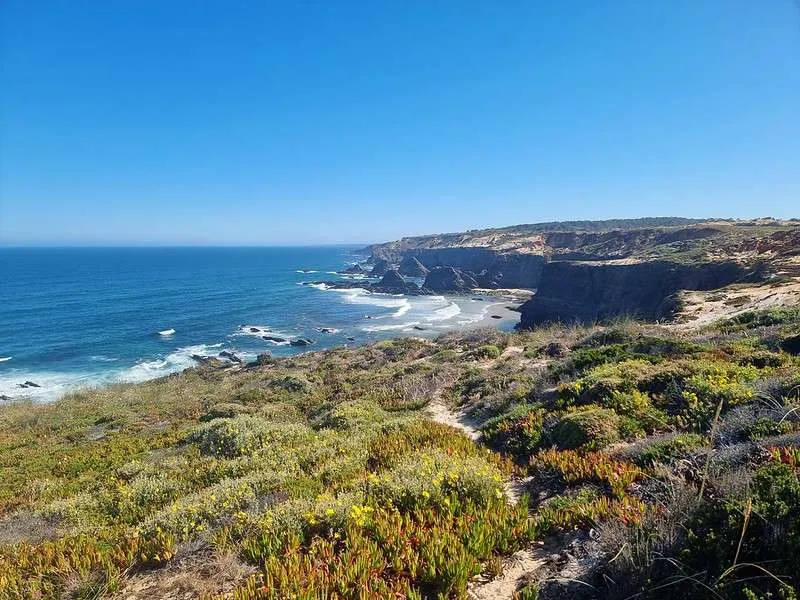
We walked the Fishermen’s Trail, thinking it would be a chill coastal stroll. Spoiler: it wasn’t. But it was also one of the most beautiful, confusing, challenging, hilarious, and grounding experiences we’ve had. Think of it as a love letter to Portugal’s coast, written in sweat, sunscreen, and grains of sand that are still in our shoes.
Although both of us had unforgettable times walking Rota Vicentina, our experiences are quite different. That’s why we want to say that this is not a guide. It’s a survival memoir with snacks, sunsets, and some spiritual breakthroughs (mostly delivered via melons and mantras).
So, Why the Rota?
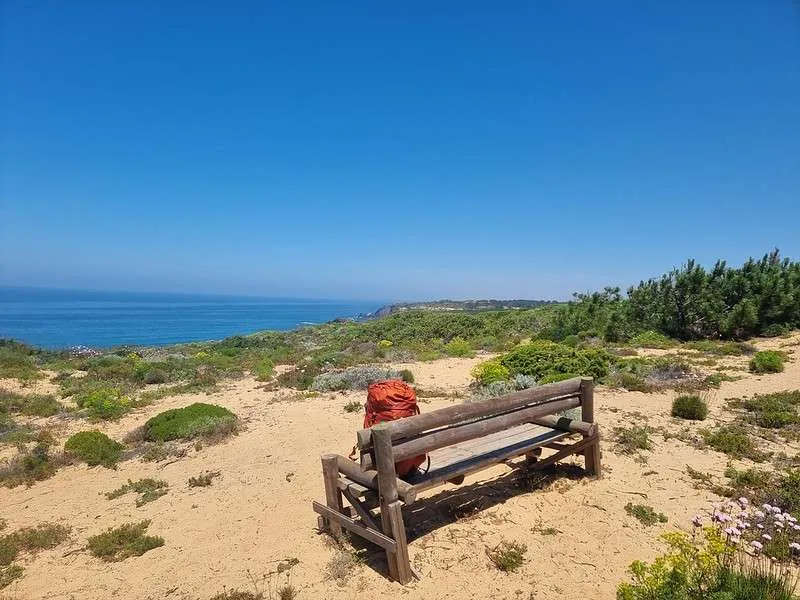
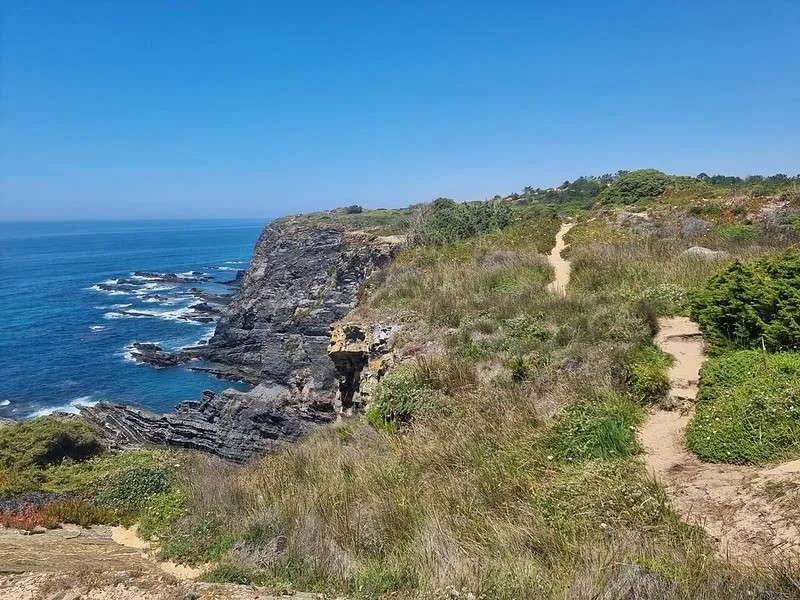
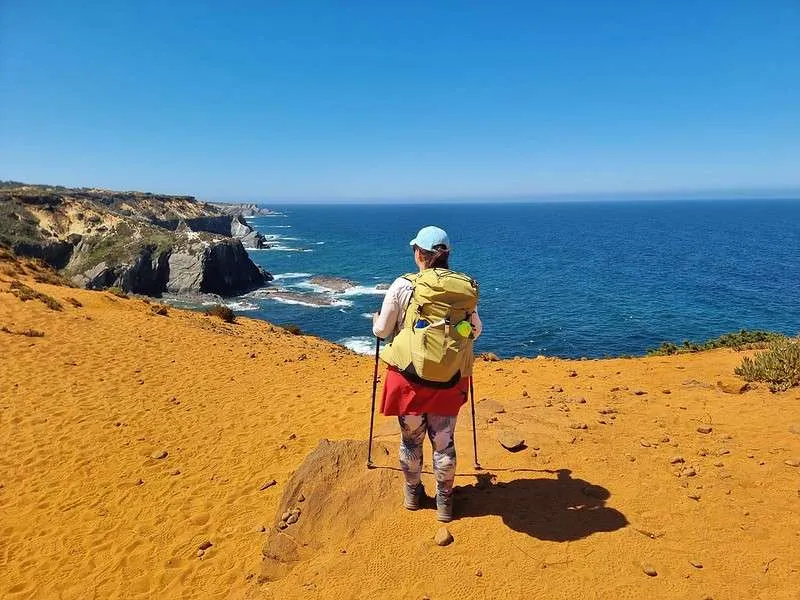
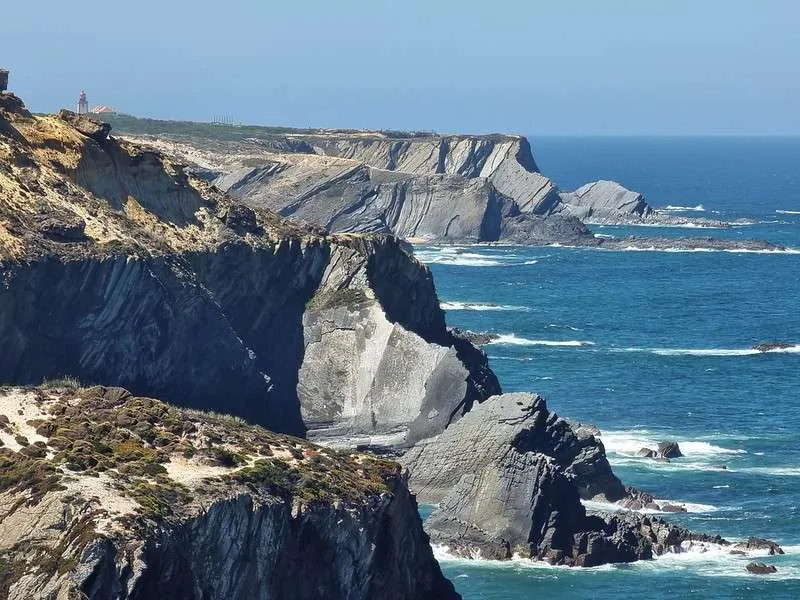
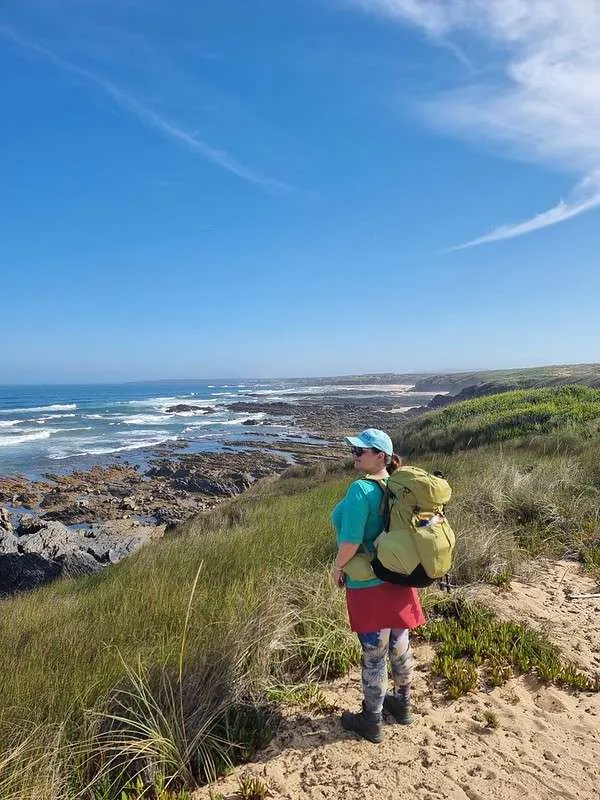
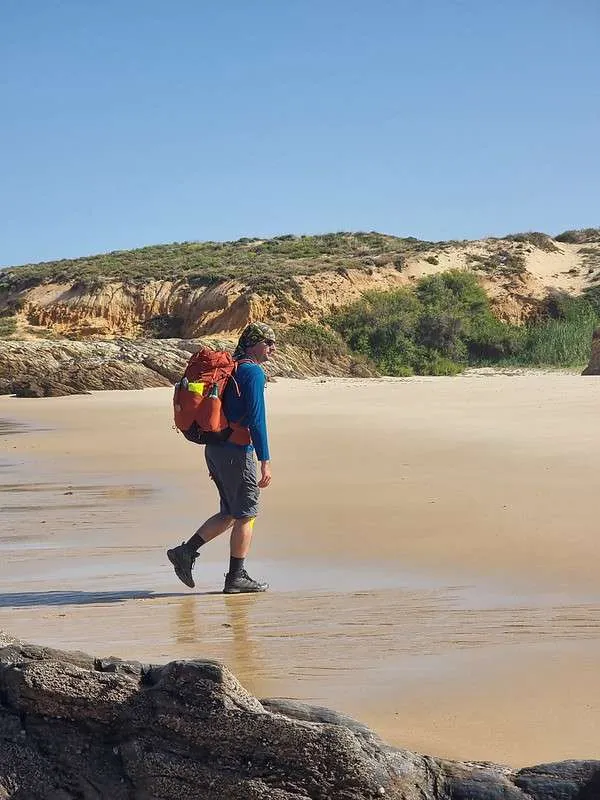
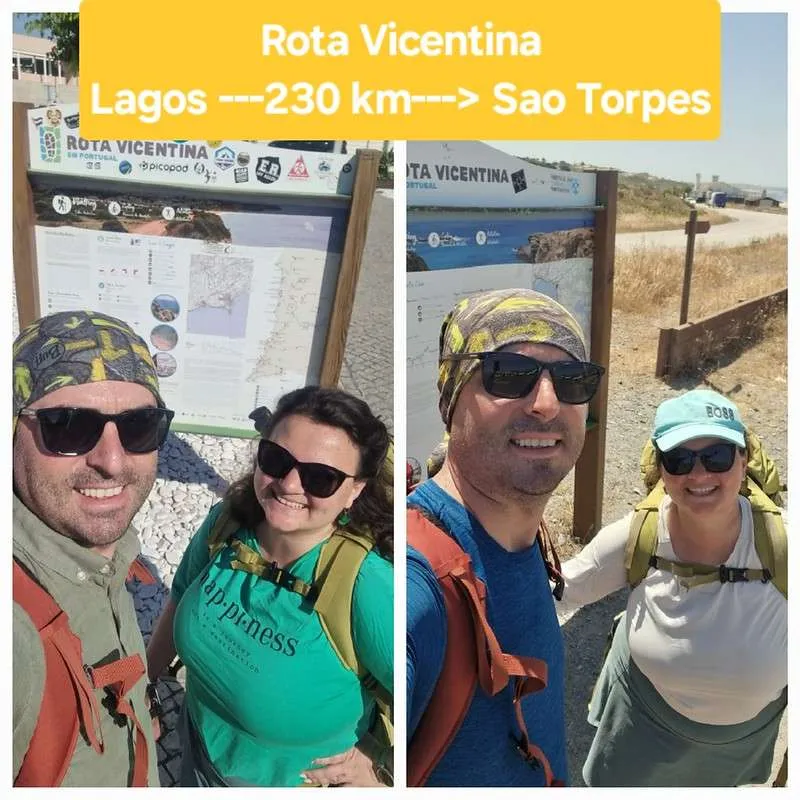
We walked the Camino 5 times, different sections, different routes. We liked walking. We liked the sea. We liked the idea of not being in a crowd. Enter: Rota Vicentina – the Fishermen’s Trail. Hugging Portugal’s southwest coast from Lagos to São Torpes, it promised Atlantic views, cliffside trails, and charming villages. What it forgot to mention was the intense relationship you’ll develop with sand. More on that later.
The Unfiltered Truth No One Tells You
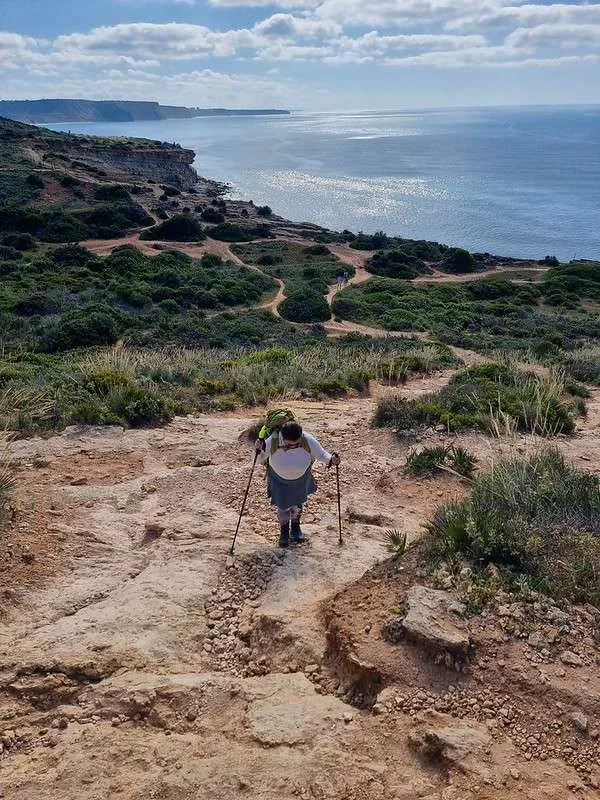
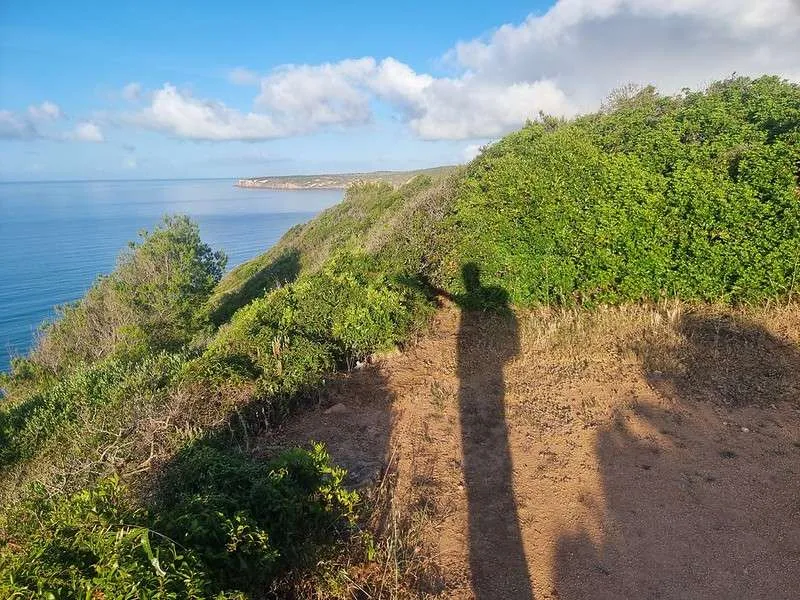
- The trail is stunning. You’ll think you’re in a dream. Until you stub your toe on your fourth consecutive rocky descent.
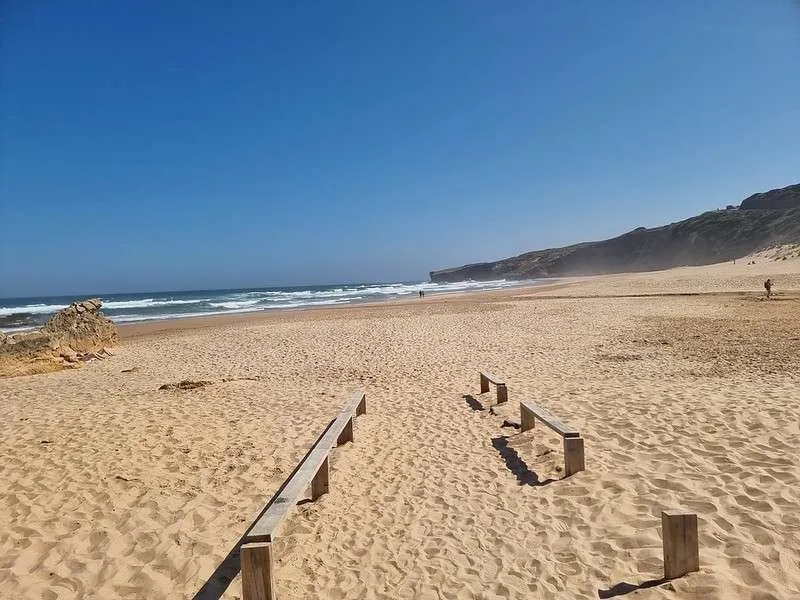
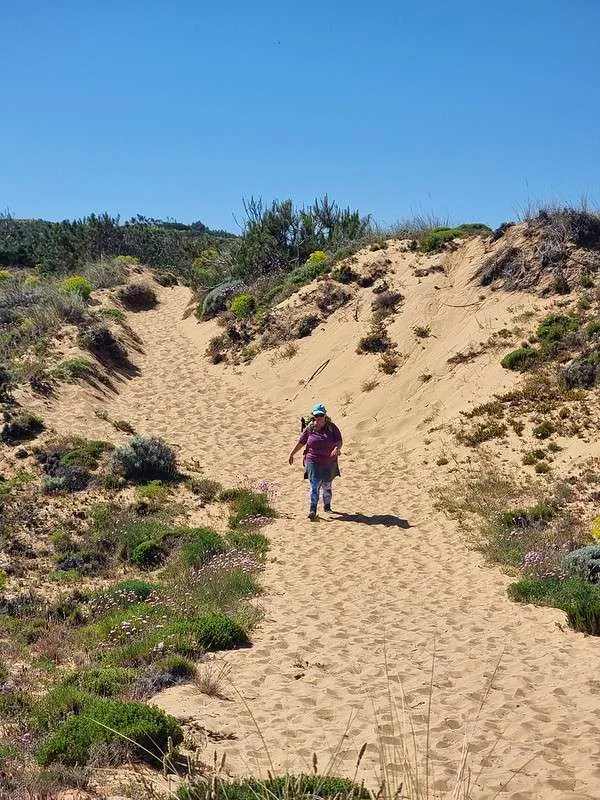
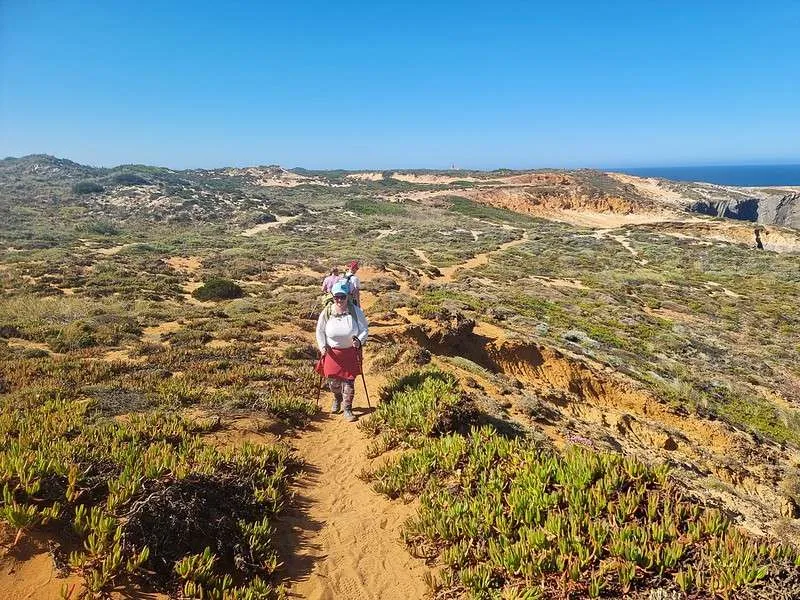
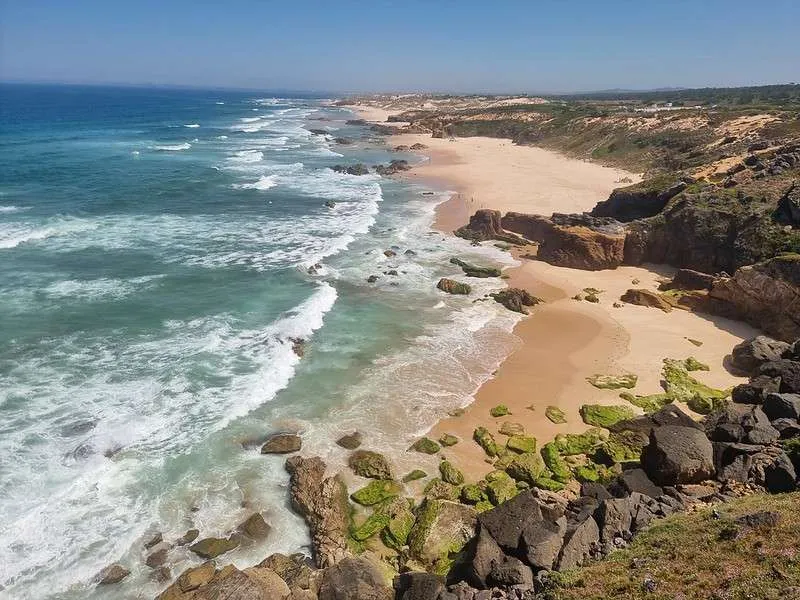
- Sand. Everywhere. Trails made of it, cliffs made of it, your backpack filled with it. Soft on feet, hard on morale.
- Ubers and Bolts are a godsend. We used them more than we’re willing to admit. But hey, you can still be a hiker with a backup driver.
- You’ll say “this is the hardest day”… several times. And you won’t be wrong. But you’ll also keep going.
- Camino expectations? Leave them at the door. This is not about cafés every hour, hundreds of pilgrims, and yellow arrows. It’s about cliffs, wind, sea spray, and quiet revelations.
Walking the Walk: Our 13-Day Rollercoaster
Days 1–3: “Oh, this is lovely…” → “Wait, that was the easy part?!”
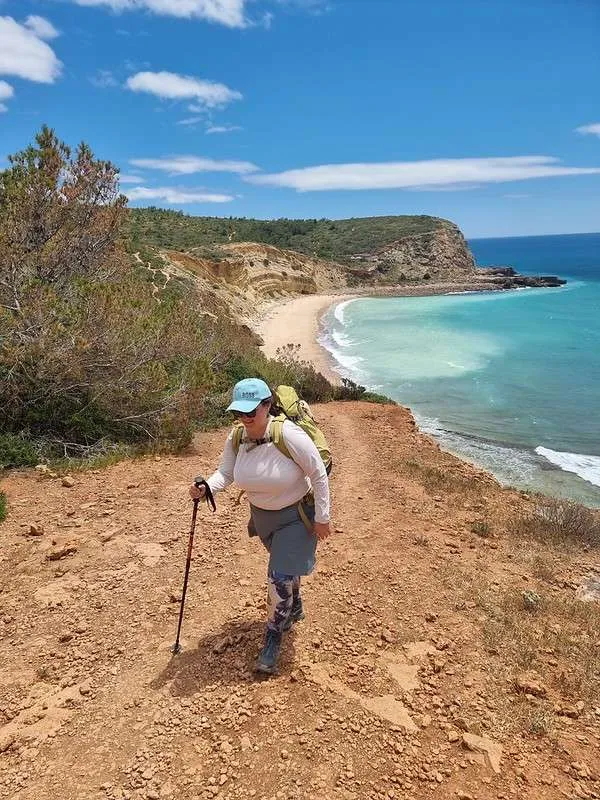
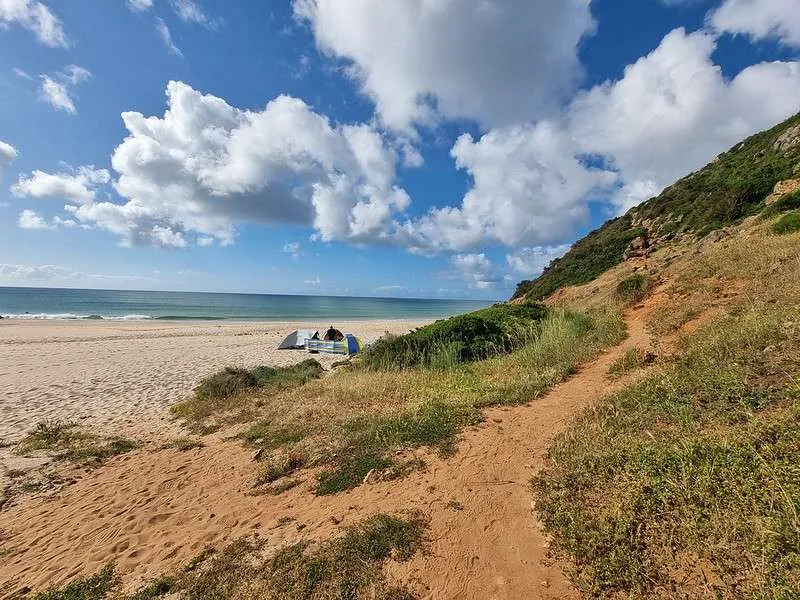
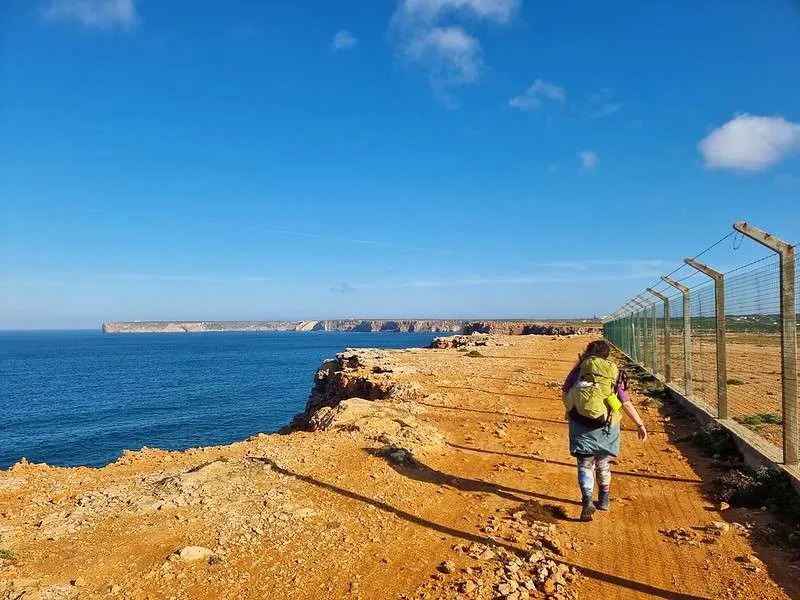
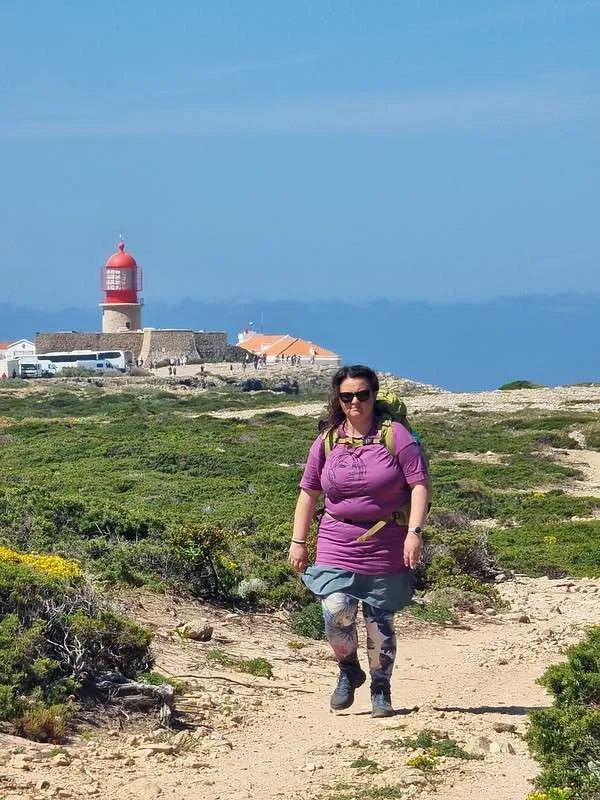
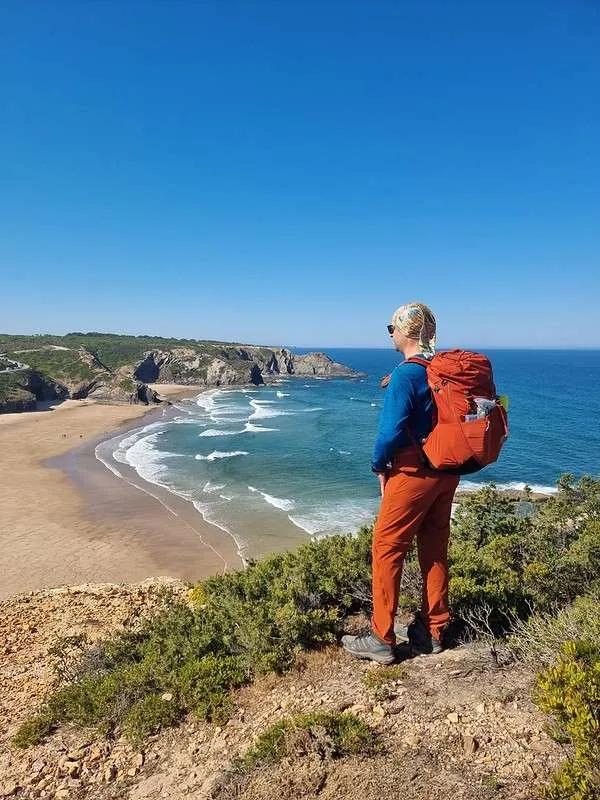
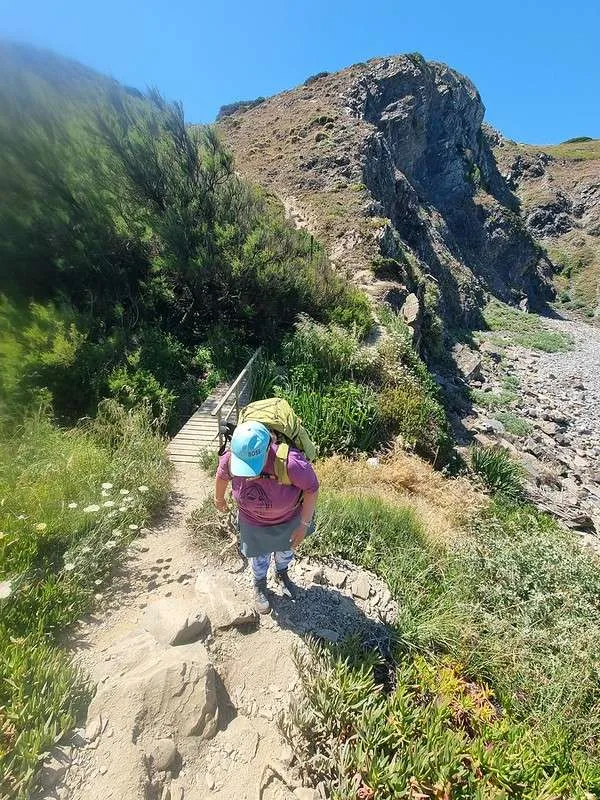
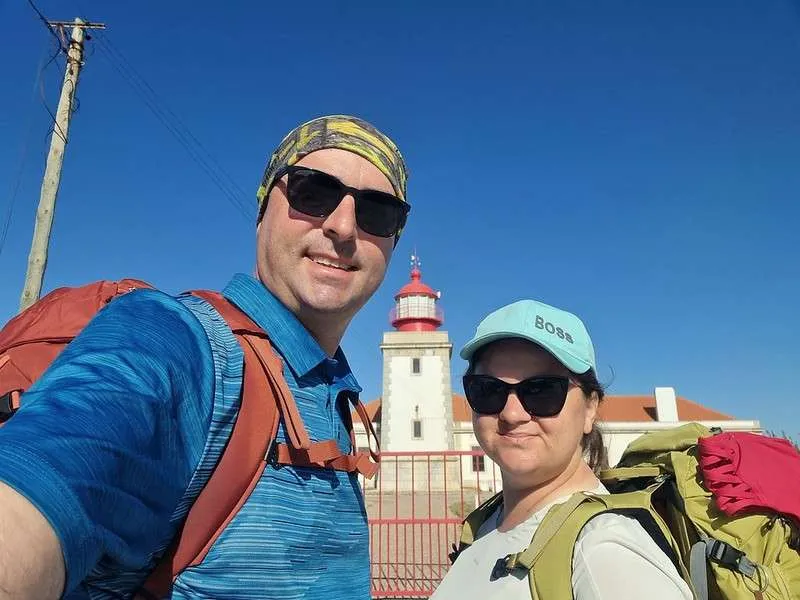
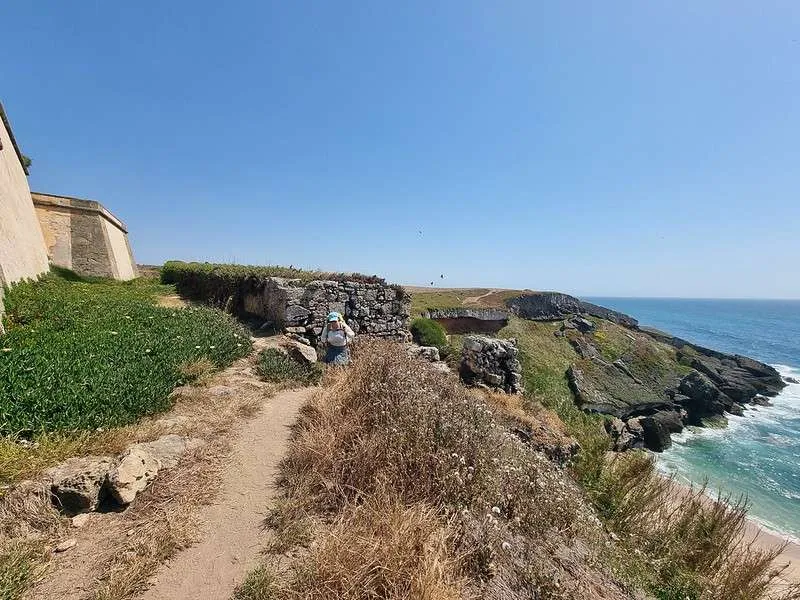
We kicked off in Lagos, full of naïve optimism, beachy vibes, and untested knees. The first day ended with a steep sun-baked climb, emotional tears (yes, already), and the first official “What for a Camino is this?” moment. But there were lighthouses, grottos, and enough sea views to soften the burn.
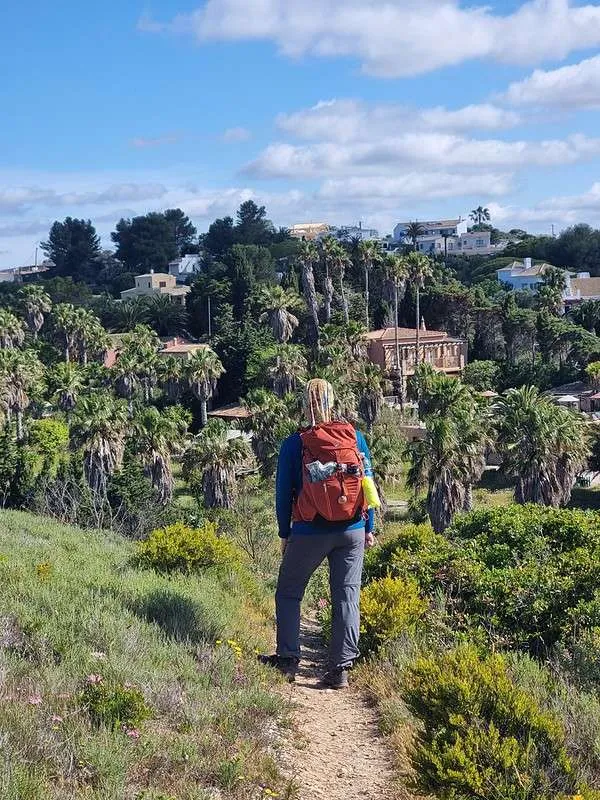
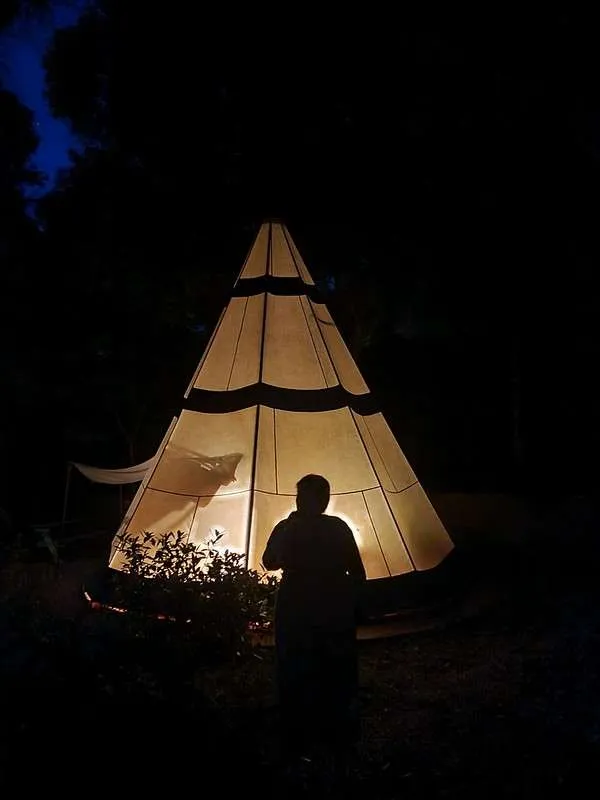
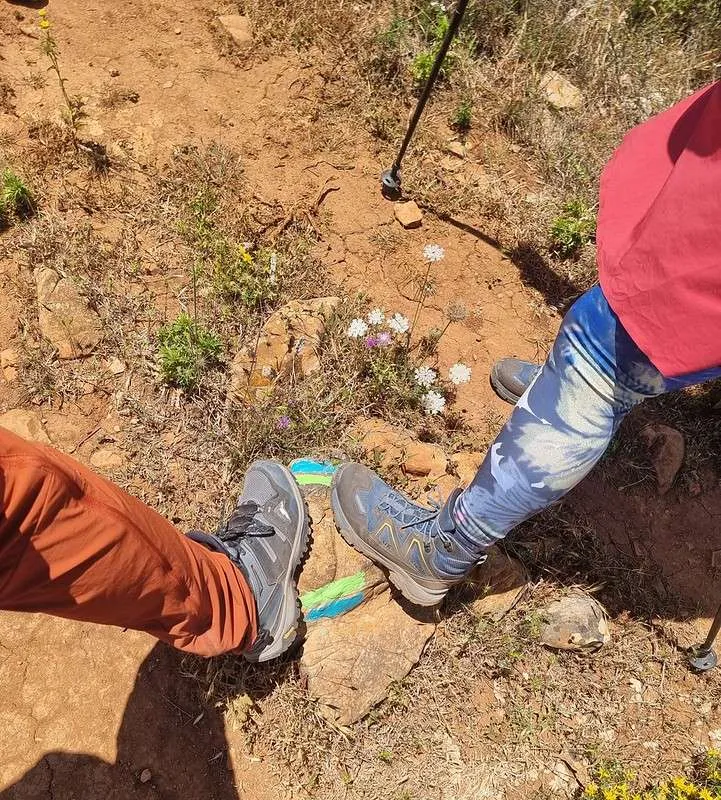
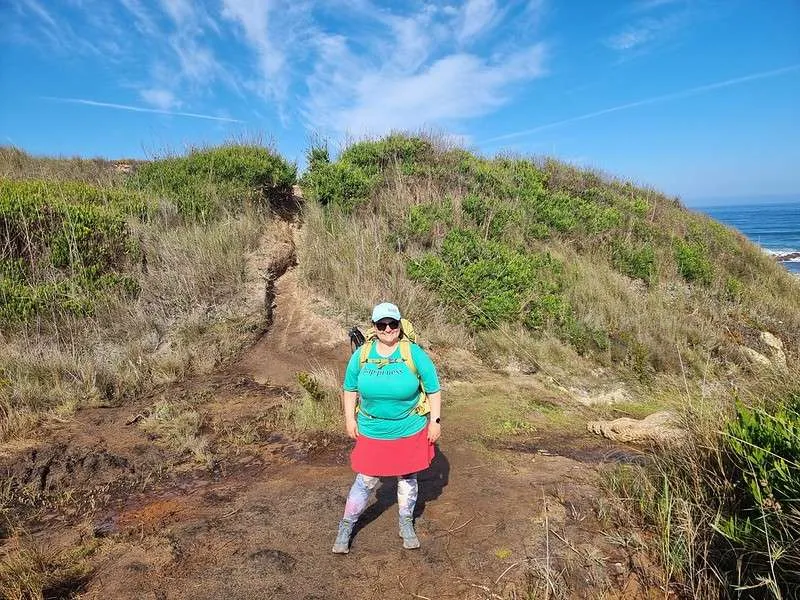
Day 2 brought our first pastel de nata stop and a realization: the trail is not always well-marked, especially when people walk on the trail markers. Bonus: our first “logistics intervention” involving a detour to a tipi in the forest and a dinner that redeemed the day (best vegan pizza of the trip).
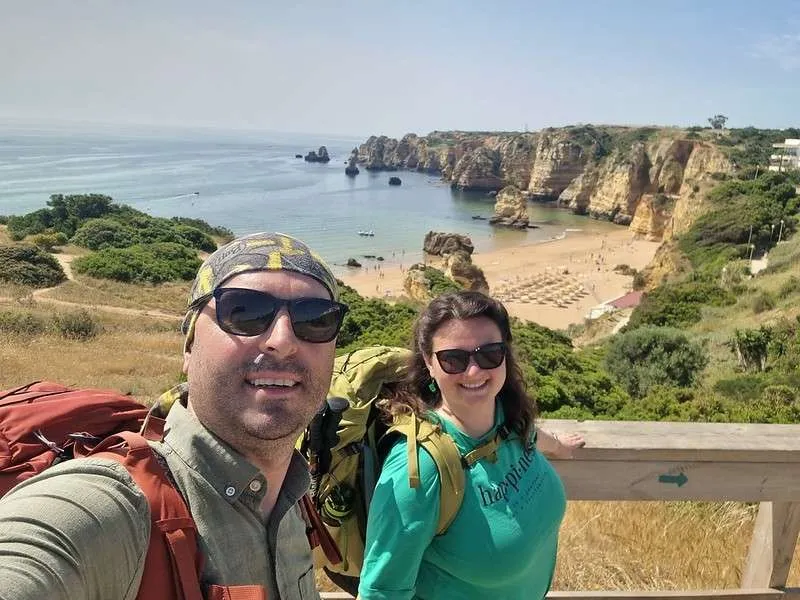
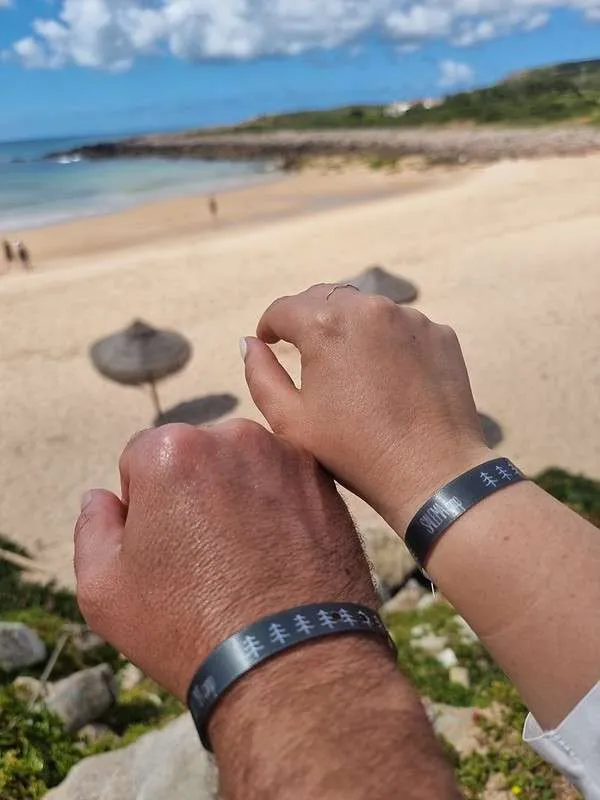
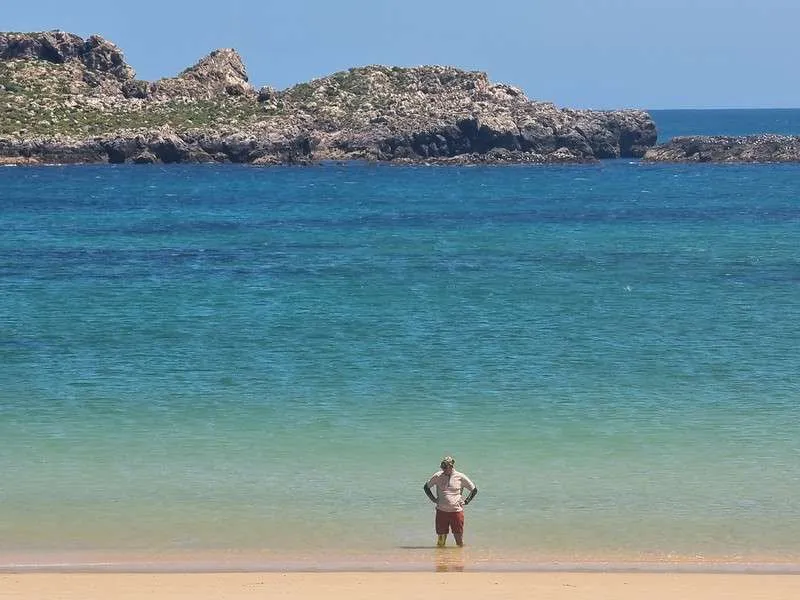
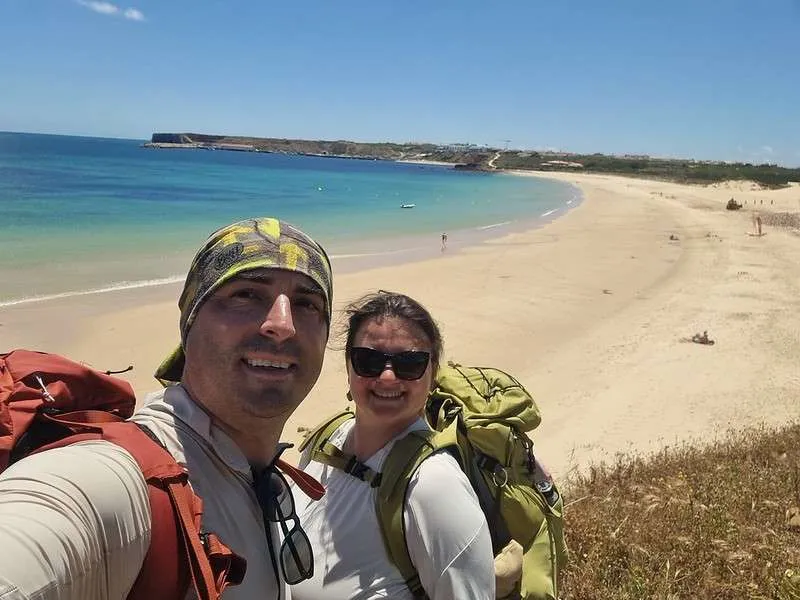
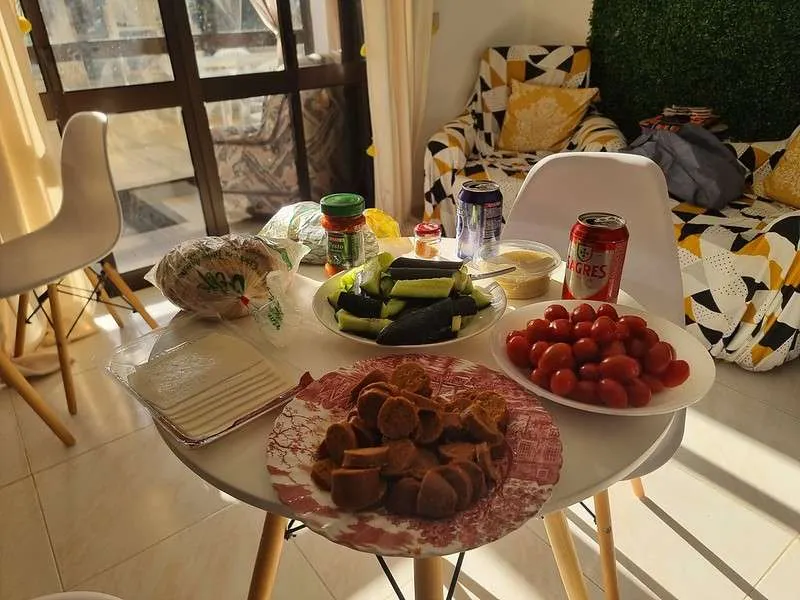
By Day 3, we were full-on hacking the Rota. Nace left at 7 a.m. like a true trail warrior, got heroically redirected by a stranger, and still beat me to the meeting point. But one of his hiking boots tore and started filling with dust and sand. I took a Bolt, joined him halfway, and together we ended the day on a peaceful beach near Sagres. Laundry, surf hostel beers, and first Camino nostalgia began.
Days 4–6: Wind, Wonder, and a Wild Mind
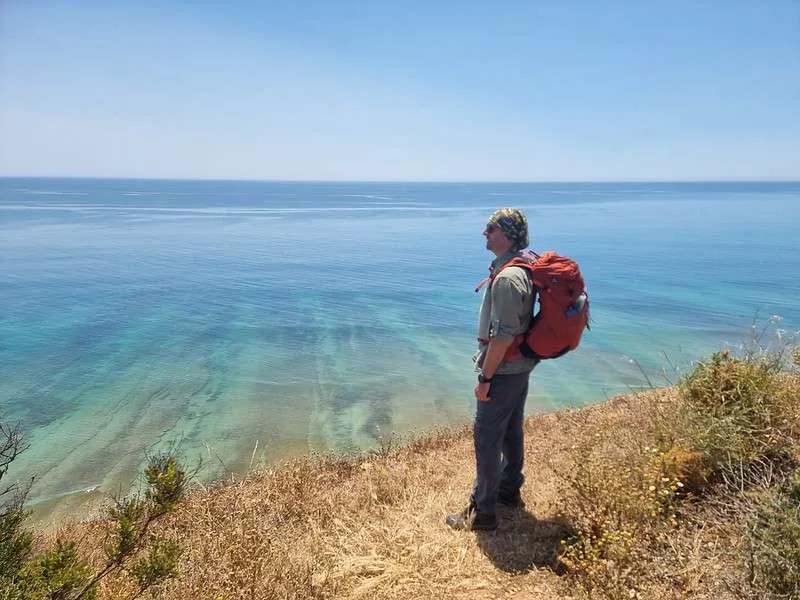
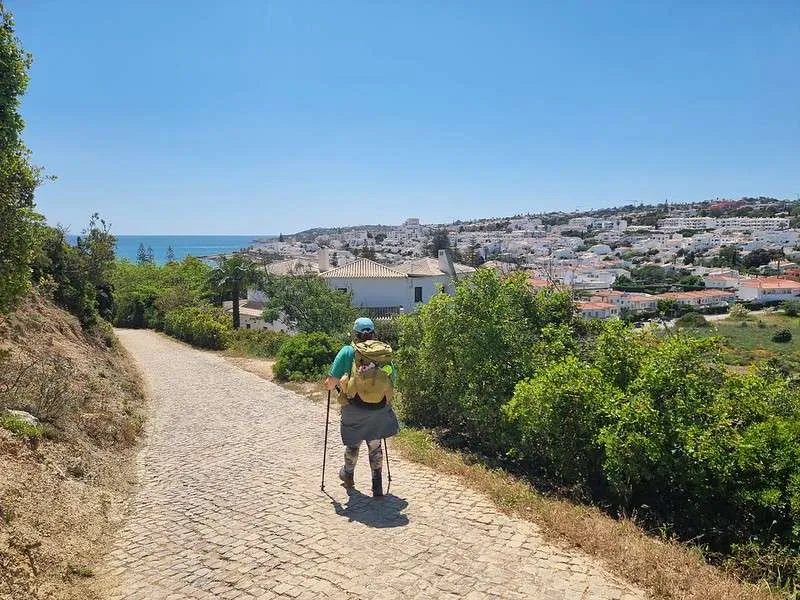
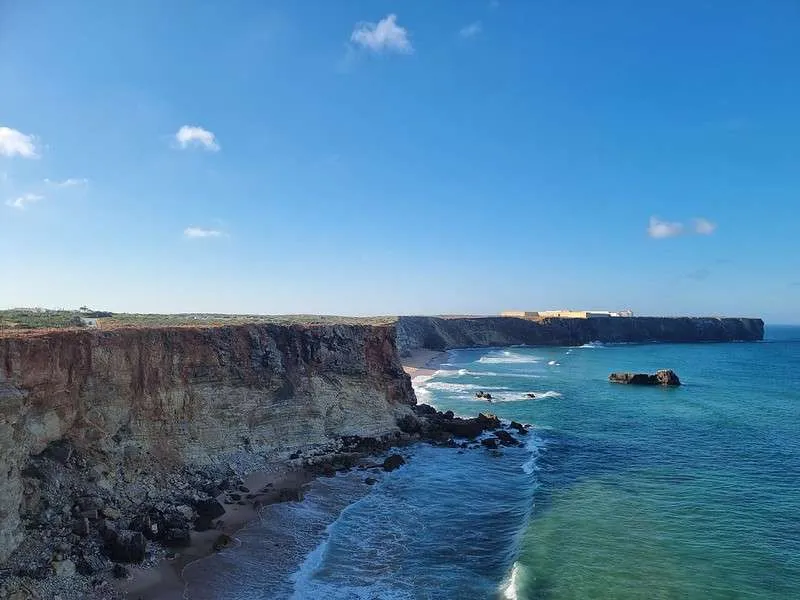
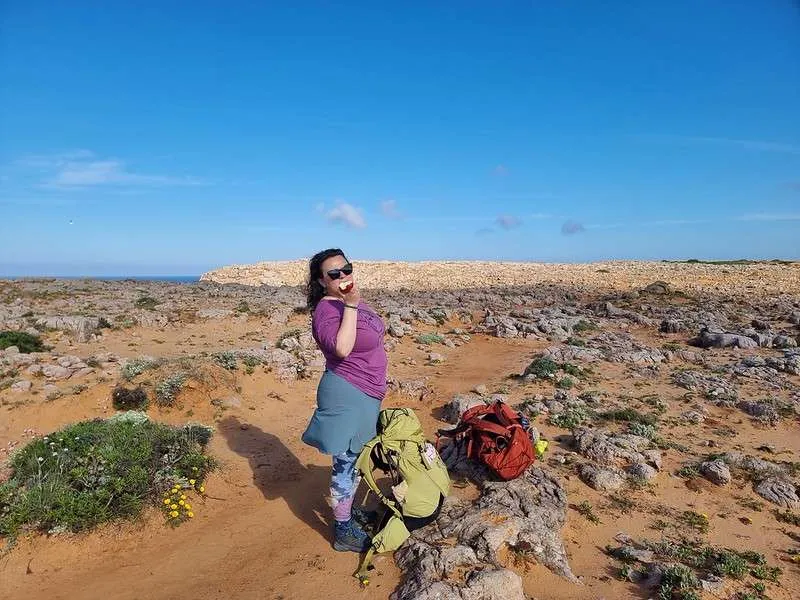
We walked through wind tunnels (natural and metaphorical), received accidental compliments (“Nice legs!” — or was it “Nice leggings”?), met baby snails hanging on everything, and discovered that Ibuprofen can be a mindset.
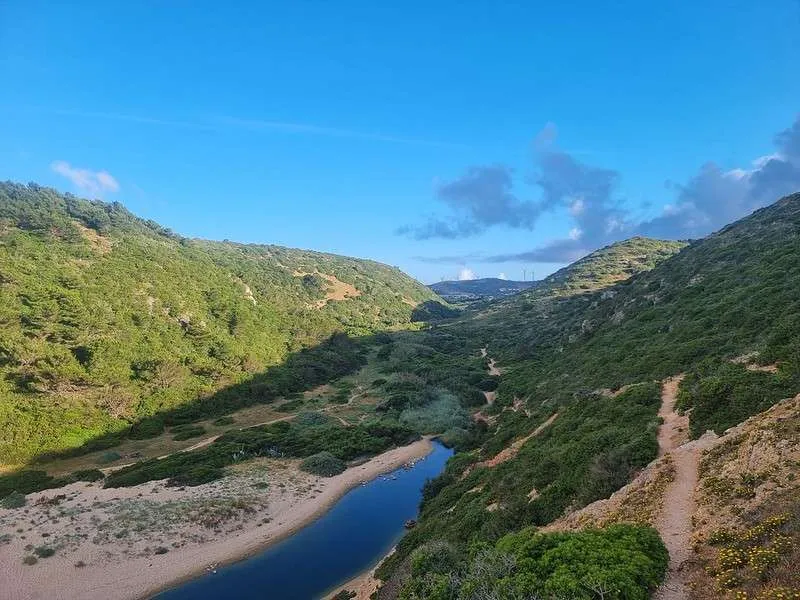
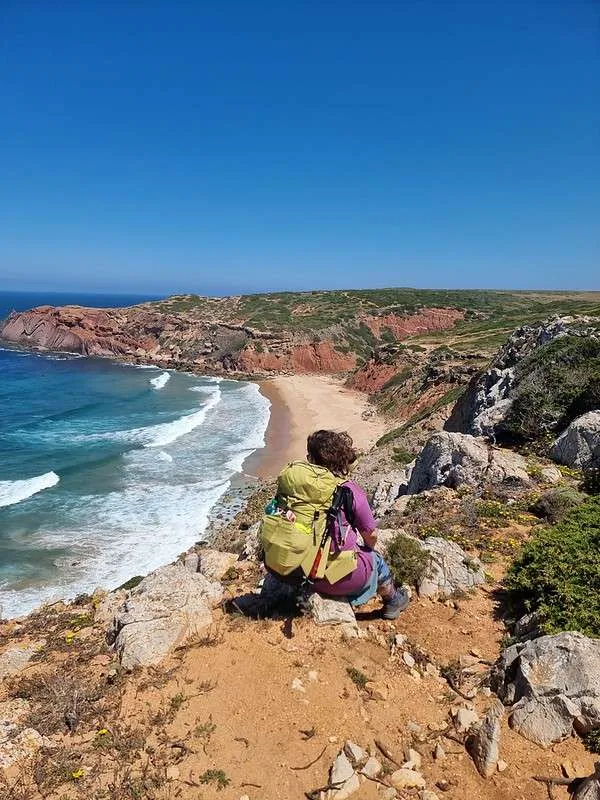
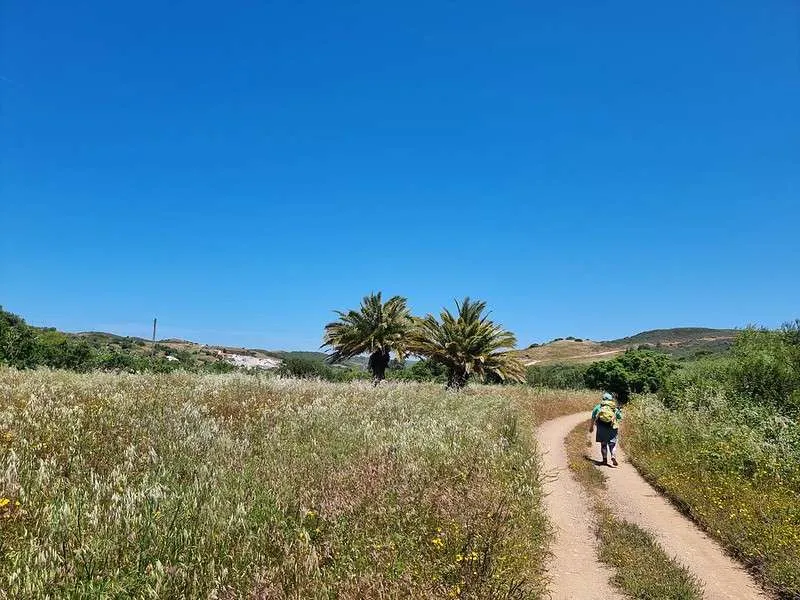
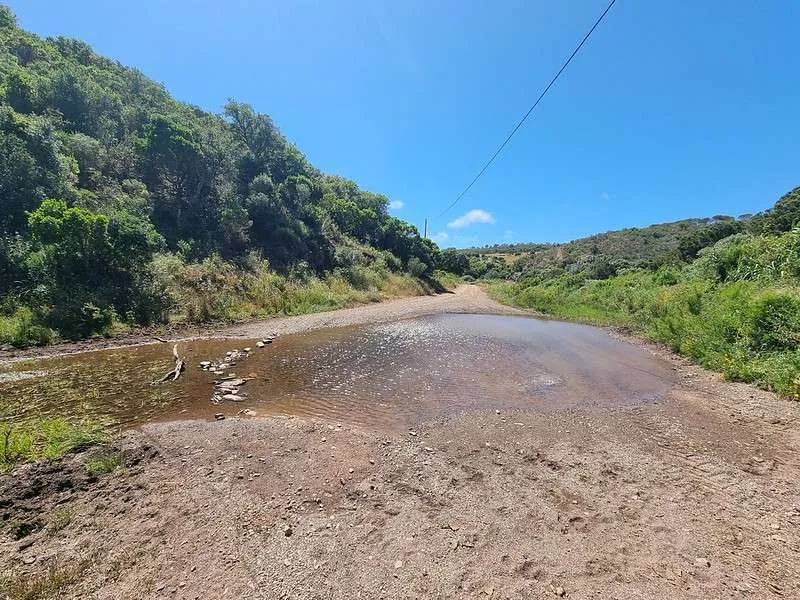
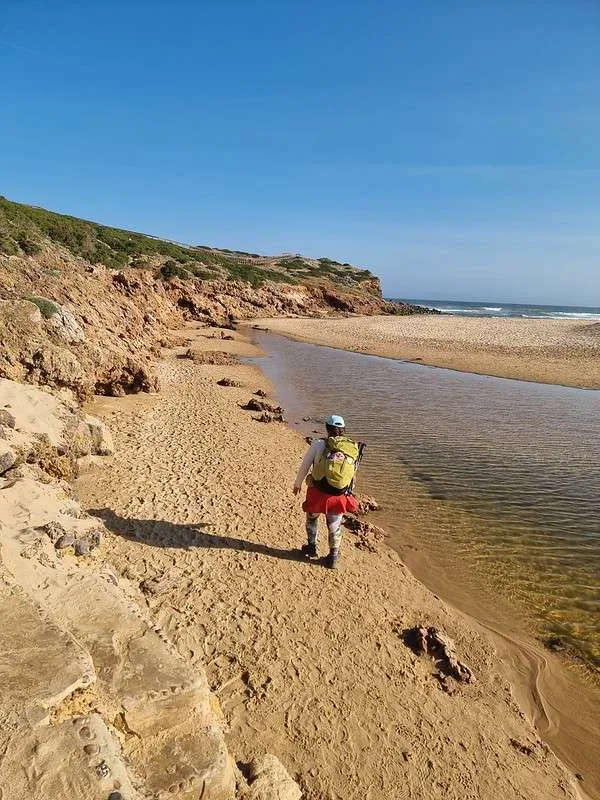
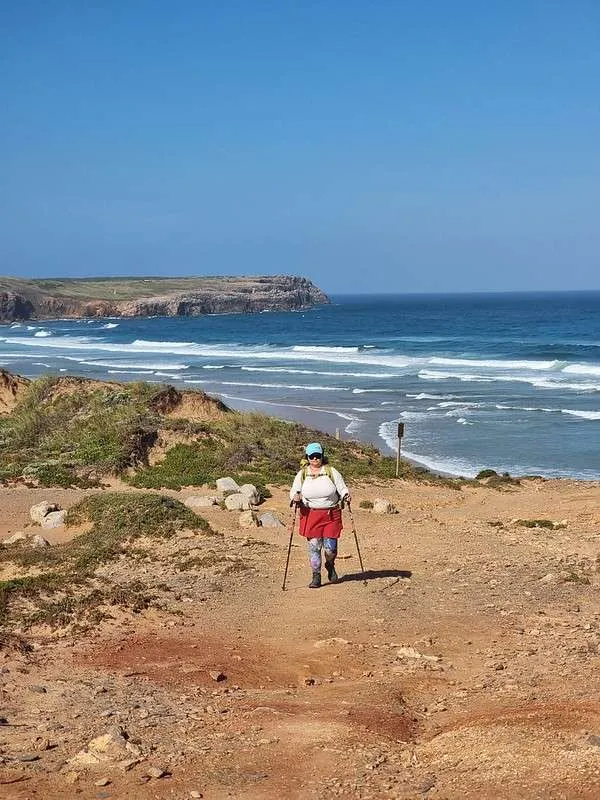
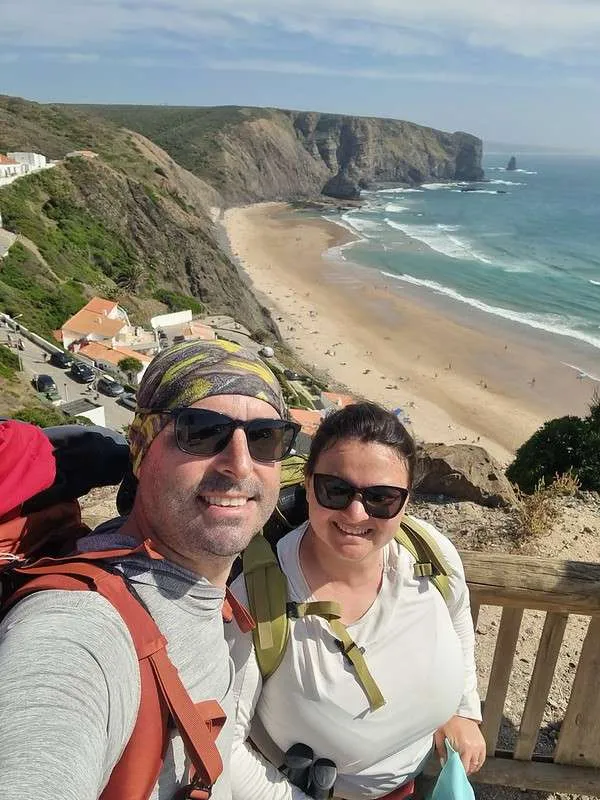
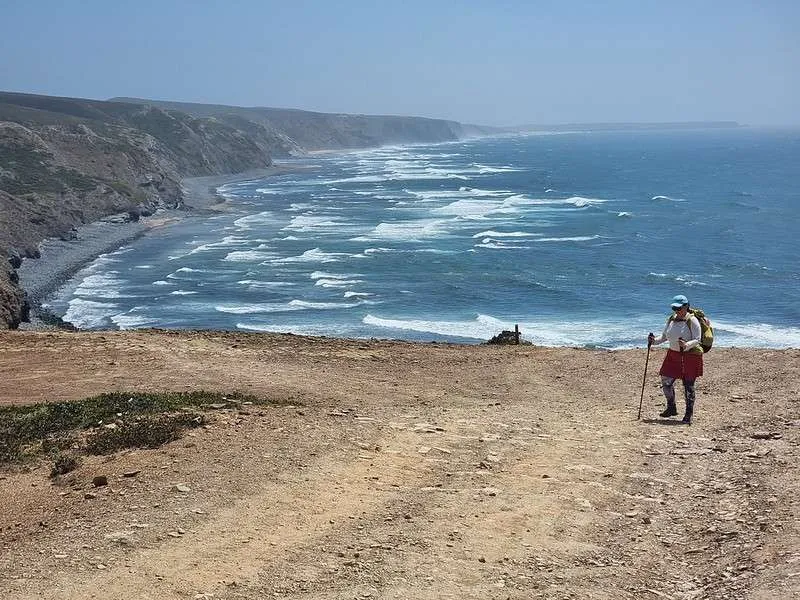
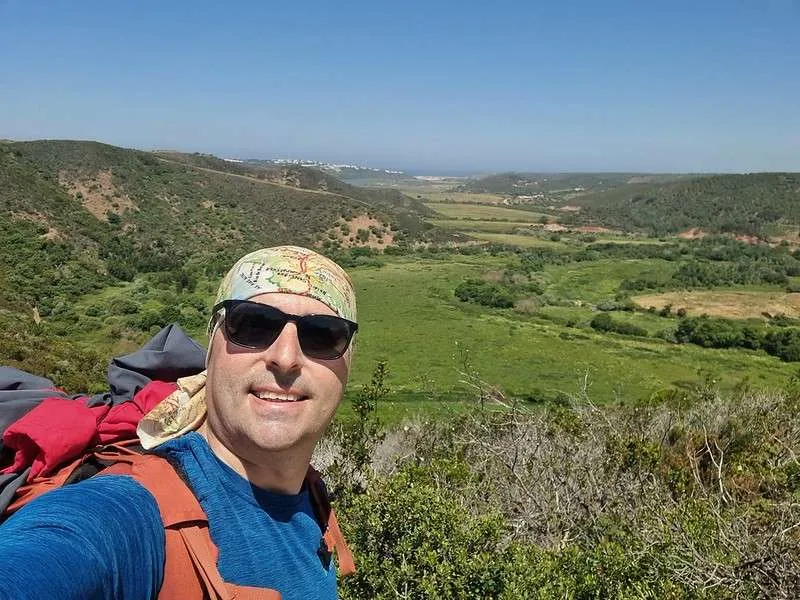
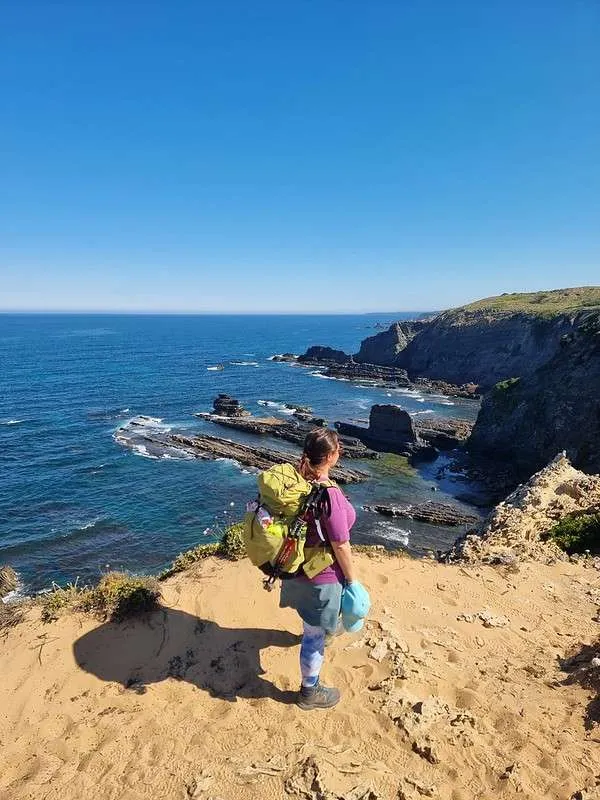
There were also shady forests, surprise rivers, sacred valleys, endless meadows, and magical Carrapateira—a place where even the dunes whisper poetry. We had deep conversations about life, work, and the illusion of control, all while hiking on sand like it was a StairMaster set on “soft punisher.”
Days 7–9: Logistics, Lakes, and Life Lessons
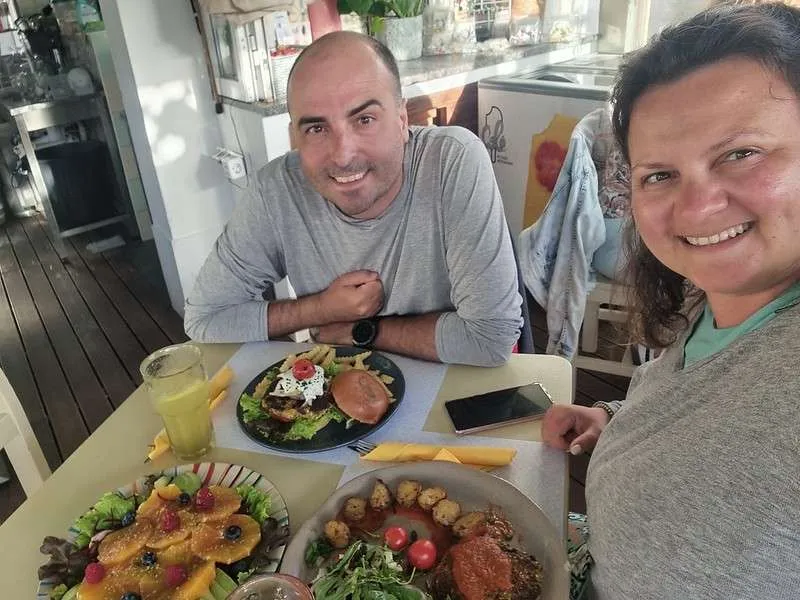
By now, the walking-to-resting ratio had tipped. I took a rest day while Nace crushed a decent stretch solo. In Aljezur, we discovered our dream vegan lunch spot, a guesthouse with laundry facilities, and even a supermarket that Nace fell in love with. (Yes, Intermarché. Yes, it was serious.)
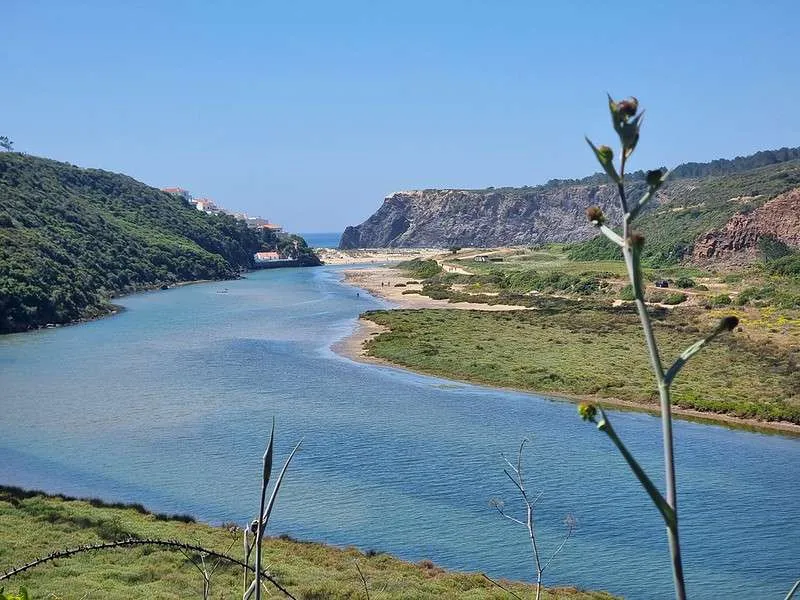
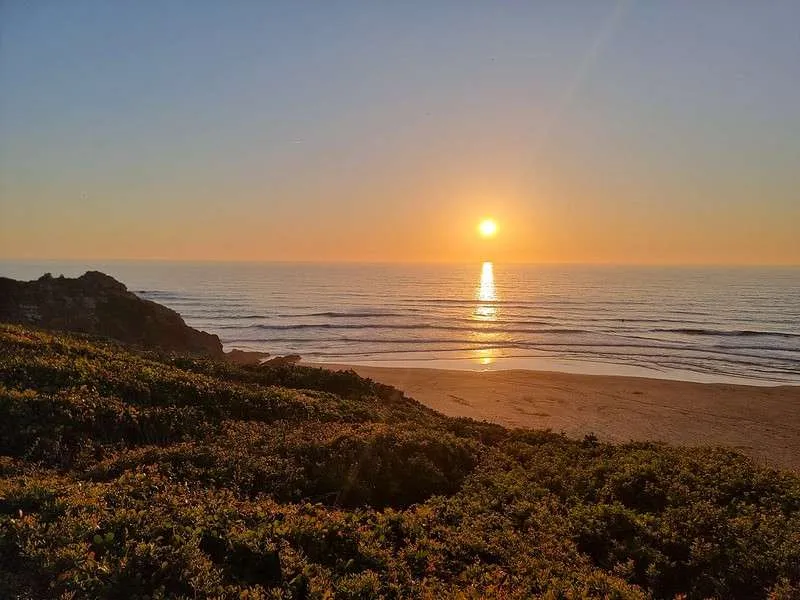
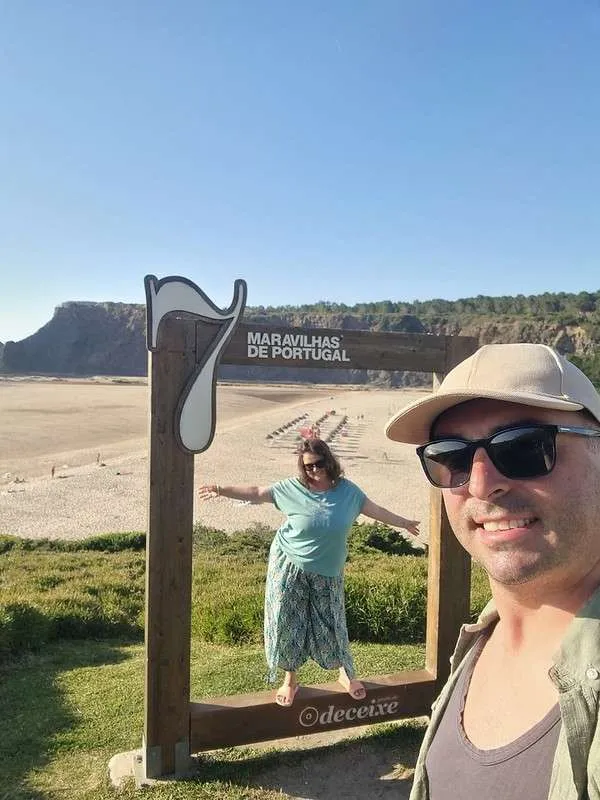
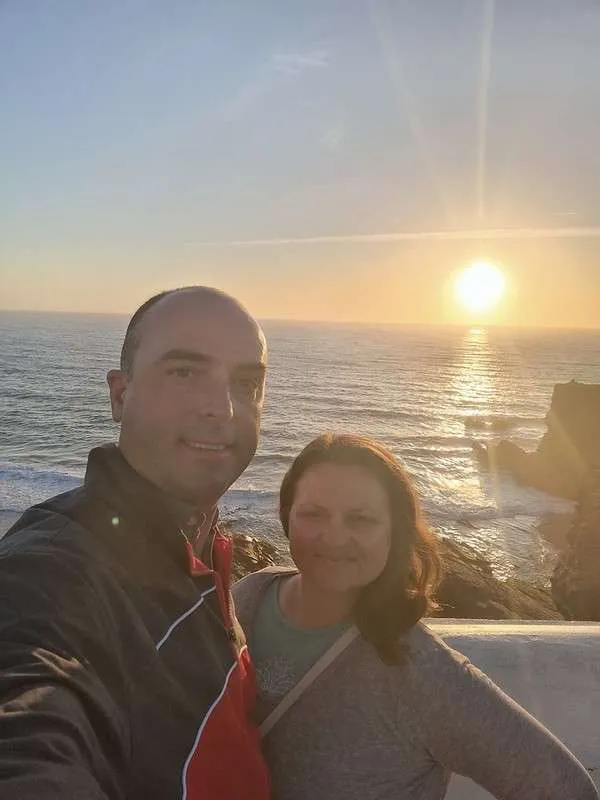
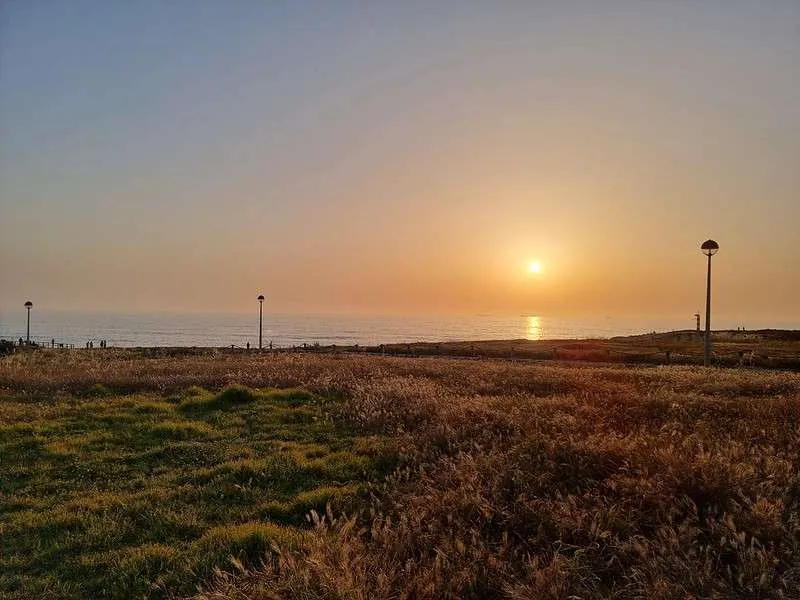
Day 8 started with a massive navigation fail and a mosquito buffet. We later split up again—Uber to the beach for me, solo hike for Nace—and reunited for a blissful sunset in Odeceixe. We celebrated with ice cream, and one of those ocean-drenched “Life is good” moments.
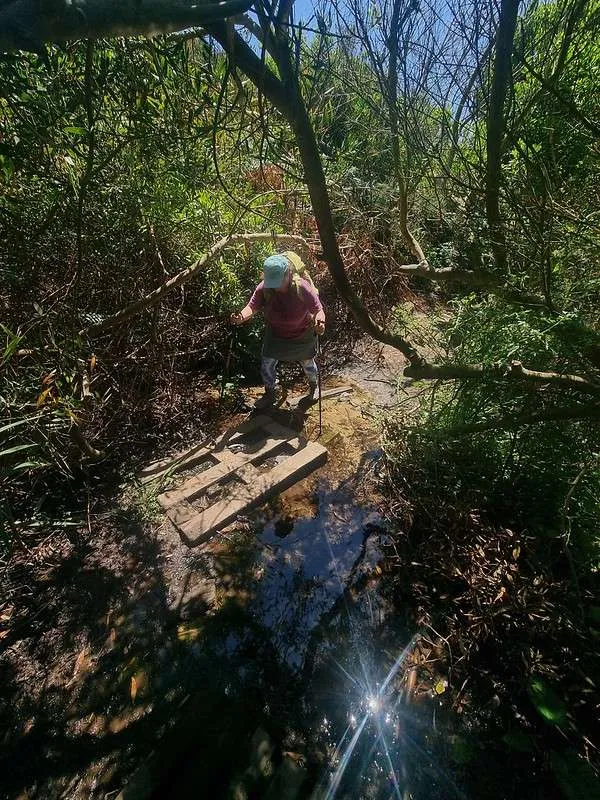
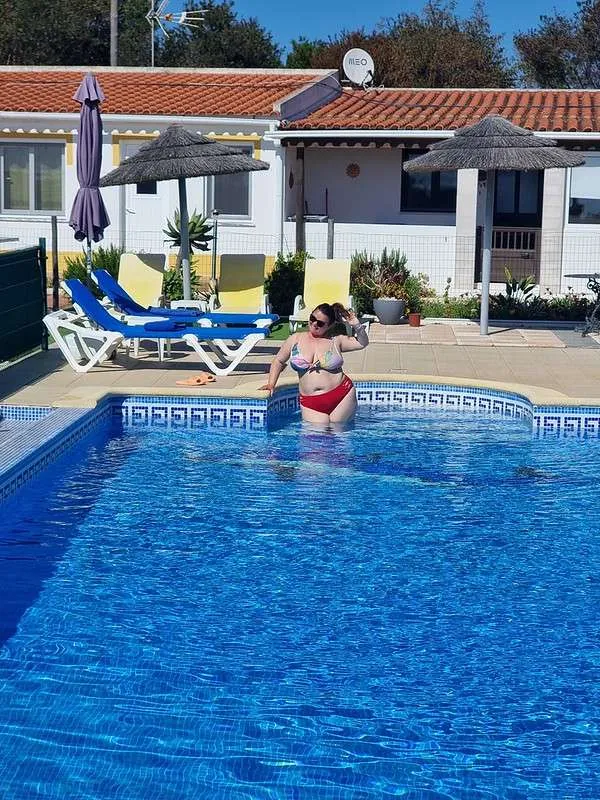
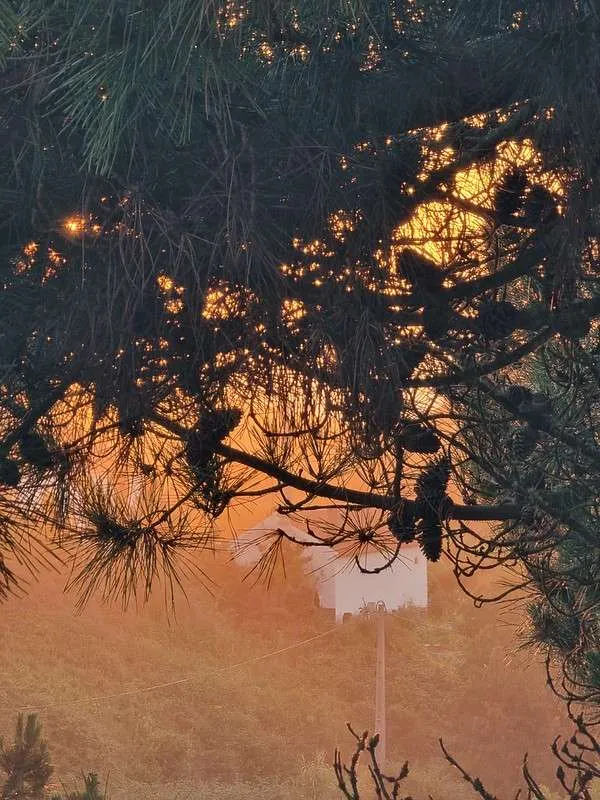
Day 9 had it all: forest tunnels, random sanctuaries, sketchy stream crossings, and the first time we called a pool “good but not as good as the ocean.” Sunset over Zambujeira was magic. Also: popcorn and Netflix, again.
Days 10–12: The Final Test (of Love, Endurance & Sand Tolerance)
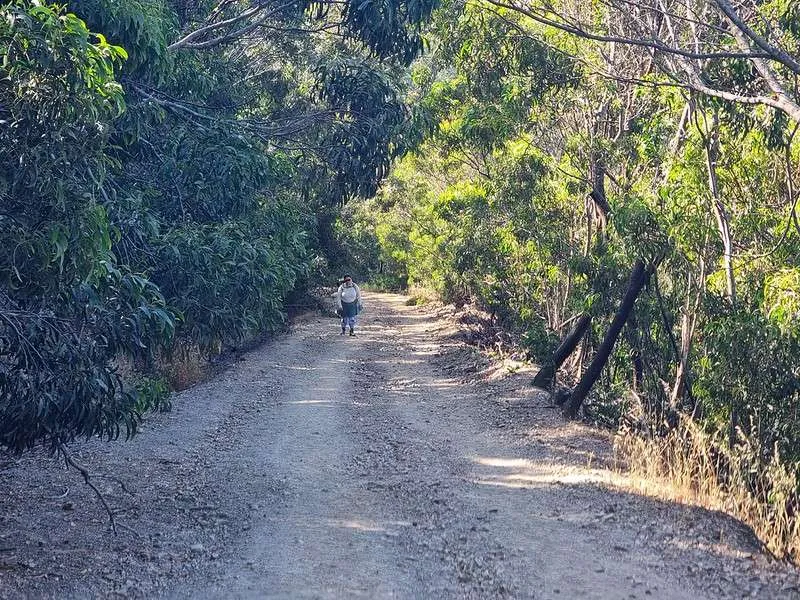
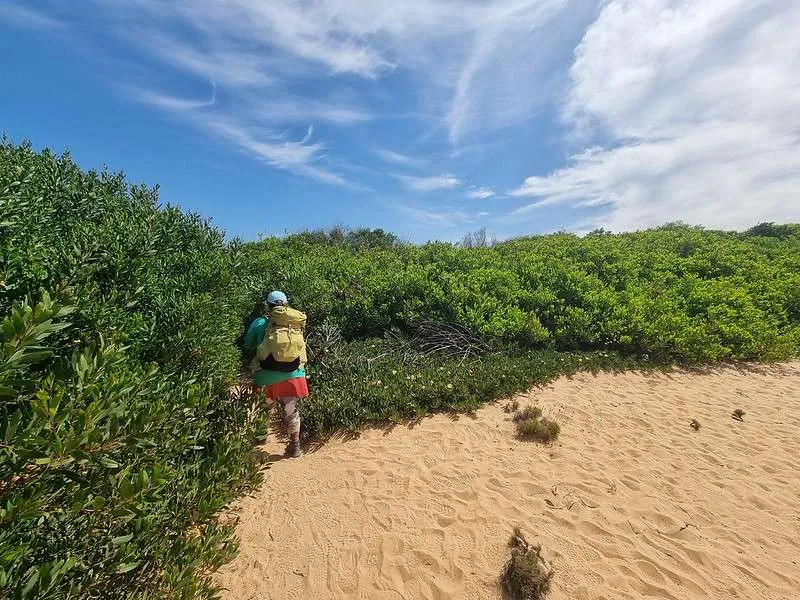
Day 10 included more sand, more tunnels, and another existential boost from a stranger’s T-shirt: “If you can change your mind, you can change your life.” We tried to believe it while untangling our backpacks from acacia branches. Again.
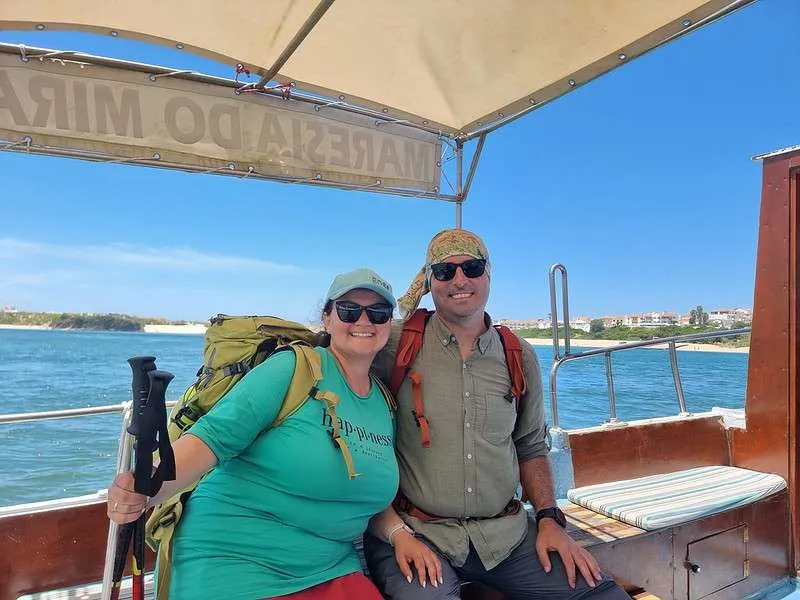
On Day 11, we took a boat across the Mira River (cutting 4 km and gaining 100% satisfaction), embraced our new friends, the acacia trees, and made peace with the fact that almost every other hiker had a smaller backpack and bigger energy reserves.
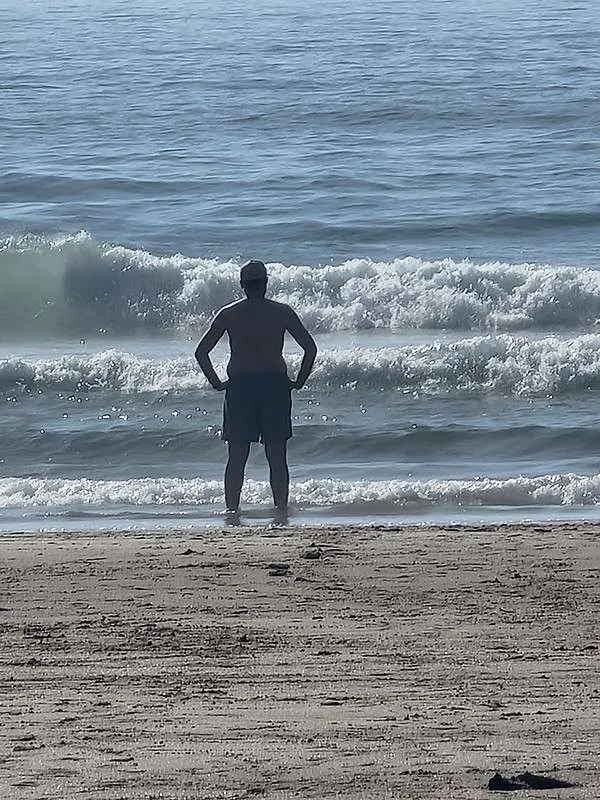
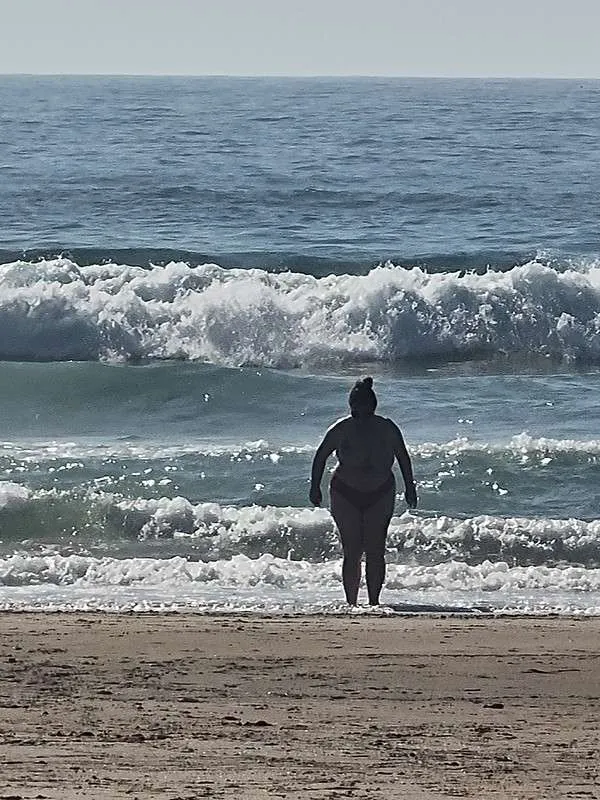
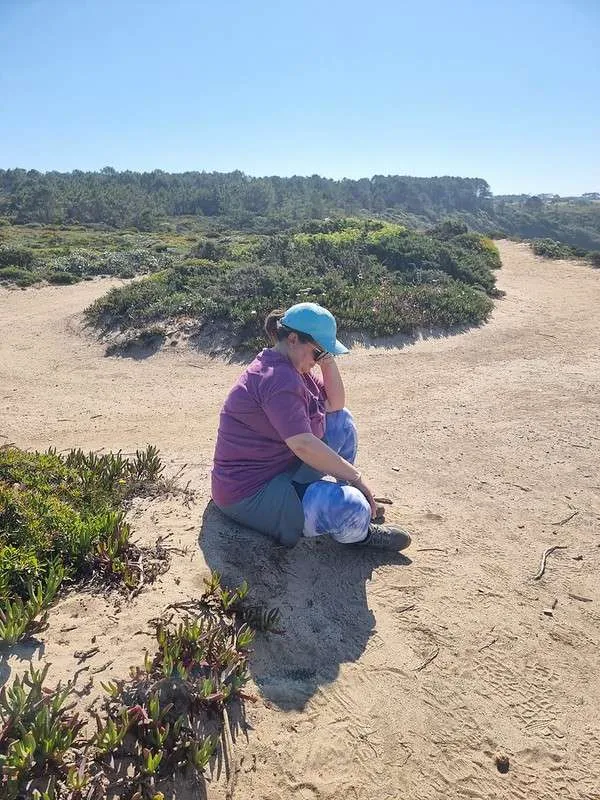
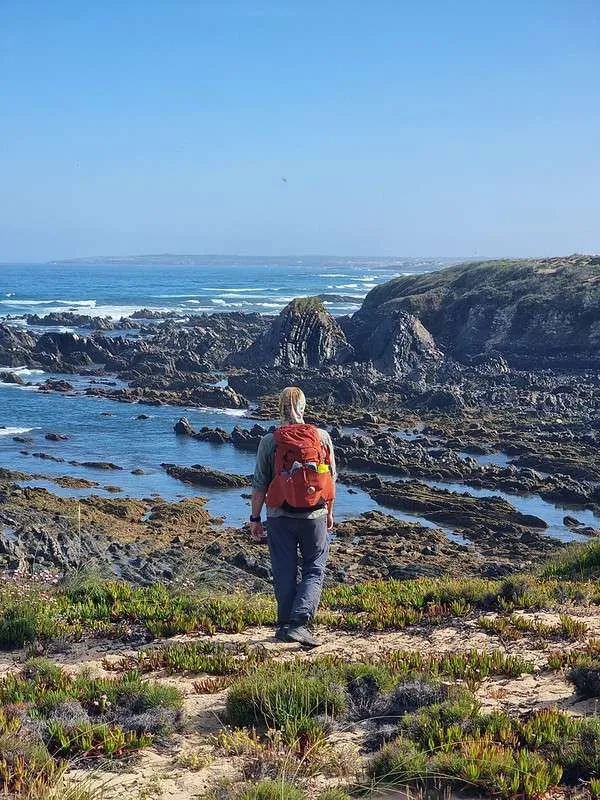
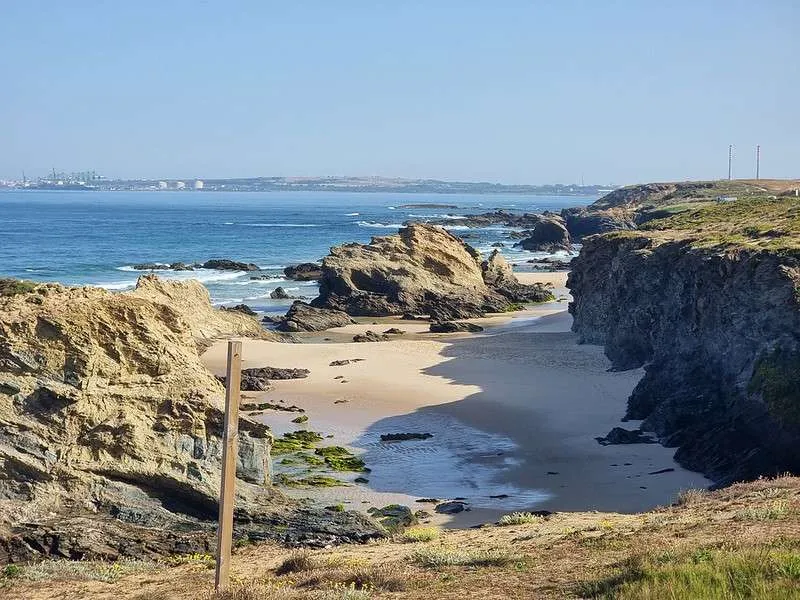
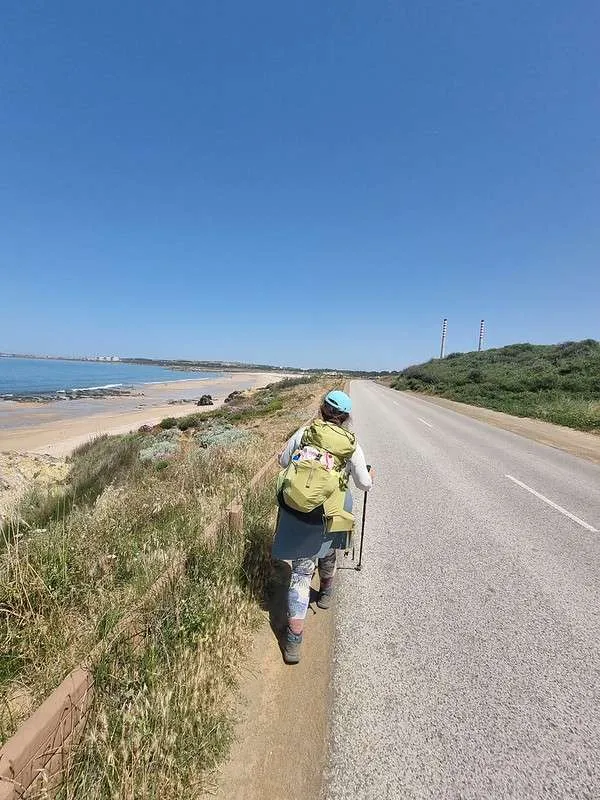
And then came Day 12: The Day of Soft Sand and Soul Searching. No shade, no open cafés, just infinite sand and 9 hours of dragging ourselves between breathtaking beach after breathtaking beach. We counted hikers (82 women, 44 men) to distract ourselves from the fact that we were surviving on 1 liter of water each. Nace even invested money during a rest break. I invested in the mantra “Mind over matter.”
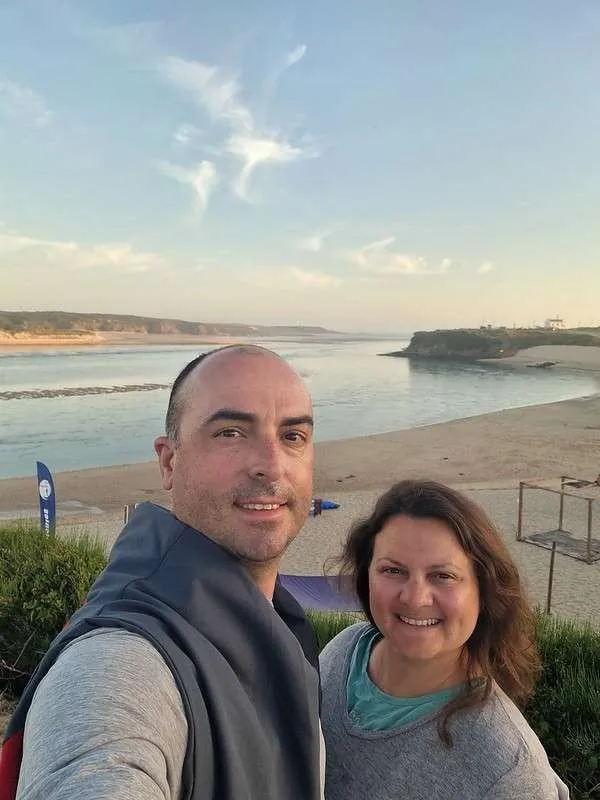
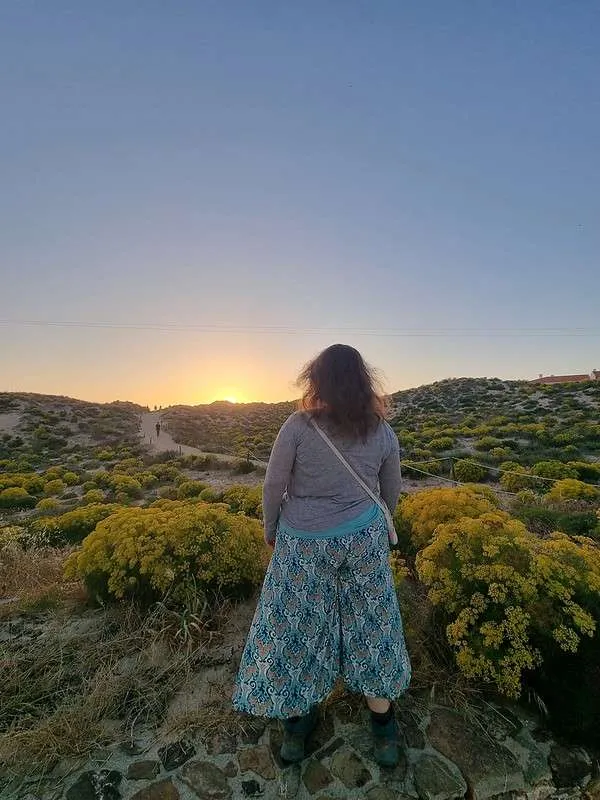
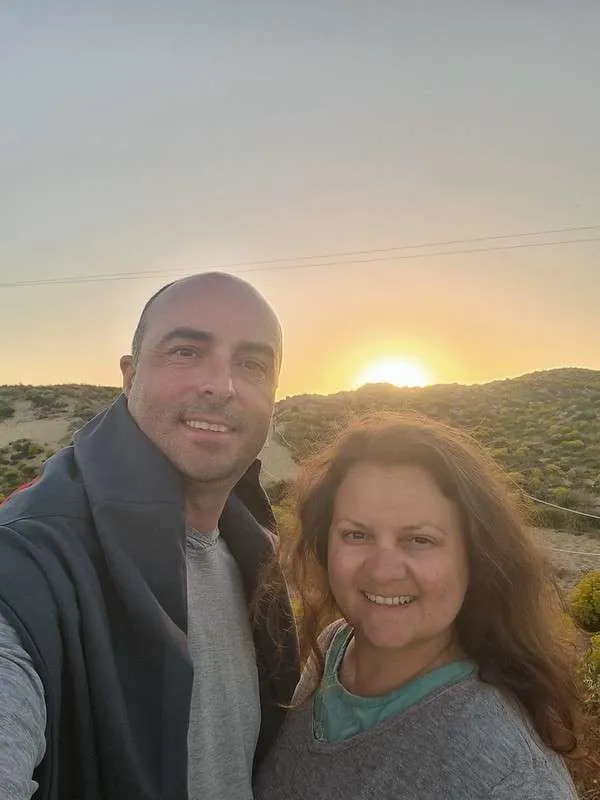
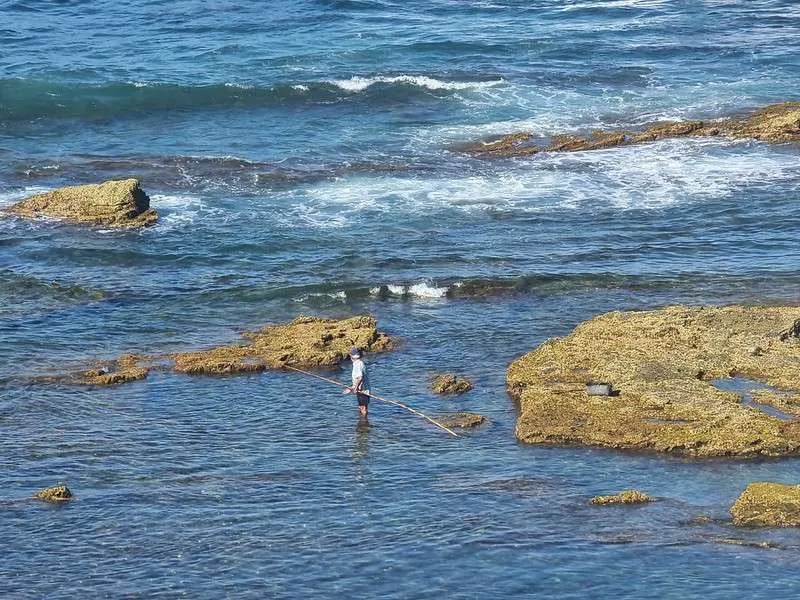
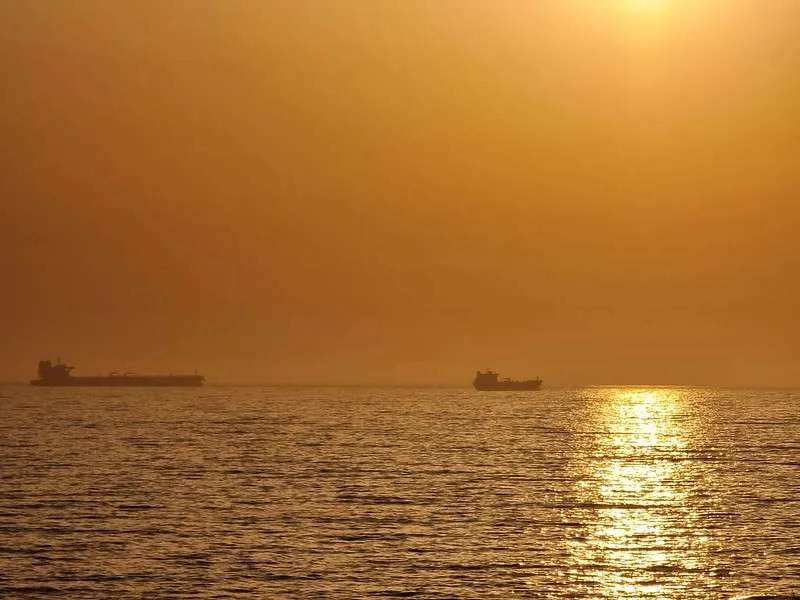
Day 13: Porto Covo to São Torpes – The Last Stretch
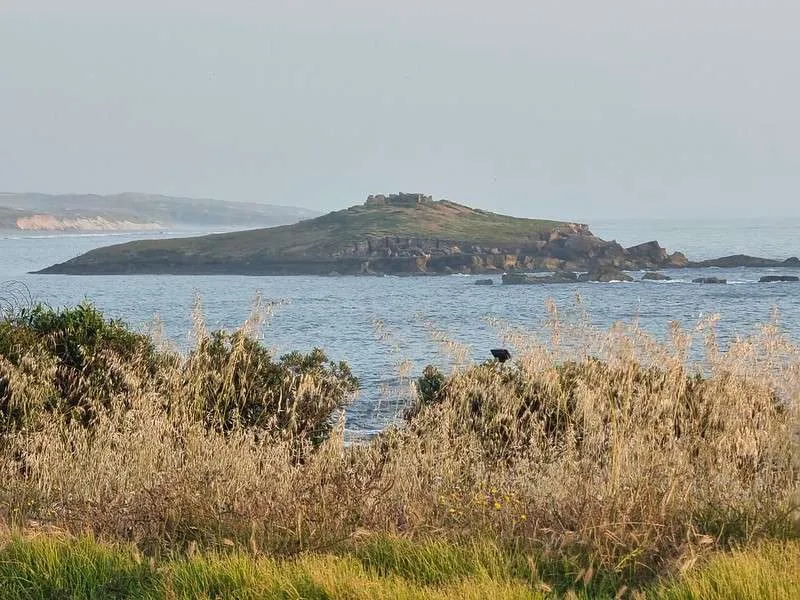
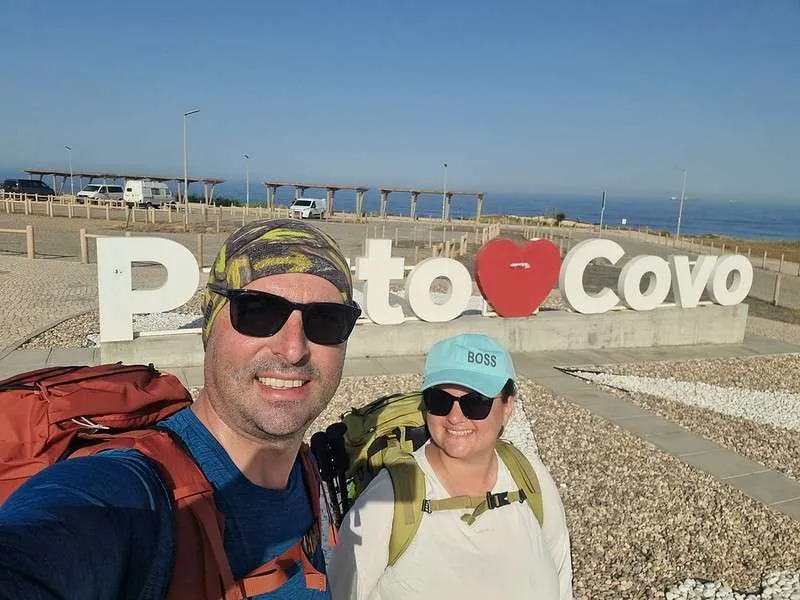
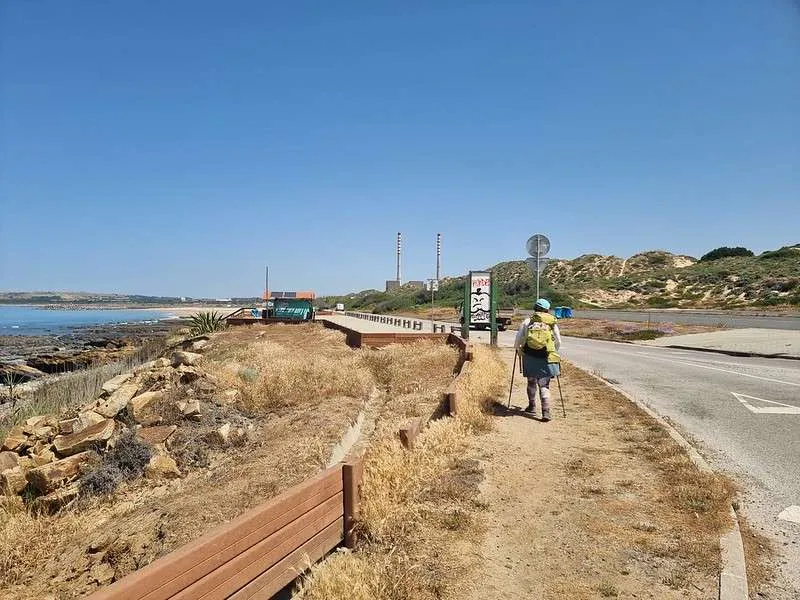
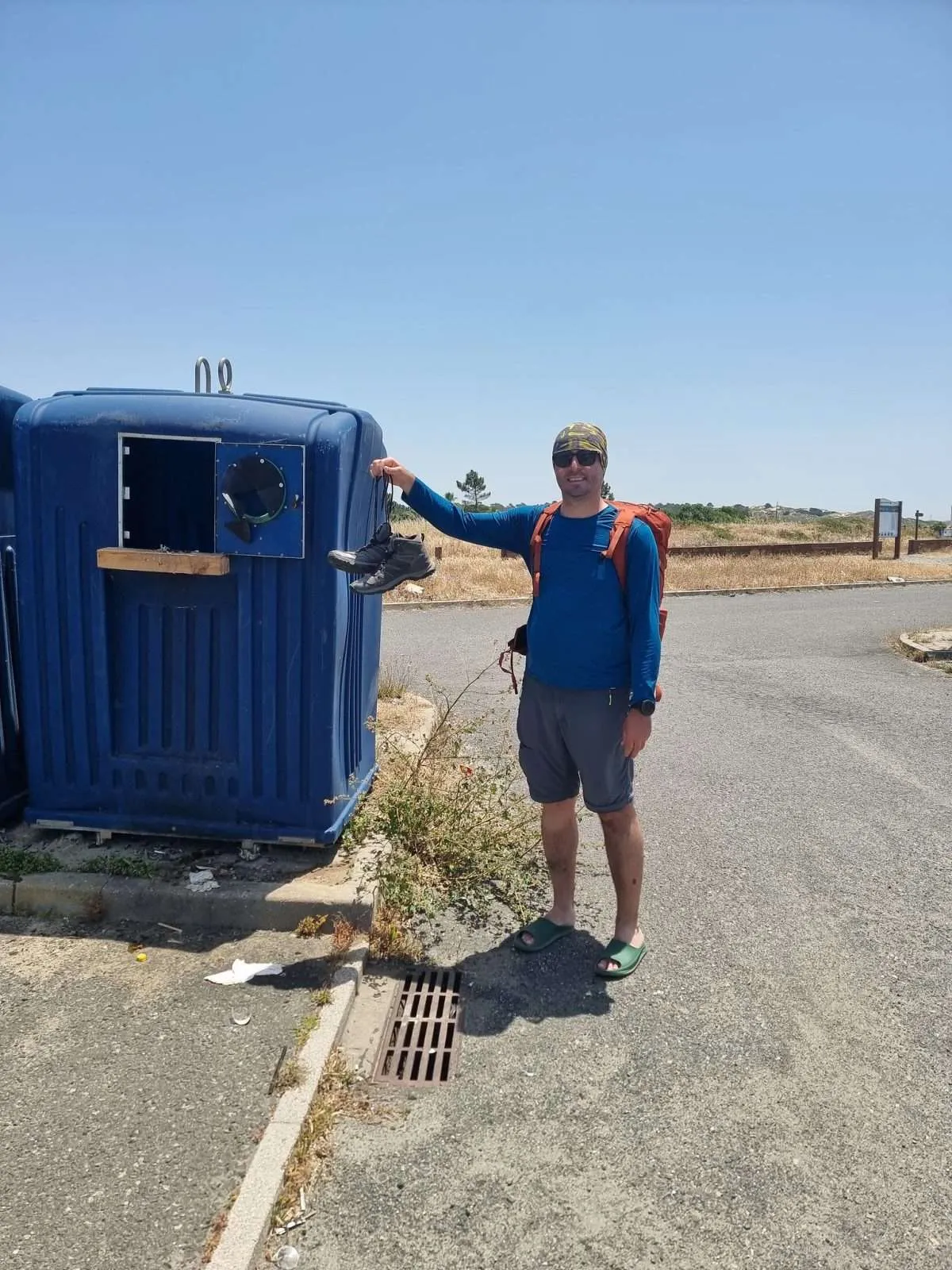
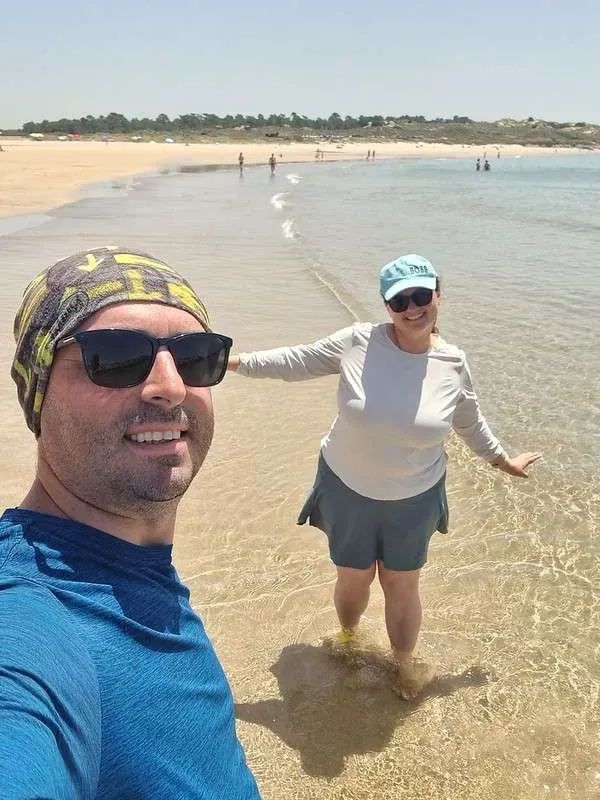
Most people skip this stage. We didn’t, which is why we got a bonus round of flies, bugs, and industrial zones. It ended unceremoniously at a warm-water beach next to a power plant. Romantic? No. Satisfying? Weirdly, yes. Nace threw out his thorn and sand-filled hiking boots like a symbolic offering. We Ubered into Sines, found vegan lunch, did laundry (again), and officially called it: Rota complete.
But Actually… There Was No Day 14
There was no trail to follow the next day. But the trail was still with us. Our feet hurt, our backpacks were weirdly not part of us now, and our brains kept trying to process that we did it. 13 days of cliffs, climbs, minimal coffee stops, coastline, and connection.
We moved on to Lisbon. Life restarted. But we promised ourselves one thing: not to immediately fill the silence with distractions. The trail reminded us that purpose can be simple. That beauty doesn’t need an audience. That sand sucks—but also shapes you.
Practical Realities (a.k.a. the Uninstagrammable Bits)
- Accommodation: Most stays are not directly on the trail, which means a lot of uphill or downhill detours—sometimes 1–3 km extra at the end of an already exhausting day. While charming guesthouses and tipis exist, so do ants and closed supermarkets. Book ahead, especially in shoulder seasons.
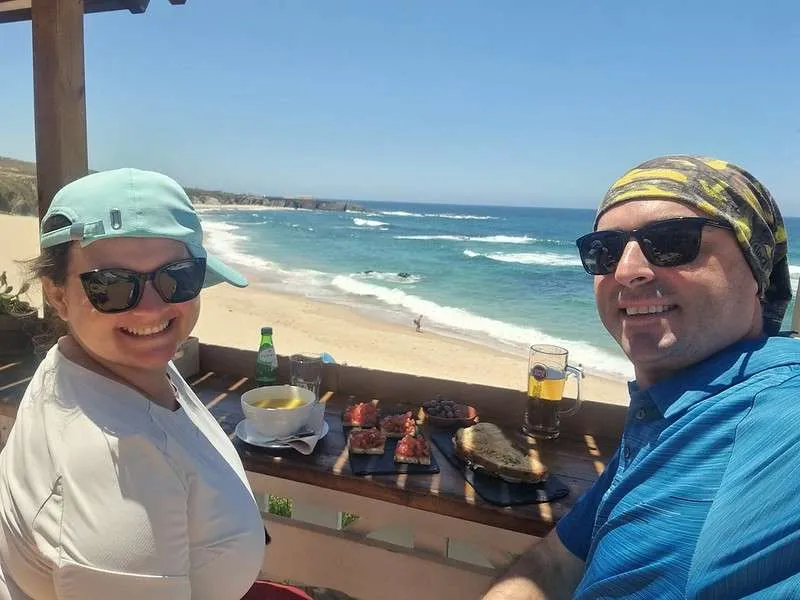
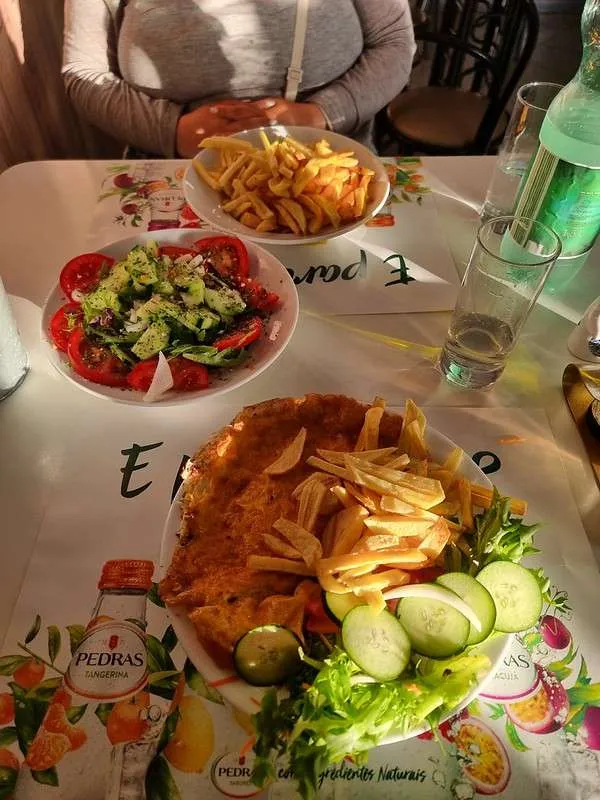
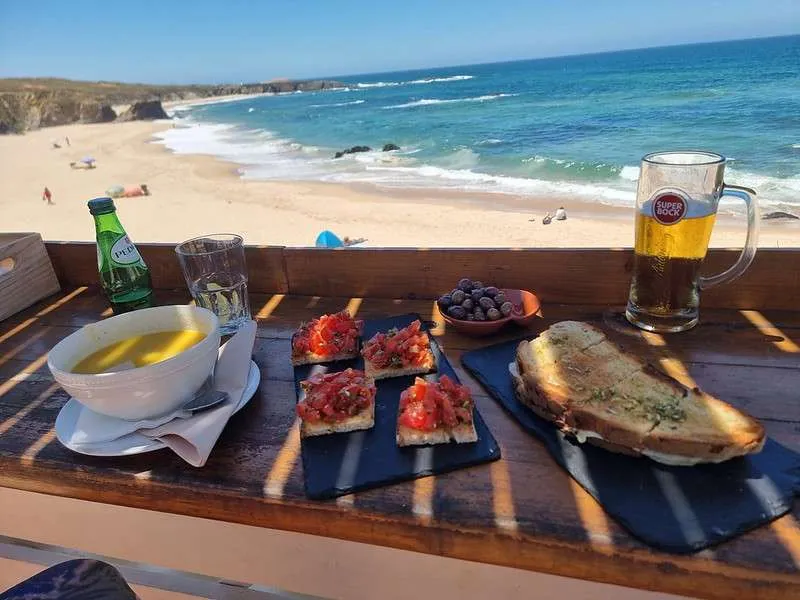
- Food: Unlike the Camino, you can’t rely on café stops every hour. Many days had only one café (if that), and a lot of restaurants don’t open until late. We ate out more than planned and learned to love the occasional overpriced salad. Bless the Indian-run minimarkets that stay open past 8 p.m.
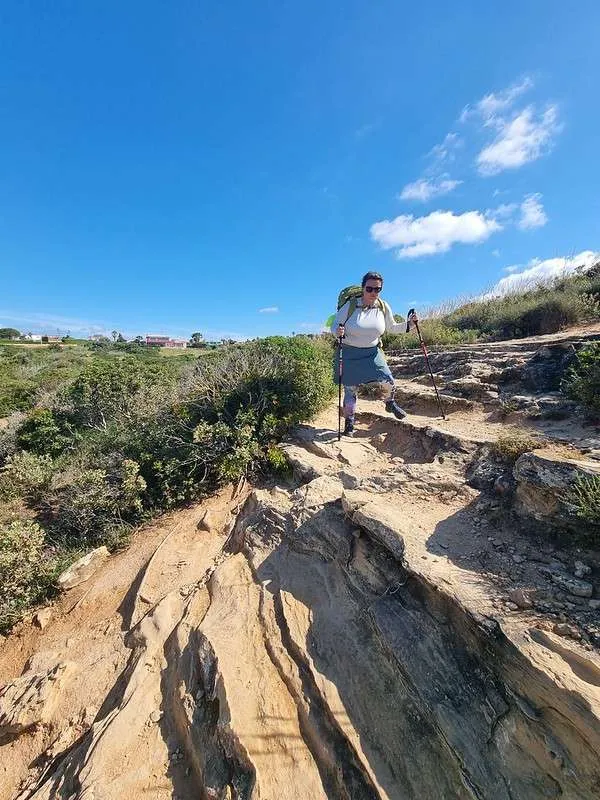
- Stages & Terrain: Shorter distances don’t mean easier days. Daily walks of 12–22 km often included endless ascents and descents, cliffside scrambling, and unforgiving sand stretches. Some days felt like HIIT for hikers.
- Navigation: The Rota Vicentina is well-marked… until it isn’t. Trail markers are often on rocks that people walk over or get hidden in the landscape. We used the official Rota Vicentina website and the Open Maps app frequently.
This blog post contains some affiliate links to services and products we like. If you book through those links, we’ll get a small commission at no extra cost for you. Thank you for helping us keep The Magic of Traveling going!
Stage Breakdown & Accommodation Suggestions
Here’s a breakdown of the stages we walked, with rough distances and spots where accommodation made sense (or was at least manageable with a bit of creative detouring). We recommend checking what’s available on Booking.com and checking the distance to the Rota before booking. We booked our stays a bit less than a month before the beginning of the trip in mid-May, and there were not many options already.
Day 1 – Lagos → Luz (~12 km)
Charming walk along beaches and cliffs. Stayed uphill from Luz town center — extra 20 mins. Watch the video from this day
Day 2 – Luz → Salema (~11 km)
Hilly and rocky. We stayed in a tipi in a campsite outside Salema (25 min detour). Watch the video from this day
Day 3 – Salema → Sagres (~19 km)
Split the day: solo hike + Bolt to Praia da Ingrina. Stayed in Sagres, not far from a supermarket and 8 minutes off-trail. Watch the video from this day
Day 4 – Sagres → Vila do Bispo (~21.5 km)
Detour to the accommodation uphill again. Vila do Bispo has fewer options than expected. Watch the video from this day
Day 5 – Vila do Bispo → Carrapateira (~21.5 km)
Stayed at sustainable Casa Presente, outside the village but close to the trail. Watch the video from this day
Day 6 – Carrapateira → Arrifana (~20 km)
Stayed in Hotel Utopia (~2-3 km outside Rota); detour required Bolt. Watch the video from this day
Day 7 – Arrifana → Aljezur (~17 km)
Rest day. Took Bolt to town and stayed centrally in Aljezur. Laundry and a great vegan lunch! Watch the video from this day
Day 8 – Aljezur → Odeceixe (~16 km walking + 4 km together)
After beach time, we stayed in town. A bit of a detour from the beach area, but close to the trail. Watch the video from this day
Day 9 – Odeceixe → Carvalhal (~17 km)
Stayed at Altavista de Carvalhal (near Zambujeira). Needed Bolt to Zambujeira for dinner. Watch the video from this day
Day 10 – Cabo Sardão → Almograve (~12 km)
Took Bolt to Farol do Cabo Sardão, walked to Almograve. Stayed at Pousada de Juventude. Watch the video from this day
Day 11 – Almograve → Vila Nova de Milfontes (~12 km)
Took a boat to cross the Mira River. Stayed in Tulip Room (lovely spot!). Watch the video from this day
Day 12 – Milfontes → Porto Covo (~18 km)
Longest sandy stage. No open cafés. Stayed near the main square in Porto Covo. Watch the video from this day
Day 13 – Porto Covo → São Torpes (~10 km)
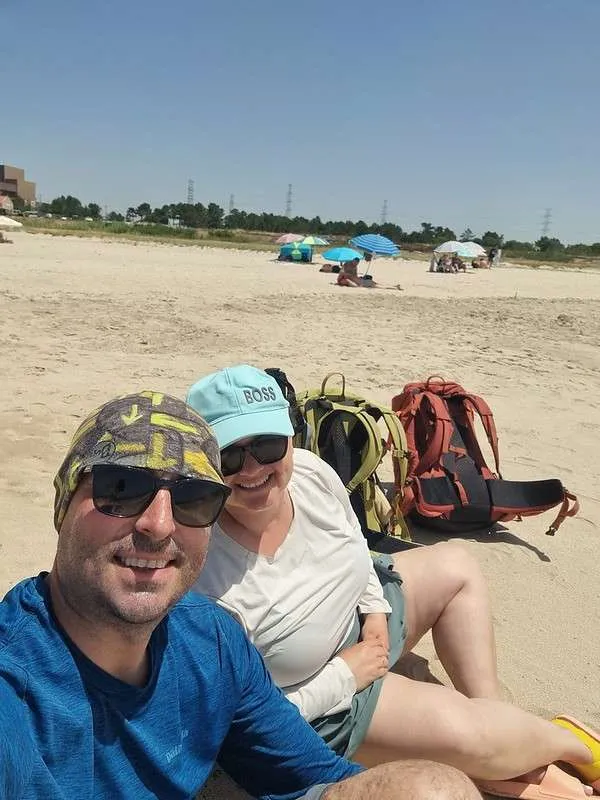
Short stage but buggy and industrial. Ended at Boiler Beach. Ubered to Sines to stay. Watch the video from this day
Camino vs. Rota: Spot the Difference
- Crowds: Camino = hundreds of pilgrims a day. Rota = much more solitude and the occasional confused surfer.
- Infrastructure: Camino has albergues, menus del peregrino, and laundry machines. Rota has guesthouses and hotels, limited cafés, and a deep appreciation for Bolt. While it lacks infrastructure, the sense of solitude and raw beauty is unmatched.
- Terrain: Camino gives you roads and mild hills. Rota throws cliffs, sand, sharp rocks, and blazing sun at you.
- Vibe: Camino feels like a shared pilgrimage. Rota feels like an introspective hike on the edge of the continent, with more dolphins and fewer blister-sharing chats.
Final Thoughts (Because You Scrolled This Far)
Would we do it again? Yes, but smarter. Would we recommend it? Only if you like suffering with views. And snacks. And laughter. And quiet. And occasional moments where your legs stop working but your soul feels more alive than ever.
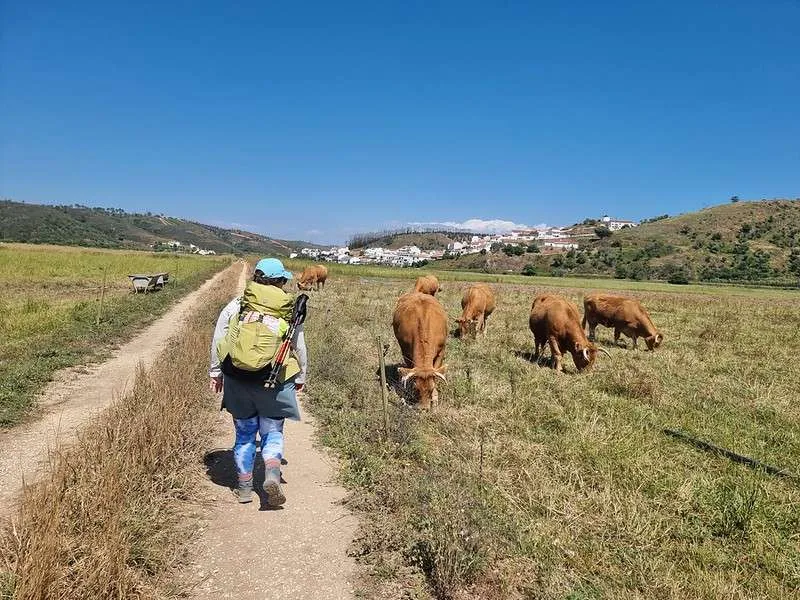
The Fishermen’s Trail is not for everyone. But if you go, go real. Go slow. Go with snacks. And don’t forget to talk to the cows.
Rota Vicentina: painfully beautiful, beautifully painful. Challenging, but rewarding. 10/10, would get blisters again.
Do you like this post?
Travel with us and share our journey on Instagram! Do you want to support us – learn how here!


