Turkmenistan, one of Central Asia’s most mysterious and under-visited destinations, offered us an unforgettable journey through its majestic deserts, ancient ruins, and modern wonders. In this four-day itinerary, we had the opportunity to explore unique natural phenomena such as the Karakum desert and the Darvaza crater, known as the “Gates of Hell”, to immerse ourselves in the history of the ancient cities of Nisa and Merv, and to enjoy the contrasts of the capital Ashgabat. With our guide and driver’s amazing stories and unforgettable views and potholes on the roads that took our breath away, this adventure of traveling in Turkmenistan will stay in our hearts forever.

Why visit Turkmenistan with a tour (hint: independent travel is not possible)
Turkmenistan is a country that is just opening up to tourism and is still challenging to explore independently. The law requires every tourist to travel with a guide and a driver, making solo travel virtually impossible. But that’s part of the charm – a local guide will help you navigate the bureaucracy of entering the country, show you the best of it, and tell you interesting facts and stories you wouldn’t have learned on your own.
Our itinerary of 4 days in Turkmenistan
Day 1: Arrival, Yzmyksir Fortress, Karakum Desert, Darvaza Crater
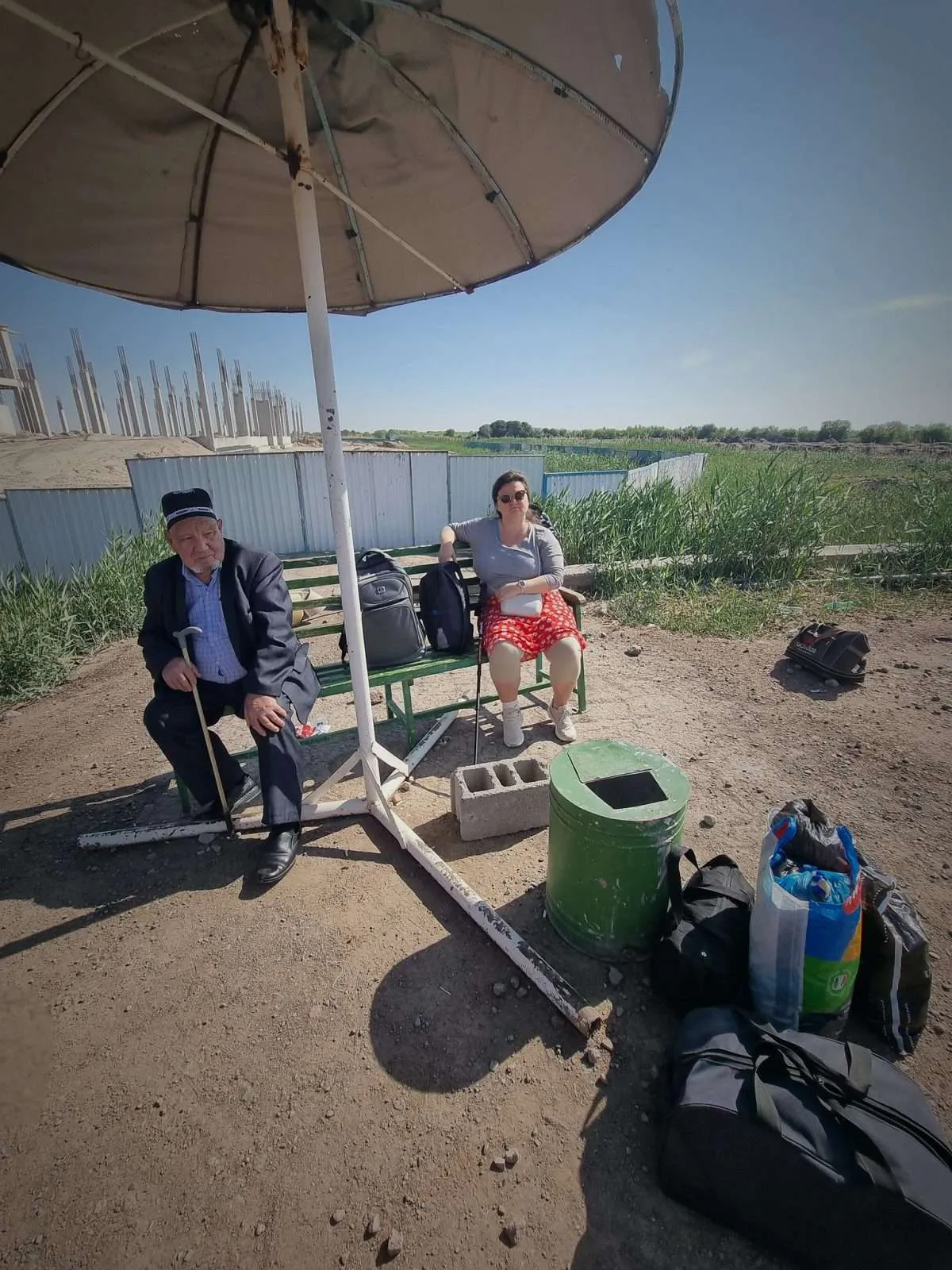
Our adventure began at the Uzbekistan-Turkmenistan border early in the morning, where we waited patiently for it to be opened. On the Turkmen side, our guide Alexander (Sasha) was waiting for us and helped us go through all the checks and formalities, and there were quite a few, they even tested us for covid. Then we also met our driver Vladimir (Vova), who acted as a second guide throughout the trip. After riding in the jeep from the border, our first stop was Yzmyksir Fortress.
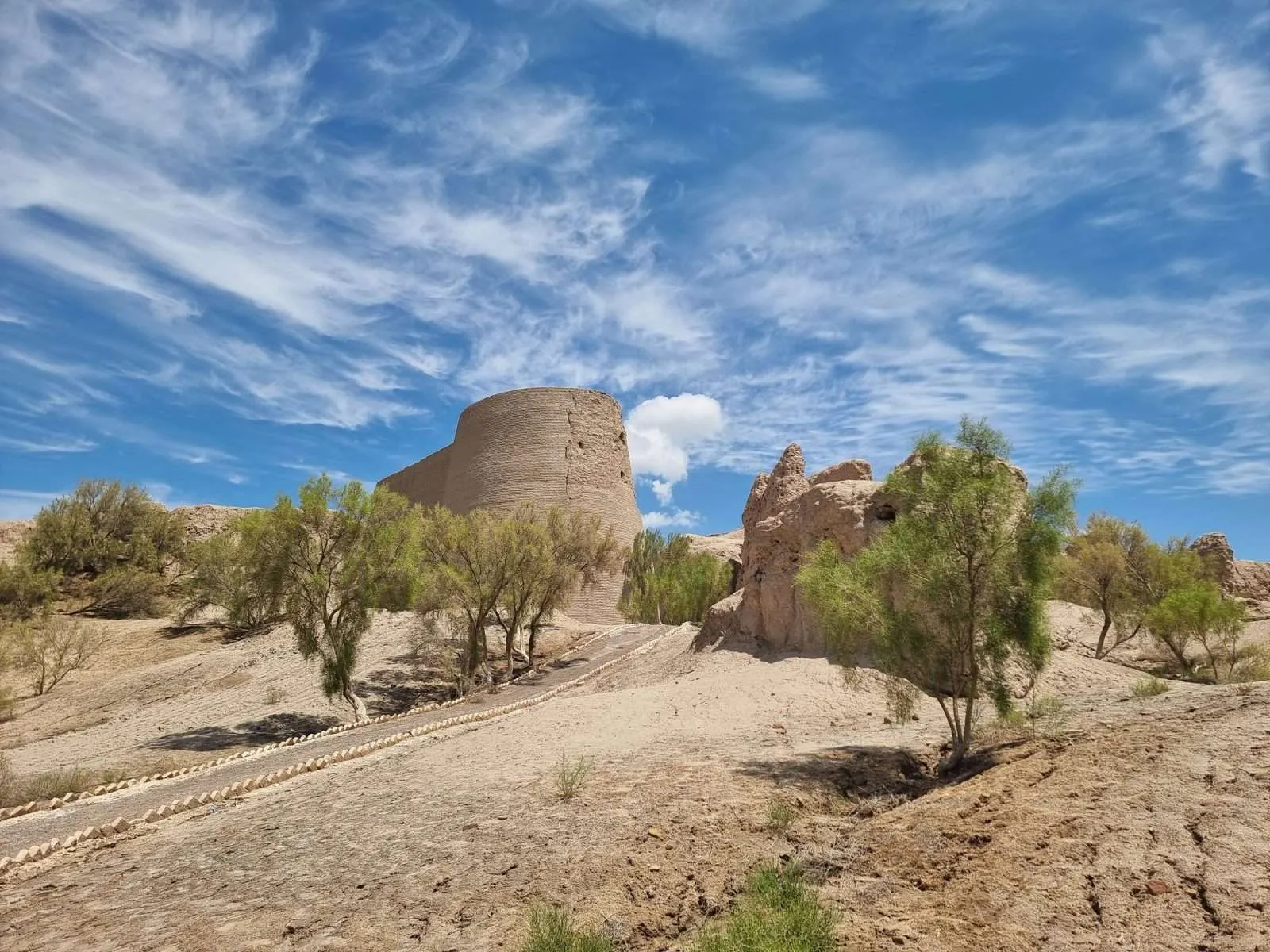
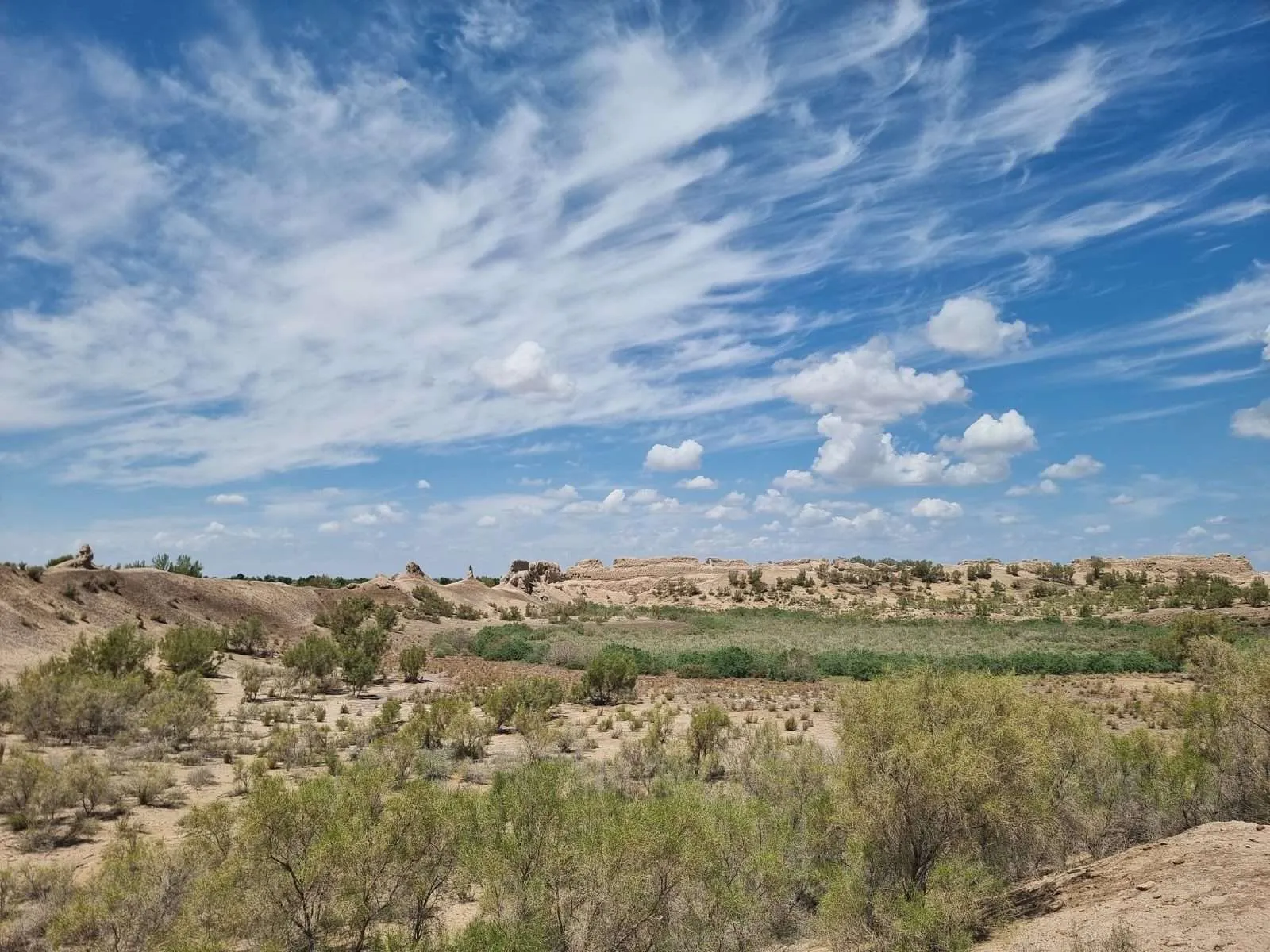
The fortress is a unique place that gave us the opportunity to explore its ruins on our own. There we immersed ourselves in the history of the region while Sasha told us interesting facts and legends. The fortress is located in a high place, from where impressive views of the surroundings are revealed. We felt like real archaeologists, discovering remains of past eras. Rarely can you access such artifacts in developed tourist destinations. And here the only signs of human presence were the few plastic bottles left over from a celebration.
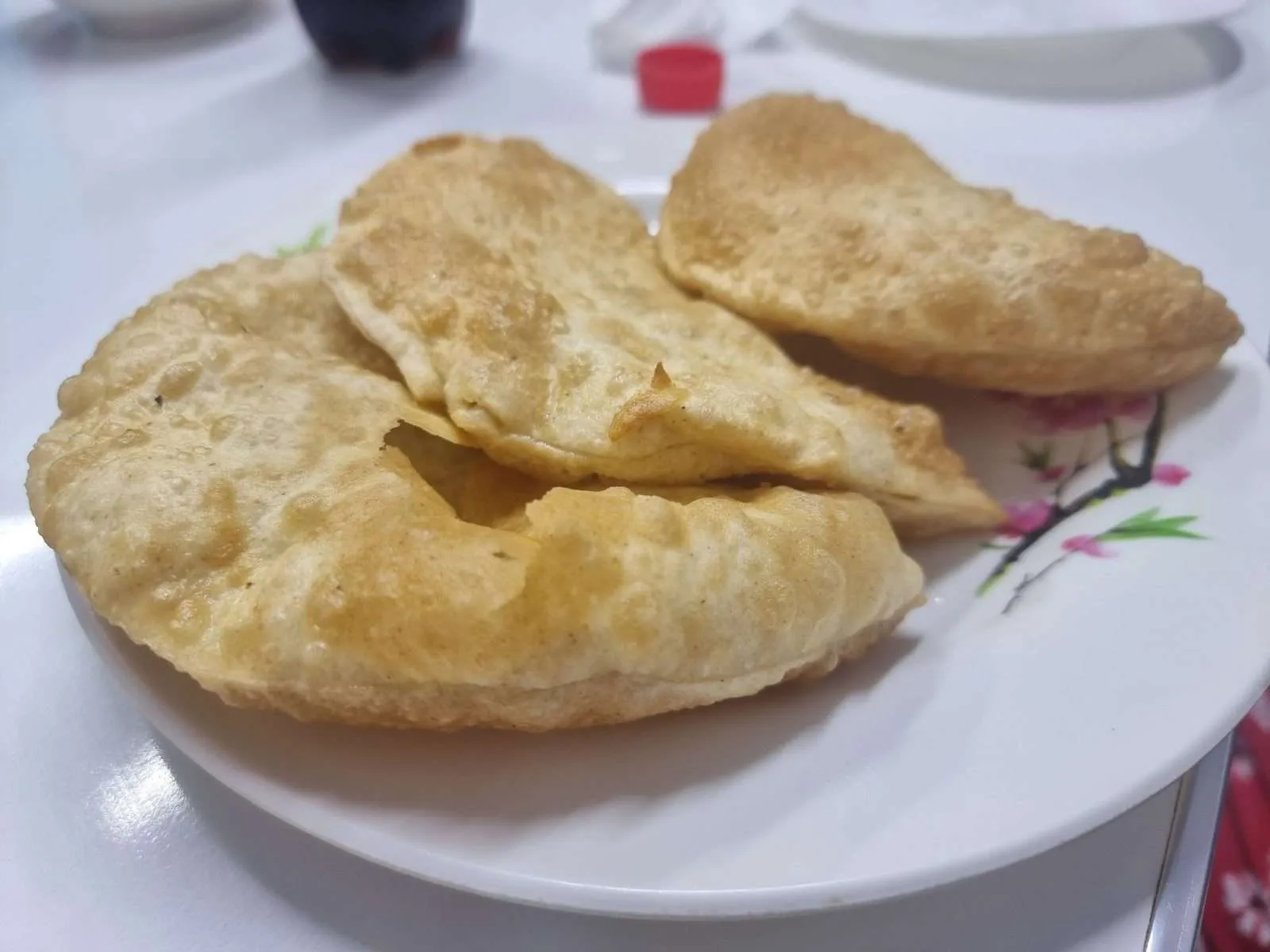
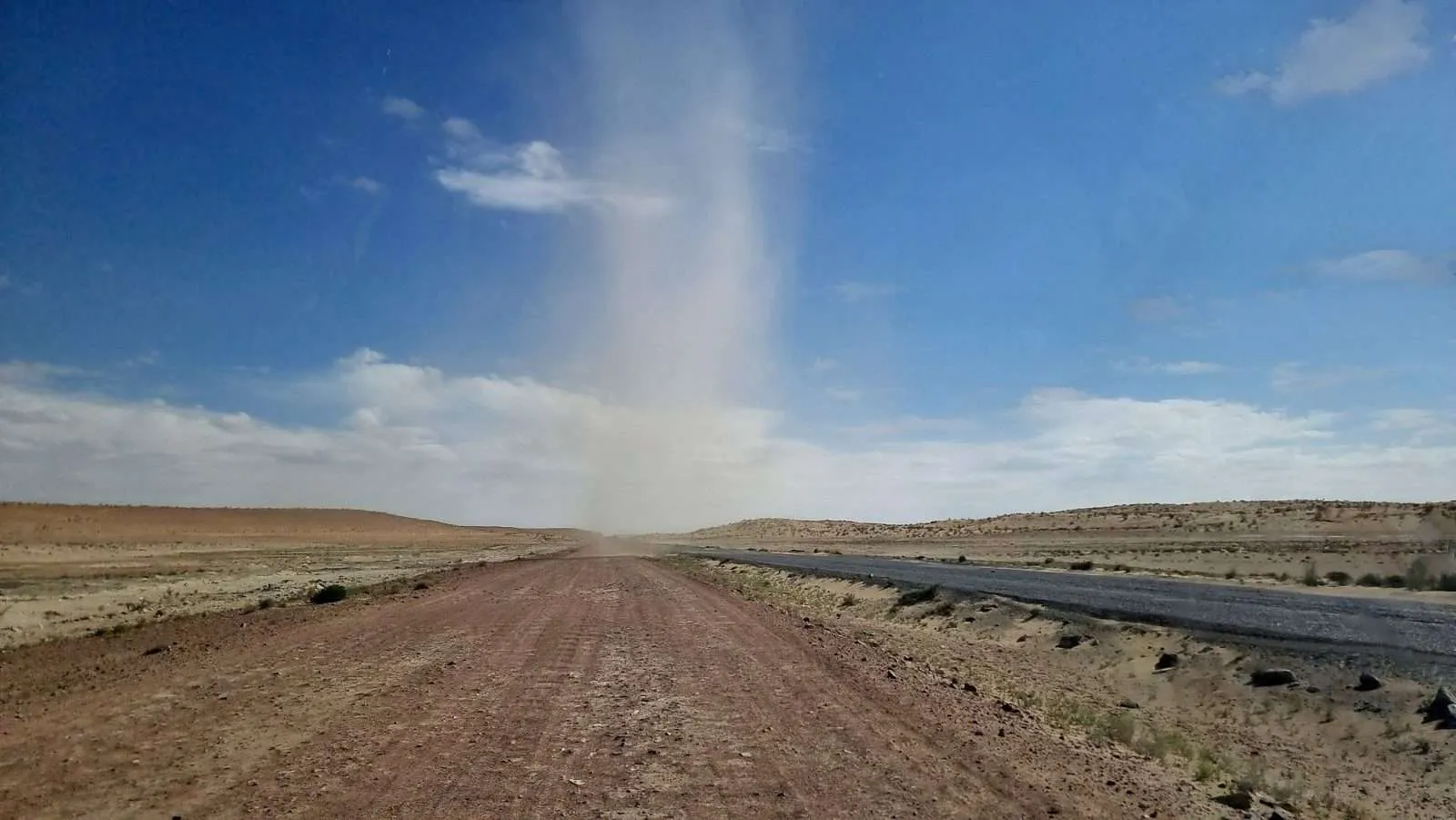
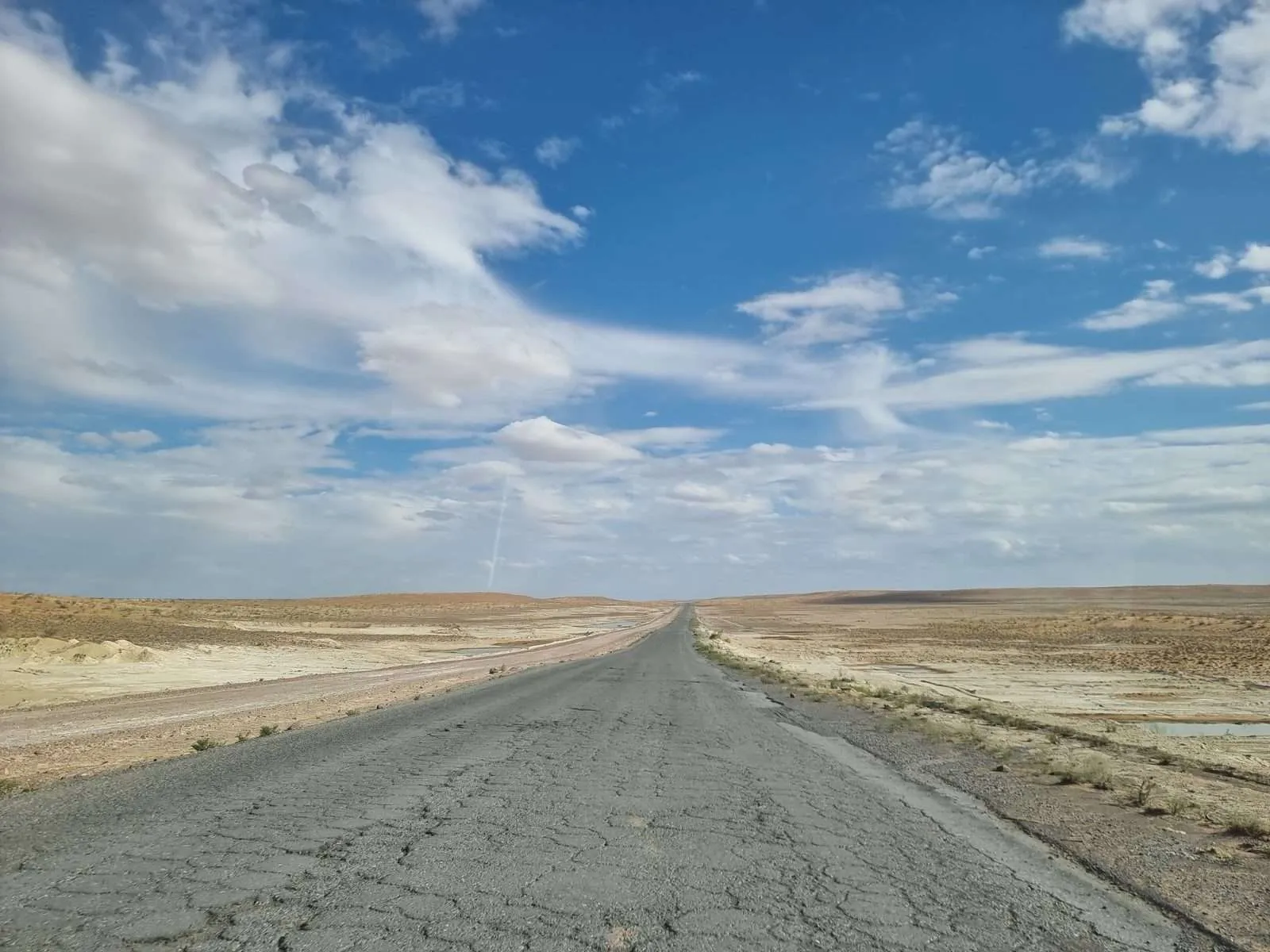
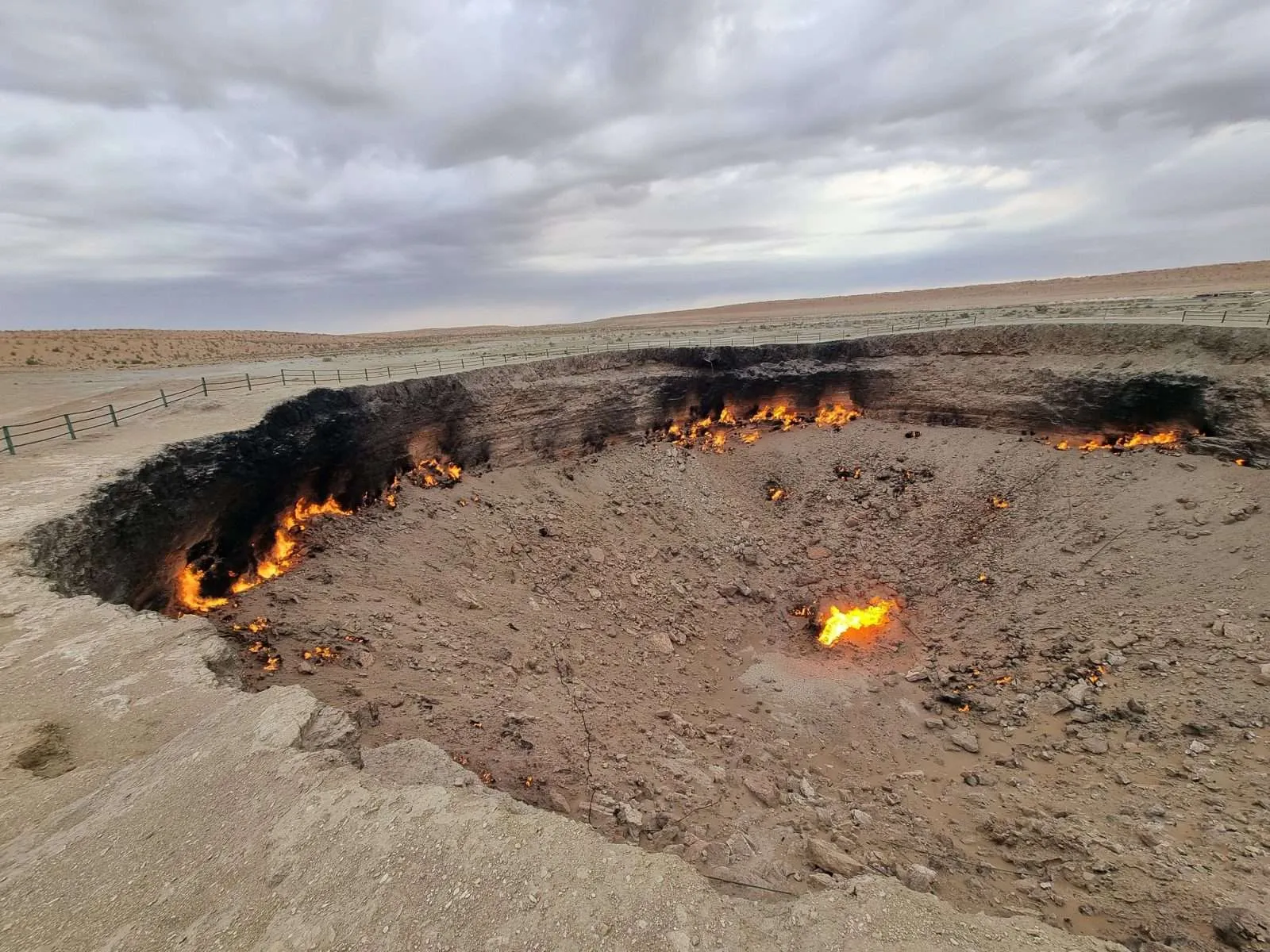
We then hit the road, which soon became potholed and completely broken at times. We stopped at a roadside diner for a quick lunch. We ate warm chebureks with potatoes. After quite a bit of jostling and jumping over holes, which was fun at first but quickly became tiring, we entered the Karakum Desert. Dunes, medicinal plants, domestic camels, and lots of potholes. We reached the first crater, which we toured partly on foot, and partly by jeep. We then proceeded to the Darvaza Crater, known as the ‘Gates of Hell’. This natural landmark is the result of an accidental ignition of underground gas deposits in 1971. The huge crater filled with burning gas looks like a scene from a fantasy movie. At night, when the fire glows brightly against the darkness of the desert, the view is simply magical.
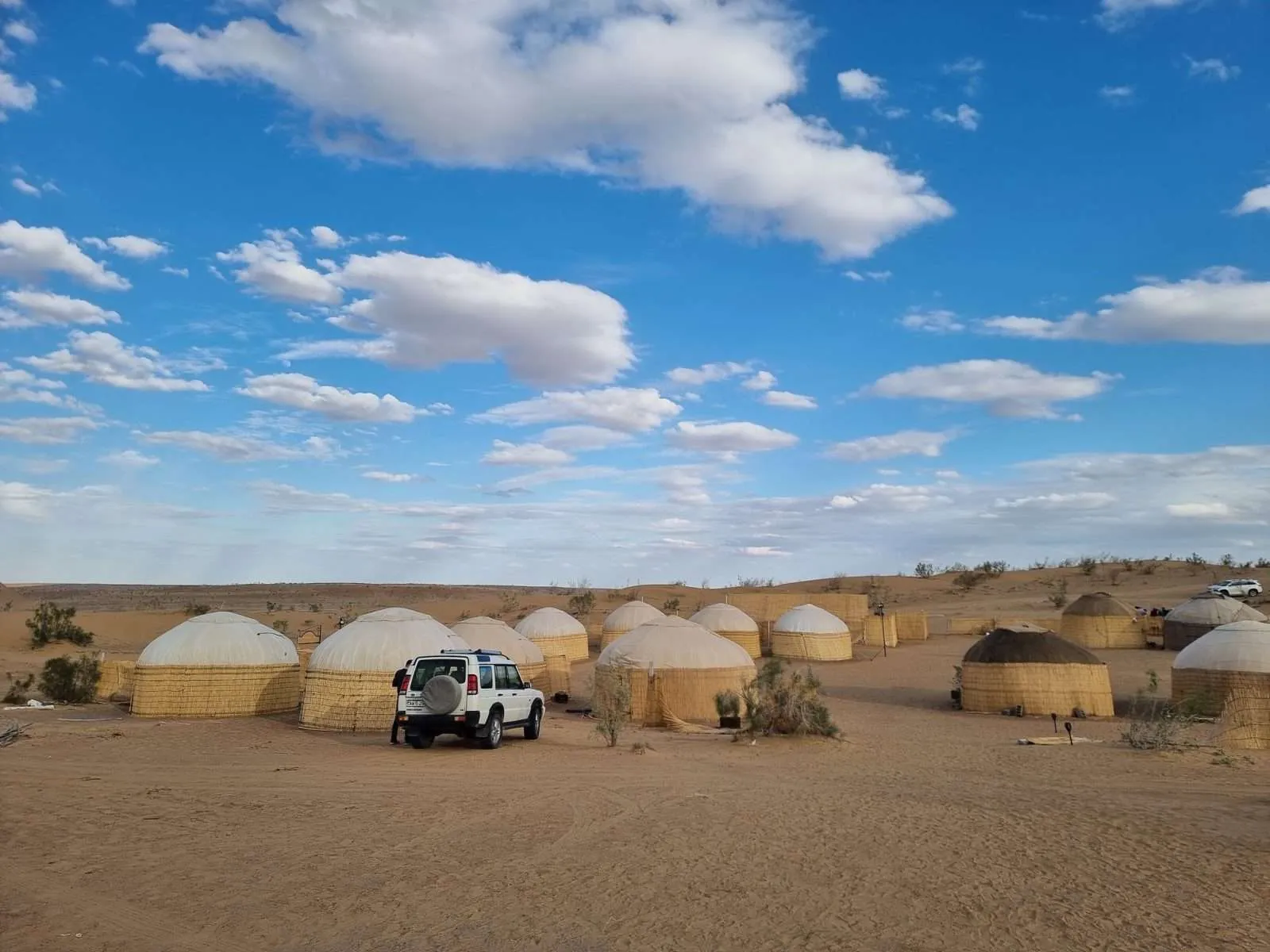
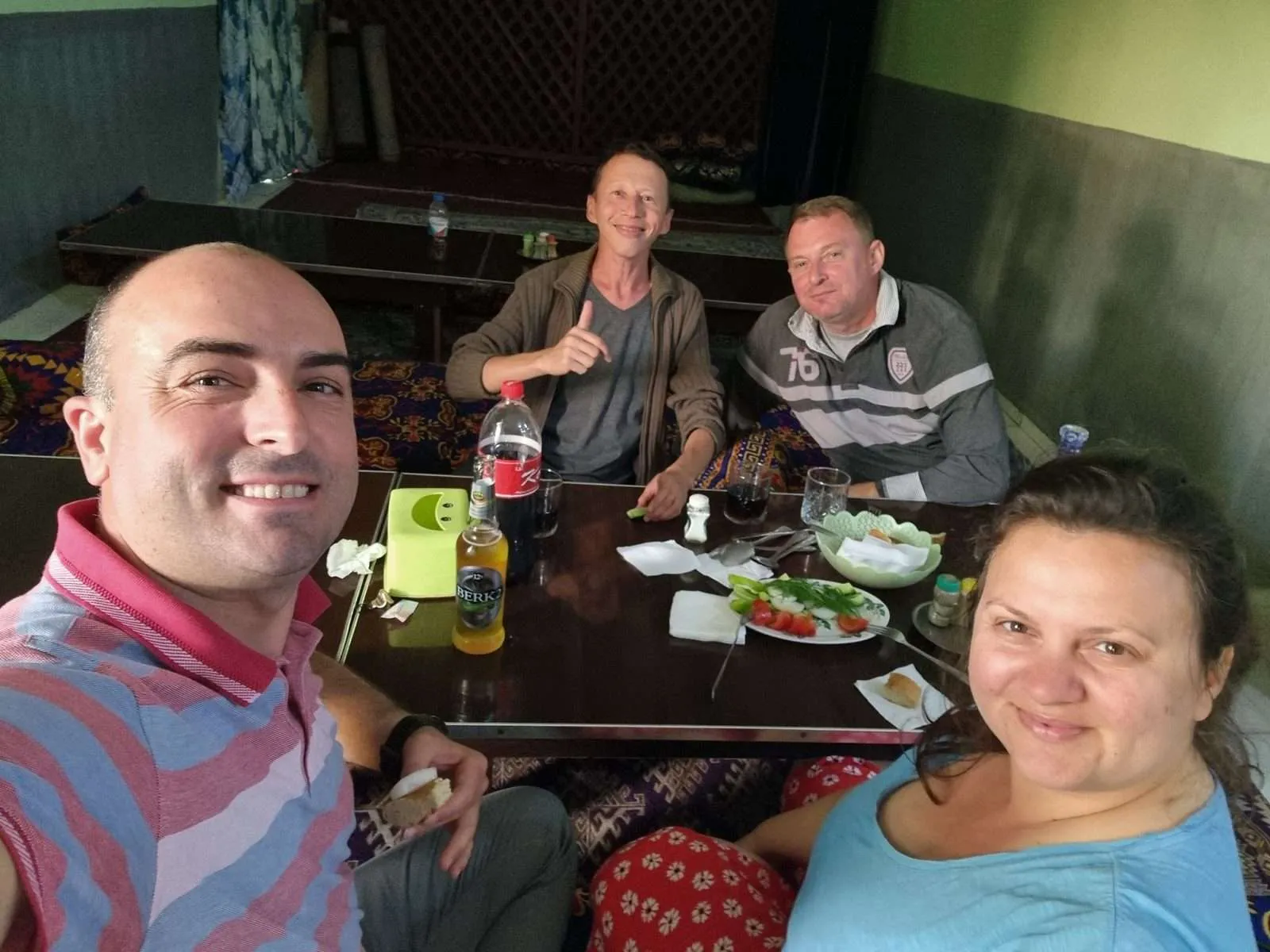
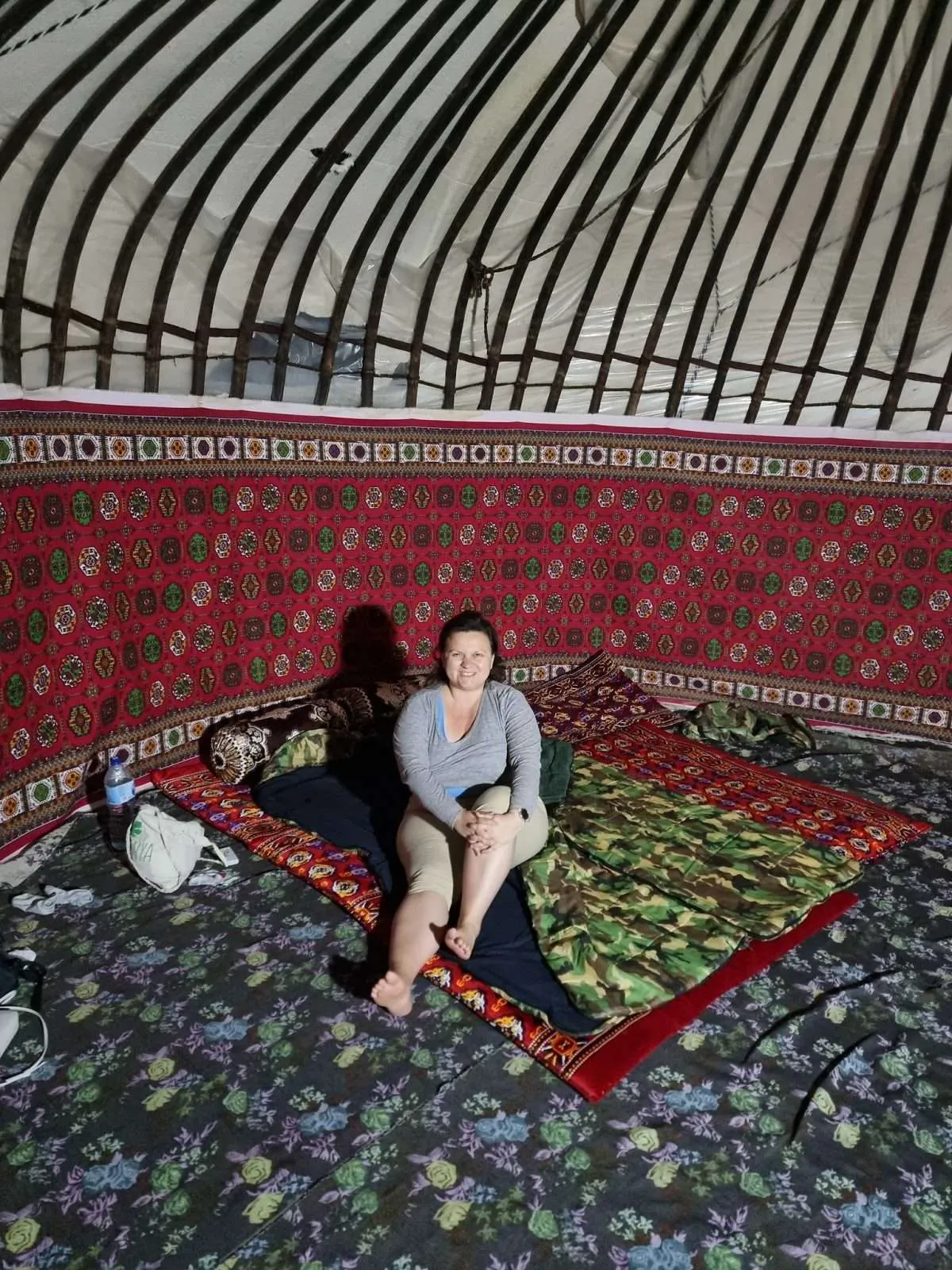
We had dinner at a roadside restaurant, where Sasha and Vova quenched their fatigue with a bottle of vodka. On the menu, there was only pilaf (rice with vegetables and meat on top), from which they removed the meat for the vegetarians (us), and a tomato and cucumber salad. We spent the night in yurts at the campsite around the crater, enjoying the peace and quiet of the desert.


Day 2: Explore the craters and visit Ashgabat
We woke up early in the morning in our yurt and headed to the main crater of Darvaza to see it in daylight as well. It looked even more impressive under the sun’s rays. From there we continued our journey through the desert to the third crater, which was filled with poisonous green water (and it is poisonous). This contrast between the burning crater and the bubbling green water crater was amazing.
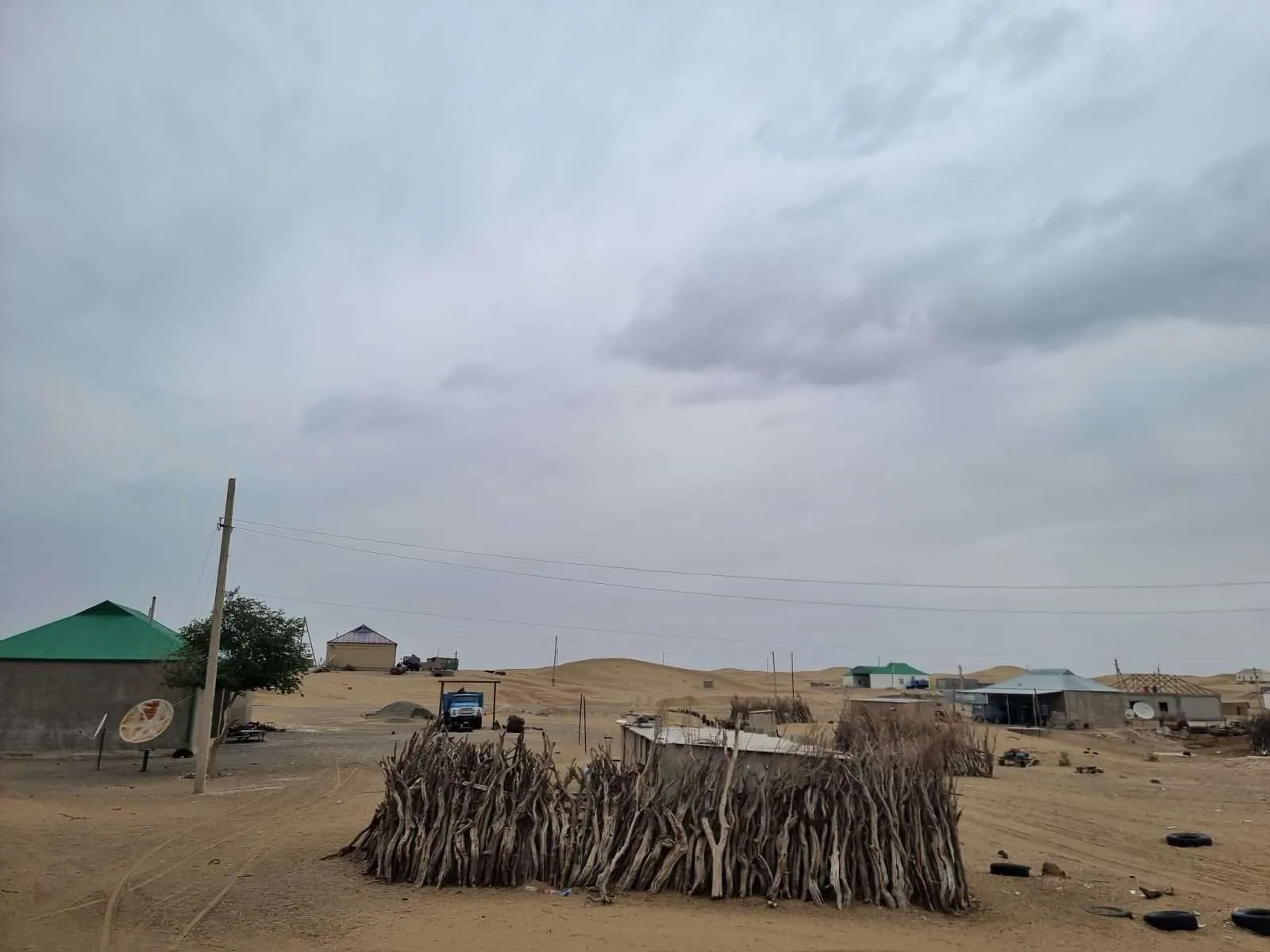
We drove around the village of Yerbent. This reality we saw was of very modest, often falling apart houses, many things made from improvised materials, non-existent streets, livestock on the road, and broken yards. Here and there passed a student, in a green and white uniform walking along the dusty road.
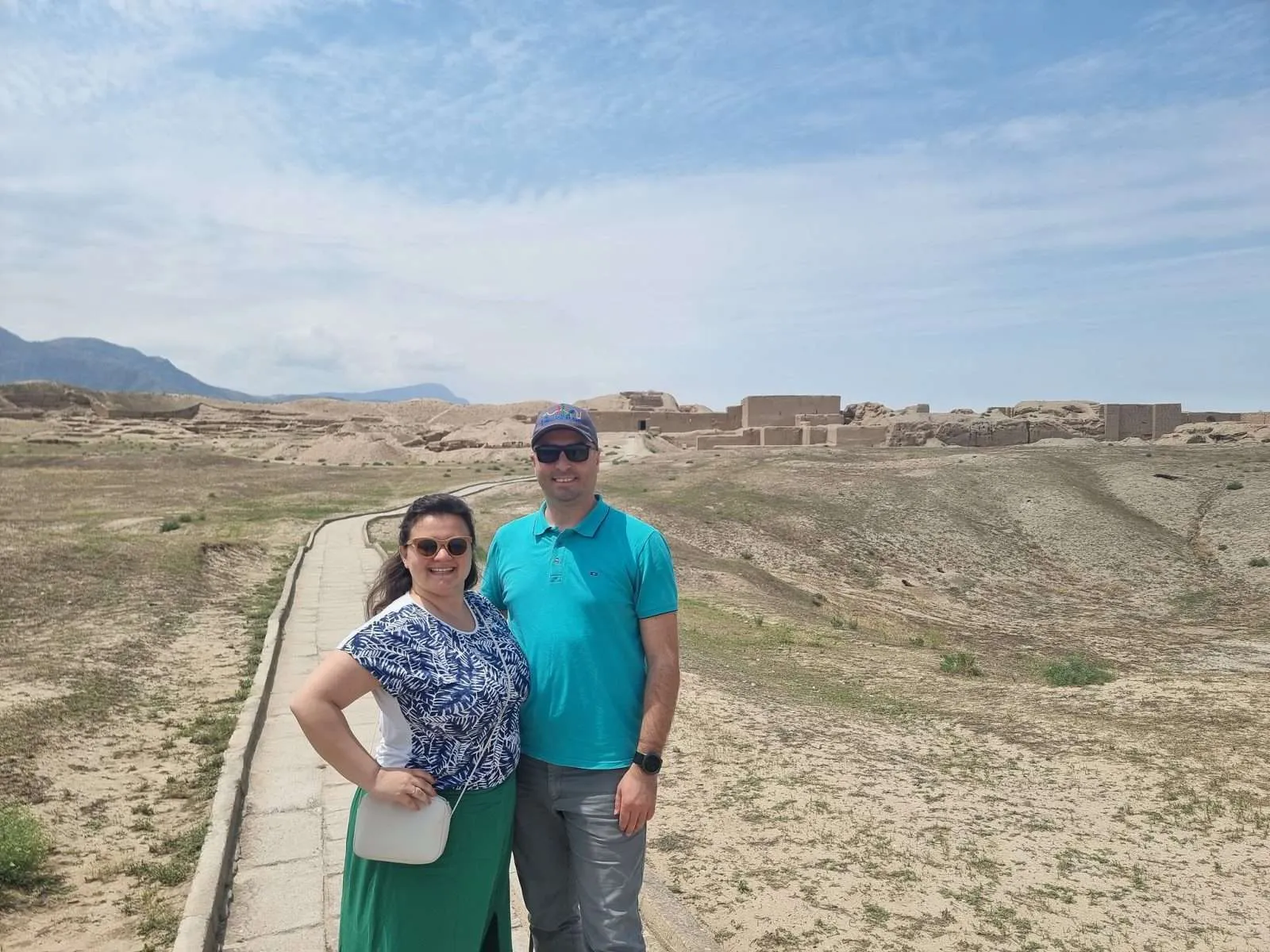
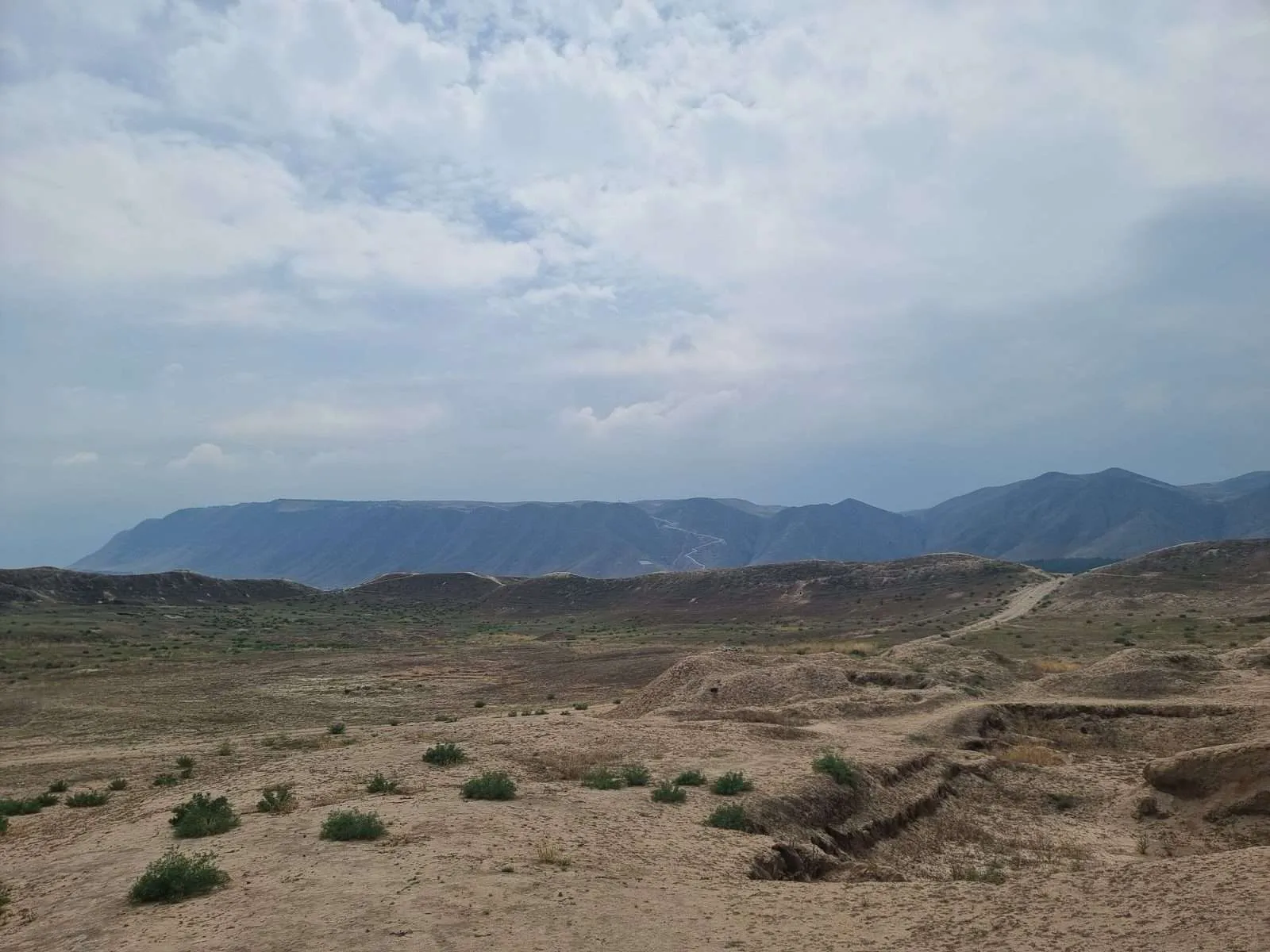
After this tour, quite in contrast, we headed to Ashgabat, the capital of Turkmenistan. On the outskirts of the city, we visited the Old Nisa Fortress, which was an ancient settlement of the Parthian Kingdom. In the 1st century BC, the city was completely destroyed by an earthquake. However, throughout the excavations, we saw mausoleums, sanctuaries, and valuable objects. The views of Kopet Dag Mountain and the stairs that make up the 36-kilometer Walk of Health were incredible.
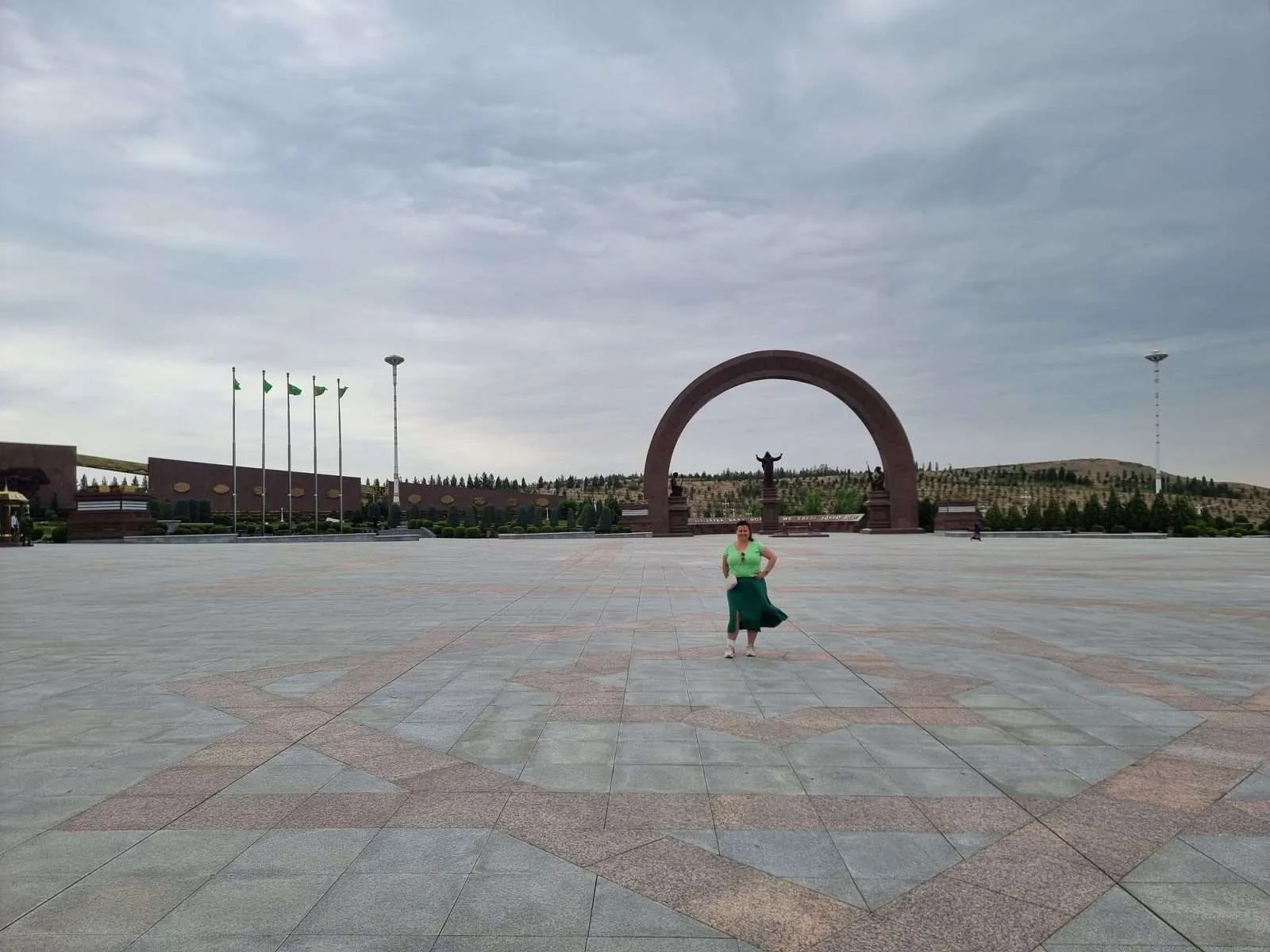
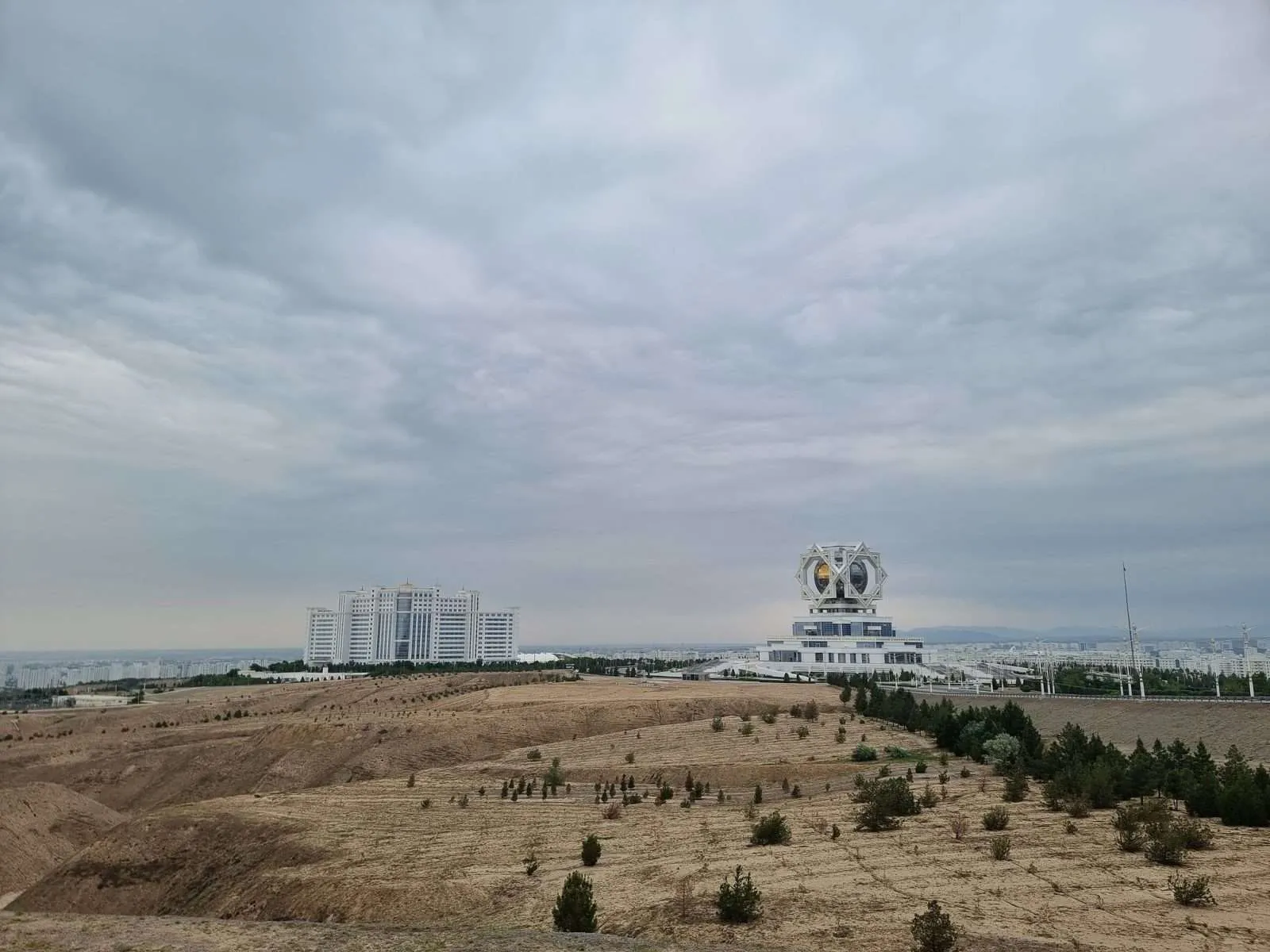
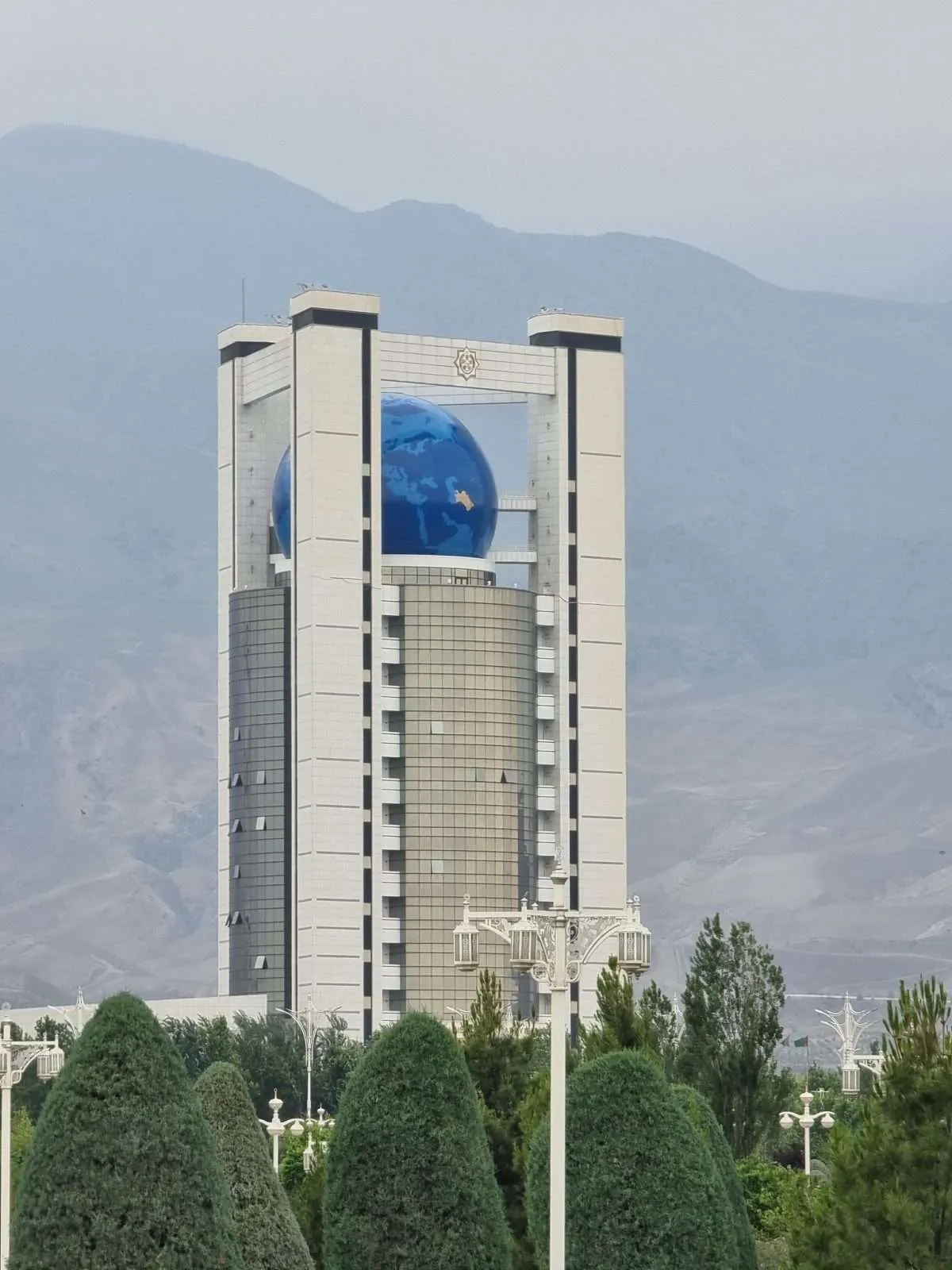
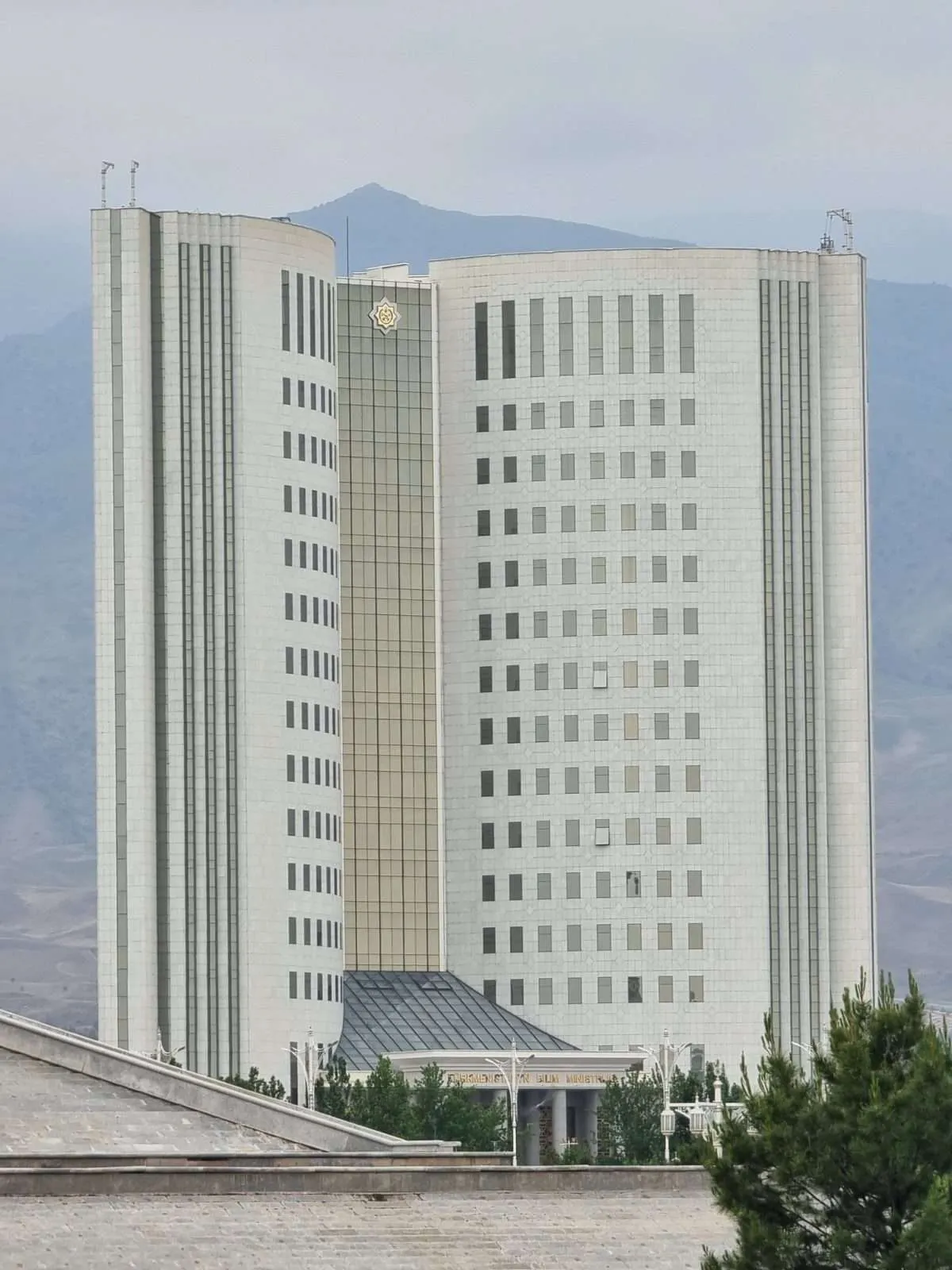
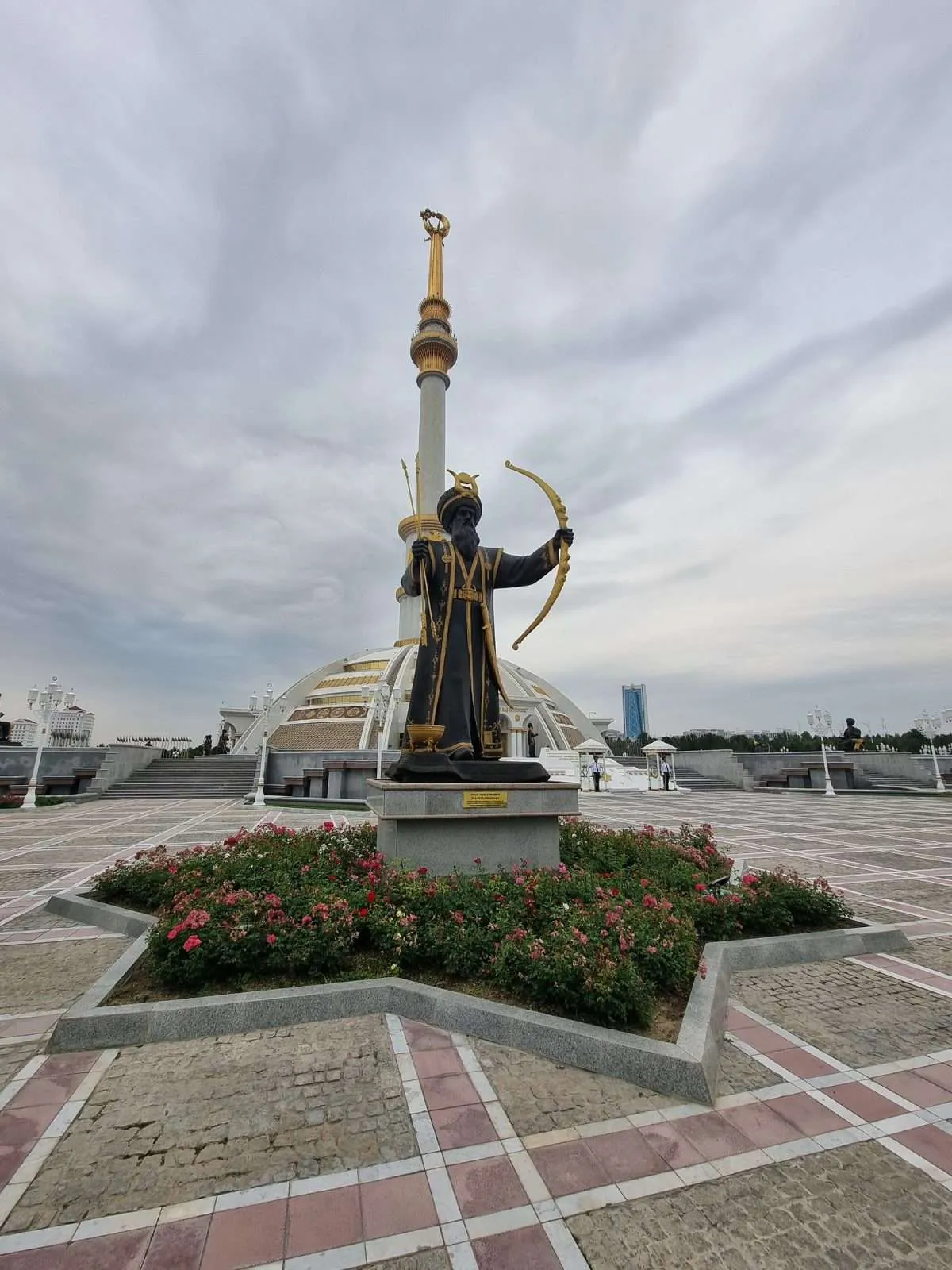
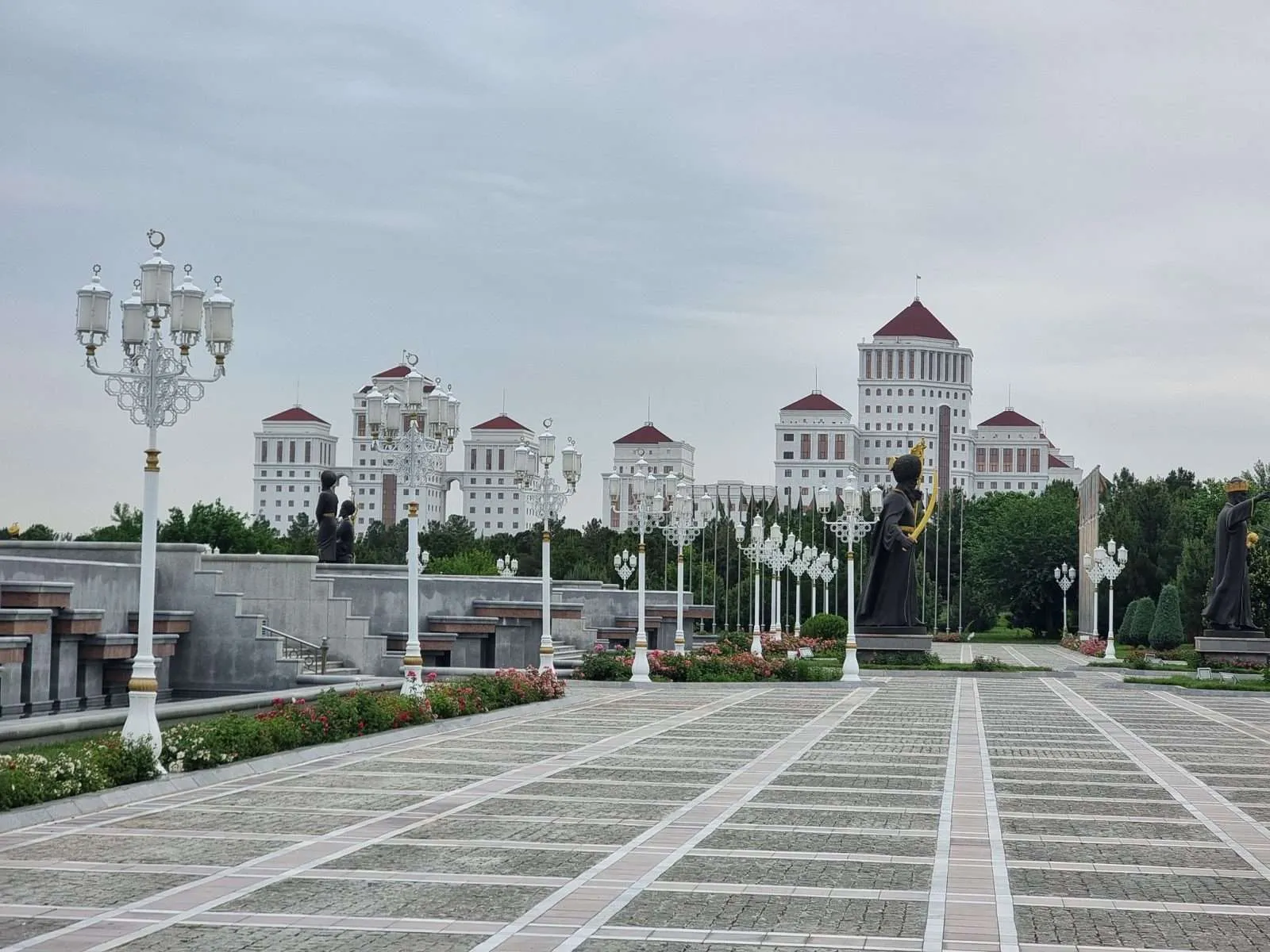
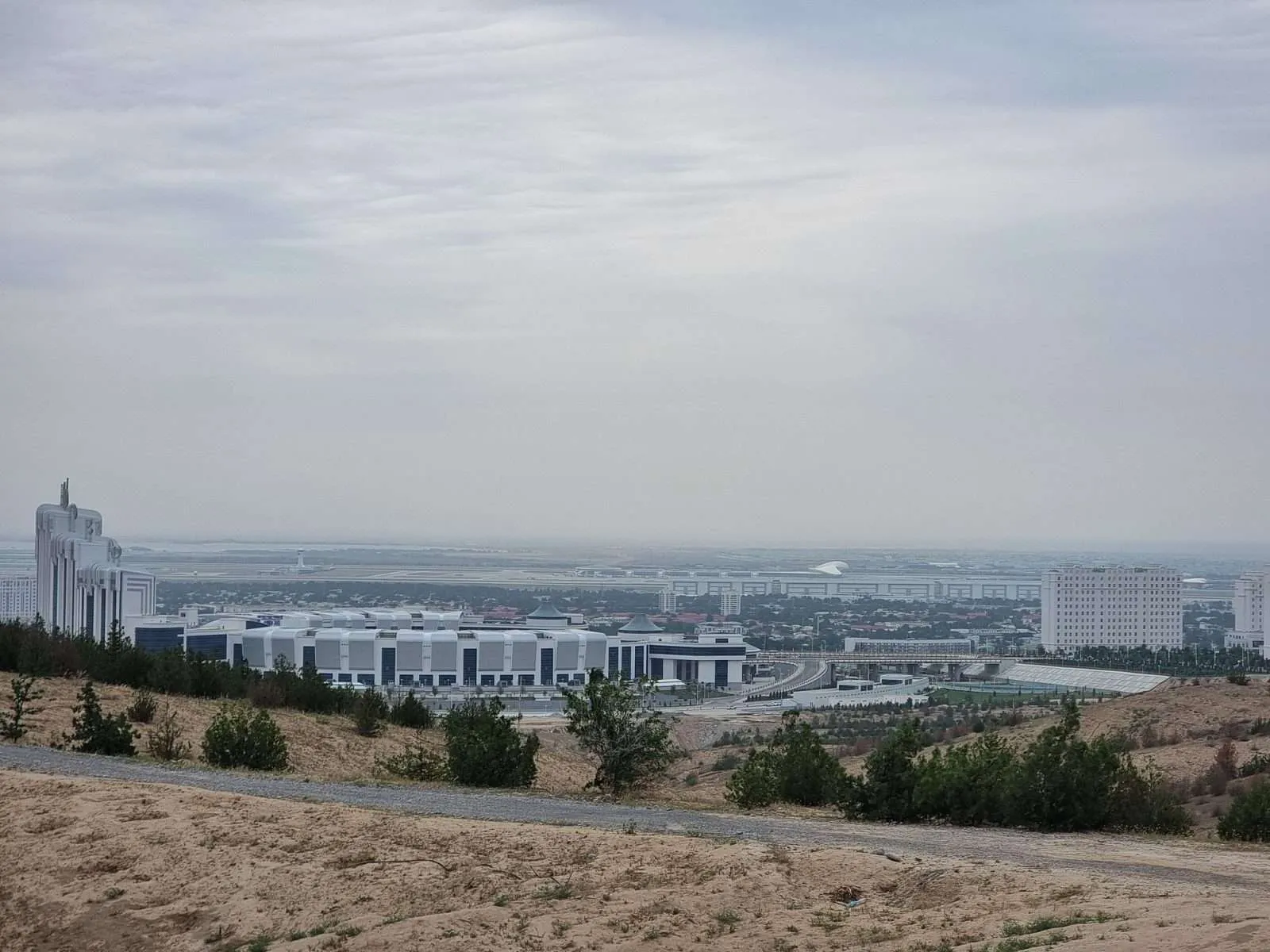
Ashgabat is a city of contrasts, known for its marble buildings and monumental architectural projects. Entire neighborhoods are being built with luxurious modern buildings to live in, but there is rarely anyone to inhabit them. Once we arrived, we started sightseeing. One of the highlights was the People’s Memory Memorial Complex, which pays tribute to the victims of the 1948 earthquake. Sasha told us about the tragedy that destroyed the city and claimed the lives of thousands of people, as well as the efforts to rebuild and revive Ashgabat.
The city is often referred to as the “White Marble City” because of its massive monuments and impressive buildings clad in white marble, most of which are huge in size and stand out from afar. The rulers of the country have an obsession with Guinness World Records and have gone out of their way to claim many of them. During the tour, we passed through huge streets, with policemen patrolling every kilometer, but we didn’t see many civilians, which explains the other name – “The White Ghost Town”. Mostly students and teachers, who can be recognized by the uniforms in specific colors and styles.
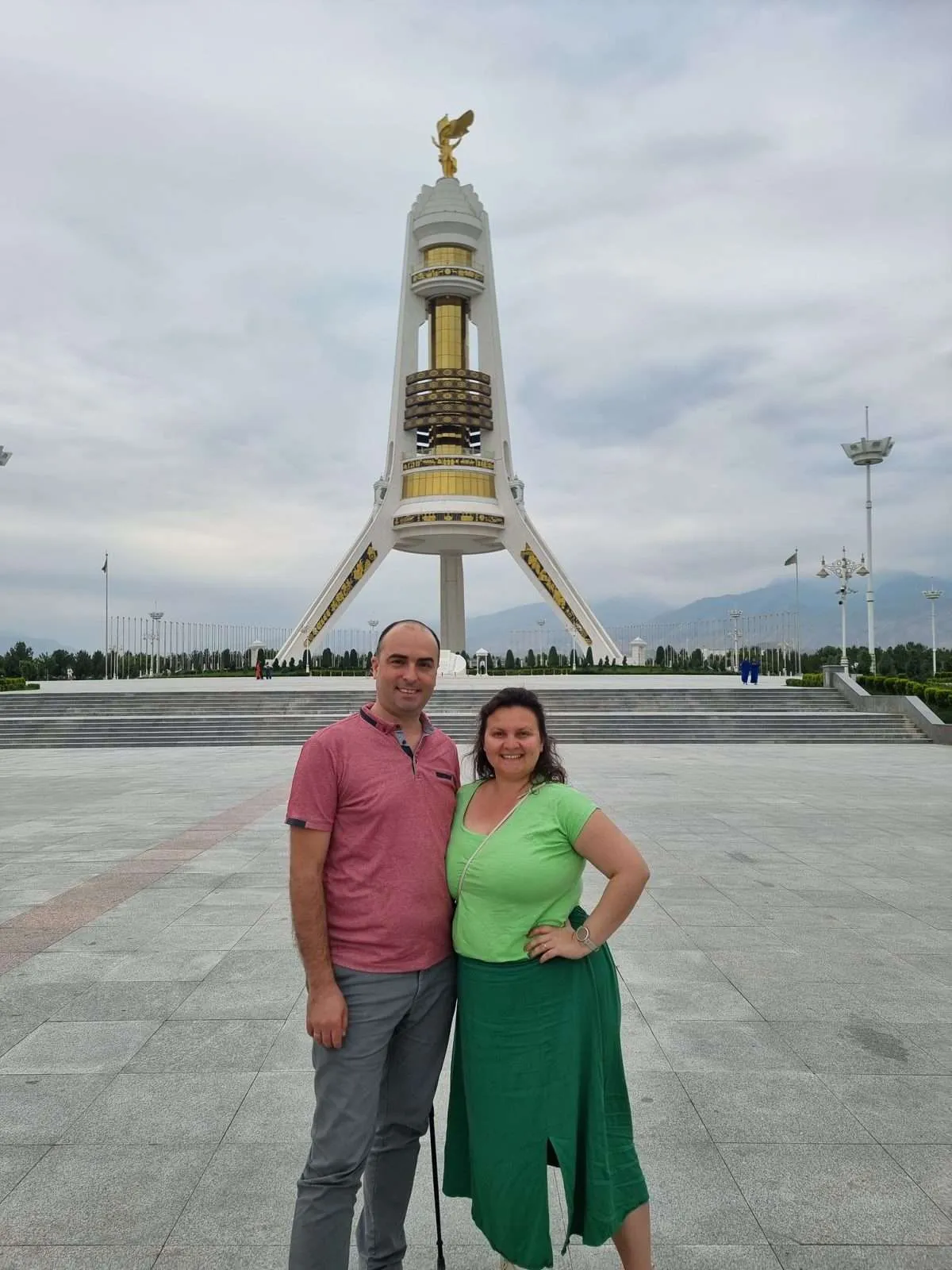
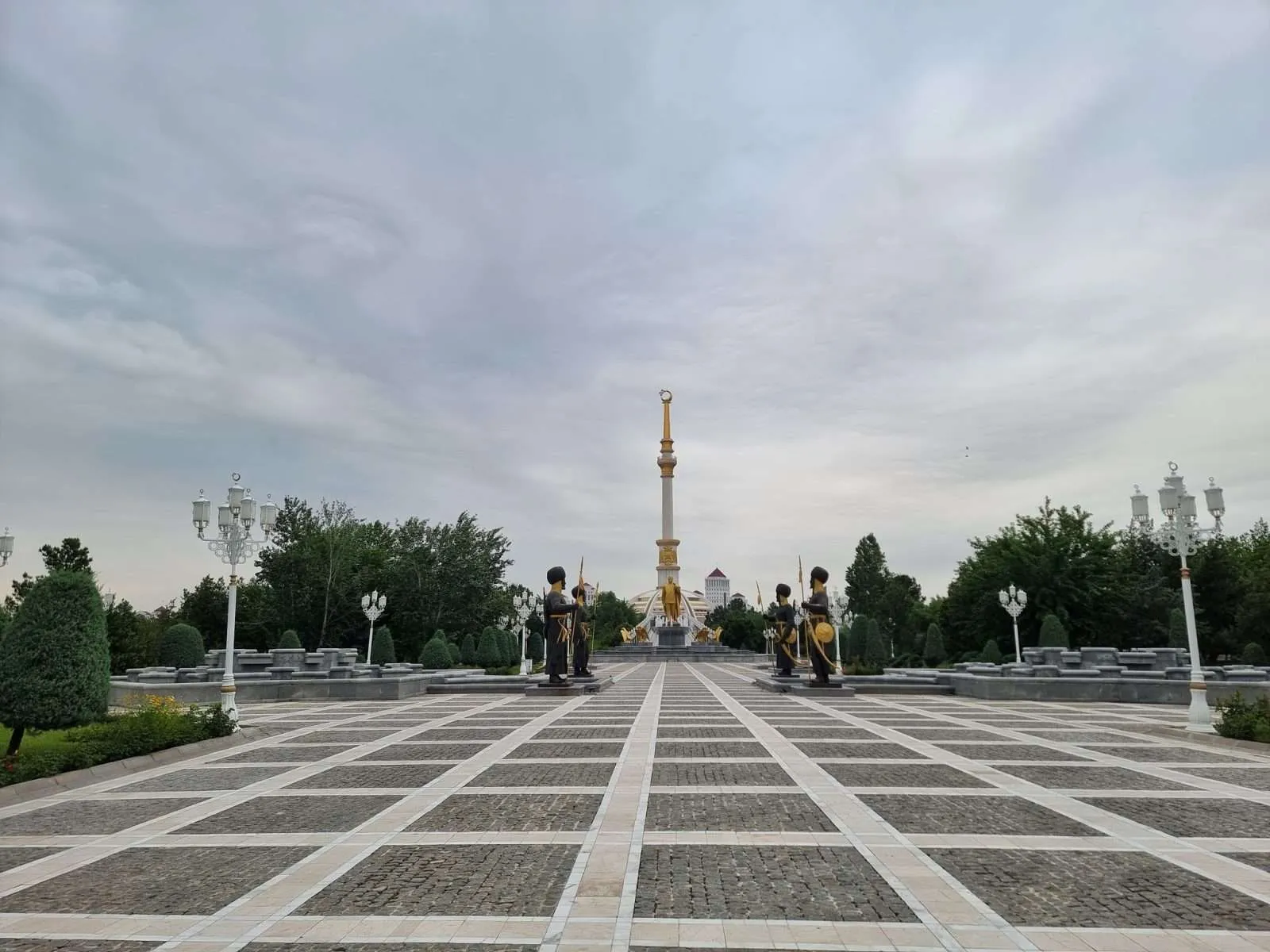
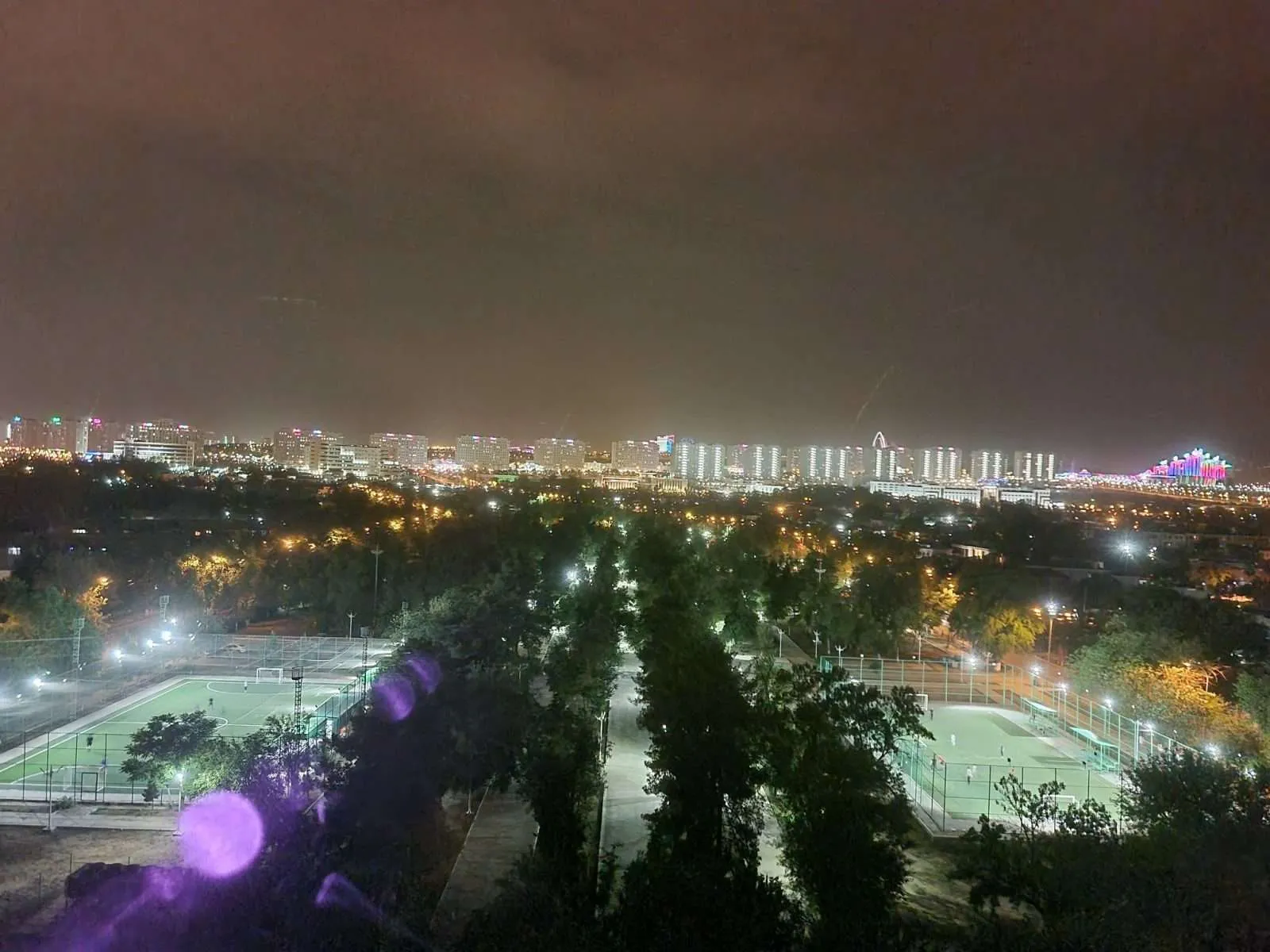
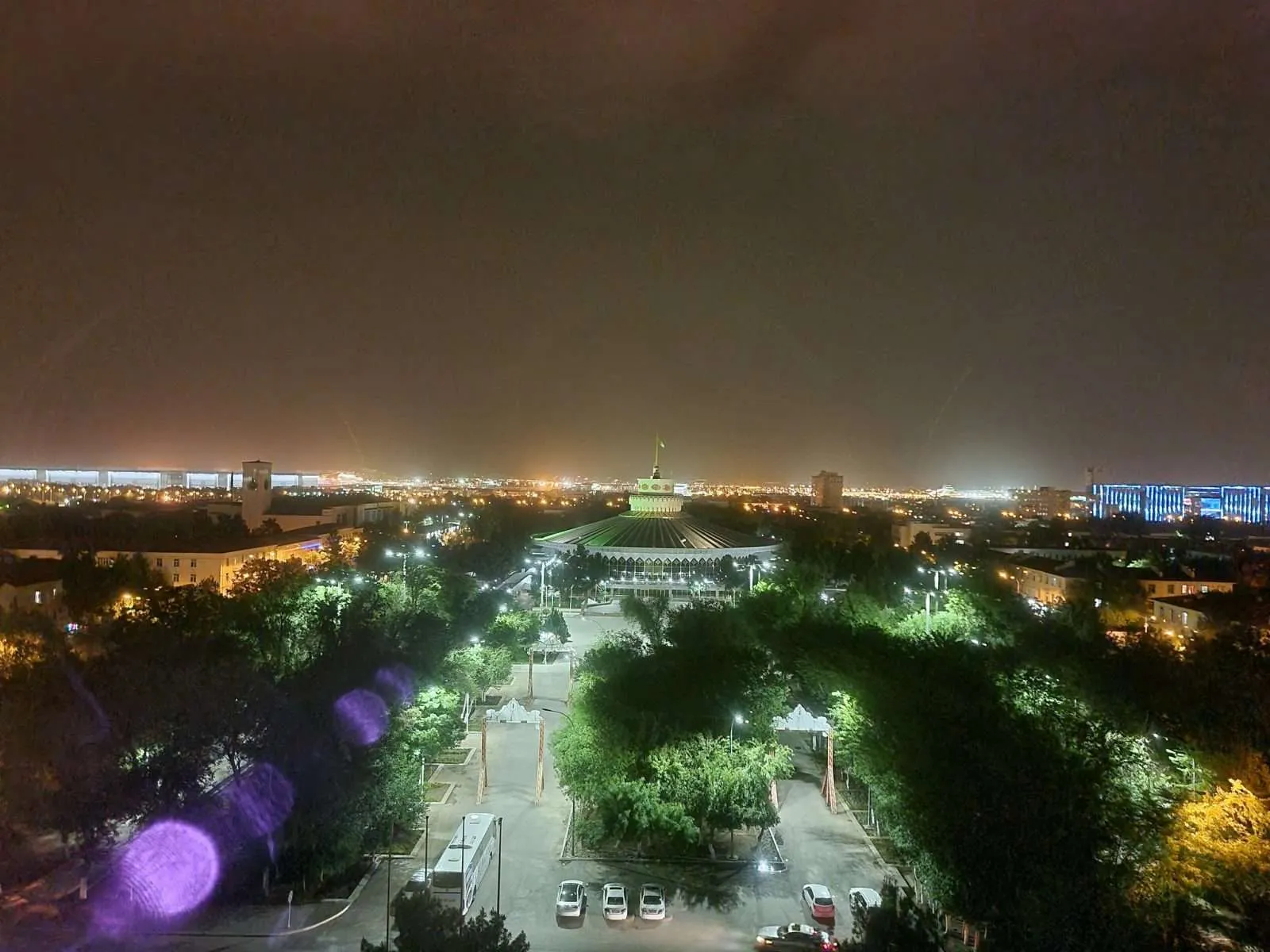
Then we visited Independence Square, where the monumental Arch of Neutrality is located – a symbol of Turkmen neutrality, crowned with the golden statue of former president Saparmurat Niyazov. From the top of the arch, there is a panoramic view of the entire city, which is especially impressive in the evening, when the lighting of the buildings gives Ashgabat a magical look.
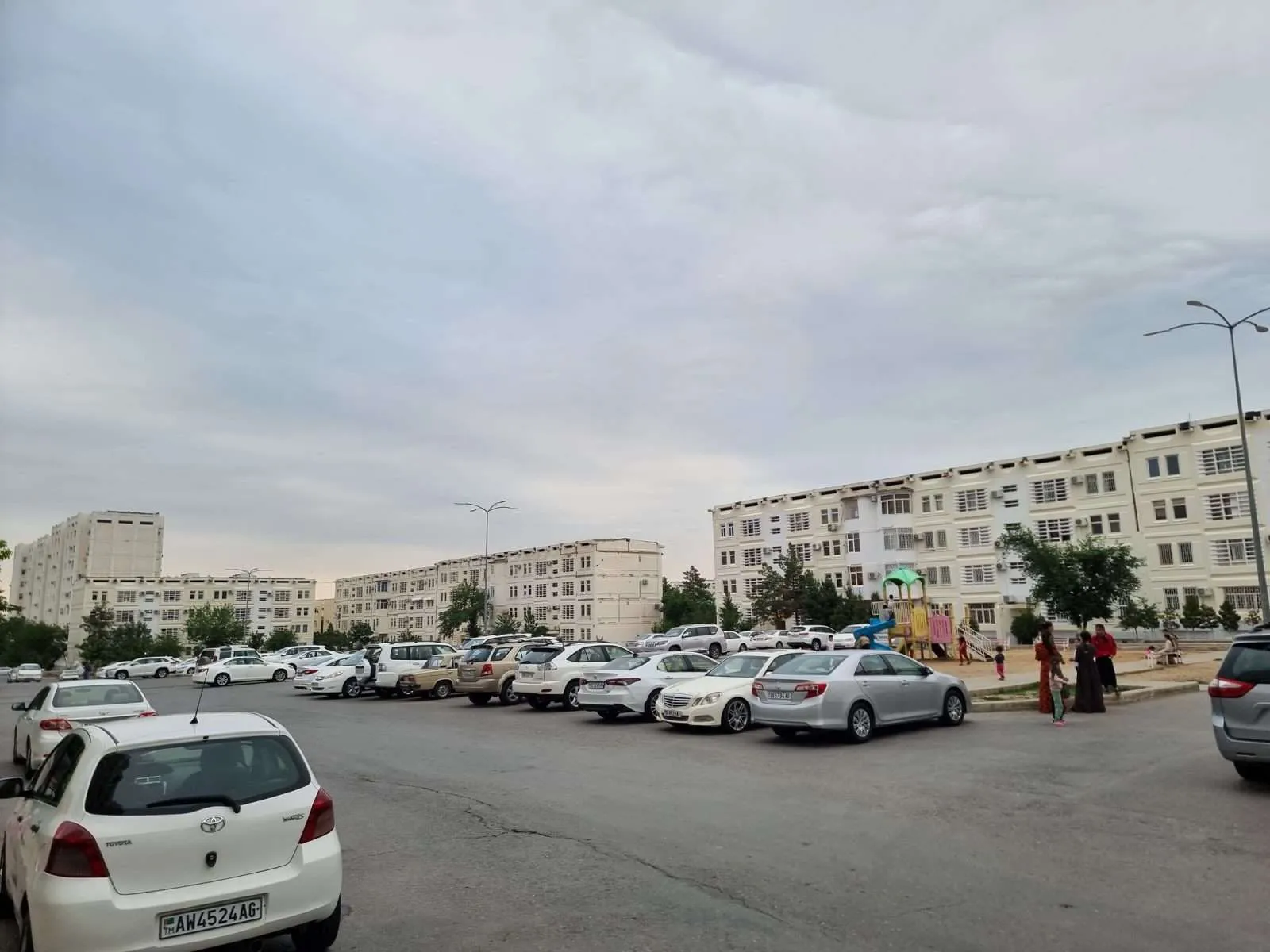
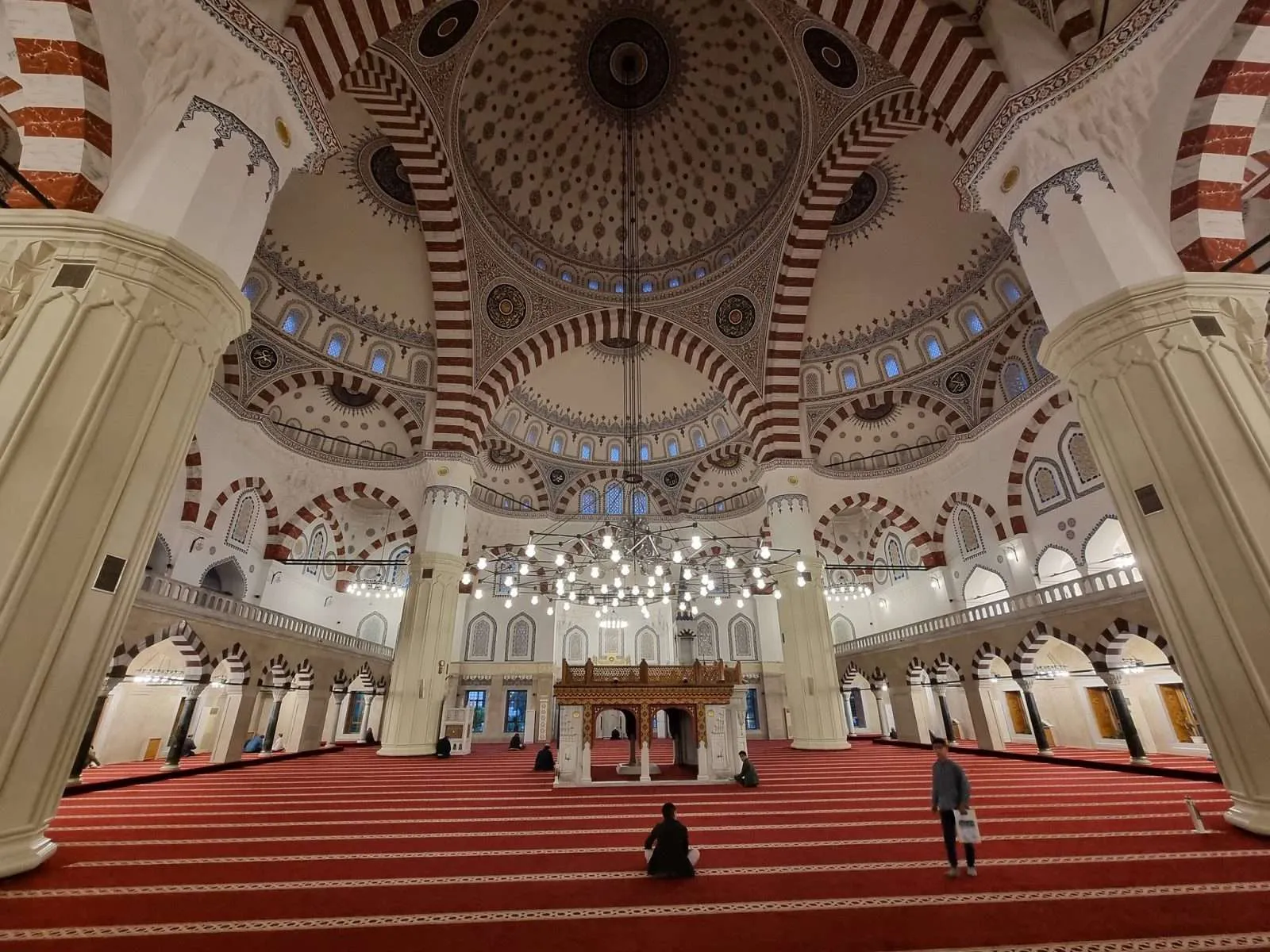
We also walked through the newly built neighborhoods, which are distinguished by their modern architecture and wide boulevards, as well as the older ones, with dozens of white cars parked (another car color is almost impossible to see in the city), and children playing on the playgrounds. We also visited the Ertugrul Gazi Mosque, which with its exquisite domes and minarets is one of the spiritual hearts of the city. We ended the day with dinner at a local restaurant where we tried delicious international dishes, a nice change from roadside eateries, and their limited selection. Ashgabat left us with a sense of grandeur and modernity combined with a deep respect for the history and traditions of Turkmenistan. If there was one thing this city lacked, it was people.

Day 3: Merv Archaeological Complex and Mary City
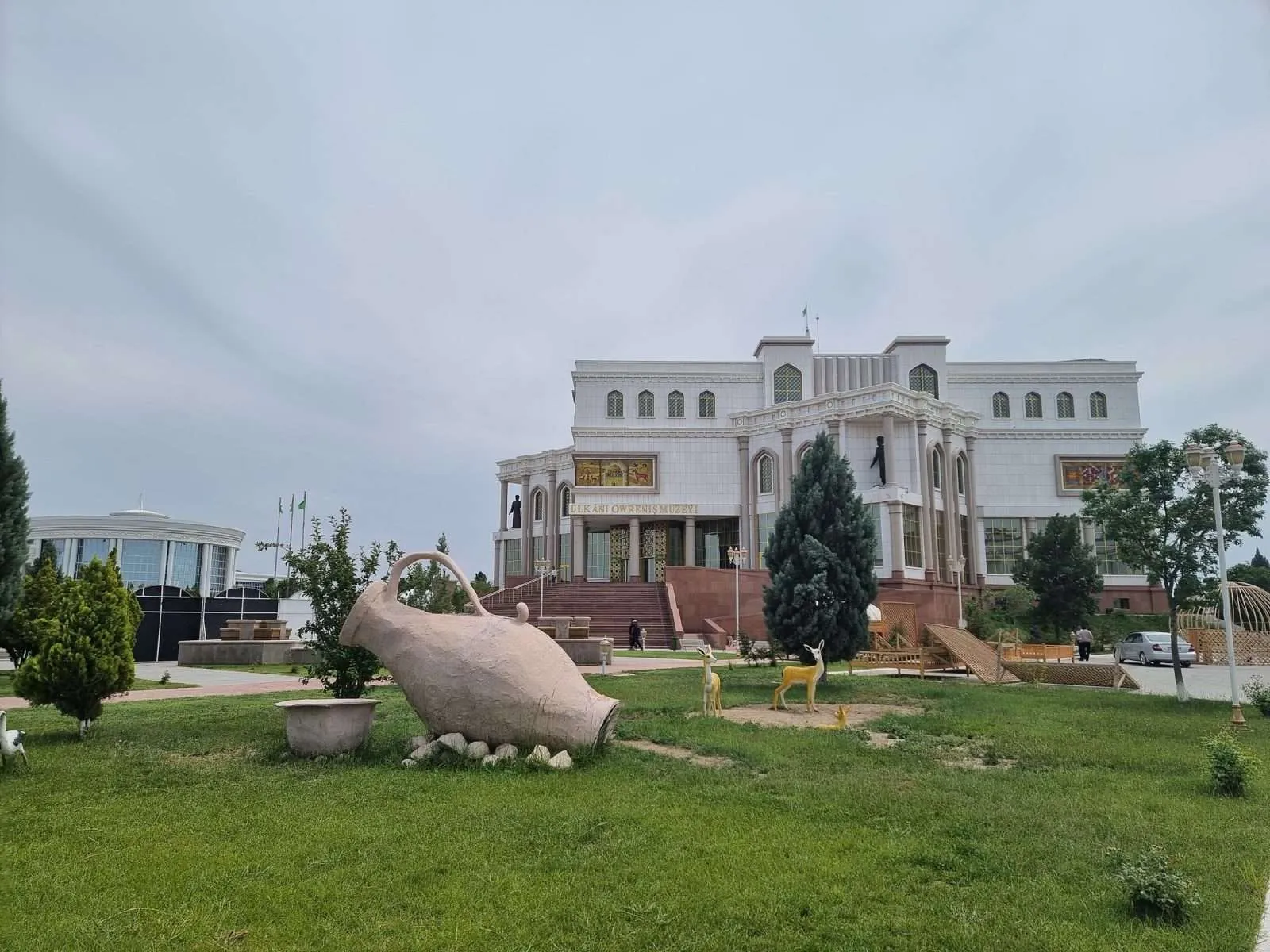
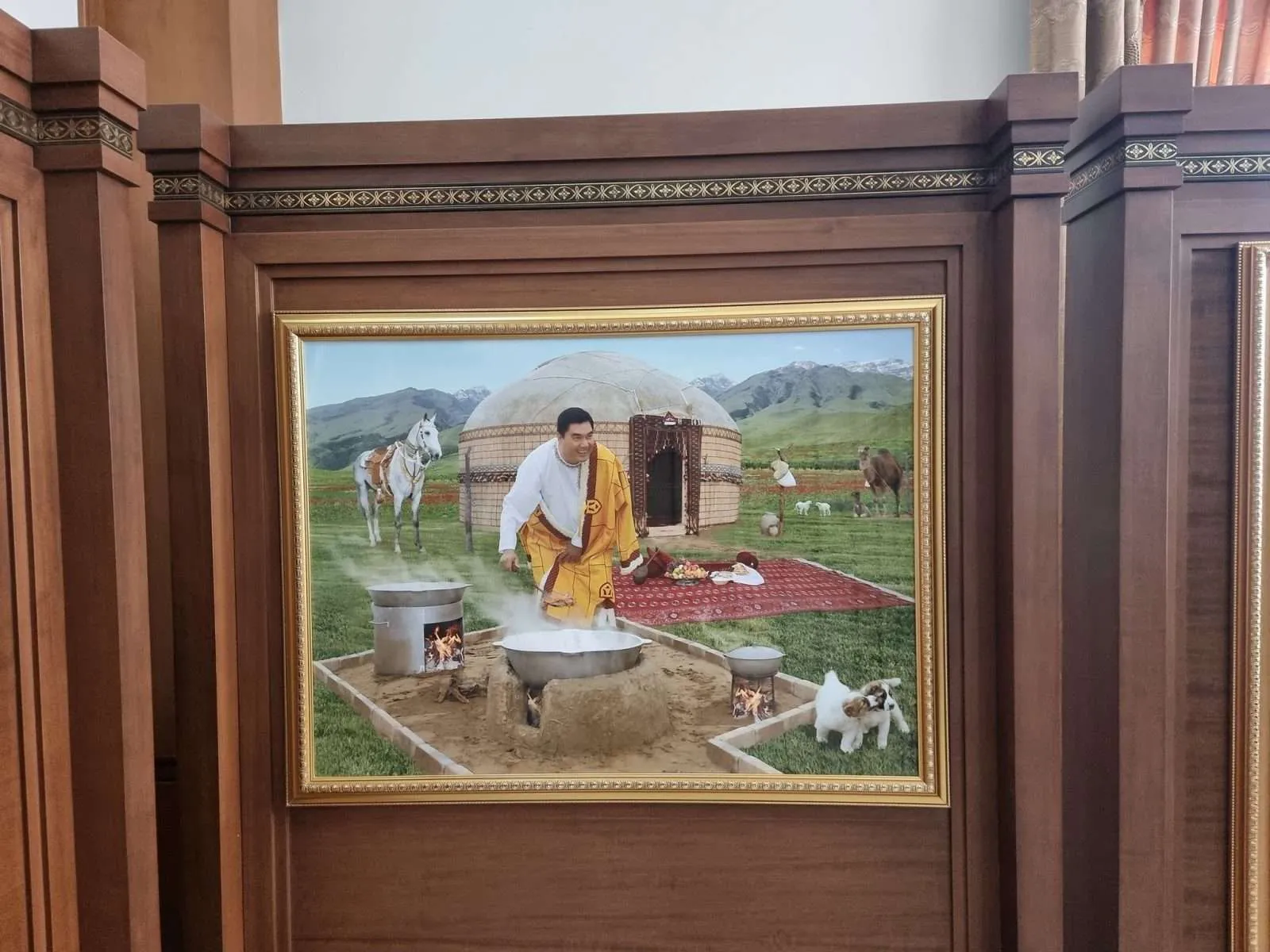
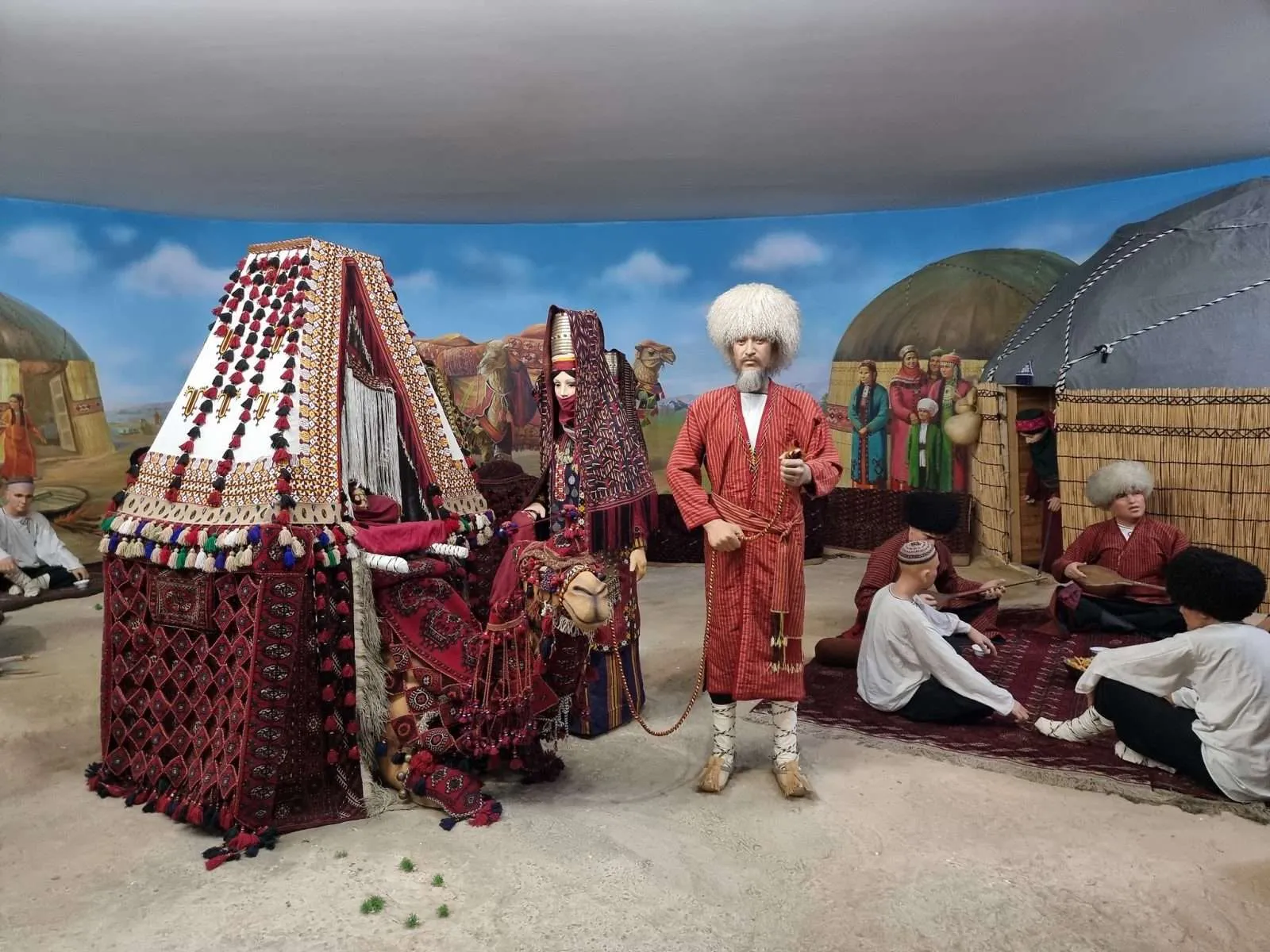
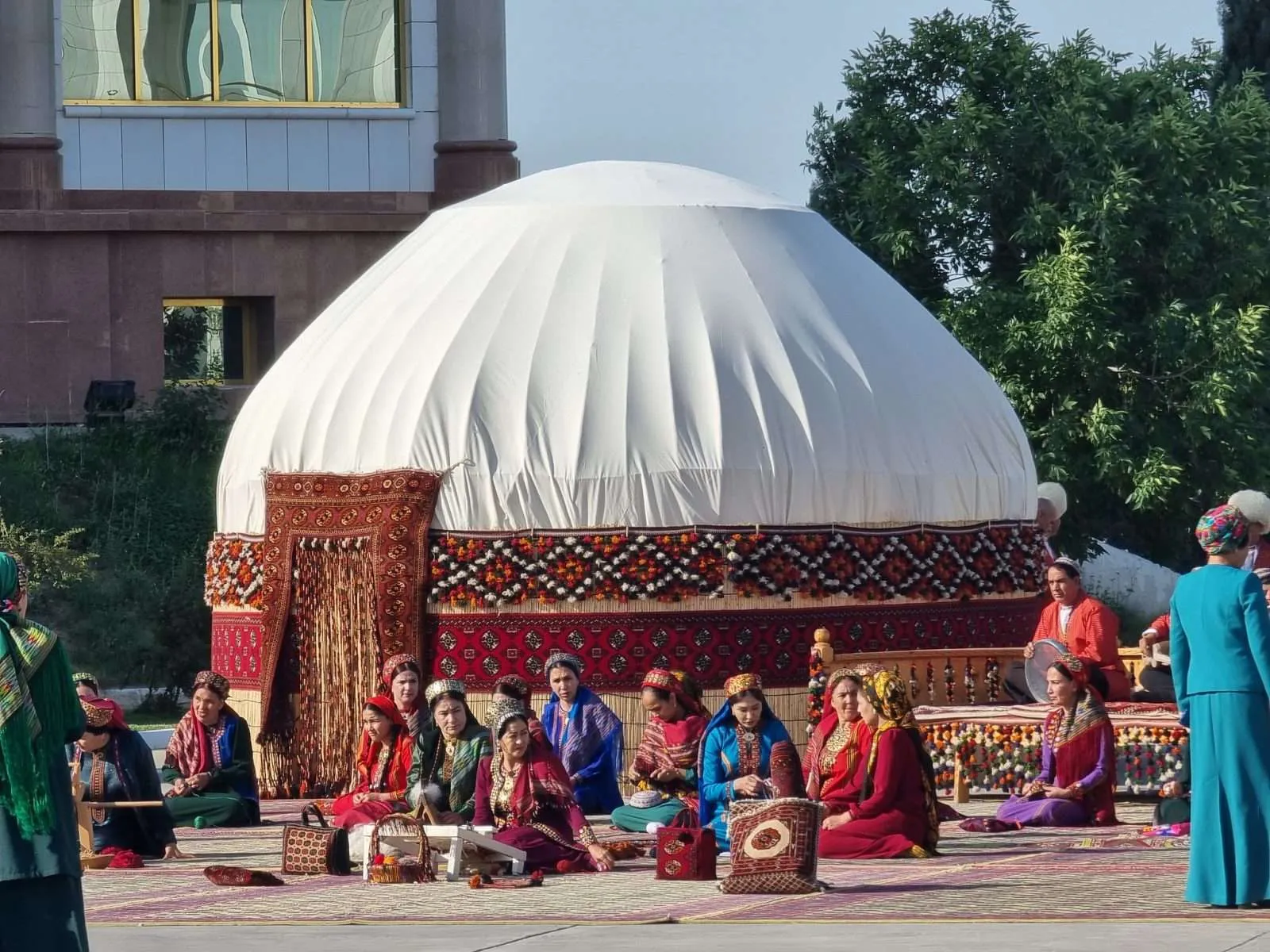
The third day started with a trip to the town of Mary where the road was nice and pothole-free and we were accommodated in a private hotel which was a downright luxurious experience. We visited the History Museum where we learned more about the history and culture of the region. We were most impressed by the section that nurtures the personality cult of the previous president – Gurbanguly Berdimuhamedov. The guides are obliged to present him as a man of the people who goes everywhere in the country and takes pictures and meets the working ordinary citizens. But with the naked eye, you can see that it was all done by the photo processing department, with a dubious result. We also looked at many Turkmen carpets, authentic clothes, utensils, and appliances from old times, and we were convinced that Mary is a picturesque city with a rich historical and cultural heritage.
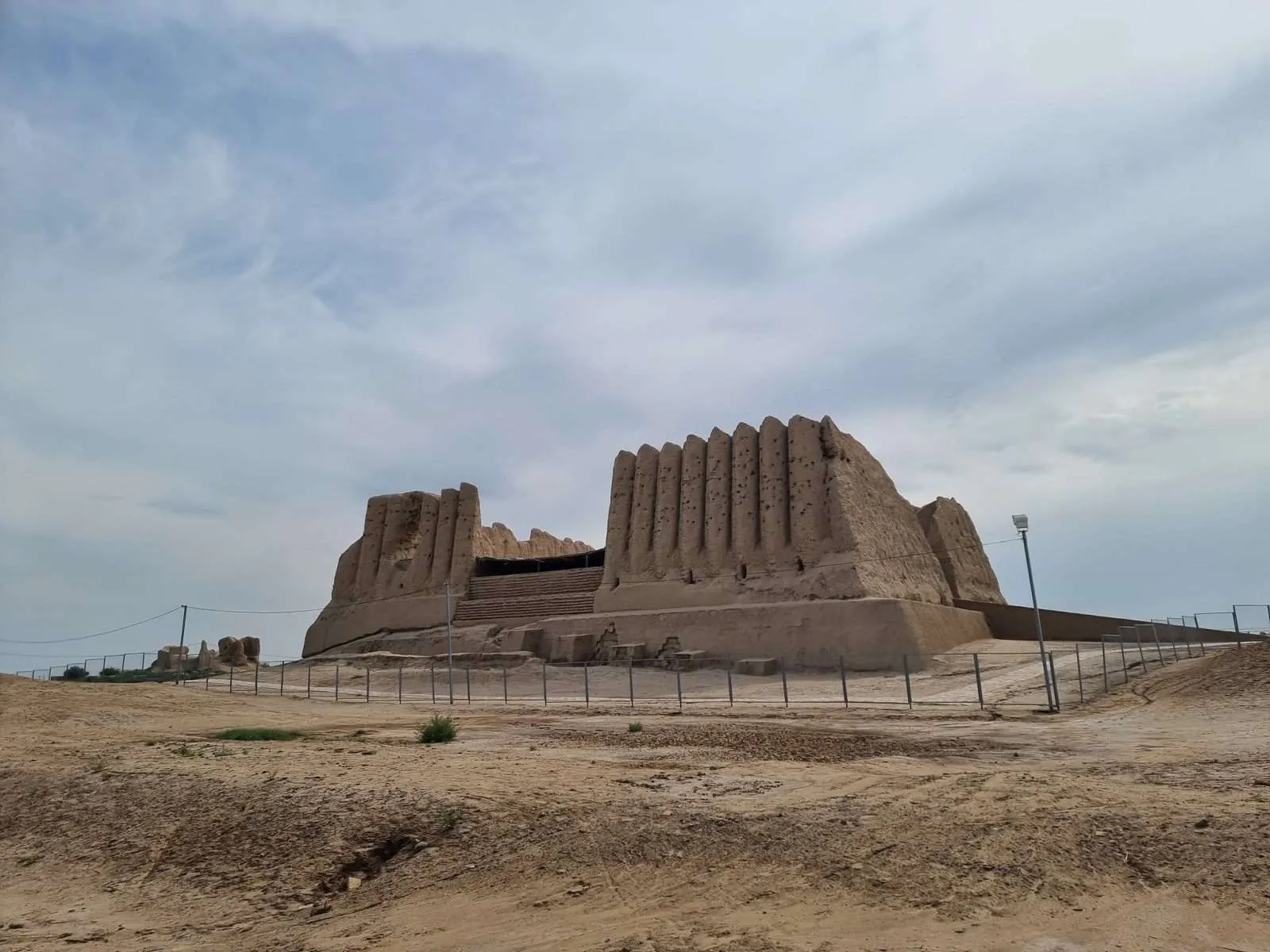
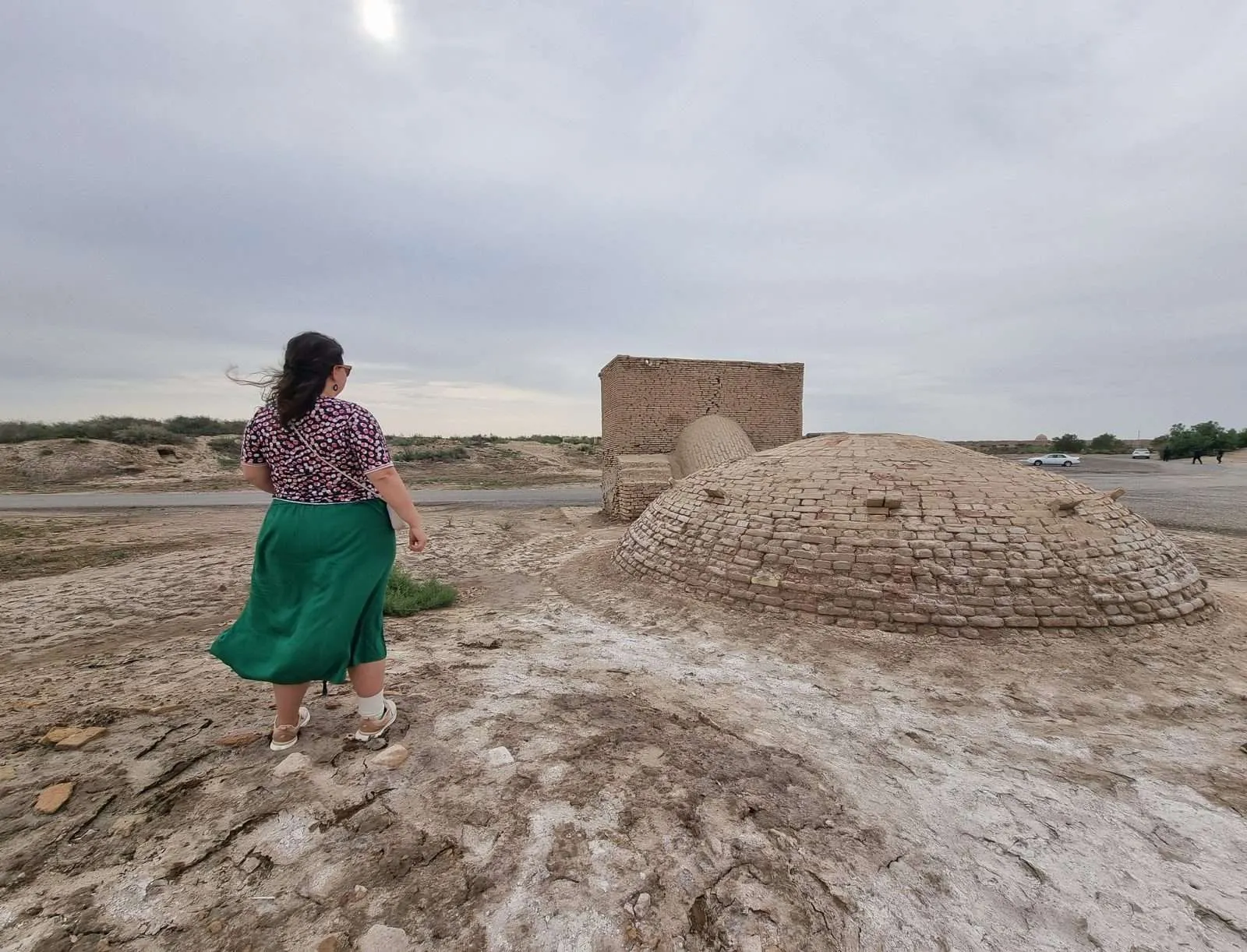
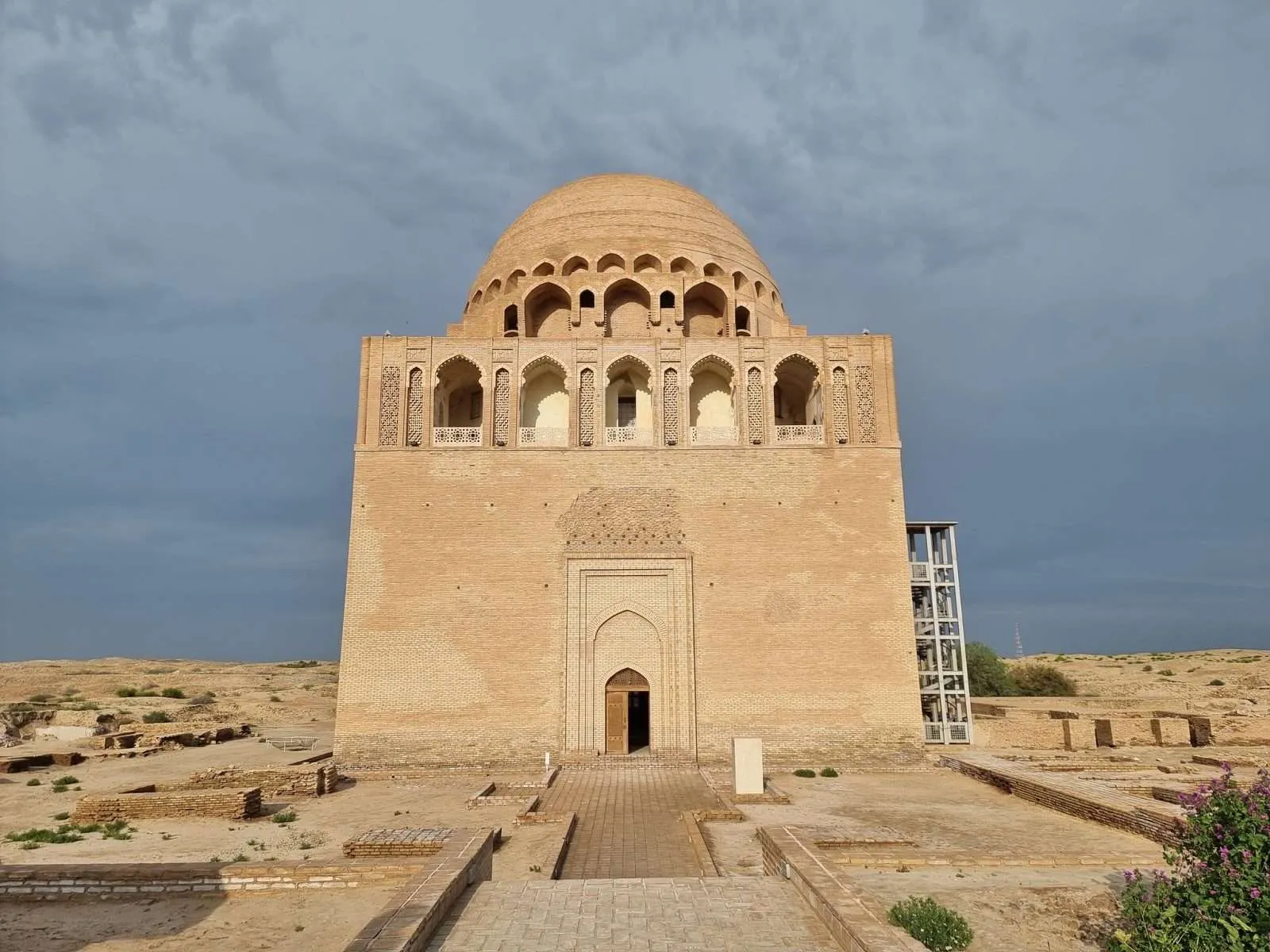
Near the city is the archaeological complex of Merv. Merv is a UNESCO World Heritage Site and is one of the most important archaeological sites in Central Asia. Here we had the opportunity to see the remains of the ancient city, which has been an important commercial and cultural center for centuries since the 3rd century BC. Walking among the ruins, we could imagine the grandeur of this ancient city and its importance in history.
Looking for the ancient “refrigerators”, we came across a muddy dirt road, where the car got stuck. While Vova was pulling it out, it became covered in mud. So we stopped by the next town for a quick wash while we each had an ice cream.
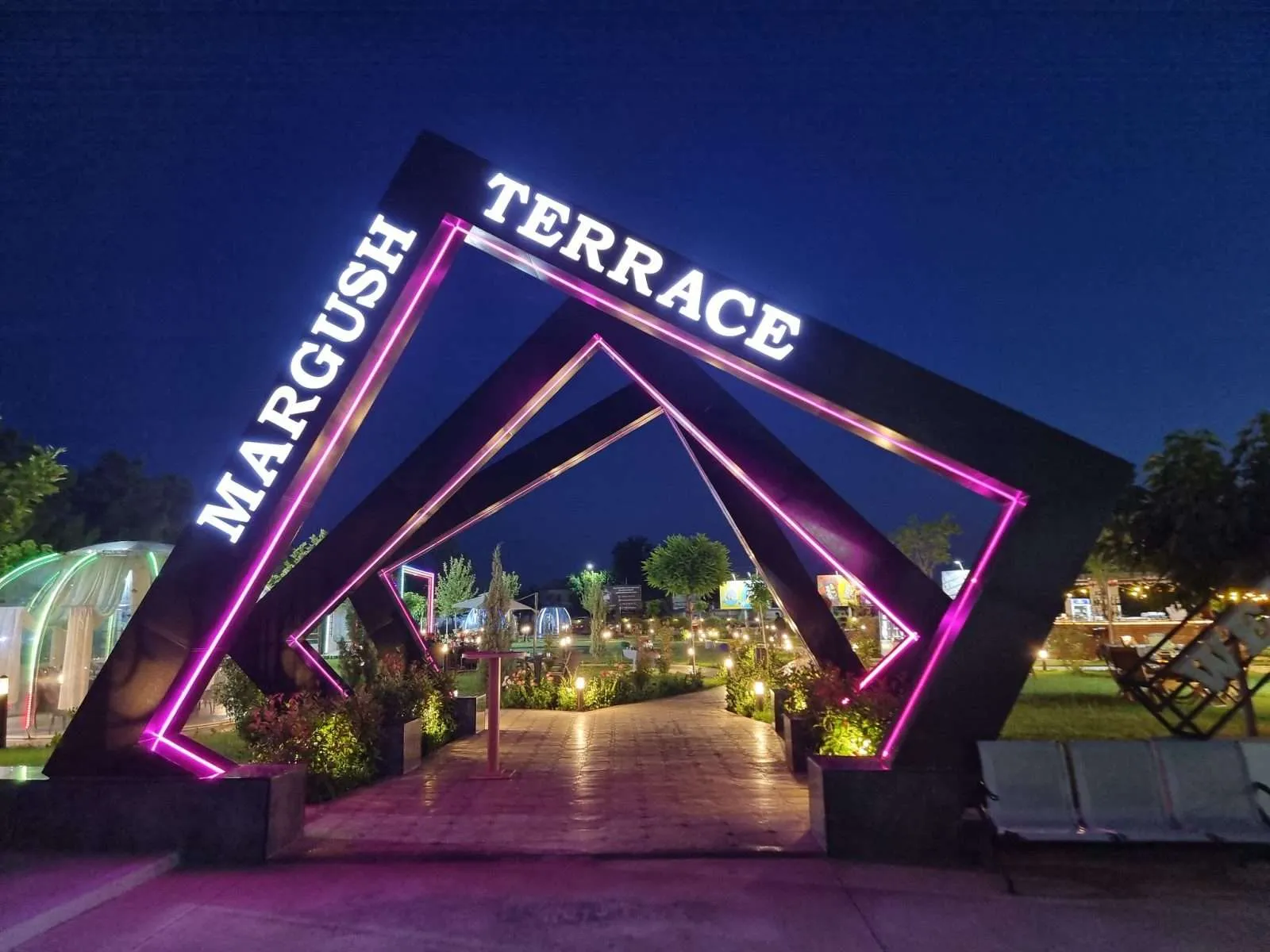
In the evening, we dined alone in the hotel’s garden restaurant, where the level of food was like in a top restaurant in Europe, and there was also a party with a DJ. A big celebration on the occasion of our last night in Turkmenistan.
Day 4: Travel to the border with Uzbekistan
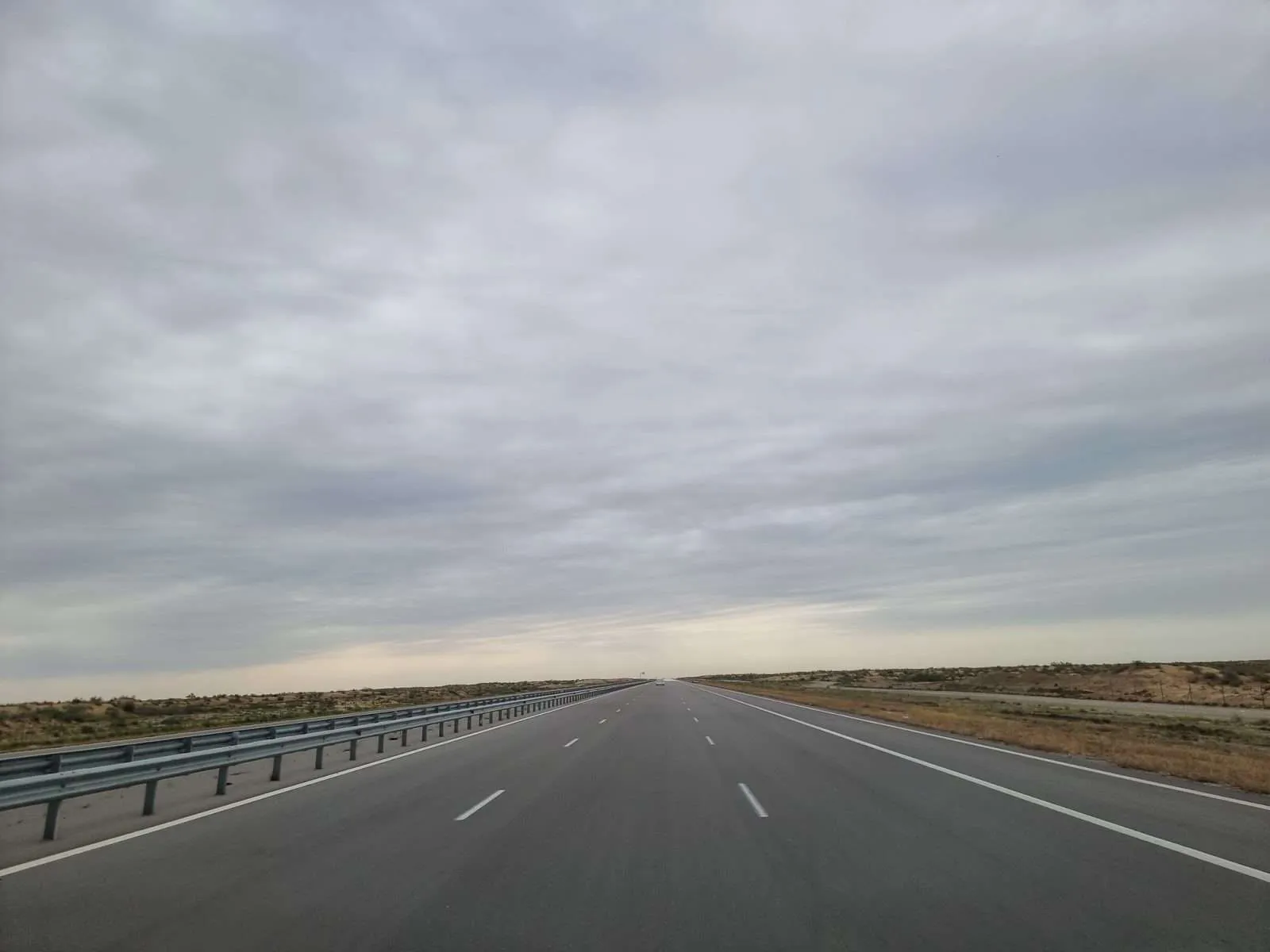
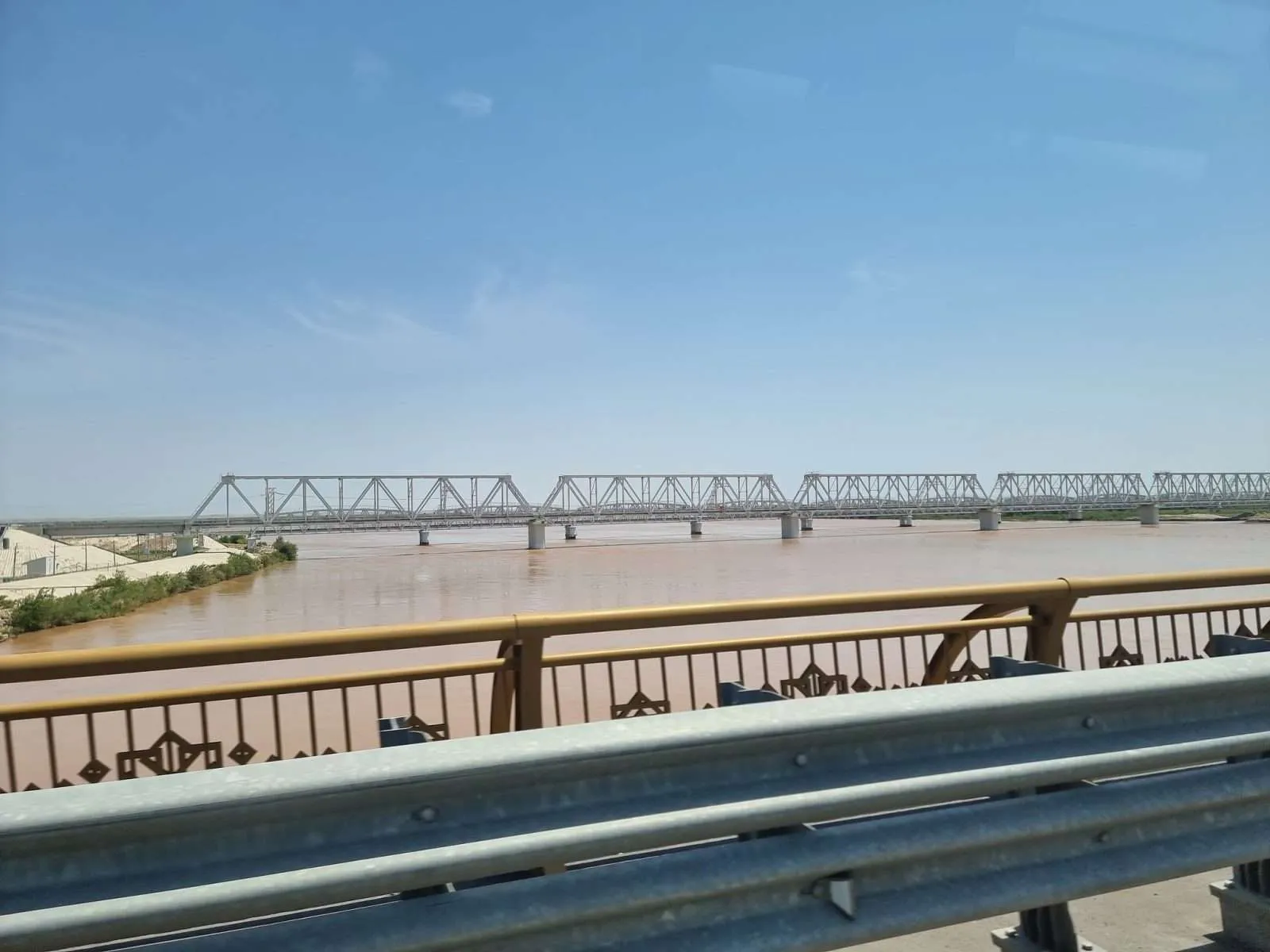
The last day of our trip was dedicated to the trip to the border with Uzbekistan. After breakfast at the hotel in Mary, we headed northeast, passing through picturesque landscapes and small villages. The road to the border was long and bumpy, but beautiful, with plenty of opportunities to photograph and observe the local nature and infrastructure.
Arriving at the border, we said goodbye to our guides, passed through several checkpoints, and boarded 3 buses to enter Uzbekistan and continue our journey.


Most popular landmarks in Turkmenistan
– Darvaza Crater – Known as the “Gates of Hell”, this gas crater burns constantly and offers unforgettable night views.
– Merv Complex and Old Nisa – archaeological complexes, included in the UNESCO list, with impressive ruins and panoramic views.
– Ashgabat – the capital of Turkmenistan, known for its marble buildings and numerous records in the Guinness Book.
Fun facts about Turkmenistan
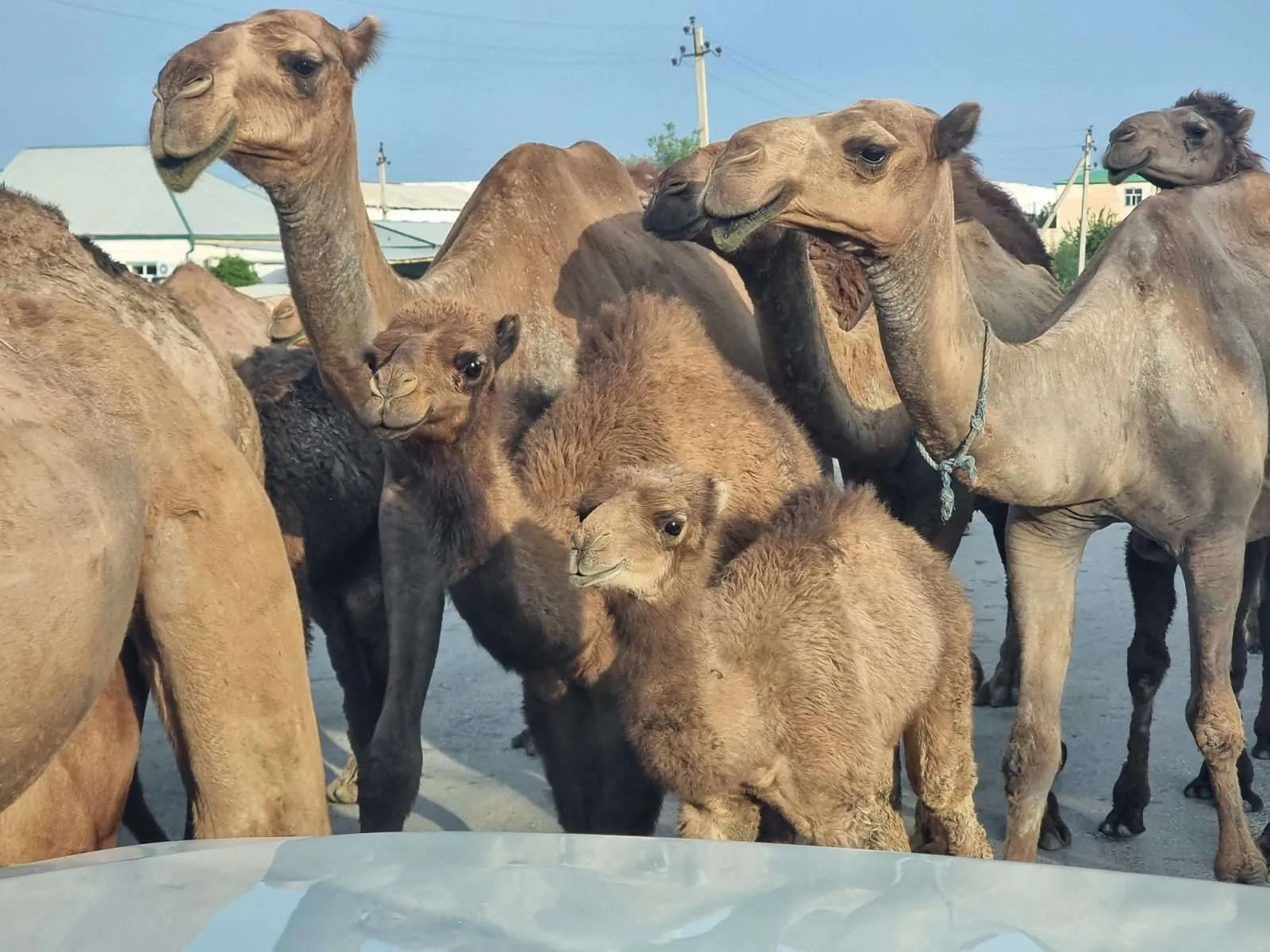
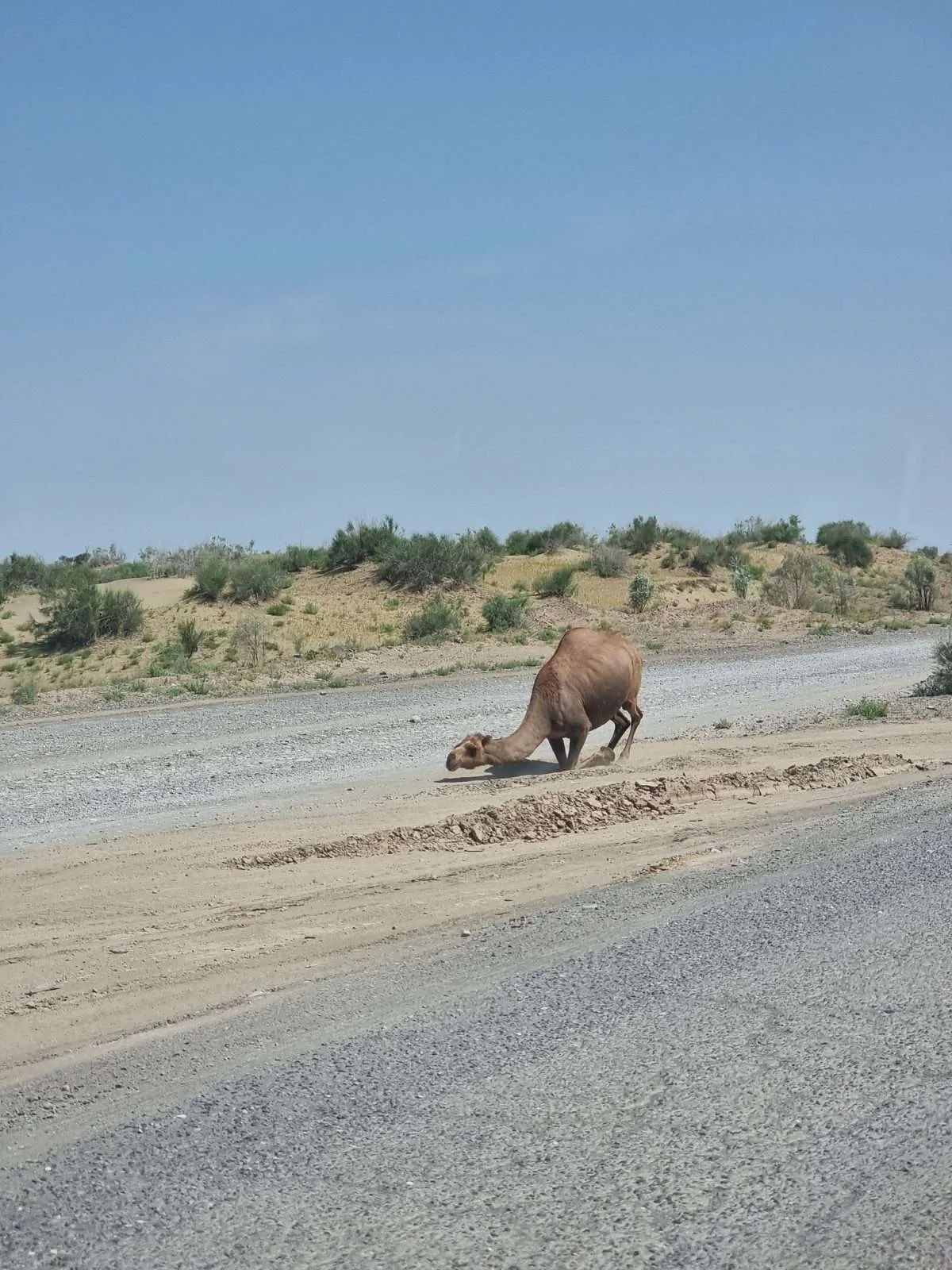
– Turkmenistan is home to numerous camels that are domesticated and marked so that each owner can recognize them. They roam free in the desert.
– Ashgabat holds the record for the largest number of white marble buildings in the world.
– There are a huge number of police stations and traffic policemen in the country – you can meet them almost every kilometer on the road, except in the deep desert and on hard-to-reach roads.
– The main ethnic group in the country is the Turkmens (85.6%), with 5.8% Uzbeks, and 5.1% Russians and other ethnicities represented, but Russian is wildly spoken – the country was part of the Soviet Union until 1990.
Practical tips for visiting Turkmenistan
– Need for a guide: It is mandatory to travel with a local guide and driver (similar to Bhutan) arrange through a local travel agency. This will not only make your trip easier but also allow you to learn a lot about the country. The only downside is that it’s not a particularly budget option. But eating out is cheap.
– Visa: The travel agency will create a letter of invitation (LOI) and when it gets approved, you have the green light to visit Turkmenistan and receive the visa on arrival.
-Travel agency: We found the most information and contact with agencies on the Caravanistan website and we chose Ashgabat Tours.
– Currency and costs: Turkmenistan is a fairly cheap country to travel to, especially if the unofficial exchange rate of the manat is used. This is separate from the fee to the agency that arranges the guide and driver, and the paperwork for the pre-chosen itinerary.
– Toilets: Be prepared for the poor conditions of the toilets outside the big cities.
– Food: Vegetarians may find it difficult as most dishes include meat. Stock up on snacks such as fruit and nuts.
– Internet: The Internet is available in a few places, mainly in big cities. Most sites and social media are blocked, so Turkmenistan is a great place for a digital detox and a bad place to work or if you want to be connected to the world.
This blog post contains some affiliate links to services and products we like. If you book through those links, we’ll get a small commission at no extra cost for you. Thank you for helping us keep The Magic of Traveling going!
Turkmenistan is a country of contrasts, with unique natural attractions, rich history, and interesting traditions. Regardless of the challenges you may encounter, traveling to this little-known destination is worth every second.
Do you like this post?
Travel with us and share our journey on Instagram! Do you want to support us – learn how here!


